How to Switch Your Family Doctor (Medic de Familie) in Romania
Finding yourself tied to a medical professional who doesn't understand your needs or speaks a language you don't master is one of the most isolating experiences for an expat. Whether you moved to a new neighborhood in Bucharest or simply realized your current physician is never available when you are sick, the administrative hurdle of changing providers can feel daunting. This guide simplifies the entire process of switching your family doctor in Romania, helping you navigate the bureaucracy with confidence.
Understanding the Role of the Medic de Familie
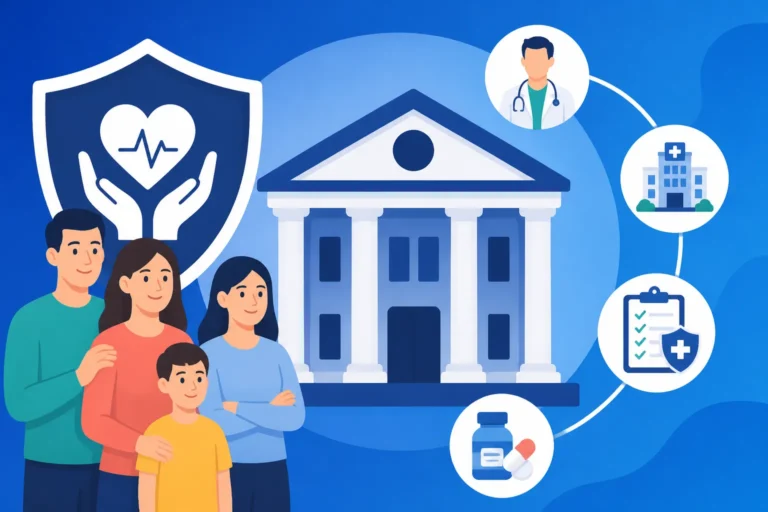
In Romania, the family doctor—known locally as the medic de familie—is much more than just a general practitioner you visit for a cold. They are the essential gatekeeper of the entire national healthcare infrastructure. Without a registered family doctor, you essentially lack a key to the rest of the system. They are responsible for issuing referrals to specialists, prescribing subsidized medications, and maintaining your integrated medical history.
For many expats, the initial registration happens in a rush. Perhaps you needed a medical certificate for your residence permit or you were feeling unwell and picked the clinic closest to your temporary Airbnb. Over time, you might realize that the clinic's hours don't align with your work schedule or that the facility lacks the modern equipment you expect. Understanding that The Expat Guide to Finding a Family Doctor (Medic de Familie) in Romania is a dynamic choice is the first step toward better health management.
The Gatekeeper of the Romanian Healthcare System
Your family doctor is the person who issues the bilet de trimitere (referral note). In the public system, you cannot simply walk into a hospital to see a cardiologist or a dermatologist for a non-emergency without this piece of paper. If you try to bypass this, you will likely be charged the full private rate for the consultation, even if you have been paying your social contributions.
This gatekeeping role extends to the electronic health system. The doctor is the one who updates your Understanding the Electronic Health Card (Cardul de Sănătate) in Romania, ensuring that your treatments and history are recorded. If your current doctor is technologically averse or doesn't use the system efficiently, it can cause significant delays in receiving specialized care or getting your prescriptions filled at the pharmacy.
Why You Might Need to Switch
The most common reason expats seek a new doctor is the language barrier. While many younger doctors in major cities like Cluj-Napoca or Timișoara speak excellent English, older practitioners in neighborhood clinics might only speak Romanian. This can lead to dangerous misunderstandings regarding dosages or symptoms. If you struggle to communicate, it is vital to find someone from the list of How to Find an English-Speaking Doctor in Romania to ensure your safety.
Another factor is geographic convenience. Traffic in cities like Bucharest can turn a five-kilometer trip into an hour-long ordeal. If you have moved from Sector 1 to Sector 4, keeping your old doctor becomes impractical, especially when you are actually sick and need an appointment. Additionally, some doctors are simply oversubscribed, meaning you might wait weeks for a routine check-up. Switching to a doctor with a smaller patient list can drastically improve your quality of life.
Legal Requirements and Timing for Switching Doctors
The Romanian National Health Insurance House (CNAS) has specific rules regarding how often and when you can change your primary care provider. These rules are designed to prevent "doctor shopping" and to ensure continuity of care, but they can be frustrating if you are unhappy with your current situation. Generally, the system expects a level of stability between the patient and the physician.
If you find yourself in a situation where you need immediate coverage while navigating these rules, having a secondary option like SafetyWing can provide peace of mind. While the public system processes your paperwork, private international insurance ensures you aren't left without options if a sudden illness occurs during the transition period.
The Six Month Rule
The primary regulation you must be aware of is the six-month residency rule. According to CNAS regulations, you must remain registered with a family doctor for at least six months before you are eligible to switch to a new one. This clock starts from the date your initial registration was validated in the system. If you try to switch after only three or four months, the system will likely reject the new doctor's attempt to add you to their list.
This rule exists to allow the doctor to get to know your medical history and to manage the capitation payments they receive from the state. However, it can feel like a prison sentence if you realize in the first month that the doctor isn't a good fit. In these cases, many expats choose to pay out-of-pocket for private consultations or rely on Understanding Private Health Insurance and Subscriptions (Abonament) in Romania until the six-month window closes.
Exceptions to the Minimum Stay Rule
There are specific legal exceptions to the six-month rule, though they require documentation. The most common exception is a change of residence to a different locality. If you move from Iasi to Brasov, the system recognizes that you cannot reasonably be expected to travel across the country for a family doctor visit. You will need to provide proof of your new address, such as a rental contract or a new residence permit.
Another exception involves the closure of the doctor's practice. If your doctor retires, loses their contract with CNAS, or passes away, you are free to choose a new provider immediately. Similarly, if the relationship between doctor and patient has broken down to the point of a formal complaint, or if the doctor’s patient list exceeds the legal limit and they are forced to reduce numbers, you may be granted an earlier transfer.
Step-by-Step Process to Change Your Family Doctor
The actual process of switching is surprisingly less bureaucratic than the initial registration, provided you have your documents in order. You do not technically need to "resign" from your old doctor; the new doctor handles the electronic transfer. However, out of professional courtesy and to ensure your physical files are transferred, a brief notification to the previous clinic is often recommended.
Before starting, ensure your social contributions are up to date. You can verify this by Registering for Public Health Insurance (CASS) in Romania (2027) and checking your status on the CNAS portal. If you are not "insured" (asigurat) in the system, no doctor will be able to accept you on their list for free public services.
Finding and Contacting Your New Doctor
Your first step is to find a doctor who is actually accepting new patients. Not every medic de familie has open spots. You should call ahead or visit the clinic in person. It is often better to visit in person during "cabinet" hours to get a feel for the waiting room and the staff's attitude. Ask directly: "Primiți pacienți noi pe listă?" (Are you accepting new patients?)
When you find a potential doctor, verify that they have a contract with the Health Insurance House. Most do, but some elite private clinics only operate on a fee-for-service basis. If you want to use the public system benefits, the doctor must be part of the CNAS network. This is also the time to ask about their English proficiency. You can find more targeted advice on this in our guide on Where Can I Find an English-Speaking Family Doctor in Bucharest?.
Gathering the Necessary Documentation
Once the new doctor agrees to take you, you will need to provide a standard dossier. Even if you are already in the system, the new clinic needs physical copies for their archives. This typically includes your residence permit (permis de ședere) or your EU registration certificate. Both must be valid and show your current address.
You will also need your CNP (Personal Numeric Code). If you are a new resident, ensure you have followed the steps for How to Get Your CNP (Personal Numeric Code) for Healthcare Access in Romania before attempting the switch. Additionally, you should bring your physical Health Card (Card de Sănătate) if you have received it. If you haven't received the card yet, a certificate from CNAS proving you are insured will suffice.
The Transfer Request and Validation
The new doctor will ask you to sign a cerere de transfer (transfer request). This document authorizes the new doctor to pull your electronic records from the central database. Once signed, the doctor enters your CNP into the SIUI (Integrated Unique Information System). If you have surpassed the six-month mark and are currently insured, the system will allow the transfer almost instantly.
The new doctor is then required to notify your old doctor and the local Health Insurance House about the change within 15 days. While the electronic record moves quickly, your physical file—which contains paper records of past vaccinations, surgeries, or chronic illness diagnoses—must be requested. Some doctors ask the patient to go and collect this file in person, while others handle it via post.
Comparison of Requirements for Switching Doctors
| Document/Requirement | Why it is needed | Tips for Expats |
|---|---|---|
| Residence Permit / ID | Proves identity and legal stay | Must be the original plus a photocopy |
| CNP (Personal Code) | The primary key for the health system | Found on your residence card or NIF |
| Card de Sănătate | Validates every transaction in the system | Keep your PIN code written somewhere safe |
| Proof of Insurance | Confirms you've paid your CASS | Get a "adeverință de asigurat" if card is missing |
| 6-Month Wait Period | Legal minimum between switches | Check your last registration date carefully |
| Transfer Request Form | Legal authorization to move your data | Usually provided by the new clinic |
Communication and Language Barriers
For an expat, the biggest hurdle isn't usually the paper, but the talk. Many local clinics operate on a "first come, first served" basis or have very specific windows for phone calls. If you don't speak Romanian, even booking the initial "meet and greet" with a new doctor can be a challenge. It is highly recommended to bring a Romanian-speaking friend for the first visit to ensure nothing is lost in translation.
If you find that the public system's communication style is too stressful, SafetyWing offers a more familiar, English-first support structure for medical queries. This can be a life-saver when you are trying to explain complex symptoms that go beyond basic Romanian vocabulary.
Finding English-Speaking Doctors
In cities like Bucharest, Cluj, and Timișoara, there are many doctors who have worked abroad or studied in English. However, they aren't always clearly marked in the public registry. Searching through expat forums or specialized lists like How to Find an English-Speaking Doctor in Romania is often more effective than looking at the official CNAS list.
When you call a clinic, ask "Vorbiți engleză?" (Do you speak English?). If the receptionist says no, don't immediately hang up; often the doctor speaks English even if the front desk does not. Try to ask for the doctor directly. Many expats find that younger doctors in private-public partnership clinics (like those found in some Regina Maria or MedLife branches) are the most likely to be fluent.
Navigating the First Appointment
Your first appointment with the new doctor is a "consultation for registration." The doctor will ask about your medical history, any chronic conditions, and your vaccination status. This is the moment to be very clear about any ongoing prescriptions you have. If you have chronic conditions, you should read How to Register a Chronic Condition with My Romanian Family Doctor to understand how to get your medications covered.
Bring all your previous medical records, even those from your home country. While they might not all be entered into the Romanian system, they provide the doctor with vital context. If the records are not in English or Romanian, you might need a certified translation, especially for serious conditions like diabetes, heart disease, or autoimmune disorders.
Comparing Public vs Private Family Doctors
One of the most confusing aspects of the Romanian system is the overlap between public and private care. Many private networks like Regina Maria, MedLife, or Sanador have doctors who are also contracted with the public health system (CNAS). This means you can have a "private" experience while still using your public insurance benefits.
Choosing which path to take depends on your budget and your health needs. You should weigh the options by reading Public vs Private Healthcare in Romania: Which Should Expats Choose? to see which model fits your lifestyle.
Public System Benefits and Drawbacks
The public system is essentially free at the point of use for those who are employed or pay How Much Is the CASS Health Contribution in Romania?. The biggest benefit is the cost of medication. Only a family doctor in the public system can issue the "rețetă compensată," which can reduce the price of medications by 50%, 70%, or even 100%.
The drawbacks are well-known: long queues, sometimes aging infrastructure, and a heavy reliance on paper. Some public doctors are also very strict about their hours and may not offer any form of digital communication like email or WhatsApp, which can be frustrating for expats used to more modern services.
Private Clinic Subscriptions (Abonament)
Many expats opt for a private medical subscription, often provided by their employer. These "abonamente" give you access to nicer facilities, easier booking systems, and often doctors who speak better English. You can still register one of these private doctors as your official medic de familie if they have a CNAS contract.
However, be careful. Not all doctors in a private clinic are "family doctors" in the legal sense. Some are just general practitioners who cannot issue the subsidized referrals. Always ask if the doctor can issue "bilete de trimitere CNAS." For more on whether this is worth the investment, check out Is a Private Medical Subscription (Abonament) worth it in Romania?.
Practical Tips for a Smooth Transition
The period between leaving one doctor and being fully integrated with another is a vulnerability gap. You want to make sure you have enough of your maintenance medications to last at least a month. Never start the switching process when you have only three days of heart medication or insulin left.
During this transition, having a policy with SafetyWing can be incredibly helpful. If your paperwork gets stuck in the Romanian system—which can happen during holiday periods or system updates—having international coverage ensures you can see a private doctor anywhere without waiting for a referral.
Managing Your Medical Records
When you leave your old doctor, ask for a "fișă medicală" (medical summary). While the electronic system holds a lot of data, the physical file often has original test results and specialist notes that might not have been scanned. In Romania, the patient has a right to their medical data, though you might have to pay a small fee for photocopying.
Make sure your new doctor enters your "antecedente medicale" (medical history) into the system correctly. This includes allergies, which are vital if you are ever admitted to a hospital in an emergency. You can learn how to check this yourself by reading How Do I Access My Electronic Health Record Online in Romania?.
What to Do if You Need Urgent Care During the Switch
If you fall ill while your transfer is being processed, you are not entirely without options. For true emergencies, you should always call 112 or go to the nearest UPU (Emergency Unit). Emergency care is provided regardless of your insurance status or which doctor you are registered with. For more details, see Emergency Medical Care in Romania: What Every Expat Know.
For non-emergencies that can't wait, you can visit a Centru de Permanență. These are clinics that operate outside of normal business hours and provide basic family doctor services to anyone who is insured, regardless of who their specific doctor is. They are a great resource if you are "between doctors" and need a quick consultation for a fever or a minor infection.
Summary of the Switching Process
Changing your doctor is a right, not a privilege. As long as you respect the six-month rule and have your residency documents in order, the transition should be relatively smooth. The key is to be proactive in finding the right person before you actually need them.
- Verify you have been with your current doctor for at least 6 months.
- Find a new doctor who speaks your language and is accepting patients.
- Prepare your dossier: ID, CNP, and Health Card.
- Sign the transfer request at the new clinic.
- Wait for the electronic system to update (usually immediate).
- Ensure your physical medical file is transferred or collected.
Healthcare in Romania Disclaimer
This guide is intended for informational purposes only and does not constitute legal or medical advice. The Romanian healthcare system and the regulations set by the National Health Insurance House (CNAS) are subject to frequent changes. While we strive to keep this information updated, always verify current requirements with your local health insurance office or a qualified legal professional. Public healthcare standards can vary significantly between regions and individual facilities. Always seek professional medical advice for any health concerns.