What Happens If I Get Sick Before My CASS Registration Is Complete?
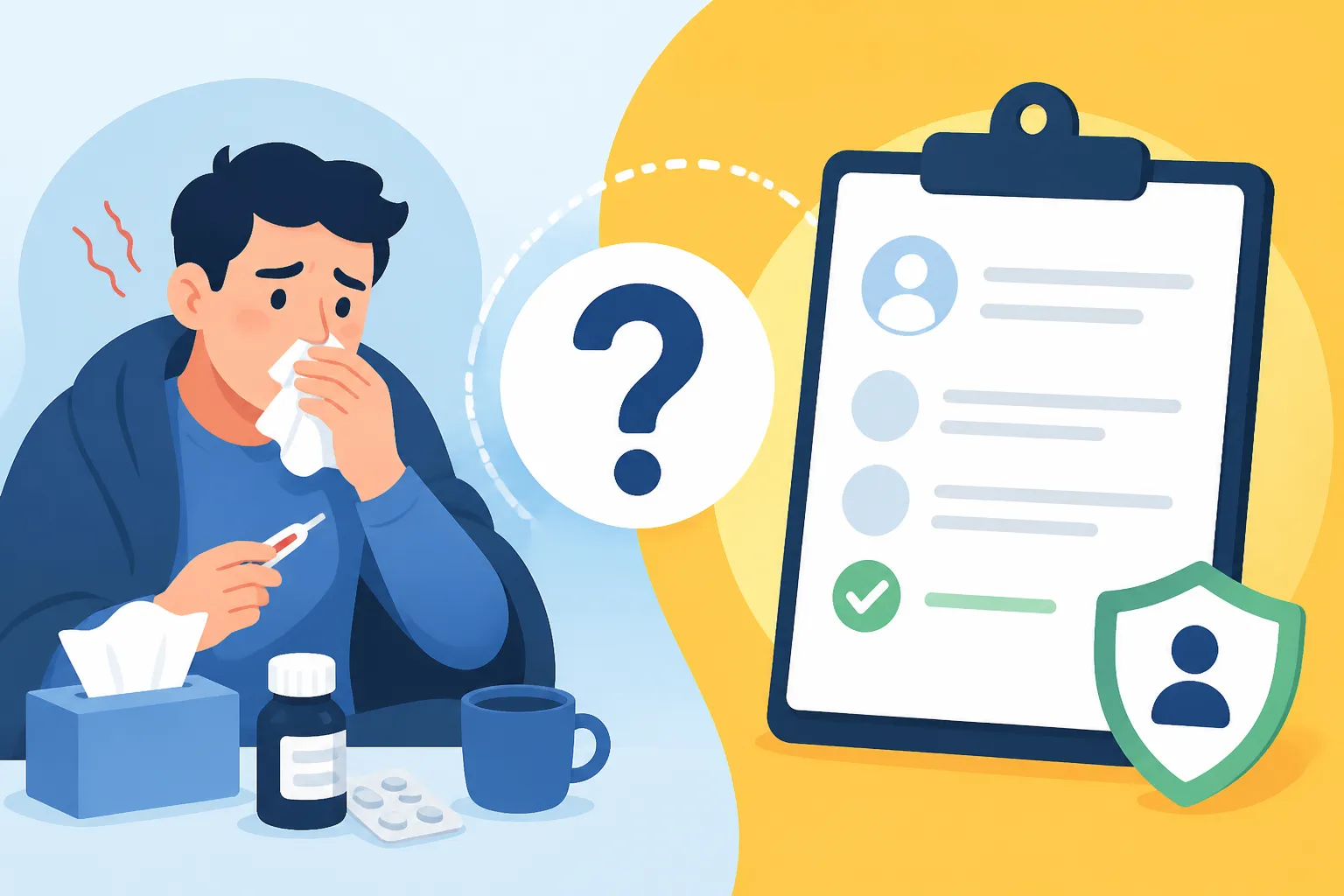
Moving to a new country like Romania is an exhilarating whirlwind of discovery, but that excitement can instantly turn into sheer panic the moment you feel a fever coming on or experience a sudden injury while your paperwork is still sitting in a government inbox. Many expats find themselves in a stressful "insurance limbo" where they have applied for residency but haven't yet received the health card or CNP required to access the public system. This guide explains exactly how to navigate the Romanian medical landscape during that gap, ensuring you stay healthy without breaking the bank.
Understanding the Insurance Gap in Romania
When you first arrive in Romania, there is a distinct period between your arrival and the moment you are officially registered in the public health system. This period can last anywhere from a few weeks to several months, depending on how quickly the General Inspectorate for Immigration (IGI) processes your file. During this time, you are essentially "invisible" to the public healthcare system because you lack a Personal Numeric Code (CNP) or a valid residence permit.
The Reality of the CASS Processing Timeline
Registering for the National Health Insurance House (CNAS) isn't an instantaneous process. Even after you receive your residency permit, you often have to take extra steps to ensure your contributions (CASS) are being paid, especially if you are self-employed or a digital nomad. Many expats assume that because they’ve submitted their papers, they are covered. In reality, you aren't officially "insured" in the database until your employer or your own tax filings (if you are a PFA) are processed.
This bureaucratic lag is one of the most significant Navigating the Romanian Healthcare System: An Expat's Roadmap (2027) hurdles you will face. During this window, if you visit a public hospital for a non-emergency, the staff will look up your CNP, find no active insurance status, and you will be billed as a private patient at the "uninsured" rate. While these rates are often lower than in the US or UK, they can still add up quickly if you require diagnostic tests or specialized consultations.
Why Your CNP is the Key to Everything
Your CNP is the golden ticket to healthcare in Romania. Without it, you cannot register with a family doctor, and you cannot receive subsidized prescriptions. When you are in the waiting phase, you are effectively a guest in the country rather than a resident in the eyes of the healthcare system. It is vital to understand How to Get Your CNP (Personal Numeric Code) for Healthcare Access in Romania as early as possible because every day without it is a day you are personally liable for your medical costs.
In my first month in Bucharest, I struggled with a persistent sinus infection. I hadn't received my permit yet, and the local clinic wouldn't even let me book a standard appointment without a CNP. This is a common wall that foreigners hit. If you find yourself in this situation, you must rely on private providers or bridge the gap with an international policy like SafetyWing, which is designed specifically for people who are in transition between countries or waiting for local residency permits to be finalized.
Common Misconceptions About Retroactive Coverage
A frequent mistake is believing that once you get your insurance card, it will retroactively cover the bills you paid while waiting. Unfortunately, the Romanian system doesn't usually work that way. Coverage typically begins from the date your registration is confirmed in the SIUI (the integrated IT system of the health insurance). Any consultations or treatments you paid for out-of-pocket during the registration period remain your responsibility.
This is why many expats choose to maintain a flexible insurance plan like SafetyWing during their first 90 days. It prevents the financial sting of an unexpected hospital visit while the Romanian authorities are processing your Registering for Public Health Insurance (CASS) in Romania (2027) documents. Relying on the hope that you won't get sick is a risky strategy in a country where the bureaucracy is known for its "unforeseen delays."
Immediate Options for Medical Care Without CASS
If you do fall ill before your registration is complete, don't despair. Romania has a robust medical infrastructure, and you will not be denied care, especially in a crisis. However, the path you take depends entirely on the severity of your symptoms and your budget.
Utilizing Public Emergency Rooms
In Romania, emergency care is a fundamental right. If you have a life-threatening condition or a severe injury, you should head to the nearest Unitarea de Primiri Urgențe (UPU). These are the emergency departments of public hospitals. By law, they must stabilize you regardless of your insurance status. For expats, knowing about Emergency Medical Care in Romania: What Every Expat Needs to Know can be a literal lifesaver.
However, be prepared for long wait times if your condition isn't critical. In public hospitals like Floreasca in Bucharest or the County Hospitals in Cluj, the triage system is strict. If you show up with a minor flu or a small cut without insurance, you might wait hours and eventually be asked to pay for the consultation and any supplies used. The costs are generally transparent, but the experience can be overwhelming if you don't speak Romanian fluently.
Private Clinics and Out-of-Pocket Consultations
For non-emergencies, your best bet is a private medical provider. Networks like Regina Maria, MedLife, or Sanador are the go-to choices for the expat community. You don't need a CNP or a residence permit to see a doctor here; you simply need your passport and the ability to pay the consultation fee, which usually ranges from 200 to 450 Lei.
The advantage of private clinics is the higher likelihood of finding English-speaking staff and a much more streamlined booking process. You can often get an appointment on the same day or the next. If you have a policy like SafetyWing, you can often seek reimbursement for these costs, provided the condition is covered under their terms. This makes the "pay-and-claim" model much more palatable than facing the full cost of a private MRI or a specialist referral on your own.
The Role of Pharmacies for Minor Ailments
Romanian pharmacists (farmaciști) are highly trained and can often provide advice for minor issues that don't require a doctor’s visit. If you have a cold, a minor skin irritation, or digestive issues, the local farmacie is your first line of defense. Many common medications that might require a prescription in other countries are available over-the-counter here, though the rules have tightened significantly in recent years.
Understanding The Romanian Pharmacy (Farmacie) System and Opening Hours is crucial because many pharmacies in city centers are open 24/7. While they cannot give you antibiotics without a prescription, they can suggest effective local alternatives. Always bring your passport, as some pharmacists may ask for ID when dispensing even basic medication to non-residents.
Bridging the Gap with Private International Insurance
Since the "gap" in coverage is almost guaranteed for any new arrival in Romania, having a backup plan is essential. For most of us, that means looking at international options that don't require us to be "settled" residents before the coverage kicks in.
Why Nomad-Friendly Insurance is a Lifesaver
Standard travel insurance is often insufficient because it assumes you are on a short trip and will return to your home country for major treatment. As an expat, you need something that understands you are "in-between." SafetyWing is particularly popular in the Bucharest and Cluj tech scenes because it operates on a subscription model. You can start it before you leave your home country and keep it active until the very day your Romanian public insurance is confirmed.
This type of coverage is vital because it handles the "big stuff"—hospitalizations, accidents, and emergency evacuations—that your local Romanian family doctor won't be able to help with until you are fully registered. It provides a safety net so that an unexpected appendicitis doesn't wipe out your relocation budget while you're waiting for your Health Insurance in Romania: Mandatory, Private and Travel Options Explained to be finalized.
Comparing Short-Term Coverage vs. Long-Term CASS
It is important to remember that international insurance is a bridge, not a permanent replacement for CASS. Once you are a resident, paying into the Romanian public system is mandatory for most workers and entrepreneurs. The public system covers chronic conditions and long-term care in a way that most "nomad" policies do not.
| Feature | Public CASS (Romania) | Private International (e.g., SafetyWing) |
|---|---|---|
| Registration Requirement | Requires Residency Permit & CNP | None (Available to anyone) |
| Primary Care | Via registered Family Doctor | Any private clinic (reimbursement) |
| Cost | 10% of income (or fixed for PFA) | Monthly subscription fee |
| Best For | Chronic care, long-term residency | New arrivals, digital nomads, gap periods |
| Emergency Use | Free at public hospitals | Reimbursable at private/public hospitals |
How to Claim Expenses While Waiting for Residency
If you use a private clinic while covered by a plan like SafetyWing, the process is usually straightforward but requires discipline. You must keep every receipt (chitanță) and every medical report (referat medical). Romanian doctors are used to providing these, but you should explicitly ask for them in English if possible, or ensure the Romanian version is detailed enough for your insurer to understand the diagnosis.
I always tell new arrivals to take a photo of every document the moment they leave the clinic. Losing a small slip of paper could mean losing 500 Lei in reimbursement. Having this financial backup allows you to focus on getting better rather than stressing about The Cost of Healthcare in Romania: A Complete Breakdown for Foreigners (2026) that keeps ticking up while you wait for your CNP.
Navigating the Bureaucracy to Finish Your Registration
Once the immediate health crisis is over, your priority must be closing the gap by finishing your local registration. The faster you move through the bureaucratic steps, the sooner you can access the full benefits of the Romanian system.
Speeding Up the CASS Enrollment Process
To get your CASS status active, you generally need your residence permit first. Once you have that, if you are employed, your HR department handles the registration. If you are a freelancer, you must file a "Declarația Unică" with ANAF (the tax authority). You can check How Do I Register for CASS After Moving to Bucharest? for specific local office locations. The key is to check your status on the CNAS website periodically. If you don't show up as "asigurat" (insured) within a month of starting work, there is likely a paperwork error that needs your attention.
What to Do If You Have an EHIC (EU Citizens)
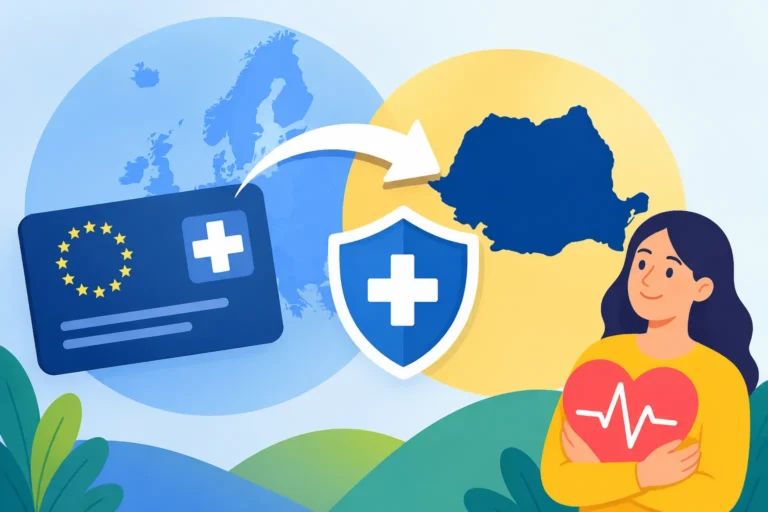
If you are an EU citizen, you have a massive advantage. Your European Health Insurance Card (EHIC) covers necessary medical treatment during a temporary stay. However, once you become a resident, the EHIC is no longer valid for your primary care in Romania—you must transition to the local system. You can learn How to Use Your EHIC (Cardul European) in Romania as an EU Citizen to handle the transition months effectively. Don't rely on the EHIC indefinitely; the authorities expect you to register locally once you have a long-term rental contract and a job.
Transitioning to a Family Doctor
The final step in your healthcare journey is finding a Medic de Familie. Even if you have the best private insurance, a family doctor is the only one who can issue the "Bilet de Trimitere" (referral) that allows you to get free specialists or hospital procedures under the public system. I recommend looking into The Expat Guide to Finding a Family Doctor (Medic de Familie) in Romania as soon as your CNP arrives. Many expats wait until they are sick to find a doctor, but by then, the registration process (which requires a physical visit and paperwork) can feel like an impossible task.
In conclusion, getting sick before your CASS registration is finished is a stressful experience, but it’s manageable if you know your options. Use the public ER for true emergencies, private clinics for everything else, and keep a plan like SafetyWing active to ensure you aren't left with a massive bill. Once you are back on your feet, prioritize getting that CNP and registering with a family doctor so you never have to face the "insurance gap" again.
Disclaimer
The information provided in this guide is for informational purposes only and does not constitute legal or medical advice. Healthcare regulations and insurance requirements in Romania are subject to change. Always consult with the National Health Insurance House (CNAS), the General Inspectorate for Immigration (IGI), or a qualified legal professional regarding your specific residency and insurance status. For medical emergencies, always dial 112.