How to Use Your EHIC (Cardul European) in Romania as an EU Citizen
Moving to Romania as an EU citizen feels like a breeze until you are staring at a crowded waiting room in a public hospital, wondering if that blue plastic card in your wallet actually carries any weight here. Many travelers and new arrivals assume the EHIC is a universal pass to all medical care, only to be met with confusion, language barriers, or unexpected bills at private clinics. This guide breaks down exactly how to navigate the Romanian public health system using your European Health Insurance Card, ensuring you get the care you need without the administrative headache.
The Foundations of the EHIC in the Romanian Context
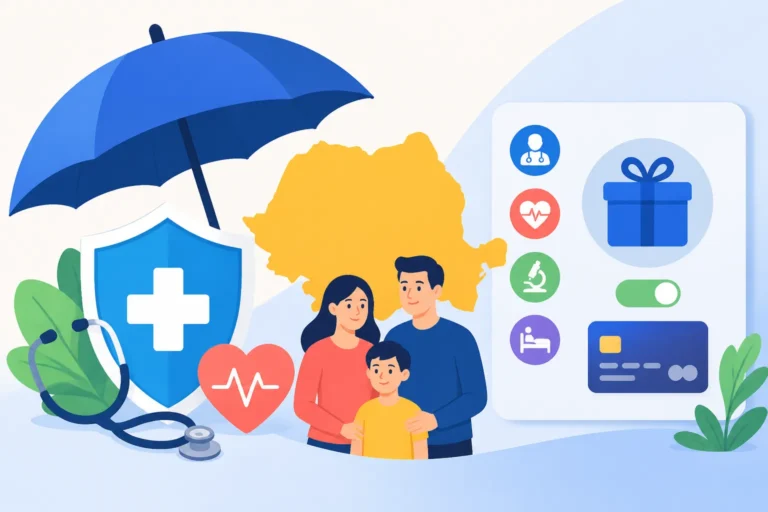
The European Health Insurance Card (EHIC), known locally as Cardul European de Asigurări Sociale de Sănătate, is your primary tool for accessing state-provided healthcare during a temporary stay in Romania. It is vital to understand that the EHIC is not an alternative to travel insurance; it is a reciprocal agreement between EU/EEA member states. In Romania, this means you are entitled to the same medical services, under the same conditions and at the same cost, as a Romanian citizen insured under the national system.
What the European Health Insurance Card Actually Covers in Romania
The EHIC covers "necessary care." This is a broad term that often causes friction at the registration desk. In the eyes of the Romanian National Health Insurance House (CNAS), necessary care includes any treatment that cannot wait until you return to your home country. This encompasses emergency surgeries, treatment for acute illnesses like a severe flu or an infection, and ongoing care for chronic conditions—including pregnancy and childbirth, provided you didn't travel to Romania specifically to give birth.
However, the card does not cover elective procedures or "medical tourism." If you decide to get a routine check-up or a non-essential dermatological procedure while visiting Bucharest, the EHIC will likely be rejected. It is also important to note that the EHIC only works within the public system. If you walk into a high-end private clinic in the Pipera district expecting free care, you will be disappointed. For those who want the flexibility to use both public and private systems or who need coverage for non-emergency situations, a supplement like SafetyWing can provide a much-needed safety net that the EHIC lacks.
Identifying Public vs. Private Facilities: The Contract with CAS Rule
The most critical lesson for any EU citizen in Romania is learning to spot the difference between a public hospital (Spital de Stat) and a private clinic (Clinicã Privatã). While the EHIC is theoretically valid at any facility that has a contract with the County Health Insurance House (Casa de Asigurări de Sănătate or CAS), in practice, it is almost exclusively used in public hospitals and "Policlinică" centers.
When you approach a medical facility, look for a sign that says "Unitate în contract cu CAS." If you don't see this, or if the facility is a brand name like Regina Maria or MedLife, the EHIC might only cover a small fraction of the cost, or nothing at all. In these private settings, you are usually expected to pay out of pocket or use private insurance. Understanding Public vs Private Healthcare in Romania: Which Should Expats Choose? is essential before you find yourself in a situation where you need immediate care but aren't sure where to turn.
Step-by-Step Guide to Accessing Medical Care with an EHIC
Navigating the bureaucracy of a Romanian hospital can feel like a test of patience. The system relies heavily on specific paperwork and stamps (ștampila), and as an EHIC holder, you are an "exception" to the standard digital health card system used by locals. You need to be proactive and have your documents ready before you even see a nurse.
Visiting a Family Doctor (Medic de Familie)
For non-emergency issues, your first point of contact should be a Medic de Familie. In Romania, the family doctor acts as the gatekeeper to the rest of the healthcare system. As an EU citizen with an EHIC, you can visit any family doctor who has a contract with CAS. You do not need to be permanently registered on their list for temporary care, but you must present a copy of your EHIC and your ID.
The doctor will evaluate whether your condition qualifies as "necessary care." If it does, the consultation should be free. However, be prepared for the possibility that some doctors in smaller towns may not be familiar with the EHIC processing requirements for temporary residents. If you find yourself frequently needing primary care, you might want to look into The Expat Guide to Finding a Family Doctor (Medic de Familie) in Romania to understand how the system works for those staying longer than a few weeks.
Handling Emergency Hospital Visits and Admissions
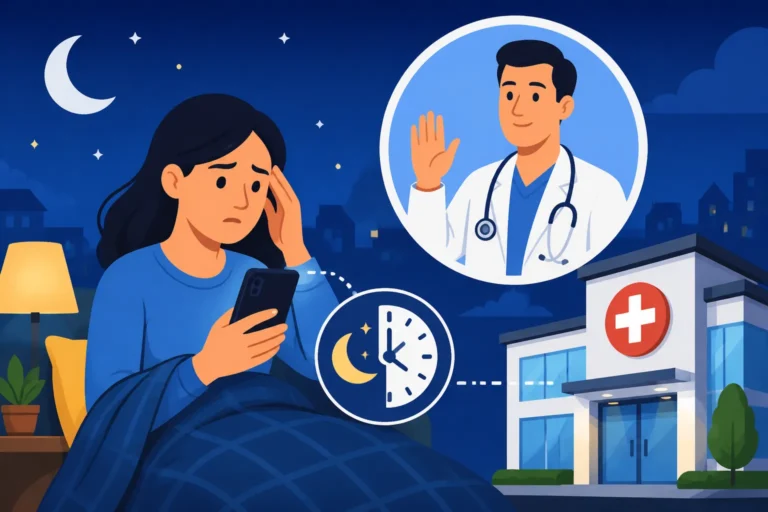
In a true emergency, the rules change slightly. You can go directly to the Emergency Room (Unitate de Primiri Urgențe or UPU) of any public hospital. In these cases, the EHIC is your most valuable asset. The staff at the UPU are generally more accustomed to seeing the blue card, especially in major cities like Cluj-Napoca or Iași. Emergency Medical Care in Romania: What Every Expat Know is a crucial resource for understanding which hospitals in your area have the best emergency facilities.
If you are admitted to the hospital, the EHIC covers the cost of treatment, ward stay, and medication. However, Romanian public hospitals are known for being underfunded. It is common for patients to be asked to provide their own basic toiletries or even certain specialized medications if the hospital pharmacy is out of stock. This is a jarring reality for many Western Europeans. While the medical expertise in Romania is often very high, the infrastructure can be lacking, which is why many expats choose to maintain a policy with SafetyWing to ensure they have the option of being transferred to a private facility or even repatriated if necessary.
Obtaining and Using Specialist Referrals
If your family doctor determines you need a specialist—perhaps a cardiologist or an orthopedic surgeon—they will issue a "Bilet de Trimitere" (referral slip). This piece of paper is vital. Without it, the specialist will charge you the full "private" rate, even in a public hospital. When you take this referral to a specialist, you must again present your EHIC.
The specialist will then provide the necessary consultation or diagnostic tests. Keep in mind that for non-emergency diagnostics, like an MRI or specialized blood tests, there are often "quotas" (fonduri). If the hospital has run out of its monthly budget from the state, you might be told to come back next month or pay. This is another area where How Romania's Health Insurance House (CNAS) Works: A Full Overview can give you insight into the financial limitations of the public system and why "free" care sometimes involves a long wait.
Navigating the Romanian Pharmacy and Prescription System
Once you have seen a doctor, you will likely be handed a prescription. In Romania, the pharmacy system is a mix of highly efficient private chains and the rigid rules of the state insurance system. Using your EHIC here requires a specific type of prescription.
How Compensated Medicines Work for EHIC Holders
When a Romanian doctor prescribes medication for an EHIC holder, they should issue a "Rețetă Compensată" (compensated prescription). This means the state covers a percentage of the cost—anywhere from 50% to 100%, depending on the medication and the illness. As an EU citizen, you are entitled to the same discount as a local.
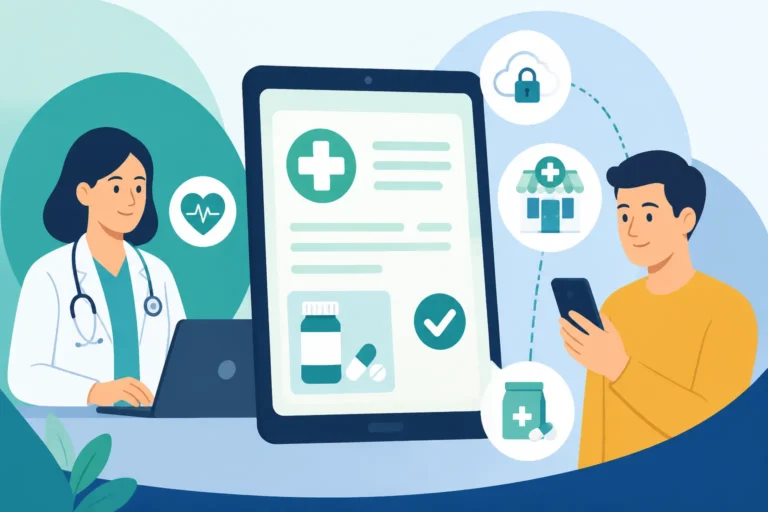
You must take this prescription to a pharmacy that has a contract with CAS. Most major chains like Catena, Dr. Max, or Dona have these contracts. When you hand over the prescription, you must also show your EHIC. The pharmacist will scan your card (or enter the details manually) and apply the discount. For more details on the logistics of this process, see Prescription Medications and Pharmacies in Romania: The Complete Guide.
Finding the Right Pharmacy in Your City
Not all pharmacies are created equal. In cities like Bucharest, you will find a pharmacy on almost every corner, but not all of them will be willing to deal with the extra paperwork involved in an EHIC transaction. It is always best to go to a larger branch of a national chain. If you are in a rush and cannot find a contract pharmacy, you will have to pay the full price.
The price of medication in Romania is generally lower than in the UK or Germany, but for chronic treatments, the costs can add up. Understanding the Electronic Prescription (Rețeta Electronică) system in Romania is helpful, though as an EHIC holder, you will often still be dealing with paper versions of these forms since you are not in the domestic electronic database.
Common Hurdles and Administrative Realities for EU Citizens
While the EHIC is a powerful tool, it is not a magic wand. Romania’s healthcare system is famously bureaucratic, and the "human element" can either make your experience seamless or incredibly frustrating. You need to go into the system with realistic expectations.
Dealing with Language Barriers in Public Spitals
Outside of the major university hospitals in Bucharest, Cluj, or Timișoara, English proficiency among administrative staff in public hospitals can be hit-or-miss. While most younger doctors speak excellent English, the "registratura" (registration desk) staff often do not. This can lead to your EHIC being refused simply because the clerk doesn't know how to enter the data into their system.
It is highly recommended to have a translation app ready or, better yet, a Romanian-speaking friend to help you navigate the initial intake. If you are staying long-term and planning to transition to the local system, you will eventually need to learn How to Get Your CNP (Personal Numeric Code) for Healthcare Access in Romania, as this number becomes the key to all digital services, including healthcare.
Why Your EHIC Isn't Always Enough (And When You Need More)
The EHIC has a massive "blind spot": it does not cover any non-medical costs. If you are seriously injured in the Carpathian Mountains and need a helicopter rescue, the EHIC will not pay for that. If you need to be flown back to your home country with a medical escort, the EHIC will not cover it. These are "repatriation" and "evacuation" costs, which are exclusively the domain of private insurance.
This is why veteran expats often carry SafetyWing even if they have an EHIC. It fills the gaps that the state-to-state agreements leave wide open. Furthermore, the EHIC does not cover the "comfort" side of medicine. If you want a private room, a specific surgeon who only works in the private sector, or dental emergencies that go beyond basic extraction, you will be paying out of pocket. For a deeper look at these gaps, Understanding Private Clinics and Medical Networks (Regina Maria, MedLife) in Romania explains why many choose to bypass the EHIC system entirely for routine care.
Handling "Co-payments" and Uncovered Services
In Romania, some services require a "coplată" (co-payment). This is a small, symbolic fee—usually between 5 and 20 Lei—charged for hospital stays or certain specialist visits. Even with an EHIC, you may be asked to pay this. Additionally, certain high-tech disposables used in surgeries might not be fully covered by the state budget at that specific moment.
Always ask for a receipt ("chitanță") for any money you pay. If you believe you were charged for something that should have been covered by the EHIC, you will need that receipt to claim a refund from your home country's health authority when you return. Navigating these costs is part of the broader experience of Understanding How CASS Contributions Fund Healthcare in Romania, which explains the financial health of the system you are using.
Strategic Planning for Long-Term Stays and Transitions
If you are in Romania for a three-week holiday, the EHIC is likely all you need. But if you are planning to stay for several months or are working remotely, the EHIC becomes a temporary "band-aid" for a situation that requires a more permanent solution.
When to Switch from EHIC to Local CASS Registration
The EHIC is intended for temporary stays. If you become a resident of Romania—meaning you spend more than 183 days a year here or you take up local employment—you are legally required to contribute to the Romanian health insurance system (CASS). At this point, your EHIC from your home country technically becomes invalid for use in Romania because you are no longer a "visitor."
The transition involves getting a residency permit and a CNP. Once you have these, you can register with a local family doctor and receive a Understanding the Electronic Health Card (Cardul de Sănătate) in Romania. This card replaces the EHIC and gives you full access to the system as a local resident. Transitioning early can save you from a situation where your home country refuses to renew your EHIC because they realize you are no longer living there.
Supplementary Options for Total Peace of Mind
For many EU citizens, the ideal setup in Romania is a "hybrid" approach. They keep their EHIC for basic public hospital access, register for the local CASS once they become residents, and maintain a flexible policy like SafetyWing for emergencies, private clinic access, and travel outside of Romania.
This three-pronged strategy ensures that you are covered for the "everyday" stuff through the public system, the "luxury" or "efficient" stuff through private clinics, and the "catastrophic" stuff (like medical evacuation) through your private insurance. It removes the stress of wondering if a specific hospital will accept your blue card and allows you to focus on enjoying the vibrant culture and stunning landscapes of Romania.
Practical Comparison: Public vs. Private Care with EHIC
To help you decide where to go when you feel a fever coming on, here is a breakdown of how the EHIC functions in different medical settings across Romania.
| Feature | Public Hospital (Spital de Stat) | Private Clinic (e.g., MedLife, Regina Maria) |
|---|---|---|
| EHIC Acceptance | High (Mandatory by law) | Low (Only if they have a CAS contract) |
| Out-of-Pocket Cost | Minimal (Co-payments only) | Full price (unless you have a subscription) |
| Wait Times | Can be long (hours or weeks) | Usually short (days or same-day) |
| Language | Romanian primary (English varies) | English widely spoken |
| Facilities | Basic, sometimes outdated | Modern, high-end equipment |
| Best For | Major emergencies, surgery | Consultations, blood tests, specialist advice |
| Red Tape | High (Requires many stamps/copies) | Low (Efficient digital systems) |
Important Notice
The information provided in this guide is for general informational purposes only and does not constitute legal or medical advice. Healthcare regulations and the acceptance of the EHIC in Romania are subject to change based on national legislation and EU directives. Always verify the current requirements with the National Health Insurance House (CNAS) or your home country's health authority before seeking treatment. Neither the author nor this publication is responsible for any medical costs incurred or issues arising from the use of the EHIC in Romania.