How Do I See a Doctor Outside of Business Hours in Romania?
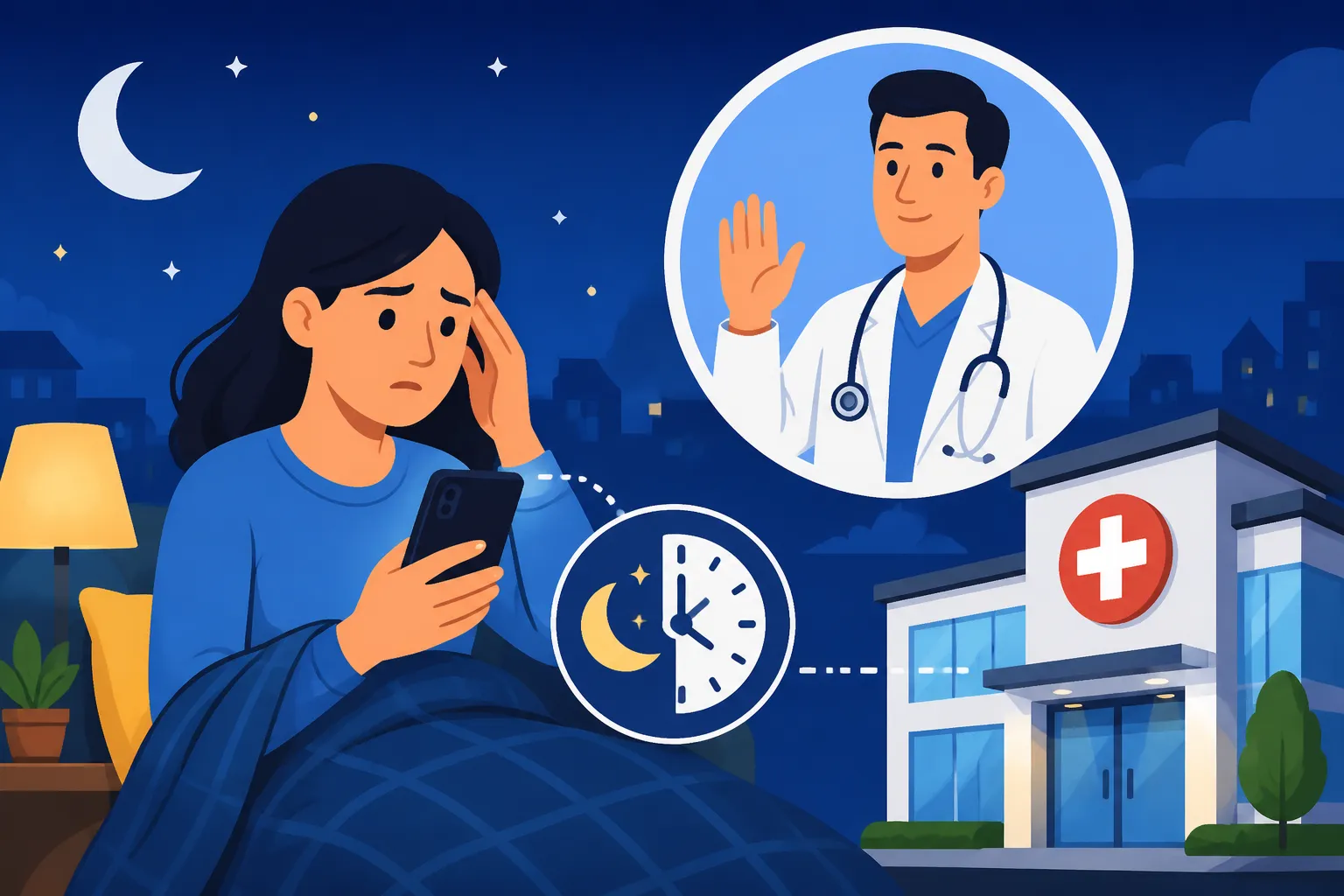
It is 11:30 PM on a Sunday in Bucharest, and you have suddenly developed a worrying fever or an agonizing toothache. Your family doctor’s office is locked, and the typical silence of a Romanian neighborhood at night makes the situation feel even more isolating. This guide explains exactly how to navigate the medical system when the sun goes down, ensuring you find the right care without unnecessary panic or administrative confusion.
Understanding the Landscape of After-Hours Care in Romania
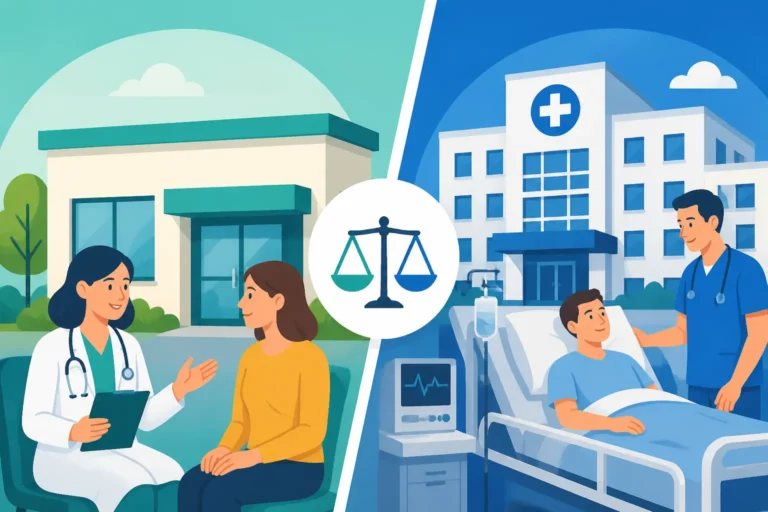
Navigating the Romanian healthcare system after 6:00 PM requires a different strategy than during the day. In the daylight hours, most of your needs are handled by your primary physician, but once they close their doors, the system splits into two distinct paths: the public emergency network and the private "non-stop" clinics. For many expats, the initial instinct is to wait until morning, but knowing when to move immediately can be life-saving.
In the public sector, the system relies on a concept called "Garda" (the shift). Hospitals are designated to be "on call" for specific specialties on certain nights. While large emergency hospitals like Floreasca in Bucharest are always open, a smaller regional hospital might only have a pediatrician or a cardiologist on duty during specific rotation windows. This is often where the first hurdle arises: showing up at a facility that technically isn't equipped for your specific ailment that night.
The private sector offers more predictability but comes with its own set of logistical challenges. Major medical providers like Regina Maria or MedLife operate 24/7 emergency rooms in larger cities like Bucharest, Cluj-Napoca, or Timișoara. However, these are not universal across the country. If you are traveling or living in a smaller town, your private options might vanish after 8:00 PM, leaving the public system as your only recourse. In these scenarios, having a reliable secondary layer of protection like SafetyWing can provide significant peace of mind, especially if you need to coordinate care that the local public infrastructure cannot immediately provide.
The Role of the Family Doctor vs. After-Hours Services
Your first point of contact is usually the person you found through The Expat Guide to Finding a Family Doctor (Medic de Familie) in Romania. However, these doctors are not required to be available 24/7. Most work in two shifts (morning or afternoon) and are unavailable during the night or weekends. They do not have "on-call" cell phones like in some other Western countries.
If you call your family doctor after hours, you will likely get a voicemail. At this point, you must decide if your condition can wait until the morning "Centru de Permanență" (Permanence Center) opens or if you need to go to a hospital. Permanence centers are small clinics designed to bridge the gap for non-emergencies, but they are fewer in number and often lack the diagnostic equipment of a full hospital.
Public Hospital Rotations and Specialized Care
In Romania, not every hospital treats every condition at all hours. This is a common point of frustration for foreigners. You might go to the nearest hospital with a broken arm only to be told that the "orthopedist on duty" is at a different facility five kilometers away. This is particularly true for pediatrics. If you have a child, you must specifically look for a "Spital de Copii" (Children's Hospital) rather than a general emergency room.
To avoid being bounced between facilities, it is helpful to check the local "Direcția de Sănătate Publică" (DSP) website or even use a localized search for "spital de gardă" followed by your city name. This will show you which facility is currently handling the emergency rotation for your specific need. If you are unsure, calling the national emergency number is the standard procedure.
Immediate Emergency Care: When to Call 112 or Visit the Spital
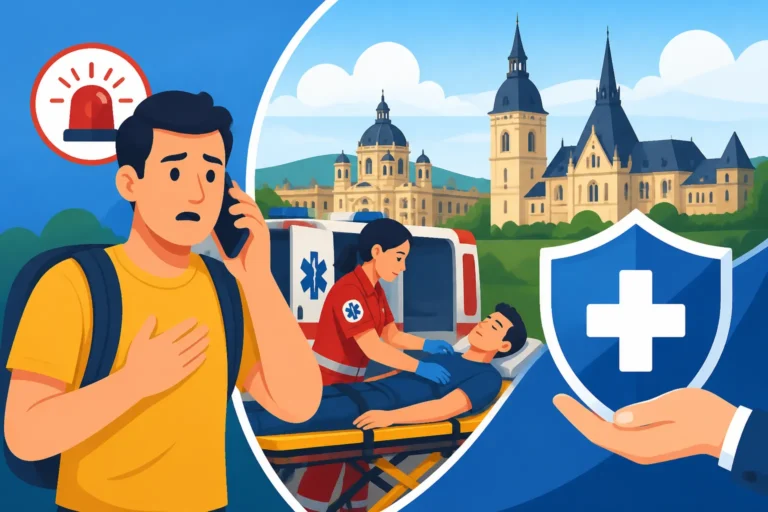
When the situation is dire—think chest pain, difficulty breathing, or severe trauma—you should not be looking for a clinic; you should be accessing the national emergency system. The number is 112, and it is the universal gateway to police, fire, and medical services. When you call, the operator will likely speak Romanian, but they are trained to transfer you to an English-speaking dispatcher if you state "English" clearly at the beginning of the call.
For most expats, the most important acronym to remember is UPU, which stands for "Unitate de Primiri Urgențe" (Emergency Reception Unit). This is the ER. Every major public hospital has one, and they are the front line for after-hours care. You should also be aware of Emergency Medical Care in Romania: What Every Expat Needs to Know to understand how the billing and triage work for foreign residents.
Navigating the Triage System (The Color Codes)
Once you arrive at a UPU, you will be triaged by a nurse. This is not a "first come, first served" system. They use color codes to determine priority:
- Red: Immediate life-threatening emergency. No waiting.
- Yellow: Severe pain or condition that could deteriorate. Short wait.
- Green: Urgent but stable. You might wait 2 to 6 hours.
- Blue/White: Non-urgent. You will wait the longest, often until all Green patients are seen.
As an expat, it is easy to feel ignored if you are sitting in the hallway for four hours with a green code. It is important to realize that the staff are not being rude; they are simply managing a high volume of patients with limited resources. If you have international coverage through SafetyWing, you might find it more efficient to head to a private emergency room where the wait times are generally shorter for non-life-threatening issues.
The SMURD Service and Ambulances
Romania has a unique and highly respected emergency service called SMURD (Serviciul Mobil de Urgență, Reanimare și Descarcerare). These are the bright red ambulances often staffed by doctors or highly trained paramedics. If you call 112, you might get a standard ambulance (Serviciul de Ambulanță) or a SMURD unit depending on the severity of the call. Both are free for emergencies, regardless of whether you have Public vs Private Healthcare in Romania: Which Should Expats Choose?.
The crews are generally very efficient, but the level of English can vary wildly. It is always helpful to have your residence permit, your CNP, and a list of any allergies written down in a place where they can easily find them. If you are a tourist, knowing Can Tourists Access Emergency Care in Romania for Free? can help you understand what to expect regarding follow-up costs after the initial stabilization.
Private Alternatives for Non-Emergencies
If your condition is uncomfortable but not life-threatening—such as a persistent ear infection or a minor allergic reaction—the public ER is probably not the best place for you. You will wait for hours and potentially occupy a space needed by someone in critical condition. In these cases, the private sector is your best friend. Major cities have private hospitals that operate 24/7, providing a much more "hotel-like" experience with English-speaking staff.
Many expats have a medical subscription provided by their employer. It is crucial to check your plan to see if "Garda" or "Urgență" is included. Not all subscriptions cover after-hours visits at no cost. For more details on this, see Understanding Private Medical Subscription (Abonament) in Romania. If your subscription doesn't cover it, you will have to pay out of pocket, and these fees can be substantial after midnight.
Telemedicine and 24/7 Call Centers
One of the most underutilized resources for expats is the private medical call center. Providers like Sanador or MedLife often have a 24/7 line where you can speak with a consultant. They can advise you whether your symptoms require an immediate hospital visit or if they can be managed at home until the morning. This is often the fastest way to get medical advice without leaving your apartment.
Furthermore, Can I Use Telemedicine Services in Romania as an Expat? is a question many ask when they are too sick to drive. Many private networks now offer video consultations even during late hours. While they cannot perform physical exams or blood tests, they can provide an "electronic prescription" that you can use at a 24-hour pharmacy. Having SafetyWing can also be beneficial here, as it can help cover costs for outpatient care that arises during these late-night sessions.
Using Private ERs (Camera de Gardă Privată)
Private emergency rooms are excellent but expensive. In Bucharest, for example, the Ponderas Academic Hospital (part of Regina Maria) or the Sanador Emergency Hospital are top-tier facilities. When you arrive, you will pay a consultation fee upfront, which is usually higher than a daytime visit.
The advantage is speed and communication. You are much more likely to find a doctor who speaks fluent English and has the time to explain the diagnosis to you. However, be aware that for very serious trauma (like a major car accident), even private hospitals might stabilize you and then transfer you to a public hospital like Floreasca, as the public system often has the most specialized equipment for extreme trauma.
| Feature | Public Emergency (UPU) | Private Emergency Room | Telemedicine |
|---|---|---|---|
| Cost | Free (for emergencies) | High Out-of-Pocket / Subscription | Moderate |
| Wait Time | 2-8 hours (non-urgent) | 30 mins – 2 hours | Immediate to 1 hour |
| English Level | Variable | Usually High | High |
| Access | 112 or Walk-in | Walk-in / Call ahead | App / Website |
| Best For | Life-threatening trauma | Sudden illness / Minor injury | Prescriptions / Advice |
Practical Tips for After-Hours Medical Needs
Finding a doctor is only half the battle. Once you have a diagnosis or a prescription, you need to execute the treatment plan. This often involves finding medication or arranging follow-up care. The logistical side of Romanian healthcare can be a bit like a scavenger hunt if you don't know the local "hacks."
One of the first things you should do is familiarize yourself with Understanding the Romanian Pharmacy (Farmacie) system and opening hours. In every major city district, there is at least one "Farmacie Non-Stop." These pharmacies do not close, but they do operate through a small window (ghiceu) after midnight for safety reasons. You ring a bell, and the pharmacist comes to the window.
Finding 24-Hour Pharmacies
In Bucharest, pharmacies like Farmacia Dona or Catena have specific branches that are designated as 24/7. You can usually find these by searching "Farmacie Non-Stop" in Google Maps. It is helpful to save the nearest one to your phone contacts. If you are in a smaller town, there might not be a 24-hour pharmacy, or there might be one that is "on call," meaning you have to call a phone number posted on the door for the pharmacist to come and open up.
Be prepared for the fact that Romanian pharmacists are quite strict about prescriptions. If your doctor gave you a digital referral, make sure you have the code or the PDF ready on your phone. For more specific location-based info, you can check What Pharmacies Are Open Late or 24 Hours in Bucharest? to see a list of the most reliable spots in the capital.
Language and Documentation
When you are in a medical situation at 2:00 AM, your ability to speak Romanian might desert you. Always carry your "Permis de Ședere" (Residence Permit) or your passport. If you are covered by the national system, you should have your "Card de Sănătate," although for emergencies, they will treat you without it as long as they can find your CNP in the system.
If you are using international insurance like SafetyWing, keep your digital insurance card accessible. Even if the hospital doesn't bill the insurance company directly, you will need the formal "Fisa de Monitorizare" (medical report) and all receipts to claim reimbursement later. Make sure you ask for these documents specifically, as sometimes in the chaos of an ER, they might forget to hand them over to a foreign patient.
Follow-Up Care and Referrals
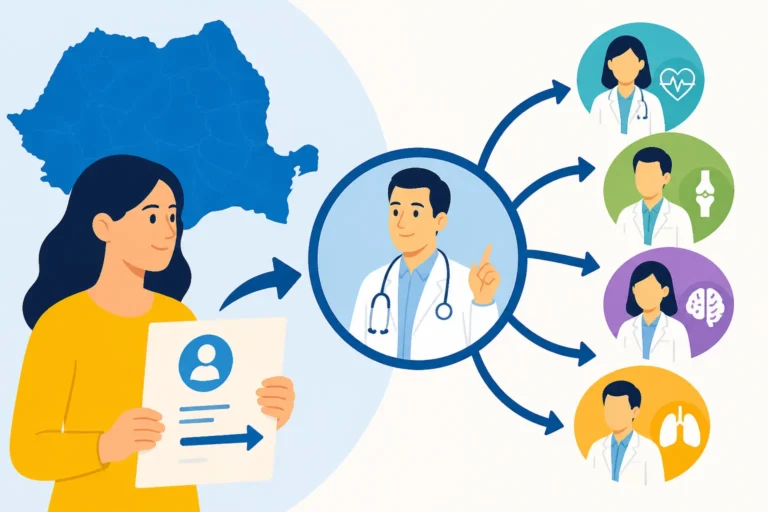
An after-hours visit is usually just a temporary fix. The ER doctor will stabilize you and then give you a "Scrisoare Medicală" (Medical Letter). This letter is vital. You must take it to your family doctor the next day to get a formal referral for a specialist or to have the incident recorded in your medical history.
Understanding How Specialist Referrals (Bilet de Trimitere) Work in Romania will help you navigate the transition from emergency care to long-term recovery. Do not lose the paperwork given to you at 3:00 AM; without it, getting follow-up care through the public system (CNAS) can be an administrative nightmare. If you had to pay for a private visit, check How to Handle a Medical Emergency Abroad with Romanian Insurance to see if any of those costs can be offset by your local contributions or your private policy.
Disclaimer
The information provided in this guide is for informational purposes only and does not constitute professional medical or legal advice. Healthcare regulations and the availability of specific medical facilities in Romania can change frequently. Always call 112 in the event of a life-threatening emergency. While we strive to keep this information up to date for 2026, we recommend verifying the current "on-call" status of hospitals and clinics through official local government or hospital websites. Any reliance on the information in this article is at the reader's own risk.