What Pharmacies Are Open Late or 24 Hours in Bucharest?
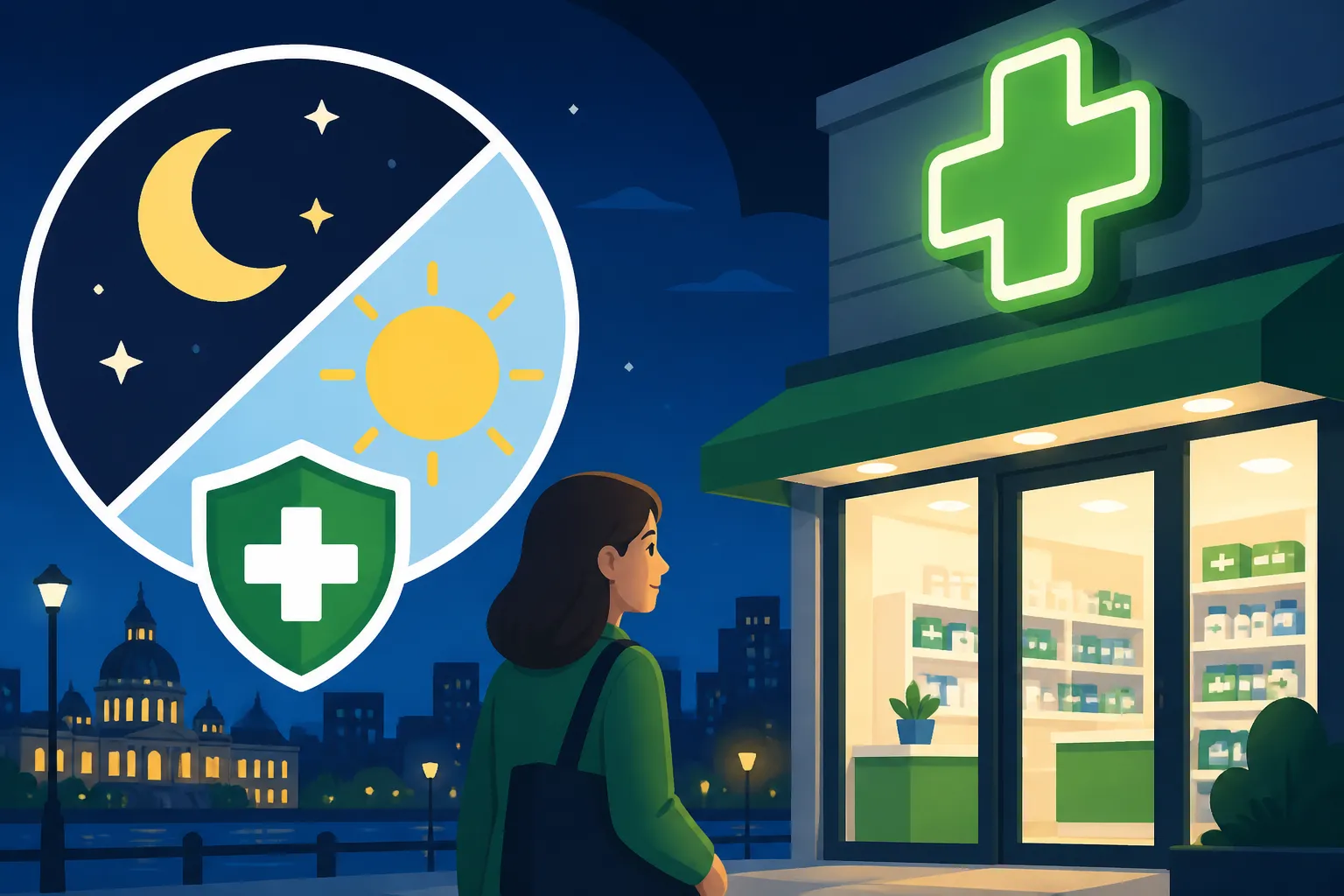
We’ve all been there: it’s the middle of the night, you or a loved one suddenly feels unwell, and you urgently need medication. In a foreign country like Romania, this already stressful situation can quickly escalate into a full-blown panic if you don’t know where to turn. This guide is dedicated to helping you navigate the sometimes-confusing world of Bucharest's pharmacies, specifically focusing on how to find those crucial late-night or 24/7 options when every minute counts.
The Landscape of After-Hours Pharmacies in Bucharest
When you first arrive in Bucharest, the sheer number of pharmacies might surprise you. They seem to be on almost every corner, often two or three within a stone's throw of each other. This is generally a good thing, as it means access to medication is usually not far away during regular business hours. However, when the clock ticks past midnight or during public holidays, the options narrow considerably, and knowing where to look becomes paramount.
Understanding "Farmacie Non-Stop" and "Farmacie de Gardă"
In Romania, the term "farmacie non-stop" literally means a non-stop pharmacy, indicating it's open 24 hours a day, seven days a week. These are your best bet for true after-hours emergencies. They are typically larger branches of major chains or standalone pharmacies in busier districts.
Then there's the concept of "farmacie de gardă," which translates to "on-call pharmacy" or "duty pharmacy." This system is more common in smaller towns, where pharmacies rotate shifts to ensure at least one is open after hours. In a big city like Bucharest, the distinction is often blurred, as many "non-stop" pharmacies effectively serve as the city's permanent "de gardă" options. You might still see signs indicating a specific pharmacy is "de gardă" for a particular period, usually posted on the door of pharmacies that aren't open late, directing you to the nearest one that is. It’s important to remember that not all pharmacies, even large ones, are non-stop, so always check before heading out.
Common Pharmacy Chains with Extended Hours
Bucharest is dominated by several large pharmacy chains, many of which have at least one or more 24/7 location. Familiarizing yourself with these names can save you precious time in an emergency. You'll frequently encounter names like:
- Catena: One of the largest chains in Romania, known for its extensive network. Many Catena locations offer extended hours, and some are indeed 24/7.
- Sensiblu: Another widespread chain, often found in shopping centers or on major boulevards. They also have dedicated non-stop locations.
- Dr. Max: A rapidly growing presence, Dr. Max pharmacies are modern and well-stocked, with several locations operating around the clock.
- Dona: Often recognized by its distinct green branding, Dona pharmacies are also a strong player in the market, with various branches offering late-night services.
- Help Net: These pharmacies are also very common and usually offer competitive prices and a good range of products. They, too, have a selection of 24/7 stores.
While these chains are excellent starting points, it’s worth noting that smaller, independent pharmacies might also occasionally operate with extended hours in specific neighborhoods, although their visibility for after-hours needs can be lower.
Locating Your Lifeline: How to Find a 24/7 or Late-Night Pharmacy in Bucharest
The urgency of needing medication late at night means you don't have time to wander aimlessly. Thankfully, Bucharest has several reliable methods for pinpointing an open pharmacy. Technology is your friend here, but knowing the local tricks helps too.
Leveraging Online Resources and Apps
The easiest and most up-to-date way to find an open pharmacy is through online maps and dedicated apps. This saves you from running around in the cold or rain, only to find a locked door.
- Google Maps (or Waze): This is usually my go-to. Simply open Google Maps on your phone and search for "farmacie non-stop București" or "24/7 pharmacy Bucharest." The map will display nearby options, often with their current opening hours clearly listed. Make sure to double-check the operating hours as listed on the map, as they can sometimes be outdated, especially for smaller pharmacies. However, for the major chains, it's usually quite accurate.
- Pharmacy Chain Websites/Apps: The big chains like Catena, Sensiblu, Dr. Max, and Dona all have websites or even mobile apps that allow you to search for locations and filter by "non-stop" or "program prelungit" (extended hours). This is often the most reliable source for their specific branches. For instance, a quick check on the Dr. Max website will typically list all their non-stop locations across Bucharest.
- Dedicated Local Health Portals: There are some Romanian health and pharmacy directories online that aim to list all "farmacii de gardă." While useful, these can sometimes be less frequently updated than the pharmacy's own sites or Google Maps. Always cross-reference if you're unsure.
Key Areas and Neighborhoods to Look In
Certain areas in Bucharest are more likely to host 24/7 pharmacies due to higher population density, proximity to hospitals, or busy commercial activity. If you're out and about or near one of these districts, you're probably in luck:
- City Center (Centrul Vechi/Universitate/Piața Romană): Areas around major squares and boulevards like Bulevardul Magheru, Piața Universității, or Piața Romană usually have at least one non-stop pharmacy. These are high-traffic zones, so services cater to the constant flow of people.
- Major Boulevards: Boulevards such as Calea Victoriei, Bulevardul Aviatorilor, Șoseaua Colentina, Calea Moșilor, Bulevardul Unirii, and Bulevardul Iancu de Hunedoara often feature non-stop locations for the major chains. These are main arteries, easily accessible by car or taxi.
- Near Hospitals: Pharmacies located close to major hospitals (e.g., Floreasca Emergency Hospital, Elias Hospital, Bagdasar-Arseni Emergency Hospital) are frequently equipped to handle after-hours needs, as they serve patients leaving the emergency room or visiting hours.
- Large Residential Areas: Densely populated districts, especially those with many apartment blocks, will usually have at least one non-stop option to serve the local community. For example, neighborhoods like Drumul Taberei, Titan, or Militari often have these essential services.
It’s a good idea, as an expat, to identify the closest 24/7 pharmacy to your home as soon as you settle in. Keep its address and perhaps phone number handy – ideally stuck to your fridge or saved in your phone’s favorites.
Navigating the Late-Night Pharmacy Experience: Practicalities for Expats
Once you've located a non-stop pharmacy, there are a few things you should be prepared for, especially if it's your first time or you're dealing with a stressful situation. Don't worry, they're generally helpful, but a little foresight goes a long way.
Services Offered and Medications Available
Late-night pharmacies in Bucharest offer the same range of services as their daytime counterparts, just at odd hours. You can expect to find:
- Prescription Medications: This is often the primary reason for a late-night visit. If you have a doctor's prescription (rețetă electronică), be sure to bring it. For more on this, you can check out guides like Understanding the Electronic Prescription Rețeta Electronică System in Romania and How to Use an Electronic Prescription at a Pharmacy in Romania?.
- Over-the-Counter (OTC) Drugs: Painkillers (like paracetamol or ibuprofen), fever reducers, cough syrups, cold and flu remedies, and basic stomach medicines are always available.
- Basic Medical Supplies: Bandages, antiseptic wipes, sterile gauze, thermometers, and sometimes even basic splints can be found.
- Baby Products: Formula, diapers, and other urgent baby necessities.
- Hygiene Products: Basic toiletries if you're truly in a bind.
Keep in mind that while the selection is usually comprehensive, specific niche medications might not be stocked in every single branch, especially if it's a less common drug. In such cases, the pharmacist might be able to recommend an equivalent or direct you to a larger hospital pharmacy.
Payment and Costs
Payment is straightforward. Most pharmacies accept both cash (Romanian Lei) and card payments (Visa, Mastercard). It’s always a good idea to have some cash on hand, just in case, or if you prefer to avoid minimum card transaction limits in smaller places (though this is rare at major non-stop pharmacies).
As for costs, medications in Romania are generally quite affordable, especially compared to Western European or North American prices. The price of a prescription drug will be the same regardless of whether you buy it at 3 PM or 3 AM. However, some OTC items might feel a bit pricier than what you're used to. If you're covered by the public health insurance system, CASS, or have private health insurance, make sure to present your health card or policy details for prescription medications, as this can affect the cost you pay at the counter. For general information on expenses, take a look at Are Prescription Medications Expensive in Romania?.
Overcoming Language Barriers
This is often the biggest hurdle for expats in any emergency. While many pharmacists in Bucharest, especially in larger chains and central areas, speak at least some English, it's not guaranteed, particularly late at night when staffing might be minimal.
Here are a few strategies:
- Be Prepared: If possible, write down the name of the medication you need (generic name is best) or the symptoms you are experiencing. Use simple, clear language.
- Translation Apps: Have Google Translate or a similar app ready on your phone. Even showing the translation of a few key phrases can make a huge difference.
- Show, Don't Just Tell: If you have an empty box of the medication you need, bring it. If it's a visible symptom, try to describe or point to it (e.g., a rash, a swollen area).
- Call for Help: If you’re really struggling, don’t hesitate to call a Romanian-speaking friend or even a local taxi driver to put them on the phone with the pharmacist for a quick translation.
- Consider a Private Clinic Network: If you anticipate frequent after-hours needs or have specific medical conditions, understanding how private medical networks like Regina Maria or MedLife operate can be beneficial, as their pharmacies and clinics often have English-speaking staff. You might also find it useful to know How to Find an English-Speaking Doctor in Romania.
Proactive Steps and Emergency Preparedness for Expats
Being an expat often means preparing for the unexpected. While finding a late-night pharmacy is manageable, having a few things sorted beforehand can really ease the stress when an emergency strikes.
Stocking Your Own Basic Medical Kit
Before you even step out the door, having a well-stocked first-aid kit at home is crucial. This is particularly true for expats, as you might not immediately recognize local brands or know which over-the-counter options correspond to what you'd use back home.
Your home medical kit should include:
- Painkillers and Fever Reducers: Paracetamol (Acetaminofen) and Ibuprofen are widely available.
- Antihistamines: For allergies or insect bites.
- Antiseptic Wipes and Cream: For minor cuts and scrapes.
- Bandages and Plasters: Various sizes.
- Stomach Remedies: Antacids, anti-diarrhea medication.
- Cold and Flu Remedies: Decongestants, cough drops.
- Personal Prescription Medications: Always have at least a week's extra supply of any critical prescription medication. For a deeper dive into managing your health, consider reading The Complete Guide to Healthcare in Romania for Expats (2027).
- Important Contact Information: Keep your family doctor's number, your health insurance details (especially if you have travel insurance like SafetyWing), and the emergency number (112) clearly visible.
Understanding Your Health Insurance Coverage
It's vital to understand what your health insurance covers when you need medication. If you're contributing to the public health system (CASS), many prescription medications are subsidized or fully covered, but you'll need a valid prescription from a Romanian doctor. For more details on CASS, refer to Registering for Public Health Insurance (CASS) in Romania (2027).
If you rely on private health insurance, either local or international, check its policy regarding prescription drug reimbursement. Some plans require you to pay upfront and then claim reimbursement, while others might have direct billing arrangements with certain pharmacy networks. For those who are new to Romania or traveling, a flexible travel medical insurance like SafetyWing can offer a safety net for emergency medical needs, including unforeseen medication costs, especially before your local insurance kicks in or for short-term stays. It's a pragmatic choice for the interim.
Emergency Contact Information and Language Aids
Beyond knowing where the pharmacies are, having a robust emergency plan is key.
- Emergency Numbers: The universal emergency number in Romania is 112 for ambulance, fire, and police. If you face a severe medical emergency, this should be your first call. Knowing What Is the Emergency Phone Number in Romania? is non-negotiable.
- Local Contacts: Have the phone numbers of trusted Romanian-speaking friends, colleagues, or even your landlord saved in your phone. They can be invaluable for making calls, explaining symptoms, or translating.
- Medical Glossary: Keep a small list of basic medical terms and symptoms in Romanian in your wallet or on your phone. Words like "dureri" (pain), "febră" (fever), "greață" (nausea), "tuse" (cough), "alergie" (allergy), and the names of any chronic conditions you have will be immensely helpful.
Table of Prominent 24/7 Pharmacy Chains in Bucharest
To give you a quick reference, here’s a table outlining some of the major pharmacy chains that reliably offer 24/7 locations in Bucharest. While specific addresses can change, these are good names to look for when searching online.
| Pharmacy Chain | Typical Presence in Bucharest | Key Features | Online Search Term |
|---|---|---|---|
| Catena | Widespread, many locations including major boulevards and residential areas. | Largest chain, good stock levels, often multiple 24/7 branches across sectors. | Catena non-stop București |
| Sensiblu | Common in shopping centers and high-traffic areas. | Modern pharmacies, often with beauty products alongside medication, several dedicated 24/7 stores. | Sensiblu non-stop București |
| Dr. Max | Growing rapidly, present in various neighborhoods and commercial hubs. | Competitive pricing, wide product range, a strong focus on self-medication advice. | Dr. Max non-stop București |
| Dona | Recognizable green branding, found across various districts. | Good customer service, often has promotions, and reliable 24/7 availability in key locations. | Dona non-stop București |
| Help Net | Broad coverage, including both central and peripheral areas. | Focus on health advice, good selection of dietary supplements, several non-stop options strategically placed. | Help Net non-stop București |
It's always recommended to check a specific chain's website or Google Maps for the nearest and most up-to-date 24/7 location to your current position.
Conclusion: Staying Prepared and Informed
Finding an open pharmacy in Bucharest late at night is definitely manageable, but it requires a bit of foresight and knowing where to look. While the initial anxiety of an unexpected illness in a foreign country is real, remember that Romania has a functional healthcare system with readily available pharmaceutical services. By familiarizing yourself with the major chains, using online tools, understanding basic emergency protocols, and having a reliable travel insurance option like SafetyWing in place for emergencies, you can face those midnight medication runs with much more confidence. Stay informed, stay prepared, and don't let a minor medical hiccup turn into a major expat crisis.
Disclaimer
The information provided in this guide is for general informational purposes only and does not constitute medical or legal advice. While we strive to keep the information up-to-date and accurate, pharmacy operating hours and regulations in Romania can change. Always verify current details with official sources or directly with the pharmacies themselves. In case of a medical emergency, please seek immediate professional medical attention or call 112.