How to Access Mental Health Services in Romania as an Expat
Moving to a new country is an exhilarating adventure, but the reality of navigating a foreign bureaucracy while battling the "expat blues" or chronic anxiety can be overwhelming. This guide is designed to dismantle the confusion surrounding mental health services in Romania, offering clear pathways to professional support through public insurance, private clinics, and emergency channels, ensuring you never have to face psychological struggles alone in your new home.
Understanding the Romanian Mental Health Landscape
The mental health system in Romania is currently in a state of significant transition. Historically, mental health was a secondary priority in the post-communist era, often shrouded in social stigma. However, the last decade has seen a massive shift. Major cities like Bucharest, Cluj-Napoca, and Timișoara have become hubs for modern, evidence-based psychological practice. For an expat, the landscape is divided into two primary spheres: the public system (decent but bureaucratic) and the private sector (efficient but out-of-pocket or insurance-dependent).
In the public sector, services are funded through the National Health Insurance House (CNAS). If you are working locally or are a resident paying social contributions, you have a right to these services. The private sector, however, is where most expats find the specialized, English-speaking care they need. Large medical networks have integrated mental health departments that feel much more like the clinics you might find in Western Europe or North America. Navigating these two requires understanding Navigating the Romanian Healthcare System: An Expat's Roadmap (2027) to ensure you aren't caught off guard by administrative requirements.
Cultural perceptions are also changing. While older generations might still view therapy with skepticism, the younger, urban Romanian population treats mental wellness with the same importance as physical health. This means you will find a vibrant community of therapists, though you may still encounter some "old-school" attitudes in smaller provincial towns or within the public hospital system.
The Public System and CNAS Coverage
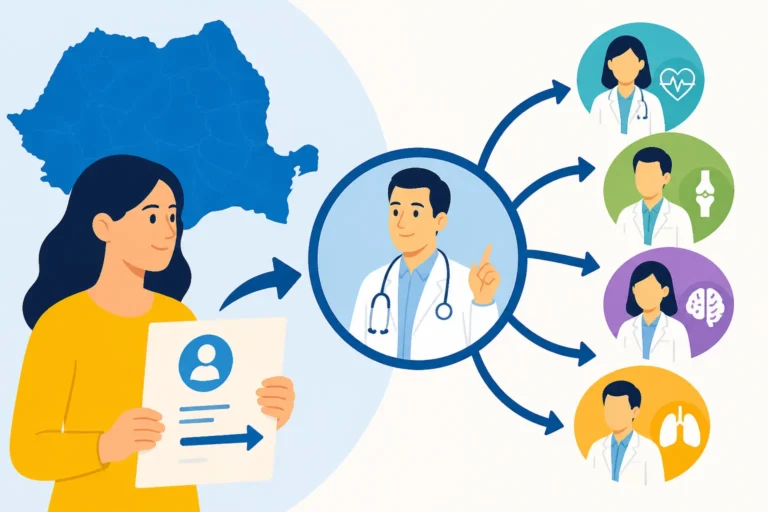
If you are legally employed or have a residence permit that includes health contributions, you are part of the public system. To access mental health care here, your journey starts with your "Medic de Familie" (Family Doctor). This is a non-negotiable step in the public route. Your doctor will issue a "Bilet de Trimitere" (referral) which allows you to see a psychiatrist or clinical psychologist who has a contract with the state insurance.
The challenge with the public system is twofold: the wait times can be long, and the number of sessions covered by the state is often limited. Typically, you might get a few subsidized sessions, but for long-term psychotherapy, the state system often falls short. Furthermore, finding a public-sector psychiatrist who is fully comfortable conducting deep emotional work in English can be a gamble. If you are just starting your residency, you should look into How to Get Your CNP (Personal Numeric Code) for Healthcare Access in Romania as this is the golden key to the public health gate.
The Private Sector and "Abonament" Subscriptions
Most expats opt for private care because of the ease of booking and the higher likelihood of finding English-speaking professionals. Many large companies provide their employees with a medical "abonament" (subscription) to networks like Regina Maria or MedLife. These subscriptions often include a set number of discounted or free psychiatric consultations and, occasionally, limited discounts on psychotherapy.
The private sector is where you’ll find the most "expat-friendly" environments. These clinics are modern, often have call centers with English speakers, and allow you to book appointments via mobile apps. However, even with an abonament, psychotherapy (talk therapy) is frequently treated differently than psychiatry (medical/prescriptive care). You might find that while the psychiatrist visit is covered, the weekly therapy sessions are not. This is where having comprehensive travel or expat insurance like SafetyWing can be a lifesaver, especially if your mental health needs arise from an acute crisis or accident while you are still settling in.
Finding an English-Speaking Professional
The search for a therapist who truly "gets" the expat experience can be a daunting task. In Romania, the distinction between a psychiatrist (a medical doctor who prescribes medication) and a psychologist/psychotherapist (who provides talk therapy) is strictly maintained. For many expats, the primary hurdle is language. While many younger doctors speak English, the nuances of mental health require a high level of fluency to feel truly understood.
To start your search, I recommend looking at How to Find an English-Speaking Doctor in Romania. Beyond general practitioners, specialized platforms like "I’m Fine" or "Hedepy" have gained popularity in Romania, connecting patients with therapists who offer remote or in-person sessions in multiple languages. In cities like Bucharest, there is a high concentration of therapists who have studied abroad and are specifically trained in culturally sensitive care for foreigners.
Major Private Networks and Mental Health Departments
The "big players" in Romanian healthcare—Regina Maria, MedLife, and Sanador—all have robust psychiatric departments. These clinics are often the safest bet for expats who are still learning their way around. You can call their central switchboard and specifically ask for an English-speaking psychiatrist. For a deeper look at these providers, check out Understanding Private Clinics and Medical Networks (Regina Maria, MedLife) in Romania.
Within these networks, you will find "Policlinică" settings where multiple specialists work under one roof. This is convenient if your mental health concerns are linked to physical symptoms, such as thyroid issues or chronic pain. The downside is that these environments can sometimes feel a bit "industrial." If you are looking for a more intimate, long-term therapeutic relationship, you might prefer an independent cabinet (private practice) rather than a large corporate clinic.
Independent Practices and Online Therapy
There is a growing trend of independent psychotherapists in Romania who operate out of beautiful, quiet offices in old villas in central Bucharest or Cluj. These professionals often list their services on international directories like Psychology Today or local sites like la-psiholog.ro. When searching these sites, use the filter for "Limba Engleză" (English language).
Online therapy has also become a standard. For expats living in more remote parts of Transylvania or the Danube Delta, connecting with a therapist in Bucharest or even back in your home country via Zoom is a perfectly viable and common option. Just be aware that if you need psychiatric medication, a remote therapist from another country cannot issue a Romanian prescription. You will still need a local psychiatrist for that. For those who travel frequently or are digital nomads, a plan from SafetyWing often provides the necessary flexibility, covering you as you move between regions or countries while maintaining your health stability.
Administrative Steps to Accessing Care
The Romanian medical system loves its paperwork. Even when seeking help for your mind, you cannot escape the stamps and signatures. Understanding the "how-to" is just as important as the "who." If you are trying to use the public system, the process is linear but rigid. If you are going private, it is flexible but requires careful financial tracking.
One of the first things you will need is your residence document. Without it, you are essentially a tourist, and your options are limited to full-price private care. For those who are new, understanding How Long Does It Take to Get Health Insurance as a New Resident in Romania will help you manage your expectations during the first few months of your move.
The Referral System (Bilet de Trimitere)
To get a subsidized appointment in the public system, you must visit your family doctor first. You tell them you are struggling with your mental health, and they will print a "Bilet de Trimitere." This paper is valid for 30 to 90 days depending on the diagnosis. You then take this paper to a psychiatrist who has a contract with the CNAS.
It is vital to know that not all private psychiatrists accept these state referrals. When you call a clinic, you must specifically ask: "Aveți contract cu Casa de Asigurări?" (Do you have a contract with the Insurance House?). If the answer is no, you will have to pay the full consultation fee, which can range from 200 to 500 RON. For more on this administrative dance, read How Specialist Referrals (Bilet de Trimitere) Work in Romania.
Using Private Health Insurance for Mental Health
If you have private insurance, the process is usually "pay and claim" or "direct billing." Direct billing is common with local insurers (like Allianz or Groupama) at specific partner clinics. If you are using international expat insurance, you will likely pay the clinic upfront, get a detailed invoice ("factură") and a medical report, and then submit them for reimbursement.
Invoices must be very specific. Ensure they include your name, CNP (if you have one), the doctor’s stamp (parafă), and a clear description of the service provided. For expats who are still in the "gap" period—perhaps waiting for a work permit or residency card—having a SafetyWing policy can act as a crucial safety net for unexpected mental health crises that might arise from the stress of relocation. This type of coverage is often much more straightforward for foreigners to navigate than the local Romanian bureaucracy.
Emergency Mental Health Support in Romania
If you or someone you know is in an immediate mental health crisis, the procedures in Romania are similar to the rest of the EU, but with some local specificities. You should not hesitate to seek help, even if you are worried about the language barrier. In life-threatening situations, the priority is stabilization.
For general emergencies, the number is always 112. The operators usually speak English or can quickly transfer you to someone who does. If you are dealing with a psychiatric emergency, an ambulance will likely take you to the nearest emergency hospital or a specialized psychiatric unit. You should familiarize yourself with Emergency Medical Care in Romania: What Every Expat Needs to Know before a crisis occurs.
Crisis Hotlines and Immediate Support
Romania has several helplines, though English support is not always guaranteed 24/7.
- 112: The general emergency number for any life-threatening crisis.
- Telverde Antisuicid: 0800 801 200 (usually available in the evenings and weekends).
- DepreHUB: 037 445 6420 (a 24/7 helpline for anxiety and depression).
If you are a student, many universities like the University of Bucharest or Babeș-Bolyai have their own counseling centers. For working expats, your first point of contact should be your HR department to see if they offer an Employee Assistance Program (EAP), which often includes a 24/7 crisis line in English.
Psychiatric Hospitals (Spitalul de Psihiatrie)
In Bucharest, the "Prof. Dr. Alexandru Obregia" Clinical Hospital is the largest and most well-known psychiatric facility. While the building itself may look imposing and "old-school," it houses some of the country’s best specialists. In an emergency, you will be seen in the "Garda" (Emergency Room) of the hospital.
Being admitted to a public psychiatric hospital as an expat can be a cultural shock. The facilities are often basic, and privacy may be limited. If you have the means or insurance, you might prefer a private inpatient facility, though these are fewer in number and significantly more expensive. In these high-stress moments, knowing Understanding Hospital Care at a Romanian Spital can help you navigate the ward rules and patient rights.
Costs and Budgeting for Care
How much should you set aside for your mental well-being in Romania? Compared to the US or UK, private care in Romania is relatively affordable, but it can still add up if you are attending weekly sessions. Public care is "free" (covered by your taxes), but the hidden costs of time and potential lack of English-speaking providers often make private care the more popular choice for the expat community.
For a realistic look at your monthly expenses, consult The Cost of Healthcare in Romania: A Complete Breakdown for Foreigners (2026). Mental health costs vary by city, with Bucharest being the most expensive and cities like Iași or Brașov being slightly more affordable.
Comparative Table: Public vs. Private Mental Health Services
| Feature | Public System (CNAS) | Private Clinic / Independent |
|---|---|---|
| Cost | Free (with referral) | 200 – 600 RON per session |
| Wait Time | 2 – 6 weeks | 1 – 5 days |
| English Proficiency | Variable / Low | Usually High |
| Session Length | Often 15-20 mins (Psychiatry) | 45-60 mins (Psychotherapy) |
| Medication | Subsidized / Free | Full Price (unless insured) |
| Anonymity | Record linked to CNP | High / Private |
Budgeting for Long-term Therapy
If you decide to see a private psychotherapist once a week, you should budget between 800 and 1,500 RON per month. Many therapists offer a "sliding scale" for students or those in financial difficulty, but this is less common for expats who are perceived to have higher incomes.
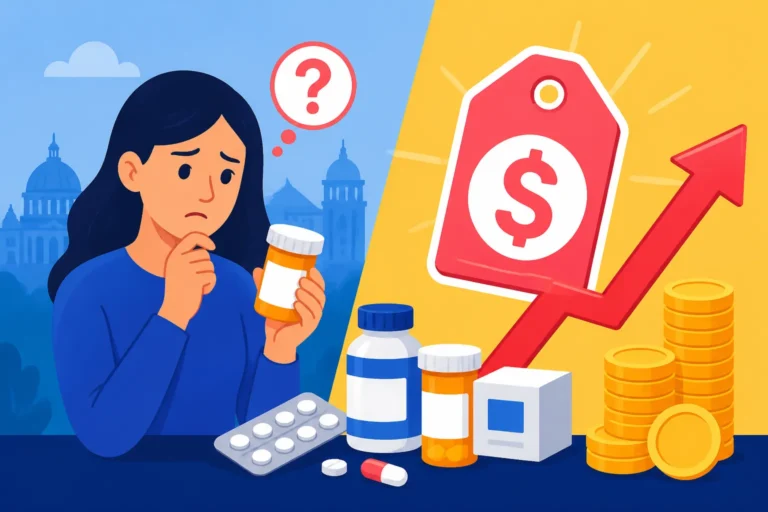
If you require medication, the cost is generally low for generic drugs but can be high for brand-name antidepressants or antipsychotics. If your psychiatrist gives you a "Rețetă Compensată" (subsidized prescription), you can get these for a fraction of the price at any major pharmacy like Catena or Dr. Max. Make sure to read Prescription Medications and Pharmacies in Romania: The Complete Guide to understand how to claim these discounts. For digital nomads or those on short-term contracts, SafetyWing's medical coverage can often assist with the costs associated with new prescriptions or psychiatric consultations following an acute onset of symptoms.
Cultural Nuances and Expat-Specific Challenges
One thing no one tells you about moving to Romania is the "three-month wall." Usually, after ninety days, the honeymoon phase ends, and the reality of the grey winter or the aggressive traffic starts to grate on your nerves. Mental health struggles for expats in Romania often stem from a sense of isolation or the "language barrier fatigue."
It is important to find a therapist who understands "acculturation stress." This is a specific type of psychological pressure that comes from trying to fit into a new culture while losing your old support network. Don't be surprised if your therapist asks a lot of questions about your life back home; they are trying to map out your resilience factors.
The Stigma Factor
While the urban elite in Romania is very open to therapy, you might find that your Romanian colleagues or landlord have a different view. There is a lingering sentiment that one only goes to a psychiatrist if they are "nebun" (crazy). Because of this, many people prefer to keep their therapy attendance private.
This stigma is fading fast, but it is something to be aware of when discussing your health with locals. Fortunately, the confidentiality laws in Romania are strict, and your medical records are protected. If you are worried about how your employer might view your mental health, you should check Understanding Romanian Employment Contracts and Worker Rights (2027) to understand your protections regarding sick leave and medical privacy.
Building a Local Support System
Therapy is only one piece of the puzzle. To stay mentally healthy in Romania, you need a tribe. Join expat groups on Facebook (like "Expats in Bucharest"), attend "InterNations" events, or find a hobby group. Romanians are incredibly warm and welcoming once you break the initial ice.
If you are feeling lonely, don't underestimate the power of a "Medic de Familie" who actually listens. Having a consistent point of contact in the medical system can make you feel much more secure. You can find tips on this in The Expat Guide to Finding a Family Doctor (Medic de Familie) in Romania. Often, these doctors can recommend "under the radar" therapists who are excellent but don't advertise heavily online.
Medication and Pharmacy Logistics
If you arrive in Romania with a prescription from your home country, you cannot simply walk into a "Farmacie" and get a refill. Romanian pharmacists are very strict about psychiatric medications (sedatives, antidepressants, etc.), which are classified as "regim special."
You will need to see a local psychiatrist to have your foreign prescription converted into a Romanian one. Bring your medical records and the original packaging of your medication to your first appointment. This makes the transition much smoother. For more details on this process, see How Do I Use an Electronic Prescription at a Pharmacy in Romania?.
Availability of Medications
Most standard psychiatric medications are available in Romania. Brands like Zoloft, Lexapro, or Xanax are common, though they may go by different trade names or have generic versions. If you are on a very specific or new medication, it is worth checking with a major pharmacy chain (like Tei or Dona) to see if they stock it before you move.
Be aware that ADHD medications (like Adderall or Ritalin) are very strictly regulated in Romania and can be difficult to source or prescribe. You will definitely need a specialized psychiatrist and a clear diagnostic file to access these. If you are a digital nomad moving through the country, having insurance like SafetyWing is vital for the medical consultations needed to bridge these prescription gaps, as they understand the mobile nature of your life.
Frequently Asked Questions
Can I get therapy for free in Romania?
Yes, but only if you are an insured resident, have a referral from a family doctor, and find a therapist with a CNAS contract. Even then, the number of sessions is usually quite limited.
Is online therapy a better option for expats?
It depends on your needs. For talk therapy, online is great for language consistency. For medication management, you must see a local doctor.
What if I don’t have a CNP yet?
You can still access private care as a "cash patient." You will pay the full price, but you will not be denied treatment. For emergencies, hospitals must stabilize you regardless of your CNP status. Check Can I Get Treatment in Romania Without a CNP? for more details.
Are there English-speaking support groups?
Yes, especially in Bucharest. Look for "AA" (Alcoholics Anonymous) groups or general expat wellness meetups on platforms like Meetup.com.
Disclaimer
This guide is for informational purposes only and does not constitute medical or legal advice. Mental health laws and healthcare regulations in Romania can change. Always consult with a licensed medical professional or a legal expert regarding your specific situation. If you are in a life-threatening crisis, please call 112 immediately or go to the nearest emergency room.