Emergency Medical Care in Romania: What Every Expat Needs to Know
Imagine waking up at 3:00 AM in a quiet apartment in Bucharest or a remote villa in Transylvania with a sudden, sharp pain in your chest or a child with a dangerously high fever. The initial panic is often followed by a wave of administrative dread: Who do I call? Will they speak English? Will I be turned away without a Romanian ID? This guide is designed to dismantle those fears by providing a clear, step-by-step roadmap to navigating emergency medical care in Romania, ensuring you know exactly what to do when every second counts.
The Romanian Emergency System: Calling 112 and SMURD
When you find yourself in a crisis, the first thing you need to know is the number 112. This is the universal emergency number in Romania, much like 911 in the United States or 999 in the UK. When you dial 112, you are connected to a centralized dispatcher who can coordinate police, fire, and medical services. As an expat, your biggest fear might be the language barrier. While most dispatchers in major cities like Bucharest, Cluj, or Timișoara speak English, the stress of the moment can make communication difficult. It is vital to stay calm, speak clearly, and immediately state that you are a foreigner who speaks English.
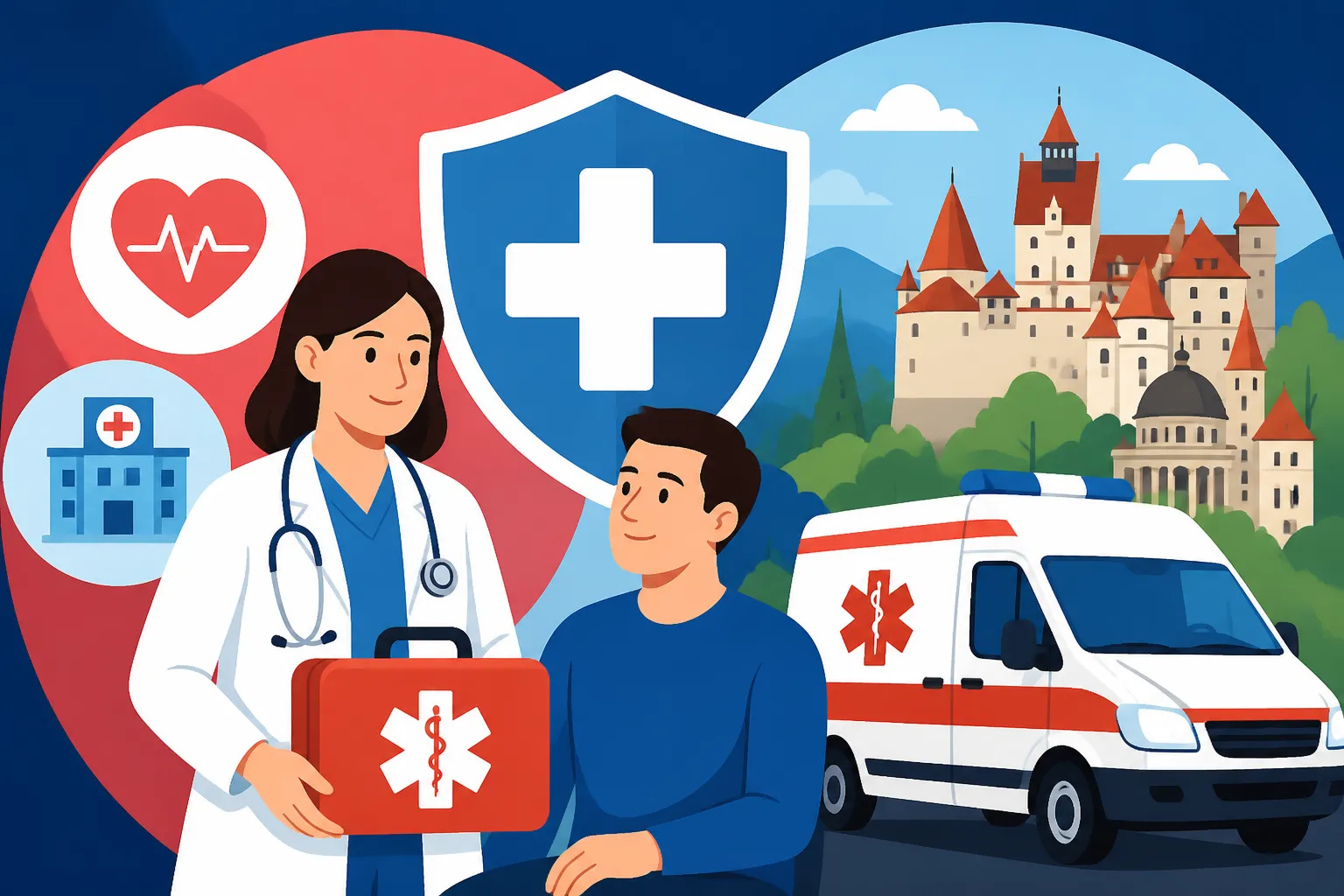
One of the unique and highly respected features of the Romanian system is SMURD (Serviciul Mobil de Urgență, Reanimare și Descarcerare). You will recognize them by their distinct red ambulances and, in some cases, helicopters. SMURD is a specialized emergency rescue service that handles the most critical, life-threatening situations, such as major accidents, heart attacks, or respiratory failure. They are often faster and better equipped for high-stakes stabilization than the standard "Ambulanță" service, which typically handles less critical medical transports. Knowing the difference helps set your expectations for who shows up at your door.
For more technical details on the infrastructure behind these calls, you might want to look into Emergency Numbers (112) and the SMURD Service in Romania to understand how the dispatch logic works. In my experience, the 112 operators are incredibly efficient, but they will ask a lot of questions. Do not get frustrated; they are triaging your situation while the ambulance is likely already being dispatched. Have your address ready, and if you are in a large apartment complex with a "block" and "entry" (scară) system, make sure you know how to explain those specific details to the operator.
What to Expect When You Dial 112
When the operator answers, they will usually say "112, ce urgență aveți?" (112, what is your emergency?). If you don't speak Romanian, say "English, please" immediately. They will transfer you or continue in English if they are proficient. They will ask for your location, your phone number, and the nature of the medical problem. Be prepared to describe symptoms precisely. For instance, instead of saying "I feel sick," say "I have severe abdominal pain on the right side and a fever of 39 degrees." This level of detail determines whether a standard ambulance or a high-intensity SMURD unit is sent.
A common scenario for expats is calling for a friend or family member who is unconscious or unable to speak. In these cases, the dispatcher will guide you through basic life support over the phone. It is a rigorous process, and they will stay on the line until the sirens are at your gate. I remember a friend who had to call 112 for a severe allergic reaction; the operator talked him through using an EpiPen while tracking the ambulance in real-time. It is a highly professional service that stands up well against any other European system.
The Difference Between SMURD and the Regular Ambulance
The standard "Ambulanță" service is staffed by doctors, nurses, and drivers who are trained in general medical emergencies. They are the backbone of the system and handle the majority of calls. They are perfect for situations that are urgent but not necessarily "five minutes from death." SMURD, on the other hand, is part of the Emergency Situations Inspectorate (ISU). Their teams often include highly specialized emergency physicians and paramedics who are trained for "extrication" and complex field stabilization.
If a red SMURD van arrives, you are in the hands of the elite. If a white ambulance arrives, you are still receiving professional care, but the level of intervention might be slightly different. Both will take you to a public hospital's emergency department (UPU). You can find more context on this in our article about What Is the Emergency Phone Number in Romania? to ensure you have all the local variations saved in your phone. Regardless of which unit arrives, they will ask for your ID or passport, but they will never delay life-saving treatment over paperwork.
Public vs. Private Emergency Rooms: The UPU Experience
Once you arrive at the hospital, you will be taken to the UPU (Unitate de Primiri Urgențe). This is the Romanian equivalent of an ER or A&E. Most major public hospitals have a UPU, and they are the only places equipped to handle major trauma, strokes, or complex surgical emergencies. Private hospitals do have "emergency rooms," but they are often limited in scope. If you have a broken leg or a deep cut, a private clinic might be faster and more comfortable. However, for a major car accident or a heart attack, the public UPU at a place like Spitalul Floreasca in Bucharest is where you want to be.
The atmosphere in a public UPU can be jarring for those used to the sleek, quiet halls of Western private clinics. They are often crowded, noisy, and look somewhat dated. However, do not let the aesthetics fool you. The doctors working in these units are some of the most experienced in the country, often dealing with a volume and variety of cases that their private sector counterparts rarely see. The trade-off for this expertise is a lack of "bedside manner" and a high-stress environment where you are triaged strictly by the severity of your condition, not the order of your arrival.
Navigating the Triage System
In a Romanian UPU, triage is color-coded. You will be assigned a color based on your vitals and symptoms. Red means immediate life-threatening danger; you will be seen instantly. Yellow means urgent, usually within 15-30 minutes. Green is for stable patients who need diagnostics but aren't in immediate danger. Blue and White are for non-emergencies. As an expat, if you show up with a "Green" status, be prepared to wait. People can wait six to eight hours in the UPU for non-life-threatening issues because a major accident brought in five "Red" cases at once.
During this wait, you might feel neglected, but the system is working as intended. If you want a more comfortable experience for those "Green" or "Yellow" situations, you might look into Public vs Private Healthcare in Romania: Which Should Expats Choose? to weigh the pros and cons. If you are a digital nomad or just visiting, having a plan like SafetyWing can be a lifesaver, as it allows you to opt for private emergency clinics where the wait times are significantly shorter for minor emergencies like food poisoning or minor fractures.
Private Emergency Alternatives
For those who prefer a more organized environment and speak limited Romanian, private networks like Regina Maria, MedLife, or Sanador offer emergency services. These are excellent for pediatric fevers, minor injuries, or sudden illnesses that don't require the heavy machinery of a public trauma center. The facilities are modern, the staff almost always speaks fluent English, and the administration is much more streamlined. However, these services are not free, and they will expect payment or proof of private insurance upfront.
If you are using a service like SafetyWing, you can often get reimbursed for these private visits, making the cost almost negligible compared to the comfort you receive. It is important to check which private clinics near you have 24/7 emergency rooms. In Bucharest, Sanador and Ponderas are well-known for their emergency capabilities. In Cluj, MedLife has robust facilities. Just remember: if it’s a truly life-threatening emergency involving the 112 system, you are going to a public hospital, as the law requires ambulances to take patients to the nearest state-run UPU.
Costs and Insurance Coverage for Emergency Care
One of the most common questions from the expat community is: "Will I get a bill for emergency care?" In Romania, emergency medical care is considered a fundamental right. By law, any person on Romanian territory—citizen, resident, or tourist—is entitled to life-saving stabilization in a public hospital free of charge. This means that if you are rushed to the ER with a life-threatening condition, the doctors will treat you regardless of whether you have a CNP (Personal Numeric Code) or public health insurance (CASS).
However, "emergency care" has a specific legal definition. It covers the stabilization phase. Once the immediate threat to life is over and you are admitted to a ward for long-term recovery, the hospital will start asking about your insurance status. If you are not registered with the public system, you could be billed for the subsequent days spent in the hospital. This is where many foreigners get caught off guard. For a deeper dive into the administrative side of this, read The Complete Guide to Healthcare in Romania for Expats (2027) to understand where "emergency" ends and "elective" begins.
Emergency Care for the Uninsured
If you are an expat who hasn't yet received their residency permit or CNP, you are technically uninsured in the eyes of the Romanian state. As mentioned, the UPU visit itself is free, but the tests, medications, and room costs for a week-long stay are not. Public hospitals are increasingly efficient at billing non-residents. The rates are much lower than in the US, but they can still reach several thousand Euros for complex cases. For those in the middle of their relocation, it is essential to have a gap-filling solution.
SafetyWing is a popular choice for expats in this transition phase because it specifically covers emergency medical expenses for those who aren't yet fully integrated into a local public system. Having SafetyWing means that if a public hospital tries to bill you for an extended stay, you have the financial backing to cover it. It’s also useful if you decide to transfer from a public hospital to a private one once you are stabilized, as private hospitals will almost never admit you without a deposit or a direct billing agreement with an insurer.
The Role of CASS and EHIC
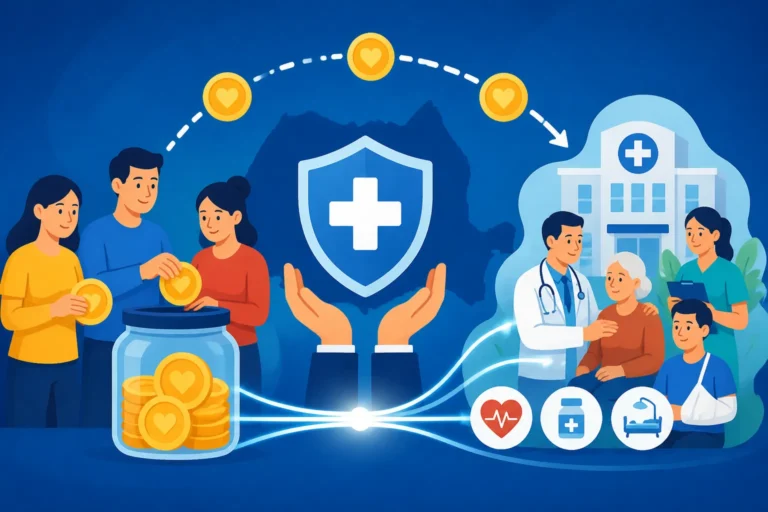
If you are an EU citizen, your European Health Insurance Card (EHIC) is your best friend. It gives you the same rights as a Romanian insured person in the public system. Presenting your EHIC at the UPU ensures that not just the emergency stabilization, but also the follow-up care and hospitalization, are covered. For non-EU expats who are working legally, your employer should be paying into CASS (National Health Insurance House). Once you have your CNP, you can register with the system and enjoy full coverage.
| Service Type | Public UPU (State) | Private Emergency Clinic |
|---|---|---|
| Cost (Stabilization) | Free for everyone | Fee-based / Insurance |
| Wait Times | Long (Triaged by severity) | Short to Moderate |
| Language | Romanian (Some English) | Mostly English |
| Equipment | Full trauma & surgery | Limited to moderate |
| Best For | Major accidents, heart attacks | Fever, minor cuts, infections |
| Documentation | Passport / ID (after care) | ID + Payment/Insurance upfront |
For those wondering about the specifics of registering for these benefits, check out Navigating the Romanian Healthcare System: An Expat's Roadmap (2027) for a comprehensive walkthrough.
Navigating the Hospital Stay: Spitalul de Urgență
If your emergency requires you to stay overnight, you will be moved from the UPU to a specialized ward (Secție). This is where the cultural and linguistic challenges truly begin. In a public "Spital de Urgență," the nursing staff may not speak English, and the facilities can feel basic. You might be in a room with four other patients, and you will likely need to provide your own basic amenities like towels, soap, and sometimes even toilet paper. It is a no-frills environment focused entirely on medical outcomes rather than patient luxury.
One thing that often surprises expats is the role of the family in Romanian hospitals. It is culturally expected that family members will bring in food, water, and help with basic care like washing or moving the patient. While the hospital provides meals, they are often very basic. As an expat without a local support network, this can be incredibly isolating. If you find yourself in this situation, try to communicate with the young doctors; they almost always speak excellent English and are usually sympathetic to the plight of a foreigner stuck in the system.
Communication and Advocacy
In a high-pressure Romanian hospital, you must be your own advocate—or have a friend do it for you. Doctors are often overworked and may only spend a few minutes with you during their rounds. Prepare your questions in advance. Ask for your "Bilet de Ieșire" (discharge summary) and make sure it is detailed, as you will need it for any insurance claims with companies like SafetyWing or for your local family doctor.
If you are struggling with the language, translation apps are helpful, but having a printed list of your allergies and current medications in Romanian is even better. Understanding Hospital Care at a Romanian Spital can give you a better sense of the daily routine and what to expect from the medical hierarchy. Don't be afraid to ask for a second opinion or for a "referral" if you feel your condition isn't being managed properly.
The "Envelope" Culture: A Word of Caution
You may have heard stories about "informal payments" or giving money in envelopes to doctors and nurses in Romania. While this was common in the past, the government has cracked down on it significantly, and salaries for medical staff have increased. In modern emergency departments, especially in major cities, this practice is largely frowned upon and can even get you or the doctor in legal trouble. The best approach as an expat is to stay professional and avoid any attempts at bribery. Your care is guaranteed by law, not by the size of your wallet.
Specialized Emergency Services: Dental and Pediatric
Not every emergency involves a life-threatening injury. Sometimes, it’s a toothache that makes it impossible to sleep or a toddler who has swallowed something they shouldn't have. For these cases, there are specialized emergency routes. For dental issues, look for "Stomatologie de Urgență." Many public dental clinics provide 24/7 emergency extractions or pain relief, though the quality can be hit-or-miss. Most expats prefer 24/7 private dental clinics, which are plentiful in major cities.
Pediatric emergencies are handled separately from adult ones. In Bucharest, Spitalul Grigore Alexandrescu is the gold standard for children’s emergencies. It is a public hospital specifically for kids, and while it is perpetually busy, the care is specialized. If you have a child, you should also identify the nearest private pediatric emergency room. Many private networks have specific "Pediatric UPU" wings that are much less intimidating for a sick child.
Handling a Dental Crisis
A sudden dental abscess or a broken tooth on a Saturday night is a nightmare. In Romania, you can find 24-hour dental clinics by searching for "Urgente Stomatologice" on Google Maps. These clinics are usually private and operate on a walk-in basis. Expect to pay between 200 and 500 RON for an emergency intervention, depending on the complexity. If you need a more permanent solution after the emergency, you should consult The Expat Guide to Finding a Family Doctor (Medic de Familie) in Romania to see how they can refer you to specialists.
Pediatric Urgent Care Tips
When taking a child to a Romanian ER, always bring their birth certificate and your ID. If you are not the legal guardian, you will need a notarized power of attorney to authorize treatment, unless it is a life-saving situation. Romanian pediatricians tend to be very thorough, often recommending blood tests and X-rays even for seemingly minor issues. It is their way of being cautious. For follow-up care, you’ll want to know How Do I Get a Specialist Referral Without Long Waits in Romania? to avoid the massive public queues.
Follow-up Care and 24/7 Pharmacies
The emergency doesn't end when you walk out of the hospital doors. Usually, you will be given a "Rețetă" (prescription) and a set of instructions for follow-up care. In Romania, prescriptions from the ER are often "Rețetă Compensată" if you are in the public system, meaning the government pays for part of the cost. However, as an expat, you might just get a "Rețetă Simplă" which you pay for in full at the pharmacy.
Finding a pharmacy (Farmacie) in the middle of the night is relatively easy in major cities. There are always designated "Farmacie Non-Stop" locations. In Bucharest, well-known 24/7 pharmacies include locations from the HelpNet or Dona chains, particularly those near major hospitals. Be aware that during the night, these pharmacies often operate through a small window for security reasons. You might need to ring a bell to get the pharmacist’s attention.
Filling Your Emergency Prescription
When you go to a 24/7 pharmacy, have your discharge papers with you. Sometimes the handwriting of ER doctors is notoriously difficult to read, and the pharmacist may need the context of your diagnosis to figure out the dosage. If the specific medicine is out of stock, they can often recommend a local equivalent. For more on how this system works, read Understanding the Romanian Pharmacy (Farmacie) System and Opening Hours to save yourself a frantic drive across town.
Transitioning to Long-Term Care
Once the emergency is over, you need to register the event with your "Medic de Familie" (Family Doctor). They are the gatekeepers of the Romanian system and will handle your sick leave certificates (Concediu Medical) and any referrals to specialists for rehabilitation or further testing. If you don’t have a family doctor yet, this should be your top priority after recovering. The public system relies heavily on this continuity of care, and without a family doctor, you will find it very expensive and difficult to navigate the subsequent stages of your treatment.
Regional Differences and Mountain Rescue
It is important to note that the quality and speed of emergency care can vary significantly depending on where you are in Romania. In Bucharest, Cluj-Napoca, Iași, and Timișoara, you have access to "Centres of Excellence" with world-class equipment. However, in rural areas or small mountain towns, the local hospital may only have basic stabilization capabilities. In these cases, 112 will often coordinate a transfer to a larger regional hospital via ambulance or helicopter.
If you are an avid hiker or skier, you need to know about Salvamont. This is the Romanian mountain rescue service. They are highly skilled volunteers and professionals who operate in the Carpathians. If you get injured on a trail, calling 112 will trigger a Salvamont dispatch. They are the ones who will carry you down the mountain to the nearest road where an ambulance can meet you. It is a free service, but again, having a policy like SafetyWing that covers "search and rescue" or "emergency medical evacuation" is a wise move for any expat exploring Romania’s rugged terrain.
Emergencies in the Countryside
If you are living in a remote village, the response time for an ambulance can be 30 to 45 minutes or more. In these communities, the local "Dispensar" or a neighboring "Policlinică" might be your first stop. Local residents often know which neighbor has a car and can drive you to the nearest "Oraș" (town) with a hospital. It is a more communal, less formal way of handling emergencies, but it works. Always keep a full tank of gas if you live in a rural area, just in case you need to self-transport to a meet-up point with an ambulance.
The Importance of GPS and Location Apps
When you are in the mountains or a rural area, describing your location can be nearly impossible. I highly recommend downloading the "Apel 112" app, which is the official app from the Special Telecommunications Service in Romania. When you call through this app, it automatically sends your GPS coordinates to the dispatcher. This can save lives in situations where you are disoriented or in a place without clear street signs.
Disclaimer
The information provided in this guide is for informational purposes only and does not constitute professional medical or legal advice. While every effort has been made to ensure the accuracy of the information regarding the Romanian healthcare system as of 2026, laws and procedures can change. Always consult with a qualified medical professional or local authorities in the event of a medical emergency. The author and the website are not responsible for any actions taken based on the content of this article. For the most current official information, please refer to the Romanian Ministry of Health or the National Health Insurance House (CNAS).