What Health Services Are Free for Children in Romania?
Oh, the labyrinthine world of Romanian bureaucracy, especially when it comes to healthcare! As expat parents, one of the biggest worries we carry is ensuring our little ones are well taken care of, and often, the question of cost looms large. Figuring out what exactly is free for children in the Romanian health system can feel like deciphering an ancient scroll written in a language you only half-understand. This guide is here to shed some light on those crucial questions, detailing the health services your children are entitled to without charge under Romania's public healthcare system.
Understanding Public Healthcare for Children in Romania
When you first arrive in Romania with children, especially if you're coming from a country with a different healthcare model, the system can seem a bit opaque. The good news is that children in Romania generally benefit from robust public health coverage, designed to ensure they receive essential care regardless of their parents' insurance status or ability to pay.
Who is Covered by CASS?
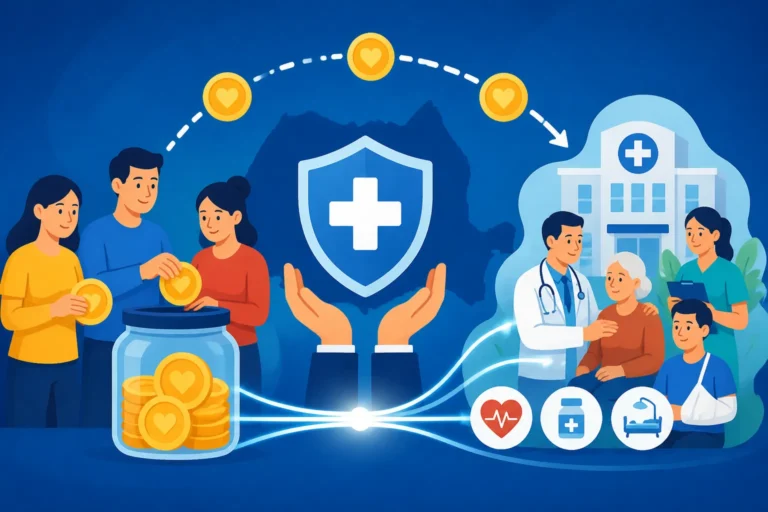
This is where Romania shines, frankly. All children residing legally in Romania, whether Romanian citizens or foreign residents, are automatically covered by the public health insurance system, known as CASS (Casa de Asigurări de Sănătate). This isn't like other countries where a child's coverage might hinge on their parents having active insurance or paying specific premiums. In Romania, children are a protected category, meaning they are considered dependents of the state health insurance fund and are entitled to care.
This automatic coverage kicks in once your child has a personal numeric code (CNP), which they will receive upon birth registration in Romania or when they are registered for a residence permit. Even if you, as a parent, are currently uninsured or only have private insurance, your child's access to fundamental public health services remains unaffected. This is a huge relief for many expat families, removing a significant layer of stress when settling in. For a deeper dive into the system, check out our guide on Registering for Public Health Insurance (CASS) in Romania (2027).
The Role of the Family Doctor (Medic de Familie)
The family doctor, or medic de familie, is the absolute cornerstone of your child's healthcare in Romania. Think of them as the gatekeeper, the first point of contact, and the primary manager of your child's health journey. Every child living in Romania needs to be registered with a family doctor. This isn't just a recommendation; it's a mandatory step for accessing most free public health services.
Your family doctor will be responsible for routine check-ups, monitoring your child's growth and development, administering vaccinations, issuing medical certificates for school or kindergarten, and managing common childhood illnesses. If your child needs specialized care – say, seeing a pediatrician for a specific condition, an ENT, or an allergist – it's the family doctor who provides the bilet de trimitere, or referral. Without this referral, you'd typically have to pay for the specialist consultation out-of-pocket, even if the service itself could be covered by CASS. So, choosing a good family doctor is paramount. Many expat parents find themselves looking for an English-speaking doctor to ease communication, and our guide on The Expat Guide to Finding a Family Doctor (Medic de Familie) in Romania can help with that.
Essential Vaccinations and Preventative Care
Romania has a robust national immunization program, and all vaccinations included in this program are free for children. This covers a wide range of common childhood diseases, adhering to a schedule similar to what you'd find in many other European countries. These vaccinations are usually administered by your family doctor or the medical staff at their clinic. They are not just free but are also a critical requirement for school and kindergarten enrollment.
Beyond vaccinations, your child's family doctor will provide regular preventative check-ups, especially in the first few years of life. These visits monitor development, screen for potential issues, and offer advice on nutrition, hygiene, and overall well-being. These routine consultations, aimed at prevention rather than treatment of illness, are fully covered by the public system. Knowing the schedule and understanding the importance of these immunizations is key for any parent, so consider reading up on Understanding Vaccination Schedules and Requirements in Romania.
Specific Free Services Under the Public System
Once your child is registered with a family doctor and has their CNP, a whole range of services become accessible without direct cost to you. However, it's essential to understand the nuances of what is truly "free" and what might incur extra charges.
Consultations and Diagnostics
This is the bread and butter of free healthcare for children. All consultations with your registered family doctor are free. This includes sick visits, routine check-ups, and discussions about your child's health. If the family doctor deems it necessary, they will issue a referral (bilet de trimitere) to a specialist in the public system. These specialist consultations are also generally free of charge, as long as you have the valid referral and visit a specialist who has a contract with the local CASS office.
Furthermore, if a public system doctor (either the family doctor or a specialist) prescribes lab tests, imaging (like X-rays or ultrasounds), or other diagnostic procedures, these too are typically covered. You'll usually receive a referral form for these services, which you then take to a laboratory or imaging center that has a contract with CASS. The key here is always the referral and ensuring the provider is linked to the public system. Without a referral, or if you opt for a private lab or clinic without a CASS contract, you'd be paying out of pocket.
For expats, the initial hurdle is often obtaining that elusive CNP for their child. Our guide on How to Get Your CNP (Personal Numeric Code) for Healthcare Access in Romania offers a detailed walkthrough, as it's a prerequisite for accessing many of these services.
Hospitalization and Emergency Care
This is perhaps where the "free" aspect becomes most critical and reassuring for parents. In Romania, emergency medical care for children, regardless of their insurance status, is free. If your child has an accident or suddenly falls ill and requires urgent attention, you can take them to the nearest public emergency room (UPU or CPU). The assessment, immediate treatment, and any necessary stabilization will be covered. If hospitalization is required following an emergency or a referral from a specialist, the entire inpatient stay, including surgeries, medications administered during the stay, and medical procedures, is covered by the public health insurance system.
However, a word of caution: while the services are free, the comfort level, language barriers, and amenities in public hospitals can vary wildly. Many expat parents, especially during an emergency, might opt for private emergency services (if available) or even consider private health insurance that covers private hospitals for a more comfortable experience. Still, knowing that the safety net of free public emergency and hospitalization care is there for your child is a profound relief. For more details on what to do in a crisis, see Emergency Medical Care in Romania: What Every Expat Needs to Know.
Dental Care and Orthodontics
Ah, dental care – often a grey area in many public health systems. In Romania, children do have access to certain free dental services under CASS, but it's not as extensive as the general medical care. Typically, free dental services for children primarily focus on preventative care and essential treatments. This usually includes:
- Routine check-ups: Examinations to monitor dental health.
- Simple extractions: Removing baby teeth or severely damaged permanent teeth.
- Fillings: For cavities in baby teeth or sometimes in permanent teeth, often using basic materials.
- Fluoride treatments and sealants: Preventative measures to protect against cavities.
More complex procedures, cosmetic dentistry, or advanced orthodontic treatments are generally not covered by the public system and will need to be paid for privately. If your child needs braces, for instance, this will almost certainly be an out-of-pocket expense. Even for covered services, you might find that public dental clinics have longer waiting lists or use older equipment compared to private practices. For specific details, our article on Understanding Dental Care Coverage Under CNAS in Romania provides more insight.
Navigating the System and Common Expat Concerns
While the existence of free health services for children is a blessing, actually navigating the system as an expat can still be challenging. Understanding the administrative steps and being prepared for potential pitfalls can make a world of difference.
Registration and Documentation
The first and most critical step is ensuring your child is registered with a family doctor. This usually involves:
- Obtaining a CNP: For a child born in Romania, this happens during birth registration. For children moving to Romania, it's typically part of the residence permit application process. Without a CNP, accessing any CASS-covered services is nearly impossible, except in dire emergencies.
- Choosing a Family Doctor: You'll need to find a medic de familie who has available spots and is willing to take on new patients. This can sometimes involve calling several clinics, especially in larger cities like Bucharest or Cluj-Napoca. Many expat parents prioritize finding an English-speaking doctor to avoid miscommunication.
- Registration at the Clinic: Once you find a doctor, you'll need to fill out registration forms, providing your child's birth certificate, CNP, and your own residence permit details. Make sure you also register all your family members for health insurance correctly, as detailed in How to Register Family Members for Health Insurance in Romania.
It's a process that requires patience and a fair bit of paperwork, but once it's done, the path to free healthcare for your child becomes much smoother. Always keep copies of all your child's medical records and any referrals.
When Public Services Aren't Enough: Private Options
While the public system covers essential and emergency care, there are undeniable limitations. Waiting times for specialist appointments can be long, particularly for non-urgent issues. Equipment in public facilities might not always be state-of-the-art, and the overall patient experience can sometimes feel impersonal due to the high volume of patients. This is where many expat families consider complementing public care with private options.
Private clinics and hospitals like Regina Maria, MedLife, or Sanador offer immediate appointments, comfortable environments, English-speaking staff, and access to advanced diagnostics. Many offer "subscriptions" (abonamente) which are like mini-insurance packages providing a certain number of free consultations or discounts. These subscriptions are a popular choice for expats who want faster access to specialists and a higher standard of comfort. For those needing comprehensive coverage beyond immediate, local services, or who travel frequently, considering international health insurance options can be smart. Brands like SafetyWing offer travel and medical insurance that can be particularly useful for digital nomads or those with fluctuating residence status, covering unforeseen medical emergencies globally, which complements rather than replaces the local CASS system. While SafetyWing doesn't replace CASS for daily free care in Romania, it provides a crucial safety net for travel or in situations where complex, immediate private care might be preferred over public options.
For a deeper look into the costs and benefits of private care, read Understanding Private Health Insurance and Subscriptions (Abonament) in Romania.
Dealing with Language Barriers
The language barrier is a real and understandable source of frustration for many expat parents. While younger doctors in urban areas might speak English, this isn't always a guarantee, especially with administrative staff or in smaller towns.
- Find an English-Speaking Family Doctor: This is your best defense. Our guide on How to Find an English-Speaking Doctor in Romania is a great resource.
- Use Translation Apps: For quick communication, Google Translate or similar apps can be invaluable, especially for symptoms or simple questions.
- Bring a Romanian Friend: If you have a trusted Romanian friend or colleague, ask if they can accompany you to important appointments, especially initial registrations or specialist visits.
- Prepare Key Phrases: Learning basic Romanian medical terms for symptoms, body parts, and common ailments can be extremely helpful.
Remember, communication is key to good healthcare, especially for your child. Don't hesitate to seek out resources that can help bridge any language gaps.
Summary of Free vs. Potentially Paid Services for Children
To clarify, here's a quick overview of what you can generally expect to be covered and what might incur costs:
| Service Category | Generally Free (Under CASS with Referral) | Potentially Paid (Out-of-Pocket or Private Insurance) |
|---|---|---|
| General Medical Consultations | Family Doctor visits, specialist consultations (with referral in public system) | Private clinic consultations (without referral or outside CASS contract) |
| Preventative Care | Routine check-ups, growth monitoring, national vaccination program | Optional vaccines, extensive private health screenings not medically indicated |
| Emergency Care | All emergency assessments, immediate treatment, and stabilization in public hospitals | Private emergency services, non-emergency care sought at private facilities |
| Hospitalization | Inpatient care, surgeries, prescribed medications during stay in public hospitals | Private hospital stays (if not an emergency or without CASS contract) |
| Diagnostic Tests | Lab tests, X-rays, ultrasounds prescribed by public system doctors (at CASS-contracted labs/centers) | Tests done at private labs/centers without a CASS contract or doctor's referral |
| Prescription Medications | Many essential medications are fully or partially subsidized (requiring electronic prescription from CASS doctor) | Non-subsidized medications, over-the-counter drugs, medication from private prescriptions |
| Dental Care | Routine check-ups, simple extractions, basic fillings, fluoride, sealants for children (in public dental clinics) | Complex fillings, cosmetic dentistry, orthodontics (braces), advanced procedures |
| Mental Health | Limited consultations with child psychologists/psychiatrists (with referral in public system) | Private therapy sessions, extensive private psychological assessments |
| Physiotherapy/Rehabilitation | Prescribed sessions (with referral in public system, often limited number) | Extensive private physiotherapy, non-prescribed rehabilitation |
This table is a general guide. The specifics of coverage can sometimes depend on the individual doctor, clinic, and local CASS office rules.
Final Thoughts for Expat Parents
Navigating a new country's healthcare system, especially when it involves your children, is inherently stressful. In Romania, while the administrative hurdles can test your patience, the public healthcare system does provide a strong foundation of free, essential services for children. From routine check-ups and vaccinations by their medic de familie to crucial emergency care and hospitalization, your child's fundamental health needs are covered.
Being proactive is key: get your child’s CNP, register them with a family doctor promptly, and understand the referral system. Don't be afraid to ask questions, even if it means trying to find an English-speaking doctor or bringing a translator. And remember, private options exist to complement the public system, offering comfort and faster access for those moments when you simply want more. With a bit of preparation and perseverance, you can ensure your children thrive in Romania with access to the care they need.
Disclaimer
The information provided in this guide is intended for general informational purposes only and does not constitute professional medical, legal, or financial advice. While we strive to keep the information up-to-date and accurate, healthcare regulations and policies in Romania can change. We recommend consulting with local authorities, a qualified healthcare professional, or an expert in expat services for the most current and personalized advice regarding your specific situation and your child's healthcare needs in Romania.