Where Can I Find an English-Speaking Family Doctor in Bucharest?
Moving to Bucharest offers an incredible mix of old-world charm and high-tech energy, but the first time you wake up with a persistent cough or need a chronic medication refill, the romance of the city can quickly fade into bureaucratic frustration. Finding a doctor who understands your symptoms without a translation app is the most critical hurdle for any expat. This guide serves as your comprehensive map to locating, vetting, and successfully registering with an English-speaking family doctor in Bucharest, ensuring you never feel lost in the healthcare system again.
The Reality of the Family Doctor System in Bucharest
The medical system in Romania is built around the "medic de familie." In the eyes of the Romanian state, this person is the gatekeeper to everything else. You cannot simply walk into a specialist's office at a public hospital and expect to be seen for a routine issue; you need a referral. For many expats, the initial shock comes when they realize that while the younger generation in Bucharest speaks excellent English, many doctors in the public sector, especially those who have been practicing for thirty or forty years, may only speak Romanian or perhaps some French or Russian.
Navigating a "policlinică"—the neighborhood public clinics—can be an intimidating experience. The hallways are often crowded, and the signage is rarely in English. If you don't speak the language, even the simple act of asking for an appointment can lead to a series of confused shrugs. This is why most expats gravitate toward the private sector or specifically seek out younger practitioners in the public system who have been educated in an increasingly globalized medical environment.
It is also important to validate the frustration you might feel regarding the "referral" culture. In many Western countries, you might be used to a more direct path to specialists. In Bucharest, the family doctor must issue a "bilet de trimitere." This little piece of paper is your golden ticket. Without it, you will have to pay the full private price for any specialist visit or diagnostic test, even if you are a contributor to the national health system. Understanding How Specialist Referrals (Bilet de Trimitere) Work in Romania is the first step in moving from a confused newcomer to a savvy resident who knows how to work the system.
Where to Look for English-Speaking Doctors
The search for an English-speaking doctor in Bucharest usually begins in specific neighborhoods. If you are living in areas like Pipera, Aviației, Dorobanți, or Floreasca, your chances of finding a bilingual doctor are significantly higher. These areas house the majority of the expat population and the high-end private clinics that cater to international residents.
Private Medical Networks
The easiest, though more expensive, route is through the major private networks like Regina Maria, MedLife, or Sanador. These companies operate like high-end hotels for healthcare. When you call their central call center, you can specifically request an English-speaking family doctor. They have a database of practitioners and can filter them by language proficiency.
For example, the Regina Maria Euroclinic near Floreasca or their location in Băneasa are well-known hubs for English-speaking staff. While the "abonament" or subscription model is popular here, you should consider Is a Private Medical Subscription (Abonament) Worth It in Romania? before committing, as these subscriptions often cover consultations but not always the complex tests or surgeries you might expect. If you are still in the process of setting up your long-term residency, having a flexible plan like SafetyWing can be a lifesaver, providing you with a safety net while you navigate these local private choices.
Independent Public-Private Practices
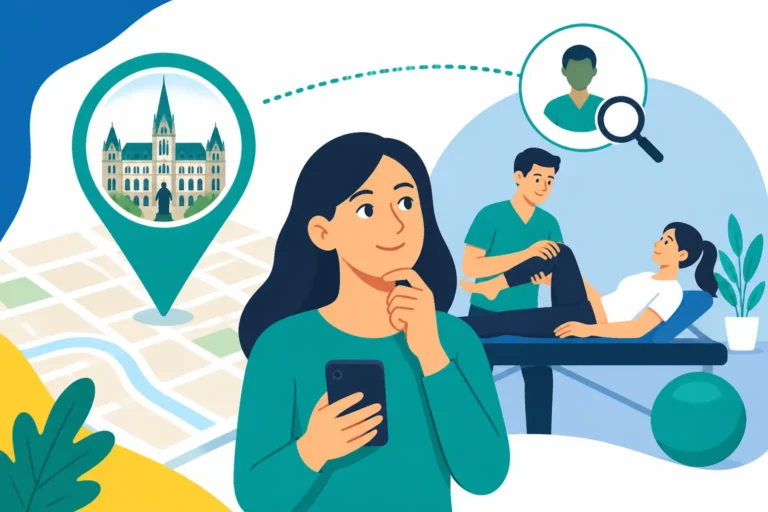
There is a middle ground: doctors who have their own private "cabinet" but are also "în contract cu CASMB" (the Bucharest Health Insurance House). These are often the best find for expats. They offer the personalized feel of a private doctor but allow you to use your public insurance benefits. Searching on Google Maps for "medic de familie" and reading reviews in English is a surprisingly effective tactic. If the reviews are in English, it’s a strong signal that the doctor and their staff can communicate with you.
Step-by-Step Guide to Registering with a Doctor
Once you find a doctor who speaks English and is accepting new patients (many of the popular ones have full lists), the registration process begins. This is where the Romanian love for paperwork becomes apparent. You cannot simply "show up" and be on their list. You must be formally registered in the SIUI system (the national healthcare database).
To start, you will need to provide your CNP (Personal Numeric Code). This is the 13-digit number found on your residency permit. If you are still waiting for your paperwork, you might be wondering What Documents Do I Need to Get a CNP in Romania? to speed up the process. Without a CNP, the doctor cannot register you in the public system, though they can still see you as a private, paying patient.
The second requirement is proof of insurance. If you are employed by a Romanian company, your employer handles your CASS (health contribution). If you are a freelancer or a digital nomad, you must handle this yourself. Knowing How to Register for Public Health Insurance (CASS) as a Foreigner in Romania is vital because the doctor will ask for a "adeverință de asigurat" (proof of insurance) or will check your status in the online portal.
The Registration Documents Checklist
- Identity Document: Your passport and your residence permit (Permis de Ședere).
- Proof of Insurance: Either a recent payslip showing CASS deductions or the certificate from ANAF/CNAS.
- Application Form: Usually provided by the doctor’s office in Romanian. Your English-speaking doctor should be able to help you fill this out.
- The Transfer Request: If you were previously registered with another doctor in Romania, your new doctor will handle the electronic transfer, but you usually need to sign a request.
| Feature | Public Medic de Familie | Private Network Doctor |
|---|---|---|
| Language | Primarily Romanian (some younger English speakers) | High English proficiency |
| Cost | Free with CASS | Monthly subscription or high per-visit fee |
| Wait Times | Can be long; often "first come, first served" | Appointment-based; usually punctual |
| Facilities | Basic to modern (varies by clinic) | Modern, high-end equipment |
| Referrals | Direct access to the public hospital system | Often pushes you toward their own private specialists |
Managing Costs and Insurance Expectations
A common point of confusion for expats is the difference between being "insured" and having "access." Even with an English-speaking doctor, you might encounter costs you didn't expect. If you are registered with a doctor in a private network like Regina Maria, they will often try to refer you to their own specialists. If those specialists aren't "in contract" with the public insurance house, you will pay out of pocket despite being a tax-paying resident.
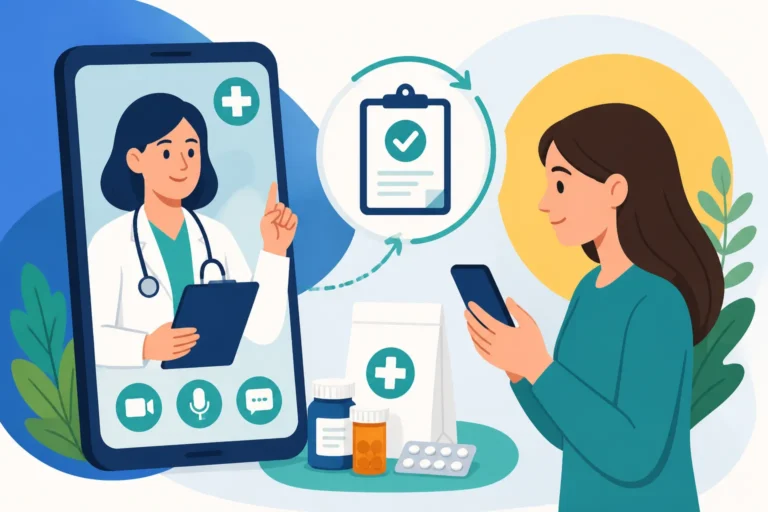
For those who are newly arrived or are digital nomads, the public system might not be accessible immediately. In these cases, using a provider like SafetyWing allows you to visit these English-speaking private doctors and claim back the costs of unexpected illnesses. It acts as a bridge while you wait for the weeks or months it can take to get your Electronic Health Card (Cardul de Sănătate) in Romania.
If you are a freelancer (PFA), the cost structure is different. You are responsible for your own contributions based on your income brackets. You should investigate Understanding Health Coverage for the Self-Employed (PFA) in Romania to ensure you aren't accidentally uninsured when you walk into the doctor's office. The doctor's receptionist will always check the national database first; if you are "neinternalizat" (not in the system), the English-speaking doctor will have to charge you a private fee, which in Bucharest ranges from 150 to 350 RON per consultation.
Practical Tips for Your First Appointment
When you finally secure that first appointment with an English-speaking doctor in Bucharest, preparation is key. Romanian doctors tend to be very clinical and direct. They value medical history. If you have records from your home country, try to have them summarized or translated.
Communication Strategies
Even with an English-speaking doctor, the medical terminology can sometimes get lost in translation. Don't be afraid to ask the doctor to write down the name of your diagnosis or the active ingredients in a medication. This is especially helpful when you go to the pharmacy, as brand names in Romania (like Parasinus or Algocalmin) might be different from what you know back home. Understanding Prescription Medications and Pharmacies in Romania: The Complete Guide will help you navigate the next step after you leave the doctor’s office.
Using the Referral System
If your family doctor determines you need a specialist—for example, a cardiologist or a dermatologist—they will issue the "bilet de trimitere." This paper is valid for 30 to 90 days depending on the condition. Ask your doctor specifically: "Is there a specialist who speaks English that you recommend?" Most family doctors have a network of colleagues they trust.
If you are looking for a specialist in the public system, be prepared for a wait. If you are in a hurry, you can take that referral to a private clinic that has a contract with the state. This is a "hack" many expats use: get the referral from the family doctor for free, but see a specialist in a nice private building for a much smaller fee (or for free) because the state subsidizes it. For more on this, check out Public vs Private Healthcare in Romania: Which Should Expats Choose?.
Neighborhood Guide for English-Speaking Doctors
If you are still searching, here are specific locations in Bucharest known for being expat-friendly:
- Pipera/Voluntari: Since this is the "Expat Bubble," almost every medical center here, including the smaller boutique clinics, will have English-speaking staff.
- Dorobanți/Floreasca: This area is home to many embassies. Clinics here are used to dealing with international insurance and diplomatic staff.
- Centrul Vechi/Universitate: While more tourist-heavy, there are several "Policlinica" centers that have private wings specifically for international patients.
- Băneasa: Specifically around the mall and the residential complexes, you will find large multidisciplinary clinics where English is the default second language.
When calling these clinics, if the receptionist doesn't speak English, don't give up. Ask "Vorbiți engleză?" or "Este un medic care vorbește engleză?" Often, they will pass the phone to a colleague who can assist. If you are moving from another major city, you might want to compare the ease of finding a doctor; for example, Where Can I Find an English-Speaking Family Doctor in Bucharest? is a common question, but the density of options is much higher in the capital than in smaller towns.
While navigating the healthcare system in Bucharest can feel like a part-time job during your first few months, finding that one reliable English-speaking family doctor changes everything. They become your translator for the entire Romanian medical culture. Whether you are relying on SafetyWing for your initial months or fully integrating into the CASS system, having a professional you can actually talk to is the best investment you can make in your new life in Romania. For those just starting their journey, make sure you understand Emergency Medical Care in Romania: What Every Expat Needs to Know so you are prepared for any situation while you search for your permanent family doctor.
Disclaimer
This guide is for informational purposes only and does not constitute professional medical or legal advice. Healthcare regulations and the availability of English-speaking staff in Romania can change. Always verify the current registration requirements with the National Health Insurance House (CNAS) or a qualified legal professional before making healthcare decisions.