Can I Use My German EHIC Card at a Romanian Hospital?
Standing at the entrance of a Romanian emergency room while clutching a sharp pain in your side is the last place you want to be second-guessing your paperwork. Many German citizens and residents moving to or visiting Romania assume that because both countries are in the European Union, healthcare is a seamless, borderless experience. This guide clarifies exactly how your German EHIC functions in the Romanian system, where it falls short, and how to avoid massive out-of-pocket bills.
Understanding the Scope of the German EHIC in Romania
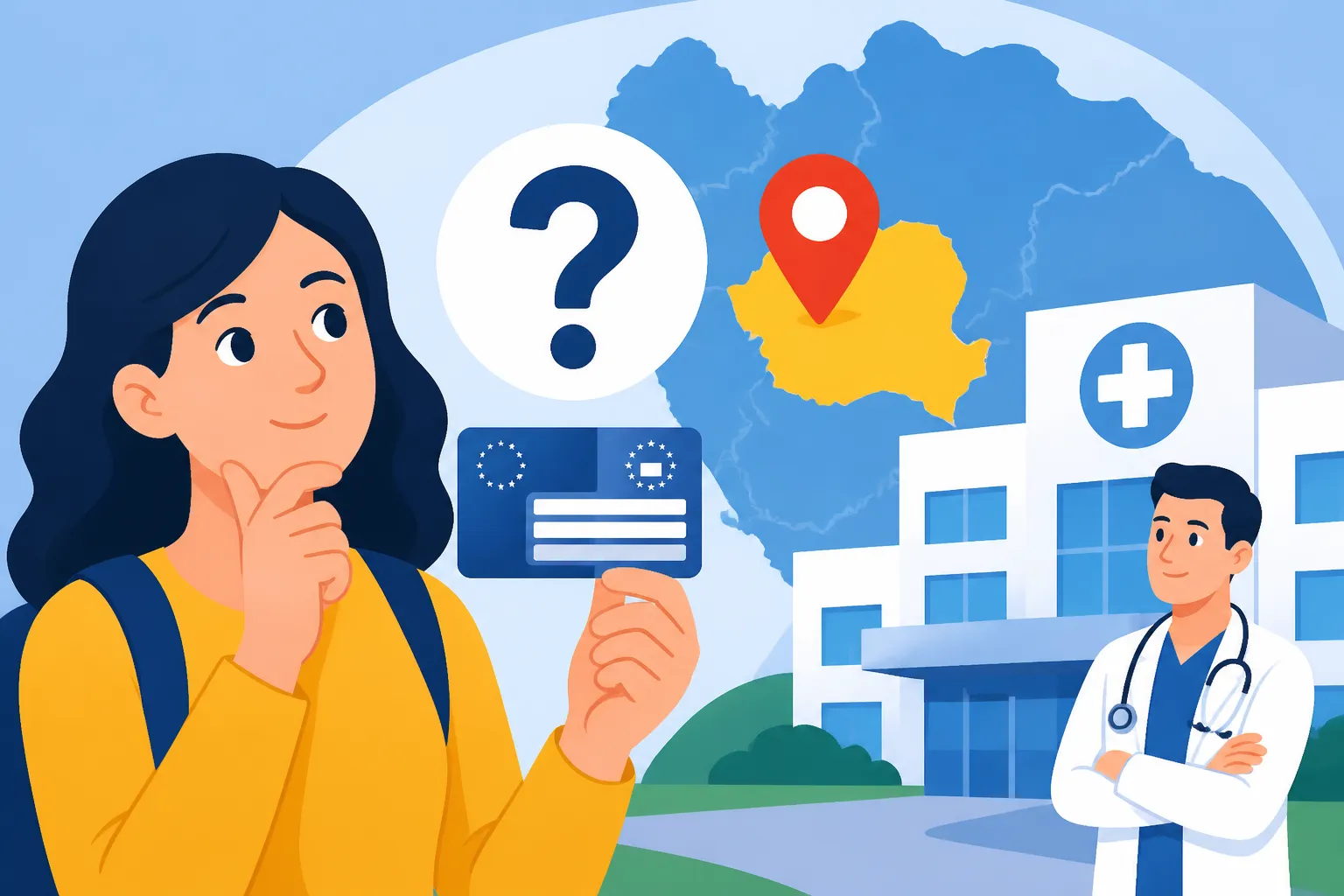
The European Health Insurance Card (EHIC), known in Germany as the Europäische Krankenversicherungskarte, is a powerful tool, but it is frequently misunderstood by newcomers to the Balkans. In Romania, your EHIC serves as proof that you are insured under the German statutory system (like TK, AOK, or Barmer), granting you the right to receive "medically necessary" state-provided healthcare under the same conditions and at the same cost as Romanian citizens. This is a crucial distinction: it does not make healthcare "free" unless it is free for locals, and it only applies to the public sector.
When you present your German card, you are essentially asking the Romanian state to treat you as a temporary participant in their system. This works well for sudden illnesses or accidents, but it is not intended for people who have moved to Romania permanently to work. If you have relocated for a job, you will likely need to look into Registering for Public Health Insurance (CASS) in Romania (2027) to ensure long-term compliance and coverage. For the visitor or the digital nomad just passing through, the EHIC is your primary shield against the high costs of emergency care.
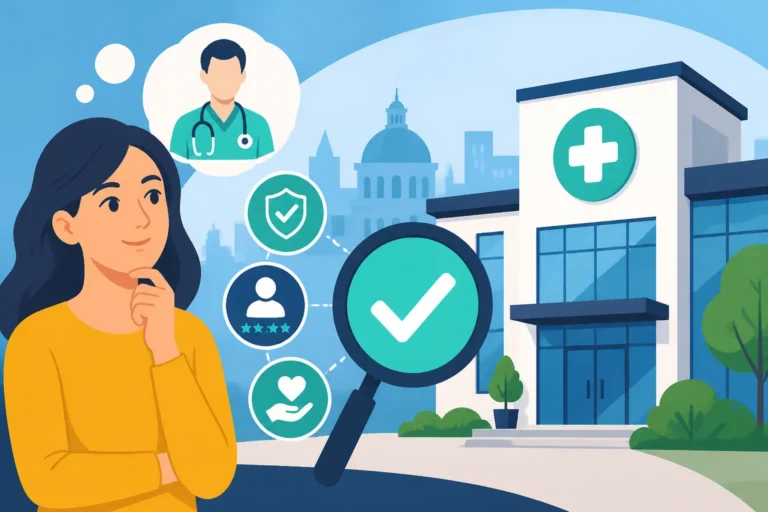
However, the Romanian bureaucracy is famously rigid. You cannot simply walk into any sleek glass-fronted building and expect them to honor the card. Most of those modern facilities are private clinics. Your EHIC is specifically tied to the public system managed by the National Health Insurance House. If you are confused about how these state funds operate, it helps to read about Understanding How CASS Contributions Fund Healthcare in Romania to see where the money actually comes from. Without a clear understanding of which hospitals are "contracted," you might find yourself with a bill that your German insurer won't fully reimburse.
The Public vs Private Divide in Romanian Hospitals
Romania operates a two-tier healthcare system that can be jarring for those used to the highly efficient German Krankenhaus structure. The public hospitals, or Spitale de Stat, are where your EHIC is legally recognized. These institutions handle the vast majority of trauma and emergency cases. If you are involved in a serious accident, the ambulance will almost certainly take you to a public facility. In this scenario, your German EHIC should be accepted for all necessary treatments, from X-rays to emergency surgeries.
The challenge arises when you seek "comfort" or "speed." Private clinics like Regina Maria, MedLife, or Sanador offer a level of service that mirrors Western European standards, with English-speaking staff and shorter wait times. However, these private entities rarely have contracts with the public insurance house for EHIC holders. If you choose to go to a private hospital, your EHIC is essentially a piece of plastic. You will be expected to pay the full price upfront. This is a significant pain point for expats who find the public system’s lack of amenities or language barriers overwhelming. For a deeper dive into this choice, see Public vs Private Healthcare in Romania: Which Should Expats Choose? to weigh the pros and cons.
Because the EHIC only covers the public sector, many travelers choose to supplement their trip with private travel insurance. A provider like SafetyWing is often used by digital nomads in Romania because it covers both emergency medical needs and certain private facility costs that the EHIC ignores. Having SafetyWing can be a lifesaver when you realize the nearest public hospital has a four-hour wait for a simple stitch, but the private clinic next door can see you in ten minutes for a fee.
Practical Steps to Using Your Card at a Romanian Hospital
If you find yourself needing a doctor, the process is not always as simple as showing the card at the reception desk. You need to be proactive. First, ensure your card is still valid; German EHICs are usually on the back of your national insurance card, but they do have an expiry date. If it has expired, you will need a Provisional Replacement Certificate from your German provider, which can often be emailed to you in an emergency.
When you arrive at a public hospital, you must present the card immediately. The administrative staff will likely need to make a photocopy of it, along with your passport or ID. In Romania, documentation is king. If you don't have these copies, you might be asked to find a copy shop nearby, which is the last thing you want to do while feeling ill. Having a digital scan on your phone is good, but physical paper is still the "Gold Standard" in Romanian administrative circles. If you are planning a longer stay, you should also look into How to Use Your EHIC (Cardul European) in Romania as an EU Citizen to understand the nuances of non-emergency visits.
For non-emergencies, such as a persistent cough or a minor infection, you should ideally visit a Medic de Familie (Family Doctor) who has a contract with the CNAS. They can provide you with a bilet de trimitere (referral) to a specialist. Without this referral, even with an EHIC, you might be charged for the consultation. Navigating this can be tricky, so reading The Expat Guide to Finding a Family Doctor (Medic de Familie) in Romania is highly recommended before you actually get sick.
| Feature | German EHIC Coverage | Private Insurance (e.g., SafetyWing) |
|---|---|---|
| Public Hospitals | Fully covered for emergencies | Covered (usually via reimbursement) |
| Private Clinics | Generally not covered | Covered (subject to policy limits) |
| Medical Repatriation | Never covered | Often included |
| English-Speaking Staff | Hit or miss (mostly miss) | High probability in partner clinics |
| Outpatient Medication | Subsidized (requires Romanian prescription) | Reimbursable depending on plan |
| Search & Rescue | Not covered | Often covered |
Limitations and Common Frustrations for German Residents
One of the most frequent complaints from Germans in Romania is the "hidden" cost of public healthcare. While the EHIC covers the doctor's time and the hospital bed, the Romanian system often suffers from supply shortages. It is not unheard of for patients in smaller public hospitals to be asked to buy their own bandages or specific medications from a nearby pharmacy because the hospital is out of stock. Your EHIC does not reimburse you for these "out-of-pocket" pharmacy runs made on behalf of the hospital.
Furthermore, the EHIC does not cover medical evacuation or repatriation. If you are seriously injured and want to be flown back to Berlin or Munich for long-term recovery, the EHIC will not pay for that flight. This is a massive financial risk. Private options like SafetyWing are specifically designed to handle these "worst-case" scenarios, providing a layer of security that the basic EU agreements simply don't provide. For those who are moving here to work, it is also worth noting that once you become a resident, the EHIC is no longer your primary tool; you will need to understand How Romania's Health Insurance House (CNAS) Works: A Full Overview to stay legally covered.
Another hurdle is the language barrier. While younger doctors in Bucharest or Cluj-Napoca often speak excellent English or even some German, the administrative staff and nurses in public hospitals frequently only speak Romanian. This can lead to significant stress when trying to explain symptoms or understand discharge instructions. If you find the public system too daunting, you might want to explore Understanding Private Health Insurance and Subscriptions (Abonament) in Romania as a way to access clinics where English is the standard.
What to Do in a Medical Emergency
In a life-threatening situation, dial 112 immediately. This is the universal emergency number in Romania. You can request an ambulance, and you should mention that you have a European Health Insurance Card. The emergency services, known as SMURD or the National Ambulance Service, are generally very efficient. For a full breakdown of what to expect during a crisis, see Emergency Medical Care in Romania: What Every Expat Needs to Know.
Once the ambulance arrives, you will be taken to the Unitate de Primiri Urgențe (UPU) of the nearest public hospital. This is where your German EHIC is most vital. Under Romanian law, emergency care is provided to everyone, but once the "emergency" phase is over and you are stabilized, the hospital will require proof of insurance to continue treatment without charging you. This is why keeping your card on your person at all times is essential.
If you are a digital nomad or traveler who moves frequently between countries, relying solely on the EHIC can be a gamble due to the administrative variations between EU states. Many expats find that having a secondary policy through SafetyWing provides peace of mind, especially when dealing with the potential for language-related mishaps or the need for private coordination. If you are staying in the capital, you should specifically look for Where Can I Find an English-Speaking Family Doctor in Bucharest? to have a contact person ready before an emergency occurs.
Managing Prescriptions and Follow-up Care
If a Romanian doctor at a public hospital writes you a prescription, you will notice it looks different from the German Rezept. To get the subsidized price that your EHIC entitles you to, the prescription must be a "compensated" one issued by a doctor in the CNAS system. If you take a plain piece of paper from a private doctor to a pharmacy, you will pay the full commercial price for the medication.
Follow-up care is another area where the EHIC can get complicated. If you need dressing changes or physical therapy after an initial hospital visit, you must ensure each subsequent provider is within the public system. If you decide to go to a private physiotherapist for convenience, you will be paying out of pocket. For more information on how to handle these transitions, read How to Transfer Your EU Health Insurance to Romania if you are planning to stay long-term.
Ultimately, the German EHIC is a fantastic safety net for the essentials, but it is not a "gold card" for all medical needs. Combining the EHIC for major public hospital emergencies with a flexible plan like SafetyWing for private care and repatriation is often the most realistic strategy for a stress-free life in Romania. It allows you to navigate the cultural and administrative hurdles of the local system while maintaining the standard of care you are accustomed to in Germany.
Disclaimer
This guide is provided for informational purposes only and does not constitute legal or medical advice. Healthcare regulations in Romania and EU-wide insurance policies are subject to change. Always verify current requirements with the National Health Insurance House (CNAS) in Romania or your German health insurance provider before traveling or relocating. The author is not responsible for any costs incurred or medical decisions made based on this content.