How Do I Access Mental Health Support in English in Romania?
Relocating to a new country like Romania brings a unique set of stresses, from the bureaucracy of getting a residency permit to the isolation of a new culture. Finding mental health support in English can feel like another impossible administrative hurdle. This guide breaks down exactly how to find English-speaking therapists and psychiatrists, navigate the public system, and understand your insurance options.
The Reality of Seeking Mental Health Support as an Expat in Romania
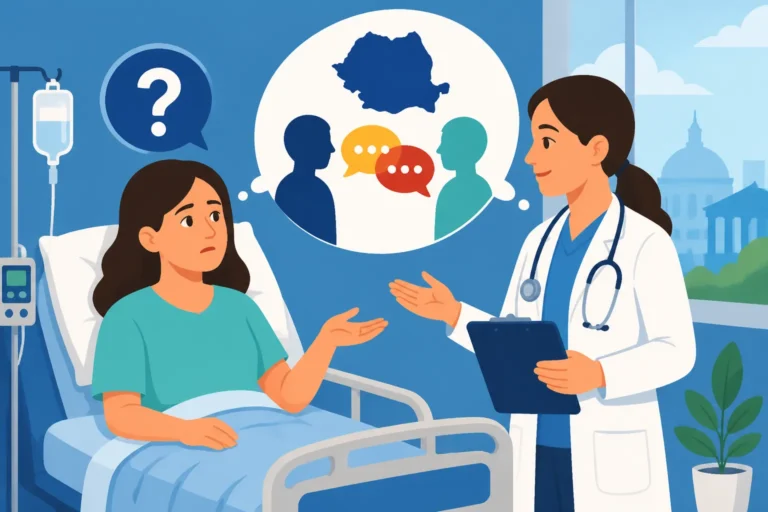
When you first arrive in Romania, the "honeymoon phase" often masks the underlying anxiety of navigating a complex foreign system. Whether you are in Bucharest, Cluj-Napoca, or a smaller town like Sibiu, the reality is that the public mental health sector is largely tailored for Romanian speakers. If you are struggling with depression, anxiety, or the specific burnout associated with being an expat, the language barrier can feel like a brick wall. Most public psychiatric hospitals and clinics prioritize Romanian for documentation and consultation, which can be incredibly isolating when you are already feeling vulnerable.
Beyond the language barrier, there is a cultural nuance to mental health in Romania. While the younger generation in urban centers is very open to therapy, the system itself can still feel quite clinical and bureaucratic. You might find yourself in a waiting room that looks like it hasn't changed since the 1980s, facing a doctor who is technically brilliant but perhaps less focused on the "soft skills" or empathetic communication that many Western expats are used to. This is why many foreigners gravitate toward the private sector, where English proficiency is a standard requirement and the environment is more modern.
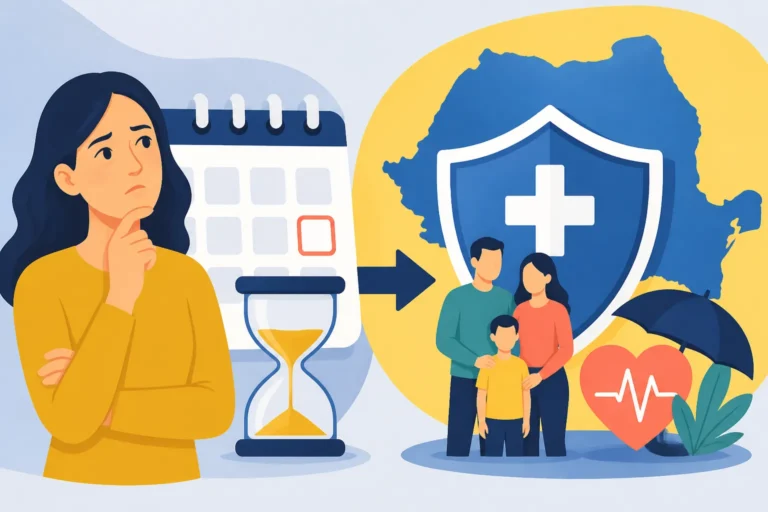
It is also important to acknowledge that the stress of obtaining legal status can exacerbate mental health issues. If you are currently waiting for your residency documents, you might feel like you are in limbo, unable to access the same services as a local. Understanding How Romania's Health Insurance House (CNAS) Works: A Full Overview is crucial here because it dictates whether you can get a referral for free therapy or if you need to pay out of pocket. Validating this frustration is the first step; it is not you being "difficult"—the system genuinely has many layers to peel back.
Navigating the Public System via CNAS and the Family Doctor
If you are a resident and paying into the national health system, you are entitled to mental health support. However, the path is not always direct. The gatekeeper to almost all public specialist care in Romania is the Medic de Familie. Without a recommendation from them, you cannot access subsidized psychiatric care or therapy sessions covered by the state. This means your first task is The Expat Guide to Finding a Family Doctor (Medic de Familie) in Romania to ensure you have a primary point of contact who understands your needs.
The Role of the Bilet de Trimitere
Once you have a family doctor, you must request a Bilet de Trimitere (referral) for a psychiatrist or a clinical psychologist. In the public system, psychiatrists are usually the ones covered more extensively by the National Health Insurance House (CNAS). Clinical psychology and psychotherapy are covered only under specific conditions and often for a limited number of sessions. You should ask your doctor specifically about How Specialist Referrals (Bilet de Trimitere) Work in Romania to understand the validity period of these documents, which is usually 30 to 90 days depending on the chronic nature of the condition.
The challenge here is finding a doctor within the public network who is comfortable conducting deep, emotional sessions in English. While many Romanian doctors speak excellent English, the public system often limits the time they can spend per patient. A session in a public Policlinică might only last 15-20 minutes, which is hardly enough for psychotherapy. If you are looking for long-form talk therapy, the public system might feel insufficient, leading you to look at Understanding the Role of the Policlinică in Romania more as a way to get necessary prescriptions rather than consistent therapeutic support.
Prescription Medications and Public Coverage
If your mental health support requires medication, the public system is actually quite robust. Psychiatrists can issue electronic prescriptions that are either fully or partially subsidized by the state. For expats, this is a significant benefit as brand-name psychiatric medications can be expensive when purchased privately. You should read Prescription Medications and Pharmacies in Romania: The Complete Guide to understand how the "compensated" list works and which pharmacies (like Catena or Dona) are more likely to have English-speaking staff who can explain the dosage and the CNAS subsidy.
Private Healthcare Networks and Medical Subscriptions
Most expats in Romania eventually decide that the private sector is the most efficient route for mental health support. Large medical providers like Regina Maria and MedLife have extensive networks of clinics where English is the lingua franca. These networks offer "Abonamente" (subscriptions) that many employers provide as part of a benefits package. If you are working for a multinational in Bucharest or Cluj, check your contract; you likely already have access to a certain number of psychology consultations per year.
Choosing Between Regina Maria and MedLife
These two giants dominate the private landscape. When searching for an English-speaking therapist, their apps (like the Regina Maria "Contul Meu" or MedLife’s "Sfatul Medicului") allow you to filter doctors by language. This is a lifesaver. You can see the doctor’s bio, their experience abroad, and reviews from other patients. For a detailed comparison of these providers, you can look into Is Regina Maria or MedLife Better for Expats in Romania? to see which fits your neighborhood and your specific mental health requirements.
In a private clinic, the environment is significantly different. You will have a dedicated 50-minute hour, the receptionists usually speak English, and you can book everything online. However, even with a subscription, therapy is often not "unlimited." Most basic plans cover 2-3 sessions, after which you will pay a discounted rate. For those who are not yet residents or are in the country on a digital nomad visa, having a flexible plan like SafetyWing can be a great bridge. SafetyWing often provides the kind of international coverage that helps when you are between systems or if you need to access therapy while traveling outside of Romania.
Out-of-Pocket Therapy and Private Practices
Many of the best English-speaking therapists in Romania do not work for the big medical chains. They operate out of private practices (Cabinete Individuale). Finding these professionals often requires digging through directories like "Colegiul Psihologilor din România" or expat Facebook groups. The advantage of a private practice is the consistency of care; you aren't just a number in a large corporate system. You can build a long-term relationship with someone who understands the specific nuances of the expat life in Romania.
If you are paying out of pocket, costs can vary. In Bucharest, a session with an English-speaking psychologist can range from 200 to 450 RON. While this is cheaper than in the UK or the US, it can add up quickly. If you are on a budget, look for therapists who offer a sliding scale for foreigners or those who work through NGOs. For those who need more comprehensive medical coverage, including hospital stays for mental health, Understanding Private Health Insurance and Subscriptions (Abonament) in Romania provides a deeper look into how to protect your finances while prioritizing your mind.
Online Therapy and Digital Nomad Options
For many expats, especially those who move frequently or live in smaller Romanian cities where English-speaking professionals are scarce, online therapy is the most viable option. This allows you to maintain a relationship with a therapist from your home country or access a global pool of specialists. If you are in the country on a specialized visa, you might want to review How to Apply for Romania's Digital Nomad Visa to see if your remote work status allows you to claim healthcare expenses through your foreign insurance.
SafetyWing for the Modern Expat
When you are living the nomadic life in cities like Brașov or Timișoara, traditional Romanian insurance might not be your first priority. SafetyWing is a popular choice for expats and nomads because it is designed for people who don't have a permanent "home base" yet. SafetyWing can offer peace of mind by covering unexpected medical needs, which can include certain mental health crises or emergencies. Having this safety net allows you to focus on finding the right therapist without the immediate pressure of navigating the Romanian state bureaucracy.
Online platforms also bypass the need for a CNP (Personal Numeric Code) in the short term. If you are still figuring out How to Get Your CNP (Personal Numeric Code) for Healthcare Access in Romania, you can use international platforms while your paperwork is being processed. This ensures there is no gap in your treatment, which is critical when dealing with conditions like chronic anxiety or depression that don't wait for government offices to issue a plastic card.
Using International Insurance in Romania
If you have a global health insurance policy, you can often see any private therapist in Romania and claim the costs back. This is where SafetyWing or similar providers shine, as they are accustomed to dealing with invoices in different currencies and languages. Always ensure that your therapist can provide a "Factură" (invoice) and a brief medical report in English or a format your insurance accepts. This prevents the common headache of having a claim rejected because of a minor clerical error in the Romanian paperwork.
Costs and Comparison Table
To give you a clearer picture of what to expect, the following table compares the different routes to mental health support in Romania. Note that prices are estimates for 2026 and can fluctuate based on the city and the doctor's seniority.
| Service Type | Language Access | Cost Per Session | Prerequisites | Best For |
|---|---|---|---|---|
| Public Clinic (State) | Variable (Mostly Romanian) | Free (with CASS) | CNP, Family Doctor Referral | Long-term medication, low budget |
| Private Network (Regina Maria/MedLife) | Excellent English | 250 – 450 RON | Subscription or out-of-pocket | Convenience, high-end facilities |
| Independent Private Practice | Excellent English | 200 – 500 RON | None | Specialized care, long-term therapy |
| Online Platforms | Native English | $50 – $150 (USD) | Reliable Internet | Consistency, specific specializations |
| NGOs / Support Groups | Good English | Donation or Free | Varies by organization | Crisis support, community connection |
Emergency Support and Crisis Intervention
If you find yourself in a mental health crisis, the standard emergency number in Romania is 112. However, be aware that the operators may not always have a fluent English speaker immediately available, though they will try to redirect you. For expats, a crisis can be even more terrifying due to the fear of being misunderstood. You should familiarize yourself with Emergency Numbers (112) and the SMURD Service in Romania so you know what to say in those first few critical seconds.
Crisis Lines and NGOs
There are several NGOs in Romania dedicated to mental health that offer English support. Organizations like "Asociația Telefonul Copilului" (for younger expats) or various anti-depression helplines often have volunteers who can speak English. While these are not a replacement for long-term therapy, they can provide the "psychological first aid" needed to get through a difficult night.
If an emergency requires hospitalization, you should know that psychiatric wards in public hospitals can be stark. If you have the means or the insurance, requesting a transfer to a private psychiatric facility is often preferred by expats. These private hospitals offer a much higher standard of comfort and are more likely to have staff who can communicate your treatment plan in English. For a broader view of how to handle such situations, check Emergency Medical Care in Romania: What Every Expat Needs to Know.
The Importance of a Support Network
Beyond professional help, the expat community in Romania is very active. Groups in Bucharest and Cluj often host "Expat Meetups" where mental health is a frequent topic of conversation. Sometimes, the best "medicine" for the initial culture shock is talking to someone who has been here for five years and survived the same administrative nightmares. Don't underestimate the power of community in a country that can sometimes feel bureaucratic and cold.
Steps to Take Today
If you are feeling overwhelmed, don't wait for your residency to be perfect or for your Romanian to improve. You can take actionable steps right now to secure support:
- Check your current insurance: See if you have coverage via an employer or an international plan like SafetyWing.
- Search the apps: Download the Regina Maria or MedLife apps and look for "Psihologie" or "Psihiatrie" with the English filter.
- Find a Family Doctor: If you have a CNP, start the process of How to Choose and Register with a Family Doctor (Medic de Familie) in Romania immediately.
- Reach out to a private practice: Email 2-3 independent therapists to ask about their availability and rates for English sessions.
- Secure your documents: Ensure you know What Documents Do I Need to Get a CNP in Romania so you can eventually transition into the public system if needed.
Living in Romania is an adventure, but no one should have to navigate the darker moments of that adventure alone. The support is there; it just takes a little bit of "administrative maneuvering" to find the right door.
Disclaimer
This guide is for informational purposes only and does not constitute medical or legal advice. Mental health regulations and the availability of English-speaking staff in Romanian public institutions can change. Always consult with a qualified healthcare professional or your insurance provider regarding your specific situation. If you are in immediate danger, please call 112 or go to the nearest emergency room.