How Much Does It Cost to Heat an Apartment in Romania in Winter?
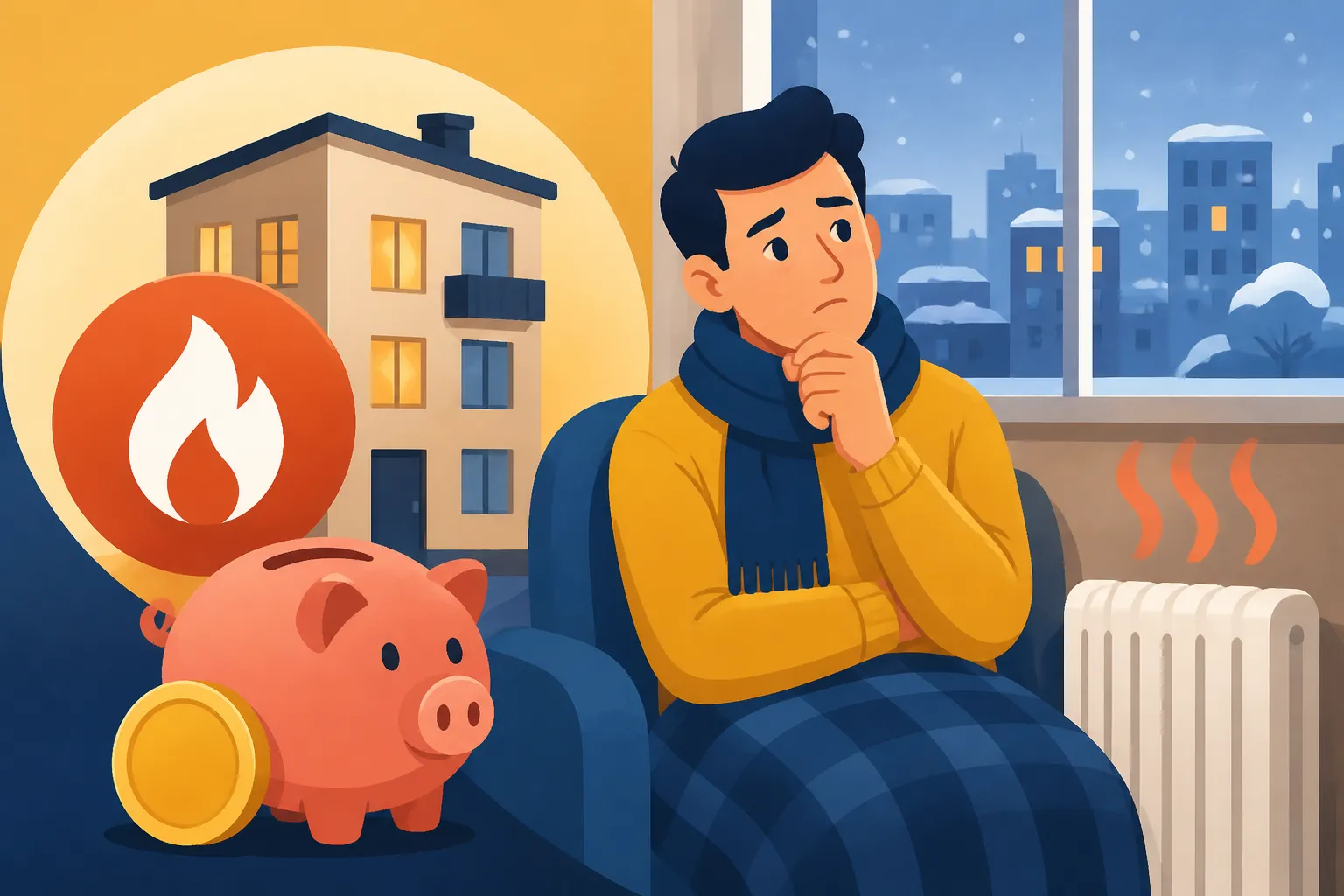
Oh, the Romanian winter! It's beautiful, no doubt, especially when you see the fresh snow falling outside. But let's be honest, for many of us expats, the beauty quickly gives way to a very practical and often slightly anxious thought: "How much is this going to cost me in heating bills?" It’s a completely fair question because heating costs can vary wildly and often become a major factor in your monthly budget. This guide will meticulously break down what influences your winter heating expenses and give you a realistic idea of what to expect to keep your apartment cozy when the temperatures drop.
Navigating Romania's Winter Heating Systems: What You Need to Know
When you first arrive in Romania, especially if you're coming from a country with different infrastructure, understanding how apartments are heated can feel like learning a new language. It’s not always as straightforward as "just turn on the heat," and the system your building uses will be one of the biggest determinants of your winter bills.
Centralised Heating (RADET/Termoenergetica) vs. Individual Gas Boilers (Centrale Termice)
Historically, much of Romania, especially in larger cities like Bucharest, relied on centralised heating systems. These are massive networks that heat water in a central plant and then distribute it to thousands of apartments and hot water taps. In Bucharest, this system is primarily managed by Termoenergetica (formerly RADET).
- Centralised Heating: The Good and The Not-So-Good
- Pros: Often worry-free; you don't have to deal with boiler maintenance. The price is regulated by local authorities, so theoretically, it should be stable.
- Cons: Control is often out of your hands. You might find the heat comes on too late in autumn or shuts off too early in spring. The temperature in your apartment might fluctuate, and adjusting it often means opening a window (which wastes heat and money!) or trying to find if your radiators have individual thermostats – which many older ones don't. You also share the burden of the entire building's inefficiencies. Payments are usually part of your "întreținere" (building maintenance fees) and can be estimated or metered per apartment if smart meters are installed.
- Reality Check: Many older centralized systems are inefficient, leading to heat loss and higher overall costs for residents. Infrastructure issues can lead to unexpected cold spells if repairs are needed.
Then you have apartments with individual gas boilers, or centrale termice. These are standalone units, usually gas-powered, installed within your apartment or on your balcony, and they provide both heating and hot water on demand, solely for your unit.
- Individual Gas Boilers: Freedom and Responsibility
- Pros: You are in complete control! Set your thermostat to your preferred temperature, turn it on or off as you please, and enjoy instant hot water. Your bill directly reflects your usage.
- Cons: You're responsible for maintenance, annual inspections (which are mandatory by law), and any repairs. If the boiler breaks down in winter, you’re the one calling the technician. Gas prices can also fluctuate, impacting your monthly bill.
- Reality Check: While offering flexibility, these units require a bit more understanding. Make sure your landlord has all the necessary inspection documents if you're renting, as fines can be hefty. Learning how to properly use and program your centrală can lead to significant savings. If you’re just getting your utilities sorted, you'll want to read up on How Do I Set Up Gas and Heating in My Romanian Apartment?.
The Impact of Apartment Age and Insulation on Heat Retention
This is probably one of the most overlooked, yet critical, factors. Romania has a huge range of apartment buildings, from Soviet-era blocks to brand-new, modern complexes. The age and, more importantly, the insulation quality of your apartment will dramatically affect how much heat you lose and, consequently, how much you spend.
- Older Buildings (Pre-1990s): Many older blocks, especially those built during the communist era, were constructed with little to no external insulation. Walls are thin, windows are often old single-pane glass, and sealing around doors might be nonexistent. This means heat escapes very quickly. Even if you have an individual gas boiler, you'll be burning a lot more gas to maintain a comfortable temperature. If you find yourself constantly battling drafts, it's a tell-tale sign of poor insulation.
- Newer Buildings (Post-2000s): Modern constructions typically adhere to stricter energy efficiency standards. They come with external thermal insulation (often seen as the colorful facades on blocks), double-pane windows, and better-sealed doors. This significantly reduces heat loss, making your heating system much more efficient. You'll use less energy to achieve and maintain your desired temperature.
- Renovated Apartments: Some older apartments have undergone individual renovations where owners replaced windows with double glazing (termopane) and perhaps even added interior insulation. While this helps, it’s rarely as effective as proper external insulation for the entire building.
- The "Cold Wall" Phenomenon: In many older apartments, especially corner units or those on the top floor, you might encounter "cold walls" – external walls that never seem to warm up, creating a constant chill. This is a direct consequence of poor insulation and can make heating a real challenge.
Before you commit to a rental, always ask about the building's age and, if possible, inspect the windows and external walls. A well-insulated apartment in a newer building might have slightly higher rent, but the savings on your utility bills, especially heating, could easily offset that.
Other Heating Options: Electric and Wood Stoves
While less common for primary heating in city apartments, you might encounter other methods:
- Electric Heating: Some smaller apartments, particularly in older buildings or those where gas lines are unavailable, might rely solely on electric heaters (radiant panels, electric radiators, AC units with heating functions).
- Reality Check: Electricity in Romania can be quite expensive, especially for heating. Using electric heaters as your primary heat source can lead to astronomically high bills in winter. They're best used for supplementary warmth in a specific room for a short period. If your apartment relies entirely on electric heating, factor in potentially very high electricity costs.
- Wood Stoves/Fireplaces: While charming in rural homes or mountain cabins, fireplaces and wood stoves are extremely rare in urban apartments due to safety regulations and practicality. If you're looking at a house outside the city, this might be an option, but it comes with its own set of chores (chopping wood, cleaning, etc.).
For most expats in cities, your choice will largely be between central heating and an individual gas boiler. Understanding which system your potential home has is the first step in estimating your winter expenses.
Decoding Your Heating Bill: Key Factors Influencing Costs
So, you've got your apartment, you know the heating system, but what actually goes into that number on your factura (bill)? It's not just the temperature outside; several factors play a crucial role.
Apartment Size, Exposure, and Window Quality
The physical characteristics of your living space are fundamental to your heating costs.
- Size Matters, Obviously: A larger apartment, say a three-room flat (apartament cu 3 camere) of 80 sqm, will inherently require more energy to heat than a studio (garsonieră) of 30 sqm. More cubic feet of air need to be warmed up and maintained. Don't forget, you can dive into How Much Does It Cost to Rent an Apartment in Bucharest in 2026? for broader cost context.
- Exposure to the Elements: Apartments facing north or those on the ground floor or top floor tend to be colder because they're more exposed to external temperatures and have less ambient heat from neighboring units. A middle-floor apartment, especially one sandwiched between two heated units, will generally be warmer and thus cheaper to heat. Corner apartments often have more exterior walls, leading to greater heat loss.
- Window Quality: We touched on this, but it bears repeating. Old, single-pane windows with poor seals are literally money leaks. You can feel the cold radiating from them. Modern double-glazed (or even triple-glazed) windows with good seals make a monumental difference. Many older Romanian apartments have had their windows replaced over time, but always check the quality. Even a seemingly small gap can create a significant draft.
Your Personal Comfort Level and Thermostat Habits
This is where your lifestyle truly impacts the bill. Your personal preferences for warmth are probably the biggest variable.
- The Thermostat Warrior: Do you like your apartment to feel like a tropical paradise in winter? Cranking the thermostat up to 24-25°C (75-77°F) will naturally result in much higher bills than keeping it at a more modest 20-21°C (68-70°F). Every degree makes a difference.
- Ventilation Habits: It's common in Romania to open windows frequently for ventilation, even in winter. While fresh air is great, doing this for extended periods, especially when the heating is on, means you're literally letting your money fly out the window. Short, sharp bursts of ventilation are more effective than leaving a window ajar all day.
- When You're Not Home: Do you lower the thermostat or turn off the heat when you're at work or away for the weekend? A smart thermostat can help with this, allowing you to program heating schedules that align with your presence in the apartment. Keeping the heat on constantly at a high temperature, even when you’re out, is a surefire way to inflate your bills.
- The "Sweater Weather" Mentality: Embracing a slightly cooler indoor temperature and throwing on a cozy sweater or blanket is not just good for your wallet but also a very authentic expat experience in a Romanian winter!
Regional Differences and Provider Rates Across Romania
While the national government sets some general guidelines, utility prices can vary depending on your city and local providers.
- City vs. City: Bucharest, being the capital, has a massive centralised heating system, and its costs are often discussed. However, prices might differ slightly in Cluj-Napoca, Timișoara, Iași, or Brașov, especially if their local systems are newer or more efficient. Generally, bigger cities might have more competitive gas prices, but central heating prices are locally regulated.
- Gas vs. Electricity Prices: The tariffs for natural gas and electricity are subject to market fluctuations and government regulations. Romania has seen periods of volatile energy prices, so what's accurate today might shift slightly next winter. It’s always good to keep an eye on national news regarding utility price caps or increases.
- Maintenance Fees (Întreținere): If you're on a centralised heating system, your heating costs are usually bundled into your general building maintenance fees, or întreținere. This fee also covers things like communal lighting, cleaning, elevator maintenance, etc. The breakdown for your specific building is often posted publicly or available from your asociația de proprietari (homeowners association). Understanding Building Maintenance Fees (Întreținere) for Apartments in Romania is key here.
It's a complex equation, but by understanding these variables, you can begin to anticipate your heating costs and, more importantly, identify areas where you can make changes to save money.
Real-World Costs: Average Heating Bills for Expats in Romanian Winters
Alright, let's get down to brass tacks: what kind of numbers are we talking about? This is often the trickiest part to estimate because of all the variables we've just discussed. However, I can give you some realistic ranges based on common experiences. Keep in mind these are averages for a typical winter (December-February) and can fluctuate based on the severity of the cold, your apartment's specific characteristics, and your personal usage.
Typical Costs for Apartments with Centralised Heating
For apartments connected to the city's centralised heating system, your bill will often be part of your întreținere (maintenance fee). This can be a bit opaque, as it's typically calculated based on apartment size, the building's overall consumption, and sometimes individual meters if available.
- Studio (Garsonieră, ~30-40 sqm): Expect to pay anywhere from 200 RON to 400 RON per month for heating during the coldest months. If the building is poorly insulated or the system inefficient, it could creep higher.
- One-Bedroom (2 Camere, ~50-60 sqm): A comfortable range would be 350 RON to 600 RON per month. Again, older, uninsulated blocks in very cold spells will be at the higher end.
- Two-Bedroom (3 Camere, ~70-85 sqm): You're likely looking at 500 RON to 800 RON+ during peak winter. These larger apartments have more surface area for heat loss.
Important Note: These centralised heating costs often include hot water usage. If your building's system also provides your domestic hot water, this cost is usually bundled. If you rely on an electric boiler for hot water in a centrally heated apartment, then you'll have higher electricity bills instead.
What to Expect with an Individual Gas Boiler
This is where your usage directly impacts your bill. Gas prices per cubic meter can vary, but generally, you're looking at efficiency.
- Studio (Garsonieră, ~30-40 sqm): A well-insulated studio with an individual boiler, used moderately (e.g., set to 21°C), might cost 150 RON to 350 RON per month for gas. This includes hot water.
- One-Bedroom (2 Camere, ~50-60 sqm): For a modern, well-insulated one-bedroom, moderate usage could be 250 RON to 500 RON per month. If it’s an older apartment with poorer insulation, this could easily jump to 600-700 RON if you like it warm.
- Two-Bedroom (3 Camere, ~70-85 sqm): A larger, well-insulated flat with careful usage could be 400 RON to 800 RON per month. In an older, less efficient apartment, maintaining a warm 23°C could push this easily past 1000 RON during the coldest month.
Why the wide range? Because an individual boiler gives you control. If you're judicious, you can save. If you keep it blasting, you'll pay for it. The quality of your insulation and windows are absolutely paramount here. If you're moving and need a reliable data connection to check these details while apartment hunting, remember services like Airalo can offer convenient eSIM options.
Comparing Costs Across Major Cities (Bucharest, Cluj-Napoca, Timișoara, Iași)
While there might be slight variations in local tariffs or the overall efficiency of centralized systems, the general cost ranges don't differ dramatically between Romania's major cities. The type of heating system and the quality of your apartment's insulation remain the dominant factors, far more so than geographical location within Romania.
Here’s a simplified table illustrating potential monthly winter heating costs (in RON) for different apartment types and heating systems across major cities:
| Apartment Type | Centralised Heating (Bucharest, Older Buildings) | Individual Gas Boiler (Well-Insulated, Moderate Usage) | Individual Gas Boiler (Older Building, High Usage) |
|---|---|---|---|
| Studio (30-40 sqm) | 200 – 400 RON | 150 – 350 RON | 300 – 500 RON |
| 1-Bedroom (50-60 sqm) | 350 – 600 RON | 250 – 500 RON | 500 – 750 RON |
| 2-Bedroom (70-85 sqm) | 500 – 800+ RON | 400 – 800 RON | 700 – 1200+ RON |
Note: These figures are estimates for peak winter months (Dec-Feb) and include hot water if provided by the same system. Actual costs may vary.
Remember, these are average ranges. You could experience lower or higher bills depending on the actual temperatures during winter, your personal heating habits, and the specific energy efficiency of your apartment. It’s always a good idea to discuss past winter bills with your landlord or the previous tenant before signing a lease. This can provide the most accurate picture. For a broader overview of living expenses, check out The Complete Guide to Cost of Living in Romania for Expats (2026).
Practical Strategies to Keep Your Winter Heating Bills Down
Nobody wants to freeze in their own home, but nobody wants an eye-watering bill either. The good news is there are plenty of practical steps you can take to manage and reduce your heating costs in Romania, regardless of your heating system.
Smart Habits and Energy-Saving Tips
Often, the biggest savings come from simple changes in daily routine.
- Layer Up: This might sound obvious, but before cranking up the thermostat, put on another layer of clothing. A warm sweater and thick socks can make a surprising difference in comfort. Embrace the pijama groasă (thick pajamas)!
- Adjust Your Thermostat Wisely: If you have an individual gas boiler, program your thermostat. Lower it by a few degrees when you're at work or sleeping, and only bring it back to your comfortable temperature when you're actually home. Even a 1-2°C reduction can save a significant amount over the winter. Don't turn it off completely if you live in a very old building as walls can absorb the cold and take a long time to warm up again. For central heating, if you have individual radiator valves, use them to control heat in rooms you're not using.
- Optimal Ventilation: Instead of leaving windows slightly open all day, practice "shock ventilation." Open windows wide for 5-10 minutes a few times a day to air out the apartment, then close them completely. This replaces stale air without letting your walls and furniture cool down too much.
- Close Doors to Unused Rooms: Don't heat rooms you're not using. Keep the doors closed and, if possible, turn down the radiator in those spaces.
- Utilize Natural Heat: Open curtains and blinds during the day, especially on south-facing windows, to let the sun's warmth into your apartment. Close them tightly as soon as the sun goes down to trap the heat inside.
- Cook Smart: If you're cooking a big meal, the oven and stove will generate heat. Take advantage of it! Leave the oven door slightly ajar after you've finished baking (if safe) to let the residual heat warm your kitchen.
- Avoid Drying Laundry Indoors Extensively: While sometimes unavoidable, drying large amounts of laundry indoors adds moisture to the air. This makes your heating system work harder, as it needs to heat both the air and evaporate the water. If you have a balcony, use it for drying even on colder, dry days.
Small Investments for Big Savings
Some minor expenses can yield major returns on your heating bills.
- Seal Drafts: This is a game-changer for older apartments. Buy self-adhesive foam strips for windows and doors (often called bandă etanșare or cheder) and fill any gaps you find. A "draft stopper" for the bottom of your main door can also be very effective. These are cheap and widely available at any hardware store (e.g., Dedeman, Leroy Merlin).
- Thick Curtains/Blinds: Investing in thick, thermal curtains can make a surprising difference in preventing heat loss through windows, especially at night.
- Rug It Up: If you have cold tile or laminate floors, a few area rugs can make a room feel significantly warmer and reduce heat loss through the floor.
- Radiator Reflectors: For external walls, you can place reflective panels (like foil-covered cardboard) behind radiators to reflect heat back into the room instead of letting it escape through the wall.
- Smart Thermostat (for individual boilers): If your apartment has an individual gas boiler, a smart thermostat (like a Tado or Netatmo) allows you to control your heating remotely via your phone, set detailed schedules, and often monitors efficiency. It's a slightly larger upfront cost but can save you a lot in the long run.
- Energy Audit (if you own): If you own your apartment, consider a professional energy audit to identify specific areas of heat loss and get recommendations for improvements.
Remember, even small changes can add up, especially over a long Romanian winter.
Understanding and Optimising Your Utility Contracts
This might seem daunting, but it’s crucial. For more general advice on getting your utilities sorted, read The Expat Guide to Setting Up Utilities in Romania.
- Read Your Bills: Don't just pay the number. Take the time to understand How Do I Understand My Utility Bills (Facturi) in Romania?. Look at the consumption figures (kWh for electricity, mc for gas), the tariffs applied, and any fixed charges. If something seems off, don't hesitate to ask your landlord or the utility provider for clarification.
- Check Provider Options (for individual boilers): For gas, you might have options for different suppliers or contract types. While the market for residential gas isn't as dynamic as, say, mobile phone plans, it's worth checking if there are better tariffs available, especially if you're a heavy user.
- Know Your Landlord's Responsibilities: If you’re renting, clarify in your contract what falls under your responsibility for utility payments and what the landlord covers (e.g., boiler maintenance). If you need help with your move and figuring out these details, platforms like Sirelo can be useful for connecting with movers who understand local specifics.
- Digital Tools: Many utility providers in Romania offer online platforms or mobile apps where you can track your consumption, view past bills, and submit meter readings. Make use of these tools to stay informed and avoid estimated bills that might not reflect your actual usage. For example, if you have an individual gas boiler, submitting monthly readings is key to accurate billing.
By combining smart habits, minor investments, and a good understanding of your utility situation, you can face the Romanian winter feeling warm and in control of your heating budget. Stay cozy!
Disclaimer
The information provided in this guide is intended for general informational purposes only and does not constitute professional advice. While we strive to offer accurate and up-to-date content, circumstances can change, and individual situations may vary. We recommend consulting with relevant local authorities, utility providers, or legal/financial professionals for advice tailored to your specific needs. The author and publisher are not responsible for any actions taken based on the information presented herein.