How Do I Open an Electricity Account in My Name in Romania?
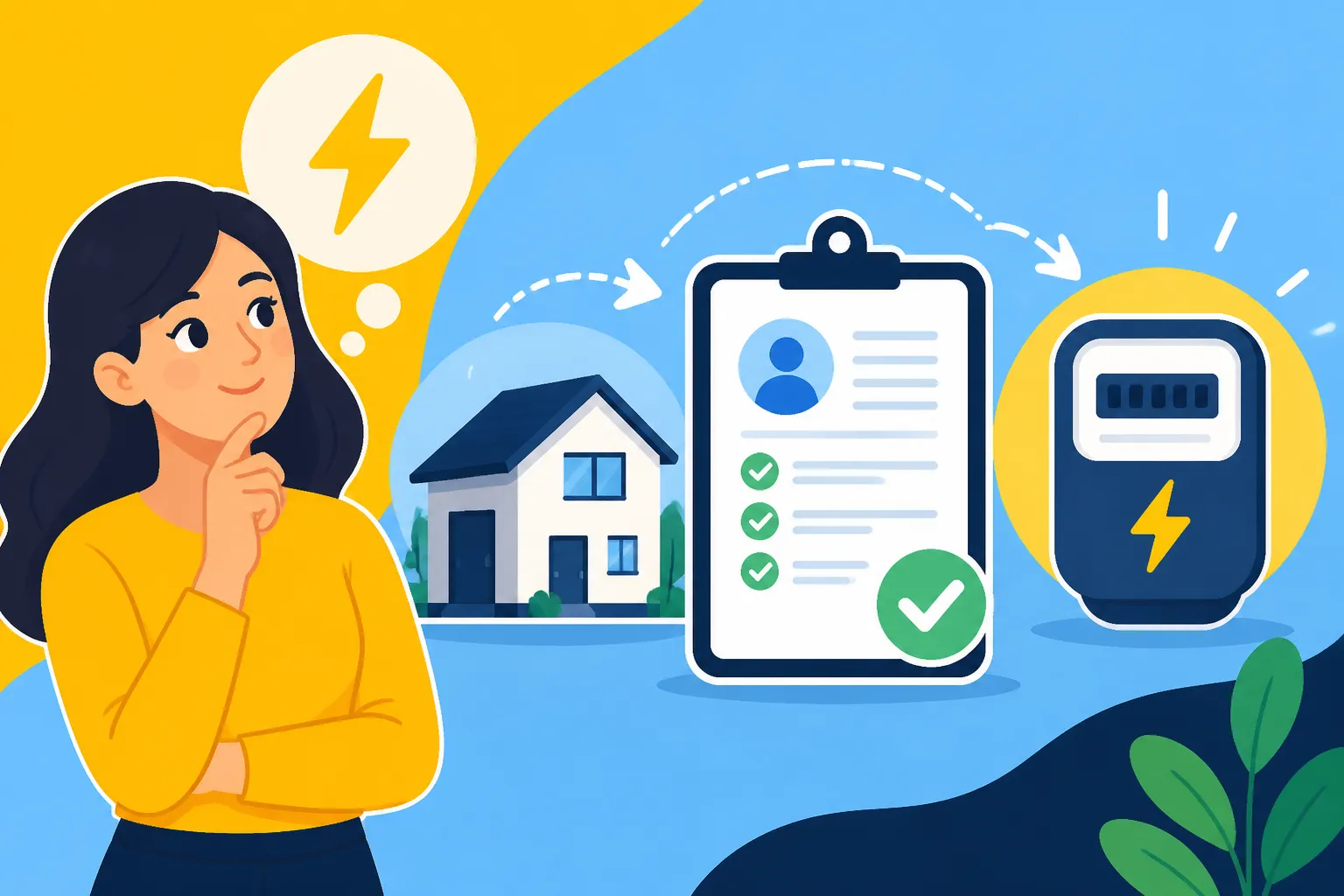
Oh, the joy of moving to Romania! You've navigated the visa process, found a place to live, maybe even started exploring the incredible food scene. Then comes the inevitable, seemingly impenetrable wall of bureaucracy: setting up utilities. Specifically, getting the electricity account into your name can feel like trying to solve a Rubik's Cube blindfolded, especially when you're just settling in. This guide is here to untangle that mess, giving you a clear, empathetic walkthrough on how to put your electricity account firmly in your name, whether you're renting or buying.
The Initial Hurdles of Setting Up Electricity in Romania (And Why It Feels So Complex)
Let's be honest, administrative tasks in a new country are rarely a walk in the park, and Romania has its own unique flavour of paperwork and processes. When it comes to electricity, many expats hit a wall of confusion, and it's not always your fault. The system has evolved, and sometimes, even Romanians find it a bit opaque!
Understanding the Romanian Electricity Market
Not too long ago, Romania operated with regional monopolies for electricity distribution and supply. While the distribution network (the actual poles and wires) still operates regionally, the supply of electricity has been liberalized. This means you now have a choice of suppliers, which, while beneficial for competition and potentially your wallet, can add a layer of complexity for a newcomer.
Imagine arriving and just wanting the lights on, only to find you need to pick a company from a list of several, all with different offers and often only Romanian-language customer service. You’ll hear names like PPC Energie (formerly Enel, a big player), E.ON, Electrica Furnizare, and CEZ Vanzare (also now part of PPC Energie). Each operates across different parts of the country for distribution, but furnizare (supply) can be chosen more freely. You might be in Bucharest and your distribution is handled by PPC Energie, but you can choose E.ON as your supplier. It’s enough to make your head spin! This shift from a single, predictable provider to a competitive market is what often catches new arrivals off guard, leading to initial frustration. The goal is to choose a "furnizor" (supplier) who then works with the "distribuitor" (distributor) in your area to get the power to your home.
Common Documents You'll Need (Prepare for Bureaucracy!)
The golden rule of Romanian administration: always bring more documents than you think you need, and make sure they're in order. When opening an electricity account, you'll find yourself needing a mix of personal identification and proof related to your new home. For most foreigners, the biggest hurdle often starts with the Personal Numeric Code (CNP) and your residence permit. Without these, you’re often stuck before you even begin.
You’ll typically need:
- Your valid passport or ID card: This is standard, of course.
- Your Romanian Residence Permit: This confirms your legal right to reside in the country. Without this, especially for non-EU citizens, many processes simply won't start.
- Your CNP (Personal Numeric Code): This is your unique Romanian identification number, absolutely crucial for almost all administrative tasks, including utilities, banking, and healthcare. If you haven't got one yet, you absolutely need to prioritize it. You can learn more about How to Get Your CNP (Personal Numeric Code) for Healthcare Access in Romania – the process is the same for general administrative use.
- Proof of address: This is usually your rental contract (contract de închiriere) or, if you've purchased a property, your ownership deed (act de proprietate or cadastru). Make sure your rental contract is officially registered with ANAF (the tax authority) by your landlord; sometimes an unregistered contract won't be accepted. You might also want to read up on How to Get Proof of Address and Residence Documents in Romania for a deeper dive into this.
- The previous occupant's last electricity bill: This is a lifesaver! It contains the POD code (Point of Delivery), which uniquely identifies your meter and connection, and tells you who the previous supplier was. It also shows the last recorded meter reading, which is essential for a smooth transfer.
- A proces-verbal de predare-primire (handover protocol) for meter readings. This is a document signed by you and the landlord/previous owner, noting the exact meter readings on the day you take over the property. This ensures you only pay for your own consumption.
Many of these documents, especially rental contracts, often need to be in Romanian. While some larger providers might accept English versions or offer English-speaking staff, it's not a guarantee. Having a trusted Romanian friend, colleague, or even hiring a local assistant can make a world of difference here. During the initial moving phase, managing all this paperwork can feel overwhelming. Services like Sirelo, which help with relocation, can offer a small measure of comfort, knowing other complex parts of your move are handled. For staying connected while you run around dealing with all this, an eSIM from Airalo can be a lifesaver – instant data without hunting for a local SIM card.
Step-by-Step Guide: Transferring an Existing Electricity Account to Your Name
Most expats move into properties where electricity is already connected, but the account is still under the landlord's or previous owner's name. This is the most common scenario, and thankfully, also the most straightforward, once you know the ropes.
Gathering Necessary Documentation
Before you even think about contacting an electricity supplier, get your papers in order. Trust me, showing up unprepared will only lead to exasperated sighs and a wasted trip.
- Identity Document: Your passport (for non-EU citizens) or national ID (for EU citizens) along with your valid Romanian Residence Permit. Make sure you have both the original and several photocopies.
- CNP (Personal Numeric Code): Again, the original and photocopies. If you're struggling to get this, understand that many administrative processes will stall until you have it.
- Proof of Address:
- For renters: Your officially registered contract de închiriere. Ensure it explicitly states your name, the property address, and the start date of the tenancy. Make sure your landlord has registered it with ANAF – this is crucial for its validity in these scenarios. A copy and the original will be needed. You can find more details on How to Sign a Rental Contract (Contract de Închiriere) in Romania.
- For owners: Your Act de Proprietate (ownership deed) and potentially the Cadastru (cadastral documentation). Originals and copies are vital here too.
- Previous Electricity Bill: Get the most recent electricity bill from your landlord or the previous owner. This document is a goldmine. It contains:
- POD (Point of Delivery) code: This is a unique identifier for your specific connection point and is absolutely essential. It's usually a long string of letters and numbers.
- Last meter reading: Crucial for ensuring you only pay for what you consume from the day you take over.
- Name of the current supplier: This tells you who you need to contact.
- Proces-Verbal de Predare-Primire: This is your meter reading handover document. You and your landlord/previous owner should jointly read the electricity meter on the day you move in and sign a document stating that reading. This prevents disputes later. Take a photo of the meter with the reading as extra proof.
- Bank Details: You'll need an IBAN from a Romanian bank account to set up direct debit for your future bills, which is often the easiest payment method.
Choosing Your Electricity Supplier
Once you have all your documents, your next step is to decide if you want to stick with the previous supplier or switch to a new one. In Romania, you have major players, many of whom have absorbed smaller regional ones.
Here are some of the main providers:
- PPC Energie (formerly Enel and CEZ Vanzare): Very prominent, especially in the south and south-east (including Bucharest) and parts of Transylvania.
- E.ON: A major player, particularly in the north-east of the country.
- Electrica Furnizare: Covers various regions, often historically state-owned.
You don't have to stay with the previous supplier, but it's often the simplest route for a new arrival, as it involves less paperwork and a quicker transition. If you do decide to explore other options, it’s worth checking comparison websites, though many are in Romanian. Look for offers that are "concurențial" (competitive) rather than "serviciu universal" (universal service, which is generally more expensive but serves as a default if you don't choose).
To apply, you can typically:
- Visit a physical customer service office: This is often the most reliable method for expats, as you can speak to someone directly, ask questions, and they can check your documents on the spot. Be prepared for potentially long queues, especially in major cities like Bucharest or Cluj-Napoca.
- Apply online: Many providers have online portals. However, these are almost exclusively in Romanian and might require you to have an existing account or use a digital signature, which can be difficult for new expats.
- Send documents via post: This is slower and leaves more room for errors or lost documents.
When you contact the supplier (either in person or online), state clearly that you want to transfer the electricity contract to your name (transfer contract de furnizare energie electrică pe numele meu). You'll provide your documents, the POD code, and the meter reading from your handover protocol.
Submitting Your Application (Online, In-Person, or Via Post)
Let's assume you're going the in-person route, as it tends to be the most efficient for expats.
- Locate the Nearest Customer Service Centre: A quick search for "[Supplier Name] centre clienți [City Name]" will usually give you the address. For example, "PPC Energie centre clienți București".
- Prepare for Your Visit: Bring all original documents and several photocopies. It's also wise to have a printout of the latest bill from the previous occupant. If your Romanian isn't fluent, bring a friend who speaks the language, or at least have Google Translate ready on your phone.
- Explain Your Request: Clearly state you want to put the existing electricity contract in your name. You are not requesting a new connection, just a transfer of ownership for the existing one. Present your documents.
- Fill Out Forms: You'll be given forms to complete. This is where a Romanian speaker will be invaluable. You'll specify your details, the property address, the POD code, and the meter reading.
- Sign the Contract: Once everything is processed, you'll sign a new supply contract. Make sure you understand the terms, especially regarding the tariff plan.
- Set Up Payment: The representative will guide you on setting up direct debit (plată directă/debitează directă) from your Romanian bank account, which is highly recommended for convenience.
After submitting, you'll usually receive a confirmation email or SMS. The transfer itself can take anywhere from a few days to a couple of weeks, depending on the provider and how busy they are. During this period, the electricity will continue to flow; the change is purely administrative.
The Waiting Game and First Bill
Once you've submitted your application, there's often a bit of a waiting period. The supplier needs to process your request, update their records, and officially switch the account to your name.
- Confirmation: You might receive an email or SMS confirming the successful transfer of the contract. This is a good sign!
- Activation: Functionally, the electricity supply won't be interrupted during this change. It's not like turning off the lights and then turning them back on. The switch is all on paper.
- The First Bill: This is where many expats get confused. Your first bill might be a bit unusual. It could be a prorated bill for a partial month, or it might contain charges for the period between your move-in date and the actual activation of your contract. Always compare the meter reading on your first bill with the one you recorded in your proces-verbal de predare-primire. If there's a discrepancy, contact the supplier immediately.
Understanding your electricity bill can be challenging, even for locals. They are often dense with codes, tariffs, and taxes. It's not just about the kWh you consume; there are network tariffs, green certificates, cogeneration bonuses, VAT, and more. If you're struggling to make sense of it all, check out our guide on How Do I Understand My Utility Bills (Facturi) in Romania? for a detailed breakdown.
Setting Up a New Electricity Account (For Brand New Properties)
This scenario is far less common for expats, as it usually applies to brand new constructions or properties that have been disconnected for a very long time. This process is significantly more complex and time-consuming, as it involves physical connection to the distribution network.
Initial Steps for Connection
If you're in this unique situation, you're not just transferring an account; you're initiating a connection.
- Obtain an Aviz Tehnic de Racordare: This is a technical connection approval document. You apply for this at the regional electricity distributor (e.g., Distribuție Energie Electrică Romania for Electrica, or Distribuție Energie Oltenia for PPC Energie in certain areas). This document specifies the technical conditions for connecting your property to the grid, including the type of connection and necessary works. This process involves a technical assessment of your property and could take weeks or even months.
- Engage a Certified Electrician: You'll need to hire a certified electrician to perform the internal electrical installation work in your property, ensuring it complies with national standards and the conditions specified in the Aviz Tehnic. They will issue an instalație electrică (electrical installation certificate).
- Submit Documentation for Connection: Once the technical works are done, you'll submit the Aviz Tehnic de Racordare, your ownership documents, the electrician's certificate, and personal ID/CNP to the distributor. They will then perform the actual connection, install a meter, and issue a contract de racordare.
Finding a Supplier for a New Connection
Unlike transferring an existing account, where you contact the supplier, for a brand-new connection, your initial contact is with the distributor. Only after the physical connection is established and you have your POD code from the distributor can you then choose an electricity supplier (PPC Energie, E.ON, Electrica Furnizare, etc.) and sign a supply contract with them, much like in the process of transferring an account.
This process is far more involved and usually requires a good understanding of Romanian, strong technical assistance, and a lot of patience. It’s certainly not a quick fix like the transfer process.
Troubleshooting and Expat Tips for Managing Your Electricity Account
Even after you've successfully put the electricity account in your name, living in Romania means facing new challenges. Here are some tips to keep the power on and your sanity intact.
Dealing with Language Barriers and Support
The language barrier is arguably the single biggest hurdle for most expats in Romania when dealing with utilities. While customer service agents at larger companies might speak some English, it's never guaranteed.
- Be Prepared: Have key phrases written down in Romanian. For example, "Vreau să transfer contractul de electricitate pe numele meu" (I want to transfer the electricity contract to my name).
- Bring a Translator: If you have a Romanian friend or colleague, ask if they can accompany you to the office or help you make a phone call. Sometimes, your landlord might be willing to help too, though don't rely on it.
- Use Translation Apps: Google Translate is your friend, but be aware of nuances. For complex issues, a human translator is always better.
- Online Help: Some providers might have basic FAQs in English, but most customer portals are entirely in Romanian. For connectivity to assist with translations on the go, an Airalo eSIM can be really useful so you're not stuck without data.
Patience is key. Getting flustered won't help. A polite, persistent approach, coupled with clear documentation, is your best bet.
Understanding Your Bills and Payments
Romanian utility bills can be incredibly detailed and confusing. They often include a multitude of charges beyond just your consumption.
- Breakdown of Costs: Expect to see not only your consumption in kWh but also:
- Tarif de transport și distribuție: Tariffs for using the national grid and local distribution network.
- Certificate verzi: Green certificates, a charge to support renewable energy.
- Cogeneration: A tax to support combined heat and power plants.
- Acciză: Excise tax.
- TVA: Value Added Tax (VAT), currently 19%.
- Payment Methods:
- Direct Debit (Plată Directă): This is the most convenient. The amount is automatically deducted from your bank account.
- Online Banking: Most Romanian banks offer bill payment services where you can select the utility provider and enter the bill number (cod client or număr factură).
- Ghișeul.ro: For certain bills, this government portal allows online payment using a bank card. It’s great for managing various payments. Find out more at Understanding Ghișeul.ro and Digital Government Services in Romania.
- PayPoint/Un-Doi terminals: Located in supermarkets, convenience stores, and sometimes pharmacies, these terminals allow cash payments. You just need your bill.
- Post Offices (Poșta Română): You can pay bills in cash at any post office.
Always pay your bills on time to avoid penalties or, in severe cases, disconnection. Most bills have a due date (often around 15-20 days from issue).
Energy Efficiency and Cost Saving
Once you're all set up, you might start thinking about how to manage your consumption and save a few lei.
- Meter Readings: Some suppliers allow you to submit your own meter readings online or via phone (known as autocitire). This ensures your bill is based on actual consumption rather than estimates. Make a habit of doing this, especially during peak billing periods.
- Compare Offers: Don't just stick with your initial provider out of inertia. Periodically, check competitive offers from other suppliers. The market rates can change, and you might find a better deal.
- Smart Habits: Simple things can make a difference. Unplugging electronics, using energy-efficient appliances, switching to LED bulbs, and being mindful of heating/cooling settings (especially during the extreme Romanian summers and winters) can significantly reduce your bill. The overall The Complete Guide to Cost of Living in Romania for Expats (2026) can provide more context on how these costs fit into your wider budget.
- Other Utilities: Remember that electricity is just one piece of the puzzle. You'll also need to consider gas, water, and internet. Read our guide on How to Set Up Water, Heating and Gas in Romania and How to Choose a Mobile and Internet Provider in Romania for comprehensive advice on these.
Moving to Romania and setting up your new life is an adventure, and sorting out utilities is a necessary, albeit often frustrating, part of it. By following these steps, being prepared, and approaching the process with a bit of patience (and maybe a Romanian dictionary!), you'll have your electricity sorted in no time. For more holistic advice, delve into The Complete Guide to Moving to Romania: Your First 90 Days (2027) which can help you navigate these initial challenges, including finding your How to Find and Rent Long-Term Accommodation in Romania.
Disclaimer
The information provided in this guide is intended for general informational purposes only and does not constitute legal, financial, or professional advice. While we strive to keep the content accurate and up-to-date, regulations and procedures in Romania can change frequently. Expats are strongly advised to verify all information with official sources, such as the relevant utility providers, government agencies, or qualified legal and financial professionals, to ensure compliance with current laws and regulations. We do not assume any responsibility for any actions taken based on the information contained herein.