The Complete Guide to Moving to Romania: Your First 90 Days (2027)
Moving to Romania can feel like an exhilarating adventure, but let's be honest, it often starts with a healthy dose of confusion and bureaucratic headaches. From deciphering official documents in Romanian to navigating entirely new systems for everything from banking to healthcare, the initial 90 days are a whirlwind. This comprehensive guide is here to walk you through those critical first three months, offering practical advice and empathetic insights to help you settle in smoothly and avoid some of the common expat pitfalls.
Before You Even Pack: Pre-Arrival Essentials
The key to a less stressful arrival in Romania is undoubtedly preparation. Before you even think about packing that last suitcase, there's a significant amount of groundwork to lay, especially regarding your legal status and the essential paperwork you'll need. Trust me, getting these ducks in a row now will save you countless headaches later.
Visa and Residence Permit Preparation
Your eligibility to live and work in Romania is the absolute first thing you need to sort out. For many non-EU/EEA citizens, this journey begins with a long-stay visa (Type D visa) obtained from a Romanian embassy or consulate in your home country. This isn't just a travel document; it's your entry ticket that allows you to apply for a proper residence permit once you're on Romanian soil. Understanding the specific type of visa you need – whether it's for work, study, family reunification, or even the increasingly popular How to Apply for Romania's Digital Nomad Visa – is crucial. Each category has its own strict criteria, and failing to meet them can set you back significantly.
Once you arrive with your long-stay visa, the real fun begins: applying for your actual residence permit. This is handled by the General Inspectorate for Immigration (IGI), and it’s a process that demands patience and precision. You typically have a short window, often within 30 days of arrival, to submit your application. Don't underestimate the time it takes to gather all the required documents and book an appointment; many expats end up scrambling at the last minute because they didn't realize how quickly that initial window closes. Getting your The Complete Guide to Romanian Residence Permits for Expats (2027) sorted quickly is paramount.
Essential Document Gathering
Romania is a country that loves its paperwork, and moving here means you’ll be accumulating quite a stack. Before you leave your home country, gather and organize every single official document you can think of. This isn't just about your passport and visa; we're talking about birth certificates, marriage certificates, university diplomas, employment contracts, medical records, bank statements, and criminal record checks. Ensure that any vital records that aren't in English or Romanian are officially translated and notarized. While not everything will need to be apostilled, it’s always better to check the specific requirements for your nationality and situation – a quick call to the Romanian embassy can clarify this.
It’s also wise to make multiple copies, both physical and digital, of all these documents. Keep them in a separate, easily accessible folder that you can carry with you, not stuffed deep in a checked bag. Having a checklist and systematically going through it before you leave will save you from frantic international calls and desperate searches. Remember, the more organized you are, the smoother your administrative journey will be when you arrive.
Financial Planning and Initial Budgeting
Moving to a new country always comes with upfront costs, and Romania is no exception. Beyond your flight and initial temporary accommodation, you need to budget for visa and residence permit fees, mandatory health insurance, deposits for rental properties, utility setup costs, and daily living expenses before your first Romanian paycheck rolls in. It's often recommended to have at least three to six months' worth of living expenses saved up to cover any unexpected delays or costs.
Consider how you’ll access your funds initially. While credit cards are widely accepted in major cities, having some local currency (Lei, or RON) on hand for immediate needs is a good idea. Also, research international money transfer services and the fees associated with using your home bank card abroad. Some banks might charge hefty conversion fees or ATM withdrawal charges, which can quickly eat into your budget. Being realistic about your financial situation and planning for a buffer will significantly reduce financial stress during your initial settlement period.
Touching Down: Your First Week in Romania
The plane has landed, you’ve cleared immigration, and you’re officially in Romania! Congratulations! Now, while the excitement is still fresh, it’s time to tackle some immediate practicalities. The first week is all about getting your bearings, finding your temporary nest, and ensuring you can communicate with the outside world.
Airport Arrival and Initial Transportation
Romania's main international airport is Henri Coandă International Airport (Otopeni – OTP) in Bucharest, but you might also fly into Cluj-Napoca, Iași, Timișoara, or another regional hub. Upon arrival, navigating a new airport, especially after a long flight, can be daunting. Signage is generally clear, but if you don't speak Romanian, it can be a bit overwhelming. Have your accommodation address written down clearly, along with any contact numbers for your host or hotel.
For transport from OTP to Bucharest city center, you have several reliable options. Taxis are available, but always use the yellow taxis with meters from the designated taxi ranks – avoid unofficial drivers who approach you inside the terminal. Better yet, download ride-sharing apps like Bolt or Uber before you even land; they’re widely used, reliable, and you can pay directly through the app, avoiding any currency fumbling. There's also an express bus service (783) that runs 24/7 from the airport to Piața Unirii, the city center, which is very affordable. If you've arranged airport pickup through your employer or a relocation service like Sirelo, even better – that’s one less thing to worry about. For other cities, checking the specific airport transport options beforehand is always a smart move.
Temporary Accommodation and First Steps
Unless you’re incredibly lucky and moving straight into a permanent place, your first stop will likely be temporary accommodation. This could be a hotel, an Airbnb, or a serviced apartment. Make sure this booking is secure and confirmed well in advance, especially if you’re arriving during peak season or a local holiday. The comfort of having a guaranteed place to rest after your journey cannot be overstated.
Once you’re settled into your temporary digs, take a moment. Breathe. Then, start tackling a few essentials. Locate the nearest grocery store for basic supplies, and familiarize yourself with the immediate neighborhood. Don’t try to do too much on the first day – jet lag is real, and the administrative marathon will begin soon enough. Use this time to explore on foot, get a feel for the local rhythm, and simply observe. This initial period is also a great opportunity to start researching your long-term housing options, which will become a priority very soon.
Getting Connected: SIM Cards and Internet
One of the most immediate needs, especially in our digital age, is getting connected. Having a local phone number is essential for everything from setting up appointments to ordering food. Romania boasts excellent mobile network coverage and surprisingly affordable plans. You can easily pick up a prepaid SIM card at the airport or any major supermarket (like Carrefour or Mega Image) or dedicated store for providers like Orange, Vodafone, or Telekom. Just ask for a "cartelă SIM prepay." They’re usually quite cheap, often coming with generous data allowances. You'll typically need your passport for registration.
If your phone supports eSIM technology, consider a service like Airalo for instant connectivity upon landing. This allows you to have data even before you get a local physical SIM, which can be incredibly helpful for navigation or calling an Uber without hunting for Wi-Fi. For home internet, if you're in temporary accommodation, it's usually included. For your future permanent home, providers like Digi RCS&RDS, Orange, and Vodafone offer fast and reliable fiber optic internet at competitive prices. Sorting out your mobile connectivity promptly will make all subsequent steps significantly easier.
Navigating Bureaucracy: The First Month's Must-Dos
Okay, deep breaths! Now that you're somewhat settled, the real challenge begins: Romanian bureaucracy. This can be the most frustrating part of moving here, but with patience and the right information, you’ll get through it. This first month is primarily dedicated to formalizing your stay.
Securing Your Residence Permit
This is arguably the most critical task on your first-month agenda for non-EU/EEA citizens. As mentioned earlier, your long-stay visa gives you a limited window to apply for your actual residence permit (Permis de Ședere) at the General Inspectorate for Immigration (IGI) local office. This document is your proof of legal residency in Romania and is absolutely vital for almost every other administrative task. The process involves submitting a dossier of documents – and trust me, they need to be exact.
You'll need your passport, visa, proof of address (a rental contract or a declaration from your host), proof of sufficient funds, a medical certificate, valid health insurance, and photographs, among other things. The IGI website provides detailed lists, but these can change, so always double-check. Expect long waiting times, even with an appointment, and a thorough review of your paperwork. If anything is missing or incorrect, they will send you away to fix it. My advice? Book your appointment online as soon as possible, prepare your file meticulously, and go with a positive, patient attitude. The staff are generally helpful, but they work strictly by the book.
Obtaining Your CNP and Tax Number
Once your residence permit application is in progress or even before, you'll need to secure your Personal Numeric Code (CNP) and a tax identification number (NIF). For many, the CNP is issued automatically with your residence permit. It’s a unique 13-digit number that identifies you in all Romanian public systems – from healthcare to banking. Think of it as your unique national ID number. Without a CNP, accessing many services, including getting a family doctor or opening a proper bank account, will be extremely difficult, if not impossible.
If you don't receive it directly with your residence permit, or if you need it sooner for specific purposes, you might have to apply for it separately at the Direction for Persons' Records and Database Administration. For tax purposes, especially if you're employed or self-employed, you'll also need a tax number (NIF) from the National Agency for Fiscal Administration (ANAF). While your CNP often serves this purpose for individuals, sometimes a separate NIF is required. It's best to consult your employer or an accountant to clarify the exact requirements for your situation, and be ready to navigate the world of How to Get a Romanian Tax Number (NIF) and CNP. These numbers are your keys to integrating into Romania's administrative and financial systems.
Opening a Romanian Bank Account
This is another significant milestone in your first month. While you can certainly rely on your foreign bank cards for a while, having a local Romanian bank account makes life infinitely easier for receiving salary, paying bills, and avoiding international transaction fees. The good news is that opening one as a foreigner is generally straightforward once you have your residence permit and CNP.
Major banks like Banca Transilvania, BCR, ING Bank, and Raiffeisen Bank are popular choices among expats. Each has slightly different requirements, but generally, you'll need your passport, residence permit, CNP, and proof of address. Some banks might also ask for proof of income or your employment contract. While some online banks offer digital onboarding, for new residents, an in-person visit is often required. Don't be shy about asking if they have English-speaking staff, as many larger branches in cities do. Be prepared for a potentially lengthy visit, but walking out with a Romanian debit card in hand is a fantastic feeling – you've truly taken a big step towards feeling at home. Read our guide on The Expat Guide to Opening a Bank Account in Romania for more details.
| Step | Estimated Time | Key Documents Needed | What It Enables |
|---|---|---|---|
| Long-Stay Visa Application | 2-8 weeks (pre-arrival) | Passport, invitation, proof of funds, health insurance, etc. | Entry into Romania |
| Residence Permit Application | 1-3 weeks (post-arrival) | Passport, visa, rental contract, medical cert, photos, health insurance | Legal residency, CNP issuance |
| CNP Acquisition | With residence permit, or 1-2 weeks separately | Passport, residence permit | Official identification, healthcare, banking |
| Tax Number (NIF) | With CNP, or 1-2 weeks separately | CNP, residence permit, employment contract | Tax obligations |
| Open Bank Account | 1-3 business days | Passport, residence permit, CNP, proof of address | Local banking, bill payments, salary |
Setting Up Your Home Base: Accommodation and Utilities
Finding a place to call your own and getting the lights on are fundamental to feeling settled. This is where your focus will likely shift after the initial paperwork rush. Romania offers a range of accommodation types, but understanding the local market and utility systems is crucial.
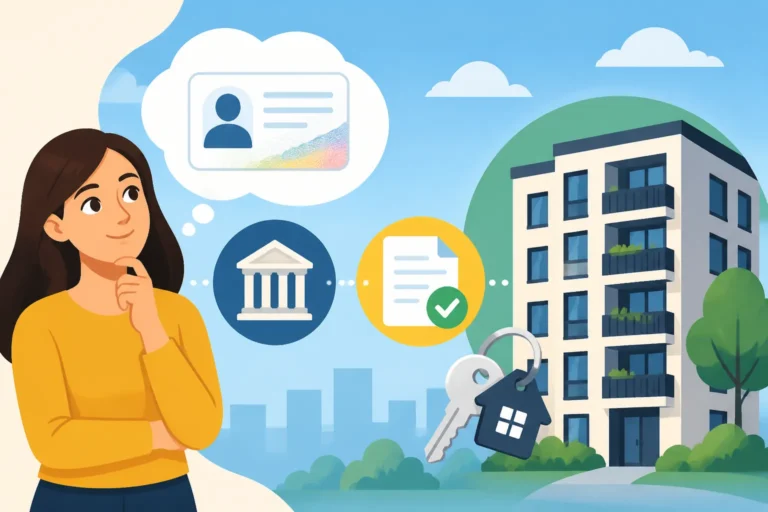
Finding Long-Term Accommodation
The rental market in Romania, especially in major cities like Bucharest, Cluj-Napoca, or Timișoara, can be competitive. Most expats opt to rent apartments, which range from modern studios to spacious three or four-room units. Begin your search online using popular Romanian real estate portals like OLX.ro, Imobiliare.ro, or Storia.ro. These platforms often list properties directly from owners or through real estate agents. Working with a reputable agent can be incredibly helpful, especially if you're not fluent in Romanian. They can help you navigate listings, arrange viewings, and understand the terms of the rental agreement.
When viewing properties, pay close attention to the heating system (centralized vs. individual heating), the condition of appliances, and the "bloc" (apartment building) itself. Many older buildings might have higher maintenance fees (întreținere) or require more repairs. Be prepared to pay a security deposit, usually one or two months' rent, in addition to the first month's rent upfront. Always insist on a formal, written [How to Sign a Rental Contract (Contract de Închiriere) in Romania), ideally in both Romanian and English, that clearly outlines all terms, responsibilities, and the duration of the lease. This protects both you and the landlord. For a deeper dive into finding a home, check out our guide on How to Find Long-Term Accommodation in Romania.
Setting Up Essential Utilities
Once you have your long-term place, transferring or setting up utilities will be next. This process often feels like a rite of passage for expats in Romania, as it can be a bit fragmented. You'll typically have separate providers for electricity, natural gas (if applicable), water, and potentially district heating. For electricity, major providers include Enel, E.ON, and CEZ. For natural gas, look at Engie or E.ON. Water services are usually municipal.
If you're renting, your landlord might handle the transfer of accounts to your name, or they might expect you to do it. Ensure that you clarify this in your rental contract. You’ll need your residence permit, CNP, and the rental contract to open new accounts. It’s also important to get the previous tenant’s final meter readings to avoid paying for their consumption. Paying bills is increasingly streamlined through online banking or at dedicated payment points (PayPoint, SelfPay terminals in supermarkets), but initially, understanding the Romanian "facturi" (bills) can be a challenge. Don't be afraid to ask for help from your landlord or an English-speaking colleague to understand your first few bills. Our guide on How to Set Up Electricity in Your Romanian Home provides more targeted advice.
Understanding Rental Contracts and Tenant Rights
Understanding your rights and obligations as a tenant in Romania is paramount. Rental contracts, or "contracte de închiriere," should always be registered with ANAF (the tax authority) by your landlord. This registration provides an extra layer of legal protection for both parties. A properly drafted contract will specify the rent amount, payment due dates, deposit details, notice periods for termination, and responsibilities for repairs and maintenance.
Common pitfalls for new expats include verbally agreed terms that aren't in the contract, landlords withholding deposits unfairly, or disputes over utility consumption. Always document the condition of the apartment with photos or videos before you move in, and ensure these are acknowledged by the landlord. Clarify who is responsible for "întreținere" (building maintenance fees, which cover common areas, garbage, and often heating in older blocks). Knowing these details upfront and having them explicitly stated in your contract will prevent many potential misunderstandings down the line.
Getting Around and Staying Connected: Transport and Communication
Now that you have a place to live, it’s time to move beyond the immediate vicinity and connect with the wider world, both physically and digitally. Romania's infrastructure has improved significantly, but there are still quirks to learn.
Public Transport and Driving Basics
Romania's public transport system is extensive, particularly in larger cities. Bucharest has an impressive metro system (Metrorex) and a vast network of buses, trams, and trolleybuses run by STB. A unified travel card makes using these services convenient; you can top it up at kiosks or sometimes even via mobile apps. For intercity travel, trains (CFR Călători) are a popular and affordable option, though they can be slow, or you can opt for long-distance buses.
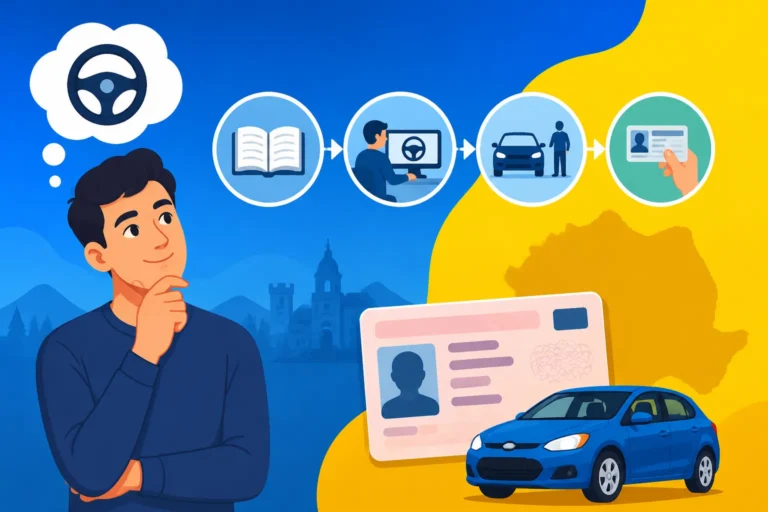
If you plan to drive, be aware that Romanian roads can be challenging. Outside major cities, road quality varies, and aggressive driving can be common. If you have an EU/EEA driving license, you can generally use it without issue. Non-EU/EEA citizens may need an International Driving Permit (IDP) alongside their national license. Eventually, if you become a long-term resident, you will need to exchange your foreign license for a Romanian one. Vehicle registration, insurance (RCA), and annual technical inspections (ITP) are mandatory. And don't forget the "rovinietă," a toll sticker required for driving on national roads and motorways. Our The Expat Guide to Public Transport in Romania offers more in-depth advice.
Staying Connected: Mobile and Home Internet
While we touched on this in your first week, this is about solidifying your long-term connectivity. If you started with a prepaid SIM, you might consider switching to a monthly subscription plan ("abonament") for better rates or bundled services. Providers like Orange, Vodafone, and Digi Mobil (RCS&RDS) offer various packages that often include unlimited national calls and generous data allowances.
For home internet, as mentioned, fiber optic is the standard in urban areas. Digi RCS&RDS is known for its competitive prices and high speeds, making it a favorite among many residents. Orange and Vodafone also offer strong packages, often bundling TV services. Installation can take a few days to a week, so plan accordingly. Having reliable, fast internet isn't just a luxury; it's essential for staying in touch with family, working remotely, and streaming your favorite shows after a long day of navigating Romanian life.
Finding Your Way Around: Apps and Local Tips
Modern life in Romania is made significantly easier by a host of useful apps. Google Maps and Waze are indispensable for navigation, whether you’re walking, driving, or using public transport. For ride-sharing, Uber and Bolt are dominant. Food delivery services like Glovo, Tazz, and Bolt Food are incredibly popular, offering everything from local Romanian cuisine to international fare directly to your door.
To keep up with local events, news, and expat groups, Facebook groups for expats in your city (e.g., "Expats in Bucharest") are invaluable resources. They’re great for asking questions, getting recommendations, and finding social events. Learning a few basic Romanian phrases will also go a long way in making your daily interactions smoother, even if many people in larger cities speak English. A simple "Bună ziua" (good day) or "Mulțumesc" (thank you) can open doors and warm up interactions.
Healthcare and Wellbeing: Prioritizing Your Health
Healthcare is a critical aspect of any move, and Romania's system, like many, can feel complex to a newcomer. Prioritizing your health and understanding how to access medical care is essential during your first 90 days.
Navigating Romanian Healthcare Access
Romania has a dual healthcare system: a public system (funded by CASS contributions to the National Health Insurance House, CNAS) and a growing private sector. As a legal resident, if you are employed or self-employed in Romania, you will be contributing to the CASS system, which grants you access to public healthcare services. However, simply having CASS doesn't mean everything is free or instant; there are co-pays, referral systems, and sometimes waiting lists, particularly for specialist appointments or non-emergency procedures. Understanding The Complete Guide to Healthcare in Romania for Expats (2027) is a must.
Many expats choose to supplement public healthcare with private health insurance or a private medical subscription (abonament) from networks like Regina Maria or MedLife. These private options offer faster access to specialists, more comfortable facilities, and often English-speaking staff, which can be a huge relief when you’re feeling unwell and struggling with a language barrier. It's important to understand the waiting periods associated with both public and private insurance plans, as you might not be fully covered for all services immediately.
Finding a Family Doctor
One of the cornerstones of the Romanian healthcare system is the "medic de familie" (family doctor or GP). Registering with one is mandatory if you want full access to public healthcare, as they act as your gatekeeper for specialist referrals and prescriptions. Finding a family doctor who accepts new patients and, ideally, speaks English, can be a bit of a hunt, especially in smaller towns. In larger cities, you'll have more options.
You'll typically need your residence permit and CNP to register. Once registered, your family doctor will be your first point of contact for routine check-ups, minor ailments, and chronic condition management. They are crucial for obtaining "bilete de trimitere" (referrals) to see specialists, which are required for public system coverage. Take your time to find a doctor you feel comfortable with; it makes a huge difference to your overall healthcare experience. For more detailed steps, refer to How to Choose and Register with a Family Doctor (Medic de Familie) in Romania.
Mental Health and Support Services
Moving to a new country, even one as welcoming as Romania, can take a toll on your mental health. Culture shock, language barriers, feelings of isolation, and the stress of administrative processes are all very real. Don't hesitate to prioritize your mental wellbeing. Romania has a growing number of mental health professionals, including psychologists and therapists, many of whom offer services in English, especially in Bucharest and Cluj-Napoca.
Some private clinics offer mental health services as part of their subscription packages. There are also online platforms where you can find therapists who cater to expats. Connecting with expat communities online or through local meet-ups can provide a crucial support network, allowing you to share experiences and find solidarity with others facing similar challenges. Remember, it's okay to ask for help, and resources are available to ensure you maintain your mental and emotional health during this significant life transition.
Integrating into Romanian Life: Culture and Community
Beyond the practicalities, truly moving to Romania means embracing its rich culture and finding your place within its communities. The first 90 days are a fantastic opportunity to start this journey.
Language Learning and Cultural Nuances
While many Romanians, especially younger generations and those in customer service in larger cities, speak English, learning Romanian will significantly enrich your experience. Even basic phrases will earn you respect and appreciation from locals. Consider enrolling in a language course; many cultural centers and private schools offer classes for foreigners. Even apps like Duolingo or Memrise can get you started. Our guide on Learning Romanian: A Complete Guide to Language Courses and Levels can help you find the right fit.
Beyond language, familiarizing yourself with Romanian customs and etiquette is key. Romanians are generally warm and hospitable, but they value politeness and respect. Punctuality is appreciated, though perhaps not as strictly adhered to as in some Western cultures. Understanding the importance of family, traditional holidays, and the country's fascinating history will help you connect on a deeper level. Don't be afraid to ask questions; most Romanians are delighted to share insights into their culture.
Building a Social Circle
Loneliness can be a real struggle for expats. Proactively building a social circle is one of the best antidotes. Start by connecting with other expats through online groups (e.g., Facebook, Meetup.com) or at expat events. These communities are often a treasure trove of information and support. Many international organizations, chambers of commerce, and cultural institutions in Romania also host events where you can meet like-minded individuals.
Don’t limit yourself to just expat circles, though. Make an effort to connect with Romanians. If you have colleagues, ask them out for coffee or lunch. Join local clubs or groups that align with your interests – whether it's hiking, book clubs, sports, or volunteering. Romanians are known for their hospitality, and once you break the ice, you’ll often find yourself welcomed into their homes and social circles with open arms. Building these connections takes time, but it's incredibly rewarding.
Exploring Local Life and Expat Resources
Romania is a country of incredible diversity, from the vibrant urban centers to the serene, traditional villages and stunning natural landscapes. Use your first 90 days to explore! Wander through local markets (piață) to discover fresh produce and local delicacies. Visit historical sites, art galleries, and museums. Sample the delicious Romanian cuisine – from sarmale to mici, there's a lot to try!
Beyond tourism, tap into expat-specific resources. Websites, blogs, and forums dedicated to expats in Romania (like this one!) offer a wealth of information on everything from local service providers to social events. Many cities have dedicated expat associations that organize regular gatherings and provide support. Don't be shy about reaching out; these resources are there to make your transition smoother and help you discover the best of Romanian life.
Beyond the Basics: Important Considerations
As your first 90 days draw to a close, you’ll have a much better handle on daily life in Romania. However, there are still a few significant considerations, especially if you're moving with family or planning a truly long-term stay.
Education for Expat Families
If you're moving to Romania with children, figuring out their schooling will be a top priority. Romania offers a range of educational options. Public schools teach in Romanian, and while some parents opt for immersion, it can be a steep learning curve for non-Romanian speaking children.
The most common choice for expat families, especially those on shorter assignments or with older children, is often one of the international schools. Major cities like Bucharest and Cluj-Napoca host several reputable international schools that follow various curricula (e.g., British, American, International Baccalaureate). These schools typically have diverse student bodies and English as the primary language of instruction. Be aware that tuition fees for international schools can be significant, so factor this into your financial planning. Early application is also often necessary, as places can be limited. For more details on this, our guide on Understanding International Schools and Their Costs in Romania can provide clarity.
Understanding Local Laws and Customs
While you've been navigating bureaucratic processes, it's also important to grasp the everyday legal landscape and social customs. For instance, public intoxication is generally frowned upon, and while smoking is allowed in designated areas, it's banned in enclosed public spaces. Be aware of traffic laws, including speed limits and parking regulations, as fines can be hefty.
Politically, Romanians are generally open about discussing current affairs, but it's wise to listen more than talk initially to gauge sensitivities. When visiting churches or monasteries, dress modestly. Always carry a form of ID, preferably your residence permit, as local authorities may ask for it. A general rule of thumb is to observe local behavior and emulate it; Romanians appreciate when foreigners make an effort to integrate respectfully.
Planning for the Future: Long-Term Steps
As you reach the 90-day mark, it’s a good time to reflect on your experience and start planning for your longer-term future in Romania. Are you considering buying property? Then you'll need to understand the specifics of How to Buy Property in Romania as a Foreigner: The Full Guide (2027). Are you thinking about setting up your own business? Research the options for Self-Employment in Romania: The PFA and SRL Guide for Foreigners.
If you envision a permanent stay, you might eventually consider applying for Permanent Residence in Romania: The Complete Pathway (2027) or even Romanian citizenship. These are significant steps that require years of legal residency and often a demonstrated integration into Romanian society, including language proficiency. Use these initial 90 days as a foundation, learning the ropes and building your network, to ensure your long-term plans are built on solid ground.
Disclaimer
The information provided in this guide is intended for general informational purposes only and does not constitute legal, financial, or medical advice. While we strive to provide accurate and up-to-date information, regulations and procedures in Romania can change frequently. It is always recommended to consult with relevant legal professionals, immigration authorities, tax advisors, or healthcare providers for advice tailored to your specific situation. We cannot be held responsible for any inaccuracies or outdated information.