The Expat Guide to Public Transport in Romania
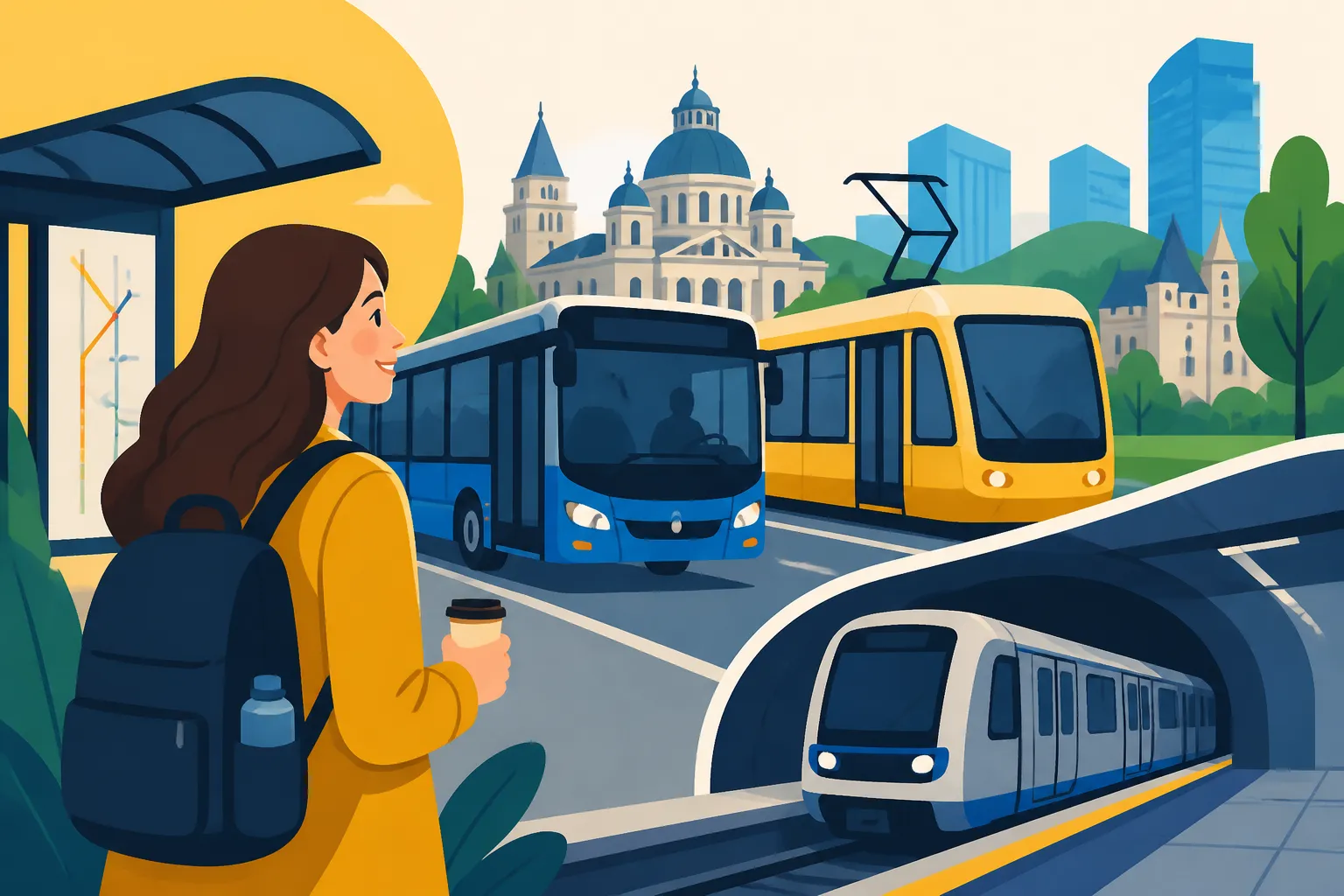
Stepping into a new country like Romania, you quickly realize that getting around isn't always as straightforward as it seems back home. While the romantic idea of strolling through cobblestone streets or zipping through traffic in a taxi might appeal, the reality of daily commutes, weekend explorations, and simply reaching your destination often boils down to mastering the public transport system. This guide is here to untangle the complexities, explain the quirks, and help you navigate buses, trams, trolleybuses, and trains across Romania with a seasoned expat's insight.
Getting Your Head Around Public Transport in Romania – A Reality Check
When you first arrive, whether you're landing at Henri Coandă International Airport in Bucharest or a smaller regional airport, the sheer variety and sometimes perceived chaos of Romanian public transport can be a bit overwhelming. But trust me, once you get the hang of it, it’s not only incredibly cost-effective but also a fantastic way to truly experience daily life here.
The Initial Shock: A Mix of Old and New
Romania’s public transport infrastructure is a fascinating blend of eras. In bigger cities like Bucharest or Cluj-Napoca, you'll find modern, air-conditioned buses and sleek trams running alongside older models that might evoke a sense of nostalgia – or mild trepidation, depending on your perspective. The metro in Bucharest is surprisingly efficient and clean, a real lifeline for residents, yet once you surface, the bus routes can feel like a labyrinth if you don't know what you're doing.
This duality means that while some parts of the system are highly digitalized, with apps and electronic payment options, others still rely on physical tickets and a bit of guesswork. Don't be surprised if your bus ride through a historic city center feels like a journey through time, only to be followed by a seamless metro connection. It’s part of the charm, but it certainly keeps you on your toes. The key is to be prepared for anything and keep an open mind; flexibility is your best friend when dealing with Romanian public transport.
Why Public Transport is Often Your Best Bet
For many expats, especially those living in larger cities, public transport isn't just an option; it's often the most logical and efficient way to get around. Traffic in Romanian cities, particularly Bucharest, can be notoriously bad, turning a short drive into a lengthy ordeal. Parking is also a significant headache, often scarce and expensive. If you’re considering the overall Cost of Living in Romania for Expats (2026), opting for public transport can dramatically cut down your monthly expenses compared to owning a car, paying for fuel, insurance, and maintenance.
Beyond the practicalities, public transport offers a unique vantage point on Romanian life. You'll observe the rhythms of daily commutes, overhear snippets of conversation (a great way to pick up some Romanian!), and generally feel more connected to your adopted home. For tourists, it's an authentic way to explore, reaching attractions that might be less accessible by car or simply too far to walk. It's also an eco-friendlier choice, contributing to less pollution and congestion in urban centers.
Language Barriers and Navigating Information
One of the biggest frustrations for newcomers is undoubtedly the language barrier. While younger generations and those working in tourist-facing roles often speak English, you can’t always count on it, especially with bus drivers or ticket vendors in smaller kiosks. Most signs and announcements will be in Romanian, and while Google Translate can be a lifesaver, it doesn't always handle live, fast-paced announcements.
This is where preparation becomes crucial. Before you head out, try to have your destination written down or pinned on a map. Learn a few basic phrases like "unde este stația de autobuz?" (where is the bus station?) or "un bilet, vă rog" (one ticket, please). Online resources and apps (which we'll discuss later) have made things significantly easier, but nothing beats a bit of local knowledge or a friendly smile. Don't be afraid to ask for help; Romanians are generally quite helpful, even if communication is a challenge. Sometimes, a combination of gestures and a few words is all it takes to get pointed in the right direction.
Bucharest: The Beating Heart of Romania's Public Transport
Bucharest, as the capital and largest city, naturally boasts the most extensive and complex public transport network in Romania. You've got the metro, operated by Metrorex, and the surface transport (buses, trams, and trolleybuses), managed by STB (Societatea de Transport București). Getting a grip on both is essential for living or visiting here.
Navigating the Bucharest Metro (Metrorex)
The Bucharest Metro is a godsend for getting across the city quickly, bypassing the notorious traffic jams. It’s clean, relatively safe, and generally reliable, especially during peak hours when surface transport can grind to a halt. Currently, there are five lines (M1, M2, M3, M4, M5, with M6 under construction), covering key areas of the city, connecting residential districts with business hubs, universities, and major attractions.
Purchasing tickets for the metro is fairly straightforward. You'll find automated ticket machines in all stations that accept both cash and card payments. These machines typically have an English language option. You can buy a 2-trip card, a 10-trip card, or a day pass, 3-day pass, or even a monthly subscription if you plan to use it frequently. While the cards are generally reloadable, sometimes you just need a new one. Remember, you validate your card by touching it to the reader at the turnstiles both when entering and exiting the station. Fares are quite reasonable, making it an attractive option for daily commutes. For long-term residents, a monthly pass is usually the most economical option, especially if you get a personalized card.
The Extensive STB Network: Buses, Trams, and Trolleybuses
Once you emerge from the metro, or if your destination isn't near a metro station, the STB network takes over. This extensive system of buses, trams, and trolleybuses covers virtually every corner of Bucharest. It's comprehensive, but also where things can get a little more intricate. Buses are numbered, trams are also numbered (and sometimes have letters like 1/10 for different routes), and trolleybuses are electric buses that draw power from overhead lines.
The challenge here lies in the sheer number of routes and understanding which one goes where. Google Maps is your friend, but many local apps (which we'll explore later) offer real-time tracking, which is invaluable. Unlike the metro, surface transport doesn't always run with the same punctuality, especially during rush hour. However, dedicated bus lanes are becoming more common in Bucharest, helping to alleviate some of the congestion. Keep an eye out for express lines (marked 'Express') that offer fewer stops and faster travel to specific points, often connecting to the airport or major train stations.
Integrated Ticketing and Travel Cards in Bucharest
This is where it gets a bit tricky but also very convenient once you understand it. Bucharest has introduced an integrated ticketing system that allows you to use one card for both the metro (Metrorex) and surface transport (STB). These are typically called Active or Multiplu cards.
Here’s a quick breakdown:
- Cardul Multiplu (Multiplu Card): This is a non-personalized card, ideal for tourists or occasional users. You can load it with trips (e.g., 2 trips, 10 trips) or a 24-hour / 72-hour pass that works across both Metrorex and STB. It’s convenient but not rechargeable indefinitely.
- Cardul Activ (Active Card): This is a personalized, rechargeable card. You can apply for it at STB centers and load it with various subscriptions (monthly, weekly) or specific numbers of trips. It requires an ID (and sometimes your How to Get Your CNP (Personal Numeric Code) for Healthcare Access in Romania for long-term passes). This is generally the best option for expats living in Bucharest who use public transport daily.
You purchase and recharge these cards at STB kiosks (which are small booths often near major bus or tram stops) or Metrorex stations. Some larger stations also have automated machines for recharging. Remember to always validate your card by tapping it on the reader when you board a bus, tram, or trolleybus, and both entering and exiting the metro. Inspectors are quite diligent, and fines for not validating can be hefty.
| Card Type | Ideal User | Purchase Location | Key Features |
|---|---|---|---|
| Multiplu Card | Tourists, infrequent users | STB Kiosks, Metrorex Machines | Non-personalized, pre-loaded trips/day passes, not indefinitely rechargeable |
| Activ Card | Residents, frequent commuters, expats | STB Centers, some Metrorex kiosks | Personalized, rechargeable, monthly/weekly subscriptions, requires ID |
| SMS/App Ticket | Occasional, emergency use | Mobile Phone | Limited use, higher cost per trip, convenient for single journeys |
Note: You can also use contactless bank cards directly on some newer STB vehicles for a single trip, which is a great innovation for convenience! However, this doesn't apply to the metro yet.
Beyond the Capital: Public Transport in Major Romanian Cities
While Bucharest might have the most extensive network, other major Romanian cities also have well-developed public transport systems that are crucial for getting around. They often have their own local quirks and ticketing methods, so it's always good to check the specific city's transport website or app.
Cluj-Napoca: Modern Systems and Smart Cards
Cluj-Napoca, often touted as Romania's Silicon Valley and a vibrant university city, has a public transport system (CTP Cluj-Napoca) that reflects its modern image. The network primarily consists of buses, trams, and trolleybuses, covering the city efficiently. What sets Cluj apart is its embrace of technology. They have a good system for electronic ticketing, often using rechargeable smart cards similar to Bucharest's Activ card.
You can buy and top up these cards at CTP kiosks found throughout the city, or sometimes even at certain convenience stores. The city has also implemented mobile apps for ticket purchases, which are incredibly handy. Contactless payment directly on the bus with your bank card is also becoming more widespread here, simplifying things immensely for visitors and new residents. It's a very user-friendly system, and you'll find real-time tracking on apps helpful for planning your journeys.
Timișoara: A European Feel with Local Nuances
Timișoara, with its strong Central European influences and recent title as a European Capital of Culture, also offers a comprehensive public transport system managed by STPT (Societatea de Transport Public Timișoara). Here, you'll find a mix of buses, trams, and trolleybuses connecting the city center with surrounding neighborhoods. The tram network, in particular, is quite extensive and a popular way to travel.
Ticketing in Timișoara has also moved towards modernization. You can use rechargeable cards, available at dedicated STPT centers or kiosks. Mobile apps for purchasing tickets are available, and increasingly, contactless payment directly on board is an option. As with other cities, remember to validate your ticket or tap your card/phone when you board to avoid fines. The system is generally reliable, but like any city, expect potential delays during peak hours or due to unforeseen traffic incidents.
Iași, Brașov, and Constanța: Diverse Urban Mobility
Each major Romanian city has its own public transport flavor:
- Iași: The cultural capital of Moldova, Iași, uses a network of trams and buses operated by CTP Iași. The tram network is particularly well-developed, serving as a primary mode of transport. Ticketing relies on paper tickets, SMS tickets, and rechargeable smart cards. The city is also investing in new, modern trams to upgrade its fleet.
- Brașov: Nestled in the Carpathian Mountains, Brașov's public transport (RATBV) mainly consists of an extensive bus network. Given its mountainous terrain and sprawling layout, buses are the most practical solution. Brașov has also embraced digital ticketing, with options to pay by SMS, through apps, or with contactless bank cards on board, in addition to physical cards and paper tickets from kiosks. This makes it quite accessible for visitors.
- Constanța: As Romania's largest port city on the Black Sea coast, Constanța's public transport (CT BUS) relies heavily on buses. During the summer, special routes run to the popular resort areas like Mamaia. They also utilize rechargeable cards and offer the convenience of SMS tickets and mobile app purchases.
In all these cities, the principle remains the same: identify the local transport operator, understand their ticketing system (physical tickets, smart cards, app, or contactless bank card), and always validate your travel.
Intercity Travel in Romania: Trains, Buses, and the Occasional Shared Ride
Once you want to venture beyond your city limits, Romania offers several options for intercity travel, each with its own advantages and disadvantages. From leisurely train journeys to faster bus connections, you'll find a way to explore this beautiful country.
Romanian Railways (CFR Călători): The Backbone of Long-Distance Travel
CFR Călători, the national railway company, is often the first choice for intercity travel for many Romanians and expats alike. While it might not always be the fastest option (sometimes a bus can beat it for certain routes), it offers a more comfortable and scenic journey, especially across the picturesque Romanian countryside. Trains connect virtually all major cities and towns.
There are different types of trains:
- Regio (R): These are local trains, often stopping at every station. They are the slowest and cheapest.
- InterRegio (IR): These are faster regional trains, stopping only at major towns. They are more comfortable and a good balance of speed and price.
- InterCity (IC): These are the fastest and most comfortable trains, connecting major cities. They are also the most expensive and less common.
You can purchase tickets online via the CFR Călători website, at train station ticket offices, or from automated machines in larger stations. Booking online is often the easiest, allowing you to choose your seats and print your tickets at home or show them on your phone. Prices are generally very affordable, especially if you book in advance or travel during off-peak times. Be aware that train delays, while less frequent than in the past, can still occur, so always allow for buffer time if you have connecting flights or appointments. The national railway network can be a great way to explore, for example, between Bucharest and the medieval town of Brașov, offering stunning mountain views.
Private Bus Operators: A Flexible Alternative
For many routes, particularly those not well-served by trains or for faster connections, private bus operators are an excellent alternative. There are numerous companies, both large national ones and smaller regional outfits, offering intercity bus services. These buses often depart from designated "autogări" (bus stations), which can sometimes be a bit chaotic but are generally well-organized.
Advantages of buses include:
- Flexibility: More frequent departures and a wider range of destinations, including smaller towns.
- Speed: On some routes, especially shorter ones or those with good road infrastructure, buses can be faster than trains.
- Comfort: Many modern intercity buses are quite comfortable, with air conditioning and sometimes even Wi-Fi.
You can usually buy tickets directly at the bus station before departure, or for popular routes, it's advisable to book online through the operator's website or general bus ticket platforms. Companies like Autogari.ro or FlixBus operate within Romania and offer online booking and schedules. When traveling by bus, always arrive a bit early, as boarding can sometimes be a bit of a scramble, especially with luggage.
Car-Sharing and Ride-Hailing: When You Need More Direct Options
Sometimes, public transport doesn't quite cut it, especially if you're traveling to a remote area, have a lot of luggage, or simply value convenience and speed. This is where car-sharing and ride-hailing services come into play.
- Ride-Hailing (Uber/Bolt): In major cities like Bucharest, Cluj-Napoca, Timișoara, Iași, and Brașov, Uber and Bolt are widely available and very popular among expats. They offer a comfortable, often faster, and cashless way to get around. Prices are usually reasonable, though they surge during peak hours or bad weather. They’re excellent for airport transfers, late-night journeys, or simply when you're tired of deciphering bus routes.
- Car-Sharing (BlaBlaCar): For intercity travel, especially to destinations that might be harder to reach by direct train or bus, BlaBlaCar is a popular option. It connects drivers with empty seats to passengers looking for a ride, allowing you to share the cost of fuel. It can be a very economical and sometimes faster way to travel, and also a good opportunity to practice your Romanian or simply meet locals. Always check driver ratings and reviews for safety and reliability.
- Taxis: Traditional taxis are also available in all cities. While generally cheaper than in many Western European countries, it's crucial to use reputable companies and ensure the meter is running. Unlicensed taxis or those that refuse to use the meter are best avoided, as you might end up paying significantly inflated fares. Stick to ride-hailing apps for transparency or call a reputable taxi company directly if you prefer traditional taxis.
Essential Tools and Apps for the Romanian Commuter
Living in the digital age means you're never truly lost, even in a new country. When it comes to public transport in Romania, there are several essential tools and apps that will make your life significantly easier. Forget the old paper maps; your smartphone is your ultimate travel companion here.
Digital Ticketing and Planning Apps
The rise of smartphones has revolutionized how we navigate urban transport. Most major Romanian cities now have dedicated apps or integrate with popular global platforms:
- Google Maps: This is your absolute baseline. It provides real-time public transport options, routes, estimated travel times, and often even live bus/tram locations for major cities. It’s usually accurate enough to get you where you need to go.
- City-Specific Apps:
- Bucharest: "Aplicația STB" (or sometimes "STB Pay") allows you to purchase tickets and passes for surface transport and often view real-time vehicle locations. For the metro, there isn't one official app for ticketing, but Metrorex's website offers schedules.
- Cluj-Napoca: The "CTP Cluj-Napoca" app is very useful for real-time tracking, ticket purchase, and route planning.
- Timișoara: The "SmartTim" or "STPT" app provides similar functionalities.
- Many smaller cities also have their own apps; a quick search on Google Play or the App Store for "transport public [city name]" will usually reveal them.
- 24Riders, BPay, or similar: These are third-party apps often used in multiple cities that allow you to buy tickets, passes, or pay by SMS. They consolidate options and can be handy if you travel between cities frequently.
- Maio and Moovit: These global apps also cover Romanian cities and offer detailed transit information, including disruptions and real-time arrivals. They often provide excellent alternatives to Google Maps.
Using these apps means you’re not scrambling for change, trying to understand a kiosk, or worrying about losing a paper ticket. It's a game-changer for convenience.
Staying Connected: Mobile Data for Navigation
All these apps are fantastic, but they require data. Having a reliable mobile data connection is non-negotiable for navigating Romanian public transport, especially when you're out and about in an unfamiliar area. While public Wi-Fi is available in some spots, it's often unreliable or requires registration.
Getting a local SIM card with a data plan is relatively inexpensive and easy in Romania. Major providers include Vodafone, Orange, Digi Mobil, and Telekom. You can pick up a prepaid SIM at most kiosks, supermarkets, or official stores. However, if you're just visiting or don't want the hassle of changing SIMs, an eSIM service like Airalo can be a lifesaver. You can download an eSIM profile before you even land, ensuring you have data the moment you step off the plane, without fumbling for physical cards. This is particularly useful for those first few days when you're still finding your bearings and relying heavily on navigation apps. Remember to keep your phone charged, as constantly checking maps and apps can drain your battery quickly.
Understanding Romanian Transport Terminology
Even with all the apps, a basic understanding of key Romanian transport terms will save you a lot of headaches.
| Romanian Term | English Equivalent | Context |
|---|---|---|
| Stație / Haltă | Station / Stop | Bus stop, tram stop, train station. |
| Autobuz | Bus | The most common form of surface transport. |
| Tramvai | Tram | Electric rail vehicles, common in cities. |
| Troleibuz | Trolleybus | Electric buses with overhead power lines. |
| Metrou | Metro / Subway | Underground train system (only in Bucharest). |
| Bilet / Card | Ticket / Card | What you buy to travel. |
| Abonație | Subscription / Pass | Weekly, monthly, yearly passes. |
| Validare | Validation | Tapping your card or stamping your ticket when boarding. Crucial! |
| Destinație | Destination | Where you're going. |
| Plecare / Sosire | Departure / Arrival | Train or bus schedules. |
| Autogară | Bus Station | Where intercity buses depart from. |
| Gară | Train Station | Main railway station. |
| Program | Schedule | Timetable for transport. |
| Tarif | Fare | The cost of a ticket or trip. |
| Conductor / Controlor | Ticket Inspector | Someone who checks tickets. Have yours ready! |
Familiarizing yourself with these words, even phonetically, will greatly enhance your public transport experience and allow for smoother interactions with staff or other passengers if you need to ask for directions. It's just another step towards truly Navigating the Romanian Healthcare System: An Expat's Roadmap (2027), or any other system, like a local.
Tips and Tricks for a Smooth Public Transport Experience
Now that you know the basics, let's dive into some practical advice gleaned from years of navigating Romania’s public transport. These tips will help you avoid common pitfalls and make your journeys as stress-free as possible.
Validating Your Ticket: Don't Get Fined!
This cannot be stressed enough: ALWAYS VALIDATE YOUR TICKET OR CARD. In Romania, ticket inspectors (known as controlori) are active, especially on buses and trams, and fines for non-validation are substantial. It’s not enough to simply buy a ticket; you must activate it for your journey.
- For paper tickets: Look for the small yellow or orange machines usually located near the doors of buses, trams, or trolleybuses. Insert your ticket firmly into the slot, and you’ll hear a beep or a punch. Some older systems might require you to pull a lever.
- For smart cards (Activ/Multiplu): Tap your card against the electronic reader located near the doors. You should hear a confirmation beep and see a green light or a message confirming validation. On the metro, you tap at the turnstile when entering and exiting.
- For app/SMS tickets: Ensure your ticket is activated before the inspector approaches. Some apps require you to activate the ticket as you board, while SMS tickets are valid for a certain period from the moment of purchase.
If you’re caught without a validated ticket, inspectors are within their rights to fine you on the spot. Arguing often won't help, and pretending not to understand might just prolong the process. It's much simpler and cheaper to just make sure you've validated.
Peak Hours and Schedules: Planning Your Journey
Just like any major city, Romanian public transport has its rush hours. Typically, these are weekday mornings (7:00-9:00 AM) and afternoons (4:00-6:00 PM). During these times, buses and trams can be packed, and travel times might be longer due to traffic. The metro in Bucharest, however, usually handles peak hour crowds quite well, with increased frequency.
- Check schedules: While apps provide real-time information, it's good to know general operating hours. Most public transport runs from early morning (around 4:30-5:00 AM) until late at night (around 10:30-11:30 PM). Night buses (linii de noapte) exist in some cities, but their routes are limited and frequencies much lower.
- Plan ahead: If you have an important appointment, especially one requiring you to cross the city, always allow extra time during peak hours. A 30-minute journey can easily turn into an hour.
- Weekend variations: Frequencies are generally lower on weekends and public holidays, so check schedules specifically for those days.
Safety, Security, and Courtesy on Romanian Transport
Public transport in Romania is generally safe, but like anywhere, it pays to be aware of your surroundings, especially during crowded periods or late at night.
- Pickpockets: Be extra vigilant in crowded buses, trams, and metro cars, particularly around popular tourist areas or major hubs like Gara de Nord in Bucharest. Keep valuables in secure, front pockets or bags.
- Personal space: Romanians, like many Europeans, tend to have less personal space expectation in crowded public transport. Don't be surprised if you find yourself in very close quarters.
- Seating etiquette: Offering your seat to the elderly, pregnant women, or people with small children is common courtesy and widely appreciated. Special seats are usually marked.
- Emergencies: In case of an emergency, the general European emergency number 112 works in Romania. For transport-specific issues (e.g., medical emergency on a tram), try to alert the driver or an inspector.
- General cleanliness: While metro stations are generally clean, the cleanliness of surface transport can vary. Don't expect pristine conditions always, but it's generally acceptable.
By being mindful of these aspects, you can ensure a safer and more pleasant public transport experience in Romania.
Overcoming Common Challenges and Expat Frustrations
Even with all the preparation, living abroad means facing unique challenges, and public transport is no exception. As an expat, you’re bound to encounter situations that test your patience. It’s okay to feel frustrated – we’ve all been there!
Delays and Unexpected Detours
Ah, the joys of urban infrastructure! Delays are a fact of life on Romanian public transport, particularly for surface routes. Traffic congestion, road construction, accidents, or even unforeseen events like protests can cause significant hold-ups. While apps often provide real-time updates, sometimes the information isn't completely accurate or updates come too late.
- Embrace patience: This is probably the most crucial piece of advice. Fighting against the delay will only make you more stressed. Bring a book, listen to a podcast, or simply enjoy the view and the unique street life.
- Buffer time: Always, always build in extra time for important appointments. If you think it will take 30 minutes, assume 45 or even an hour. This small adjustment can save you a lot of anxiety.
- Alternative routes: Having a backup plan using a navigation app can be helpful. Sometimes, a short walk to a different bus stop or switching to the metro might shave off considerable time.
- Check news/social media: Local news outlets or city public transport social media pages might announce major disruptions. Google Translate can help you decipher important alerts.
Customer Service and Getting Help
Interacting with customer service for public transport can be challenging, especially if your Romanian isn't fluent. Staff at kiosks or information points might not always speak English, and even if they do, they might not be equipped to handle complex issues.
- Be clear and concise: If you need to ask a question, try to keep it simple. Show your destination on a map or write down key details.
- Online resources: Most transport operators have websites with FAQs and contact forms. While responses might take time, they can be a good way to get detailed information.
- Expat communities: Don't underestimate the power of fellow expats! Online forums and Facebook groups for expats in Romania are fantastic resources for asking questions and getting advice from people who have faced similar issues. Someone has almost certainly dealt with the exact problem you're facing.
- Lost and Found: If you lose something on public transport, contact the transport operator's lost and found department as soon as possible. The chances of recovery vary, but it's always worth a try. Keep in mind that documentation might be required, which could tie into processes like those needed for How to Register Your Residence (Viză de Flotant) at the Town Hall in Romania.
Accessibility for People with Disabilities
Accessibility remains a significant challenge for public transport in many parts of Romania, particularly outside of the newest infrastructure. While efforts are being made, the reality is that many older buses, trams, and metro stations are not fully equipped for people with reduced mobility.
- Metro: Newer metro stations in Bucharest (e.g., on the M5 line) are generally accessible with elevators and ramps. However, many older stations might only have stairs or escalators. It's best to check specific station accessibility before planning your journey.
- Surface Transport: A growing number of buses and trams are low-floor and equipped with ramps, especially in larger cities like Bucharest and Cluj-Napoca. However, these are not universal, and older vehicles are still in circulation. Bus stops themselves might also lack proper ramps or be uneven.
- Planning is key: If accessibility is a concern, it's crucial to research routes and specific vehicle types beforehand. Contacting the local transport operator directly for up-to-date information on accessible routes can be helpful. Unfortunately, ride-hailing services often offer more reliable accessibility for those who need it.
- Support systems: Family members or companions are often the primary support system for navigating less accessible areas. Always consider a comprehensive plan for personal mobility, especially when exploring lesser-known parts of the country.
Moving Your Belongings: Public Transport and Relocation Considerations
When you first arrive, or if you’re moving apartments within Romania, the question of how to transport your luggage or larger items using public transport inevitably comes up. It’s doable, but it requires careful planning and an understanding of the limitations.
Luggage Limitations on Public Transport
Generally, Romanian public transport is designed for commuters carrying standard bags or small backpacks. While there aren't strict, official weight or size limits for personal luggage as there might be on airlines, common sense and courtesy apply.
- Metro: Carrying large suitcases on the metro is generally acceptable, especially if you're traveling to or from the airport. However, during peak hours, navigating crowded trains and turnstiles with bulky items can be a struggle. Try to avoid rush hour if you have a lot of luggage.
- Buses, Trams, Trolleybuses: These can be more challenging. While many newer vehicles have a bit more space, older ones might be very cramped. Blocking aisles or other passengers with oversized luggage is frowned upon and can be quite difficult to manage on a busy ride. If your luggage is too large to comfortably hold in your lap or at your feet without obstructing others, it might be too big for surface transport, especially during peak times.
- Intercity Trains and Buses: These are more accommodating. Trains often have luggage racks above seats and designated areas at the ends of carriages. Intercity buses usually have a luggage compartment under the bus, though you might be charged a small fee for very large or multiple items. Always check with the specific operator if you have unusually large items.
For your initial arrival, especially if you have several large suitcases, consider a taxi or ride-hailing service from the airport or train station to your accommodation. It’s worth the extra cost for the convenience and reduced stress.
Combining Public Transport with Moving Services
For those really big moves, like relocating all your household goods, public transport isn't the solution. You'll need professional moving services. However, public transport can still play a role in the lead-up or follow-up to your big moving day. For instance, you might use it to visit different neighborhoods while house hunting, or to handle smaller errands related to setting up your new home.
If you're shipping furniture or a significant number of boxes, companies specializing in international relocations are indispensable. Services like Sirelo can help you compare moving companies, get quotes, and organize the logistics of moving your belongings to or within Romania. They understand the complexities of cross-border moves and can save you a lot of hassle. Pairing a comprehensive moving service with your personal mobility on public transport is a smart strategy for a smooth relocation. Remember that getting your utilities set up, like How to Set Up Home Internet and TV in Romania or How to Set Up Electricity in Your Romanian Home, often requires various trips around town.
Planning Your Arrival in Romania with Heavy Bags
Your arrival day will likely involve juggling jet lag, a new environment, and potentially heavy luggage. Here’s a quick guide to easing that initial journey:
- From the Airport:
- Bucharest (Otopeni – Otopeni Airport): From Henri Coandă Airport (OTP), you can take the dedicated 783 Express bus directly to the city center (Piața Unirii) or other major points. Alternatively, there's a train connection (Henri Coandă Express) to Gara de Nord. Both are public transport options, but if you have a lot of luggage, a taxi or Bolt/Uber might be more comfortable and direct. Check The Expat Guide to Moving to Romania: Your First 90 Days (2026) for more airport transfer details.
- Cluj-Napoca, Timișoara, Iași: Most regional airports have bus connections to the city center. Taxis and ride-hailing services are also readily available.
- To Your Accommodation: Have the exact address of your rental (preferably written in Romanian) ready for any taxi driver or if you need to ask for directions. If you've already signed your How to Sign a Rental Contract (Contract de Închiriere) in Romania, you should have all the details at hand.
- Local Currency: Ensure you have some Romanian Lei on hand or access to an ATM to purchase tickets, especially if you opt for public transport and contactless payment isn't an option. Understanding the Leu, Exchange Rates and Currency in Romania is vital for these initial transactions.
Ultimately, public transport in Romania is a fantastic resource for expats and tourists alike. It's affordable, generally efficient (with a dash of patience required!), and offers a real glimpse into Romanian daily life. With a little preparation and the right tools, you'll be navigating the country like a local in no time.
Disclaimer
The information provided in this guide is intended for general informational purposes only and does not constitute legal, financial, or professional advice. While we strive to keep the information up-to-date and accurate, regulations, prices, and services related to public transport in Romania can change frequently. Readers are advised to consult official sources, local transport authorities, or relevant professionals for the most current and specific information pertaining to their individual circumstances. We assume no responsibility for any loss or damage incurred as a result of relying on this information.