How Do I Buy a House in the Romanian Countryside?
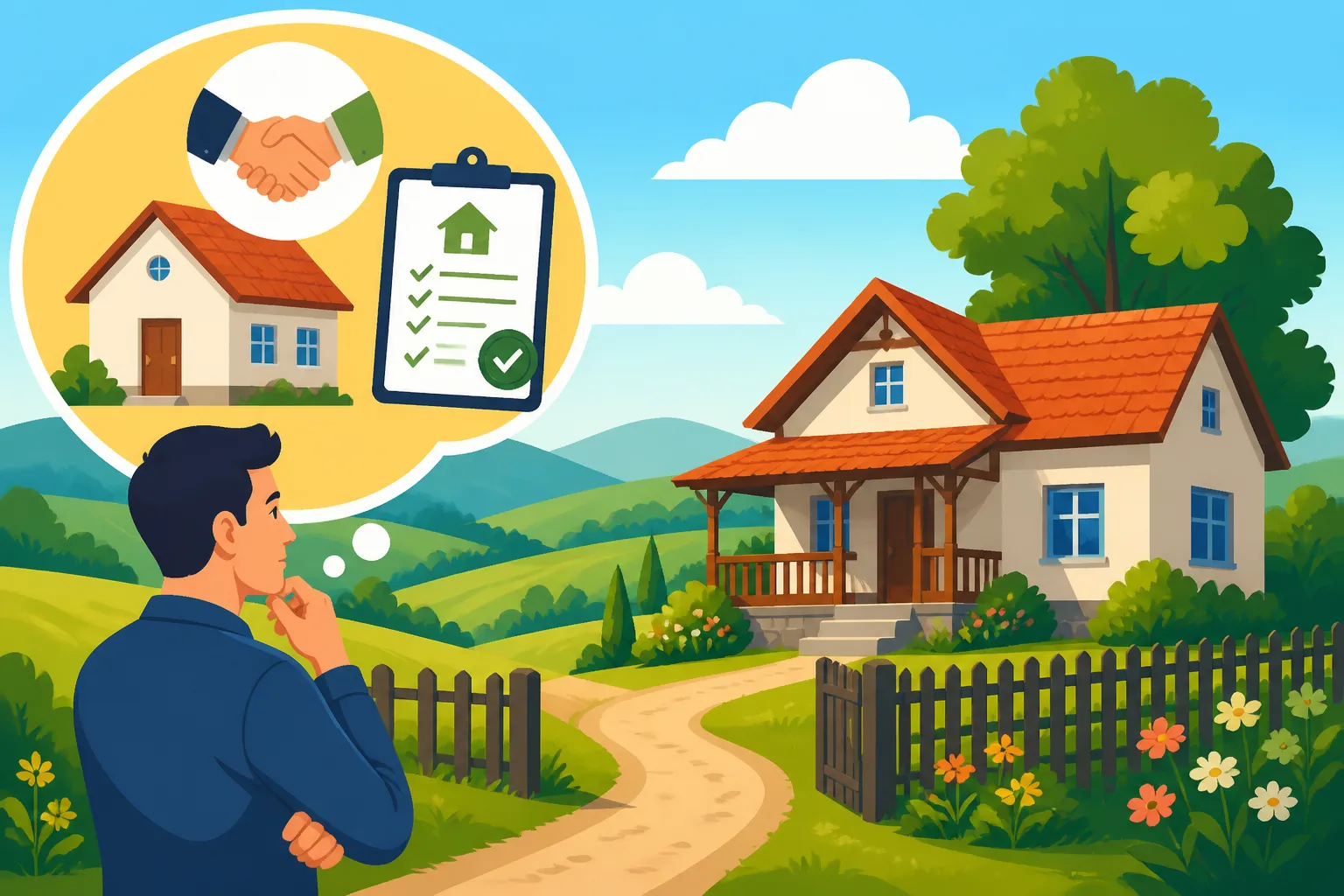
Oh, the dream of a little slice of heaven in the Romanian countryside! It's a vision many of us expats harbor – a quaint home surrounded by rolling hills, the sound of birds, fresh air, and a pace of life that feels like stepping back in time. But let's be realistic: while incredibly rewarding, turning that dream into a reality is not as simple as picking up a set of keys. This guide is here to walk you through the very real steps, bureaucratic hurdles, and cultural nuances you'll encounter when you decide to buy a house in a rural Romanian village.
The Allure and the Reality of Rural Romanian Property
There’s something undeniably enchanting about the Romanian countryside. Many expats are drawn to it by the promise of affordability, authentic cultural experiences, and a slower, more connected way of life. However, this idyllic picture often comes with a set of unique challenges that are crucial for any foreign buyer to understand upfront. It's not just about finding a house; it's about embracing an entirely different lifestyle, one that often requires patience, adaptability, and a good sense of humor.
Why the Countryside Calls to Expats
For many of us who've lived in bustling cities around the world, the idea of a quiet retreat in a Romanian village is incredibly appealing. The sheer affordability compared to Western European property markets is often the first thing that catches people's eye. You can genuinely find homes with substantial plots of land for prices that would barely cover a down payment in London or Berlin. This financial accessibility opens up possibilities for larger projects or simply a more expansive lifestyle than many ever imagined.
Beyond the price tag, there’s the undeniable charm and cultural richness. Imagine waking up to the sounds of a rooster crowing, sipping coffee on your porch overlooking fields, and engaging with neighbors who still practice traditional crafts. Villages like those nestled in Transylvania or Maramureș offer a glimpse into a Romania that feels untouched by rapid modernization. The sense of community, while sometimes reserved at first, can become incredibly strong and supportive once you integrate, providing a human connection that is increasingly rare elsewhere.
However, this charm also brings its own set of realities. While the slower pace is a draw, it can also mean fewer amenities, less immediate access to modern conveniences, and often a significant language barrier if you don't speak Romanian. What you gain in tranquility, you might temporarily lose in quick access to a wide variety of shops, healthcare specialists, or fast internet. It’s a trade-off, and one that requires careful consideration of what truly matters to your daily life.
Navigating the Legal Landscape as a Foreigner
Buying property in Romania, especially in rural areas, can feel like navigating a labyrinth, particularly for non-EU citizens. The primary hurdle often revolves around land ownership. While EU citizens generally face fewer restrictions, non-EU citizens historically had limitations on owning agricultural land directly, sometimes requiring them to set up a Romanian company (SRL) to purchase the land. While regulations have evolved, it’s still critical to understand the nuances, as some regions or types of land might still present specific conditions.
Then there's the local administrative process, which can be less streamlined than what you might be used to. Documents might require multiple stamps, translations, and visits to various offices – from the local town hall (primărie) to the National Agency for Cadastre and Real Estate Publicity (ANCPI) for the land registry. Patience is not just a virtue; it's a necessity. You'll hear stories, believe me, about simple paperwork taking weeks, sometimes months, because of a missing signature or an unexpected public holiday. This is where having a reliable, independent Romanian lawyer who specializes in real estate and has experience with foreign buyers becomes absolutely non-negotiable. They are your translator, your guide, and your advocate through the often-opaque system.
The Purchase Process: From Dream to Deed
So, you've decided the countryside life is for you. Now comes the nitty-gritty: the actual process of finding and buying that perfect rural home. This isn't like buying a city apartment; there are unique considerations, from pinpointing the right region to ensuring all the legal ducks are in a row for an older, potentially undocumented property.
Finding Your Perfect Rural Retreat: Where to Look
The vastness and diversity of the Romanian countryside mean that "the perfect place" will look different for everyone. Are you dreaming of a mountain retreat in the Apuseni, a vineyard property in Dealu Mare, a traditional wooden house in Maramureș, or a sun-drenched cottage in Oltenia? Each region has its own charm, climate, and local culture. For example, homes in Transylvania can often command higher prices due to their picturesque settings and proximity to popular tourist routes, while areas further south or east might offer more space for your money.
Start your search online, but quickly transition to on-the-ground exploration. Websites like Imobiliare.ro or Olx.ro are great starting points for listings, but for true rural gems, local real estate agents who specialize in specific counties or even direct word-of-mouth in villages are invaluable. Don't be afraid to visit villages that catch your eye, walk around, and ask locals if they know of anyone selling. This direct approach often unearths properties that never make it to online portals. When you do find a potential gem, remember that transport to and from the property for viewings, inspections, and later for moving your belongings will be a factor. Services like Sirelo can be incredibly helpful in finding reliable moving companies that understand the logistics of reaching more remote areas.
Essential Legal and Financial Steps
Once you've found a property you love, the real work begins. The first and most critical step is to engage an independent lawyer who speaks both English and Romanian. I cannot stress this enough: do not rely solely on the seller's agent or notary. Your lawyer will conduct due diligence, checking the property's legal status in the land registry (Cartea Funciară), verifying ownership, and identifying any outstanding debts or legal encumbrances. This is crucial, especially with older rural properties, where ownership might be fragmented or undocumented. Understanding how the Romanian Land Registry (Cartea Funciară) Works: A Full Overview is essential here.
Financially, you’ll need to understand the local currency, the Romanian Leu (RON), and the process for transferring funds. Most property transactions happen via bank transfer. You'll need a Romanian bank account, which often requires a Personal Numeric Code (CNP) and proof of address. Setting up your finances properly from the start will save you a lot of headaches later on. Remember, you’ll also need to budget for notary fees, property registration taxes, and your lawyer’s fees, which can add a significant percentage to the purchase price. Knowing How to Get a Romanian Tax Number (NIF) and CNP is a fundamental administrative step that underpins most official transactions, including property purchase.
| Aspect | Consideration for Rural Property | Typical City Property Consideration |
|---|---|---|
| Land Ownership | Potential restrictions for non-EU on agricultural land, need for SRL. Larger plots common. | Generally simpler, focus on building. Smaller plots or apartments. |
| Utilities Access | Often requires new connections or upgrades (well water, septic tank, older electrical systems). | Usually already connected, focus on transfer of service. |
| Internet/Mobile | Variable, often limited to satellite or specific mobile providers. Consider Airalo for initial connectivity. | Fibre optic, strong mobile signal usually available. |
| Documentation | Higher chance of fragmented ownership, outdated cadastral plans, missing permits. | More likely to be clearly documented, though still requires checks. |
| Accessibility | Dependent on road quality, public transport often sparse. Private vehicle essential. | Excellent public transport, well-maintained roads. |
| Local Support | Essential for navigating local customs, finding tradespeople. | Easier to find services, less reliance on local community. |
| Renovation | Often extensive due to age/neglect, requires local knowledge for materials/labor. | More likely cosmetic, or standard apartment renovations. |
The Critical Role of Due Diligence and the Notary
Before you sign anything, your lawyer will meticulously check everything from the property's cadastral plan (the technical drawing of the land and buildings) against its actual physical boundaries, to ensuring all previous owners are properly registered. This is where potential issues with old boundary disputes, unpermitted extensions, or shared access rights often come to light. It’s not uncommon to find properties where the house on the ground doesn't perfectly match the plans in the official records, especially with very old buildings. Your lawyer will advise on the risks and potential solutions.
Once all due diligence is complete and both parties agree, the transaction moves to a notary public (notar public). The notary's role is crucial; they are a public official who ensures the legality of the transaction, verifies identities, explains the contract (in Romanian, with a sworn translator present if needed), and witnesses the signing. All official documents, including the sale contract (contract de vânzare-cumpărare), must be prepared and signed in front of a notary. They will then oversee the registration of the new ownership in the Land Registry, officially making you the owner. This is where you truly realize the significance of having trustworthy legal counsel; they will ensure you understand every clause and nuance of the contract, preventing unpleasant surprises down the road.
Life After Purchase: Embracing Your Romanian Countryside Home
So, the keys are in your hand, the paperwork is signed, and you're officially a homeowner in rural Romania. Congratulations! But the journey doesn't end there. Now begins the exciting, and sometimes challenging, part of setting up your new life and home in a way that aligns with both your dreams and local realities.
Renovations and Utilities: Preparing Your New Home
Many rural homes, while charming, often require significant renovation to bring them up to modern standards or simply make them habitable. Expect to deal with older electrical systems, potential plumbing issues, and perhaps the need to install or upgrade heating systems (wood-burning stoves or central heating fueled by gas cylinders are common, while natural gas lines are less so in truly rural areas). Connecting to utilities like electricity, water, and internet can be a project in itself. While larger villages might have public water and sewage, many smaller settlements rely on private wells and septic tanks. Understanding how to set up utilities in your Romanian home is paramount.
For internet and mobile connectivity, especially in more remote areas, options might be limited. While cities boast fantastic fiber optic networks, you might be looking at mobile data, satellite internet, or even trying out a local SIM with a brand like Airalo for immediate connectivity while you scout for long-term solutions. Finding reliable local tradespeople can be a challenge but is key. Ask neighbors for recommendations, as word-of-mouth is often the best way to find skilled and trustworthy builders, electricians, and plumbers in the village. Be prepared for a slower pace of work than you might be used to, and always get clear quotes and timelines upfront.
Integrating into Village Life: Language, Community, and Administration
Moving into a Romanian village means becoming part of a close-knit community, which can be incredibly rewarding. However, it also means adapting. The single most impactful step you can take to ease your integration is to learn Romanian. Even basic phrases will open doors and show genuine respect for your new neighbors. While younger generations might speak some English, older villagers often won't, and communicating in their language will help you navigate daily life, from asking for directions to haggling at the local market.
Administratively, you'll need to register your presence with the local town hall (primărie) and obtain a form of residency, even if it's just a temporary one. This is crucial for local services and can simplify other processes. Understanding Registering Your Residence (Viză de Flotant) in Romania: The Complete Guide is a good starting point. Get to know your neighbors, join in local festivities, and don't be afraid to ask for help or advice. Romanians are generally very hospitable, and a shared coffee or a helping hand can quickly build strong bonds. Be prepared for a different pace of social interaction, one that often values genuine connection over quick pleasantries. It's a journey, not a sprint, and the rewards of being truly embedded in a Romanian village can be profound.
Disclaimer
This article is for general informational purposes only and does not constitute professional advice. Laws, prices and regulations vary by location and change over time. Consult a qualified professional for guidance on your specific situation.