How Do I Pay My Utility Bills in Romania?
Moving to Romania, whether it’s to the bustling streets of Bucharest or the charming medieval towns, is an adventure. But let's be real, the moment you settle into your new place, a new kind of adventure begins: understanding and paying those pesky utility bills. It's not always straightforward, especially with a different language, unfamiliar systems, and a mix of traditional and modern payment options. This guide is here to untangle that knot, walking you through everything you need to know about settling your bills without the headache.
Deciphering Your Romanian Utility Bills: What You're Actually Paying For
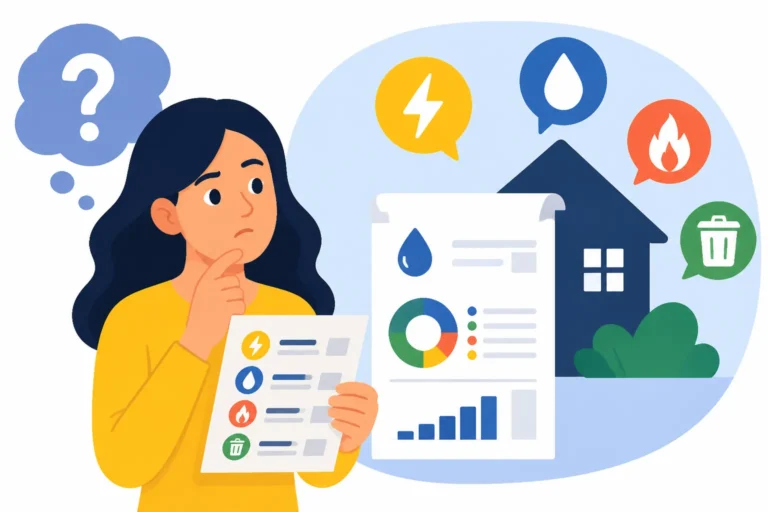
Before you can pay a bill, you need to understand what it's for, right? Romanian utility bills can sometimes feel like a foreign language, and not just literally. They often include various charges, some of which might surprise you if you're used to a simpler system back home. Knowing the components helps you budget and avoid nasty surprises.
The Usual Suspects: Electricity, Gas, Water, and Building Maintenance
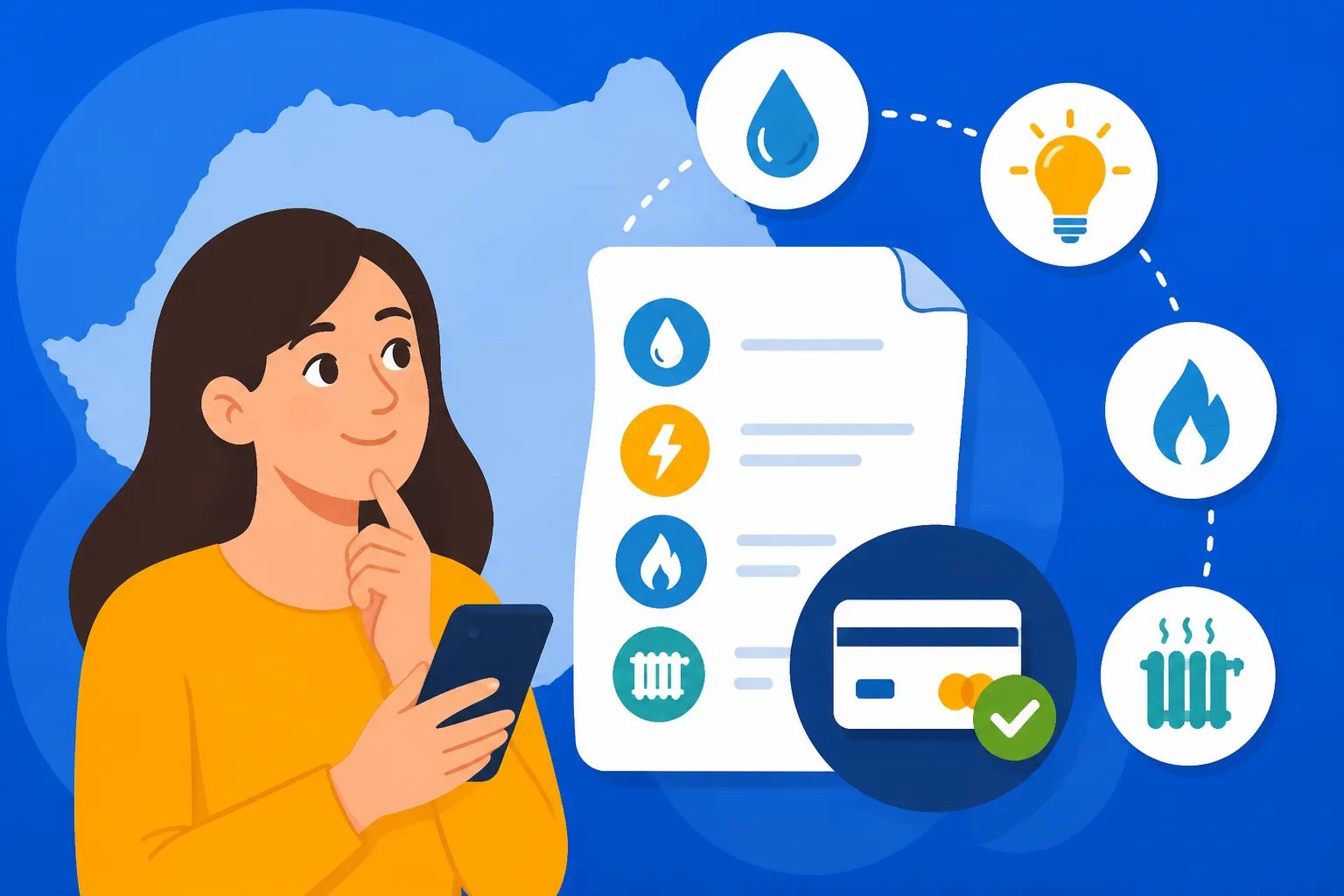
These are the big four that almost everyone in Romania will encounter. Each has its own billing cycle and quirks.
- Electricity (Electrica/Enel/E.ON): This is usually a straightforward meter reading, either estimated or self-reported, and then billed. You'll see your consumption in kWh and the price per unit, plus various taxes and network fees. Some companies might send bills monthly, while others, particularly for residential customers, might alternate between estimated and actual readings every two months. If you're new here, you might be overwhelmed by the sheer number of electricity suppliers. It's not uncommon to receive a bill that feels like it’s written in hieroglyphs when you first move in.
- Gas (Engie/E.ON Gaz): Similar to electricity, gas consumption is measured in cubic meters (mc) and converted into energy units (kWh) for billing. Again, expect monthly or bimonthly bills, often with estimated readings unless you actively submit your meter reading each month. The prices can fluctuate, and you'll often see specific distribution fees and VAT added.
- Water (Apa Nova/local municipal companies): Water bills can be a bit different depending on where you live. In some apartments, individual meters measure consumption, and you'll receive a bill directly. In others, particularly older blocks, water usage might be part of your overall building maintenance fee (
întreținere), calculated based on the number of people in your apartment or a general building meter. If you have a direct bill, it typically covers water supply and sewage. - Building Maintenance (Întreținere): Ah, the
întreținerebill. This is a special one for apartment dwellers, often the most opaque and frustrating for expats. It’s a collective bill managed by your apartment building association (Asociația de Proprietari). It consolidates costs for shared utilities like communal lighting, cleaning services, garbage collection, sometimes even central heating (if your building has it), and often a portion of the building's water usage not covered by individual meters. These bills are usually displayed on a notice board in your building's entrance or sent as a printout, and they can vary wildly month to month depending on communal consumption and repair costs. If you want a deeper dive, check out our guide on Understanding Building Maintenance Fees (Întreținere) for Apartments in Romania.
Understanding Your Internet, Mobile, and TV Bills
In today's connected world, these are as essential as traditional utilities. Providers like Digi, Orange, Vodafone, and Telekom dominate the market, offering various packages.
- Internet, Mobile, and TV: Most people opt for a bundled package, often including fibre internet, TV channels, and a mobile subscription. Your bill will typically detail each service's cost, any additional features, and a total. These are generally monthly, and quite often, you'll receive them digitally via email or through the provider's app. For mobile, if you're thinking of getting a prepaid SIM for flexibility before committing to a contract, you might consider options like Airalo for eSIMs, especially if you're just arriving and need immediate connectivity without the hassle of a physical SIM or local registration just yet.
- Contract vs. Prepaid: For mobile services, you might choose a monthly subscription (contract) or a prepaid card (
cartelă preplătită). Prepaid cards offer more flexibility as you top them up as needed, but contracts often provide better value for long-term use. Internet and TV are almost always contract-based. Our comprehensive guide, How to Set Up Home Internet and TV in Romania, can walk you through the specifics of getting these services connected.
Decoding the Layout: Key Information on Your Bills
When you get a bill, it might look like a jumble of numbers and Romanian words. But there are a few key pieces of information you'll always need to locate:
- Client Code (Cod Client/Cont Contract): This is your unique identifier with the utility provider. You'll almost always need this when paying online, via app, or at a physical payment point.
- Invoice Number (Număr Factură): Each bill has a unique invoice number. This helps the provider identify which specific bill you're paying.
- Due Date (Data Scadenței): The crucial deadline! Miss this, and you risk late fees or even service interruption. It's usually prominently displayed.
- Total Amount Due (Total de Plată/Sumă de Plată): The big number you need to pay. Look for "Lei" or "RON" next to it.
- Consumption Details: For electricity and gas, you'll see your previous and current meter readings, the difference (consumption), and the unit price.
- Bank Details (Detalii Bancă/Cont IBAN): If you're paying via bank transfer, you'll need the provider's IBAN.
It truly helps to have a Romanian friend or colleague walk you through your first few bills. They can point out these critical details and explain any peculiarities. If you're still scratching your head, many providers have basic English information available online, or you can call their customer service, although English-speaking agents aren't always guaranteed. For a broader overview of how everything works, take a look at our article How Do I Understand My Utility Bills (Facturi) in Romania? for even more clarity.
Your Go-To Methods for Paying Bills in Romania
Now that you know what you're paying for, let's talk about how to pay. Romania offers a blend of modern digital solutions and traditional cash-based methods, so you're likely to find an option that suits your preference.
The Digital Path: Online Banking and Provider Apps
This is by far the most convenient method for most expats, especially if you're already comfortable with online banking.
- Online Banking (Internet Banking): Once you've opened a bank account in Romania (and if you haven't, our guide How to Open a Bank Account at a Romanian Bank as a Foreigner can help), almost all major banks like Banca Transilvania, ING, BCR, and Raiffeisen offer robust internet banking platforms and mobile apps. Within these platforms, you'll find a section for "Plăți Utilități" (Utility Payments) or similar. You simply select the provider, enter your client code, and the invoice number, and the system usually pulls up the amount due. It's quick, efficient, and you get an immediate confirmation. The best part? No queues, no language barriers, and you can pay from your couch at 2 AM.
- Provider Apps: Many utility companies also have their own dedicated mobile apps. For instance, Digi, Orange, Vodafone, Enel, and Engie all have apps where you can view your bills, track consumption, and pay directly using a debit or credit card. These apps often offer a user-friendly interface and can be particularly useful for monitoring your usage patterns.
Automating Payments: Direct Debit (Debit Direct)
For ultimate convenience, direct debit is your best friend. This is where you authorize your bank to automatically pay your bills each month on the due date.
- How it Works: You typically set up direct debit at your bank. You'll need your utility provider's details, including their client code and sometimes your contract number. The bank will then communicate with the utility company to automatically deduct the bill amount from your account when it's due.
- Pros and Cons: The biggest advantage is peace of mind – you'll never miss a payment. However, it requires vigilance. Always check your bank statements to ensure the amounts are correct. If there's an unusually high bill due to an error, it will be paid automatically, and you'll then have to dispute it with the utility company to get a refund. It's also worth noting that not all smaller utility providers (especially local water companies or smaller building associations) offer direct debit. For a step-by-step guide, check out How Do I Set Up Direct Debit for Utility Bills in Romania.
The Traditional Route: Physical Payment Locations
Sometimes, digital just isn't an option, or you prefer the tangible proof of a stamped receipt. Romania still has plenty of physical payment points.
- Post Offices (Poșta Română): Your local post office is a reliable spot to pay a wide range of utility bills. Just bring your physical bill, hand it to the teller, pay in cash or by card, and you'll get a stamped receipt. Expect queues, especially around payday or at the beginning of the month.
- PayPoint / un-doi Centre / SelfPay Terminals: These are often found in supermarkets, convenience stores, and dedicated kiosks. They're branded payment terminals where you can scan your bill's barcode or manually enter your client code and pay in cash. They're usually quick, efficient, and have extended hours, making them a popular choice. Just look for the "PayPoint" or "un-doi Centre" signs.
- Bank Branches: You can visit your own bank branch or sometimes even another bank's branch (though fees might apply for non-customers) to pay bills. You'll need your bill and cash or card. Again, be prepared for potential queues.
- Provider Offices: Major utility companies often have their own customer service centres where you can pay bills directly. This can be useful if you also have a query or need to resolve an issue with your account.
Third-Party Payment Services and Aggregators
Some platforms aim to simplify bill payments, though their coverage for utilities might vary.
- Ghișeul.ro: While primarily known for paying taxes and fees to public institutions, Ghișeul.ro has expanded its services. Depending on your municipality and the specific utility, you might be able to pay some local bills (like local water bills or garbage collection fees) through this national platform. It's not comprehensive for all private utility companies, but it's worth checking if your local services are integrated. This platform generally requires a Romanian ID card to register, which can be a hurdle for new expats.
Navigating Common Hurdles and Insider Tips for Expats
Many expats have been in this position. The initial confusion, the wrong payment, the almost-missed deadline. It's all part of the journey. Here's some hard-earned advice to make your life a bit easier.
Language Barriers and Getting Assistance
Let's face it, Romanian isn't the easiest language to pick up overnight, and utility bills are hardly where you want to practice your vocabulary.
- Don't Be Afraid to Ask: This is crucial. If you have a Romanian colleague, friend, or even a friendly landlord, ask them to help you decipher your first few bills and walk you through the payment process. Most Romanians are incredibly helpful.
- Translation Apps: Keep Google Translate or similar apps handy. While not perfect, they can give you the gist of what's written on your bill or what a customer service agent is trying to tell you.
- Provider Helplines: Many larger utility companies now have options for English-speaking customer service representatives, especially in major cities like Bucharest, Cluj-Napoca, or Timișoara. Look for "Serviciu Clienți" (Customer Service) and listen for prompts in English. Be prepared for a wait, though.
- Online Resources: Many providers have FAQs or help sections on their websites. A quick search with your provider's name and "English help" might yield results.
Avoiding Late Payment Fees and Disconnection
Romanian utility companies are generally quite efficient when it comes to collecting payments. Don't underestimate them.
- Mark Your Calendars: Seriously, use reminders! Whether it's a digital calendar, an app, or a good old-fashioned wall calendar, note down all your utility bill due dates. Some bills arrive at different times of the month.
- Understand Penalties: Late payment usually incurs daily penalties, which can quickly add up. More severely, after a certain period of non-payment (usually 15-30 days past the due date), your service can be disconnected.
- Reconnection Fees: Getting reconnected is not only an inconvenience but also comes with an additional reconnection fee, which can be substantial. It’s far better to pay on time. If you realize you’re going to be late, contact the provider immediately; sometimes they can offer a short grace period or payment plan, though this is not guaranteed.
Setting Up Utilities When You First Arrive
While this guide focuses on paying bills, the initial setup is where everything begins. If you're struggling with getting the services connected in the first place, remember that many providers require a valid Romanian ID (like your CNP) and proof of address. Our guides on The Expat Guide to Setting Up Utilities in Romania and How to Set Up Electricity in Your Romanian Home provide detailed steps for connecting your new abode. Remember, the cost of living here can vary, so understanding and managing your utilities is a significant part of that. You might find our article The Complete Guide to Cost of Living in Romania for Expats (2026) helpful in setting your expectations for these expenses.
Keeping Track: Digital Records vs. Paper Trails
In an increasingly digital world, it’s tempting to go paperless, but with Romanian bureaucracy, a mixed approach can be best.
- Digital Records are Your Friend: Most online payment methods provide digital receipts or confirmations. Screenshot them, save them to a dedicated folder, or better yet, if you use your bank's app, all your payment history is automatically logged. This makes it easy to prove payment if there’s ever a dispute.
- Don't Discard Paper Just Yet: For critical bills or anything paid physically, keep the physical receipt for at least a few months, or even a year. While less common now, sometimes old-school proof of payment is still requested by apartment associations or even utility companies in case of system errors.
- The Single Tax Return Connection: While not directly for utilities, understanding the digital tools for managing your finances in Romania is key. Platforms like ANAF's SPV (Spațiul Privat Virtual) are essential for managing your taxes, and it shows a general direction towards digital integration. For paying your basic utility bills, however, direct bank apps or provider apps are your primary tools.
The journey of paying utility bills in Romania might seem like a maze at first, but with a little patience, a willingness to ask for help, and these tips, you'll soon navigate it like a local.
Quick Reference: Popular Bill Payment Methods
Here's a handy table summarizing the common payment methods and their key features:
| Payment Method | Convenience Level | Requires Romanian Bank Account | Cost (Fees) | Proof of Payment | Notes |
|---|---|---|---|---|---|
| Online Banking App | High | Yes | Usually free | Digital receipt/log | Most recommended for expats. Requires setup, but very efficient. |
| Provider's Mobile App | High | No (can use any card) | Usually free | Digital receipt | Convenient for specific providers. Can monitor usage. |
| Direct Debit | Very High | Yes | Usually free | Bank statement | Set it once and forget. Ideal for regular, predictable bills. Requires monitoring of charges. |
| PayPoint / un-doi Centre | Medium | No | Small transaction fee | Printed receipt | Widely available, often in supermarkets. Cash payments. Look for kiosks. |
| Post Office (Poșta Română) | Medium | No | Small transaction fee | Stamped physical receipt | Traditional method, good if you prefer cash. Expect queues, especially at peak times. |
| Bank Branch Counter | Medium | No (can pay with cash/card) | May have fees | Stamped physical receipt | Less common now for simple payments. Can be slow. |
| Ghișeul.ro | Medium | Yes (online card payment) | Usually free | Digital receipt | Primarily for state/local taxes and some public utilities, not all private providers. May require Romanian ID for full registration. |
Disclaimer
The information provided in this guide is for general informational purposes only and does not constitute legal, financial, or professional advice. While we strive to ensure accuracy and provide up-to-date information, regulations and procedures in Romania can change frequently. It is always recommended to verify information with official sources or consult with a qualified professional for advice tailored to your specific situation. We do not assume any responsibility for actions taken based on the information contained herein.