Understanding Building Maintenance Fees (Întreținere) for Apartments in Romania
One of the first things that hits you when you move into an apartment in Romania, especially if it's your first time renting here, is the enigmatic întreținere bill. It often arrives as a single, sometimes handwritten, sheet of paper filled with unfamiliar terms and numbers, leaving many expats scratching their heads and wondering exactly what they're paying for each month. This guide is here to unravel the mysteries of building maintenance fees, explain what they cover, how they're calculated, and how you can navigate this uniquely Romanian aspect of apartment living without the usual stress.
What Exactly Is Întreținere? The Basics of Building Maintenance Fees
When you rent or own an apartment in a multi-unit building in Romania, you're not just paying for your individual usage of electricity, gas, and water within your four walls. You're also contributing to the upkeep, functioning, and shared costs of the entire block of flats. This is where întreținere (pronounced een-treh-TEE-neh-reh) comes in, which directly translates to "maintenance." It’s a collective charge managed by the building’s homeowners' association, known as the Asociația de Proprietari. This fee covers a myriad of expenses that ensure the building remains habitable, safe, and functional for everyone.
More Than Just Rent: The Hidden Costs of Apartment Living
Many new arrivals, particularly those coming from countries where maintenance fees are either rolled into rent or simply managed by a private landlord, find the concept of întreținere a bit opaque. It’s not just a small administrative fee; it can be a substantial monthly cost, especially during winter months when heating expenses soar. Unlike your individual utility bills that come directly from providers like Enel or Engie, the întreținere bill consolidates many shared expenses. Think of it as your contribution to the community chest that keeps the literal and figurative lights on in your building. It’s a collective responsibility, and understanding its components is key to managing your monthly budget. When you're first settling into your new place, perhaps after a big move coordinated by a service like Sirelo, getting a handle on all these recurring costs is absolutely essential.
Why It Can Seem So Confusing for Foreigners
The confusion often stems from several factors. Firstly, the format of the bill itself can be daunting. It’s rarely a sleek, itemized digital statement like you might be used to from individual utility providers. More often, it's a printed sheet, sometimes even handwritten, with columns and rows that are difficult to decipher if you don't speak Romanian. Secondly, the sheer number of categories can be overwhelming. From cleaning and elevator maintenance to shared electricity and administrative costs, the list can seem endless. Then there’s the calculation method, which isn't always straightforward. Some costs are fixed per apartment, others per person, and some are based on actual consumption for shared resources. The lack of English translations or a clear point of contact for explanations can also exacerbate the frustration. It’s a uniquely Romanian system that takes some getting used to, and I know it can feel like you're playing a game of billing roulette sometimes!
Breaking Down the Components of Your Întreținere Bill
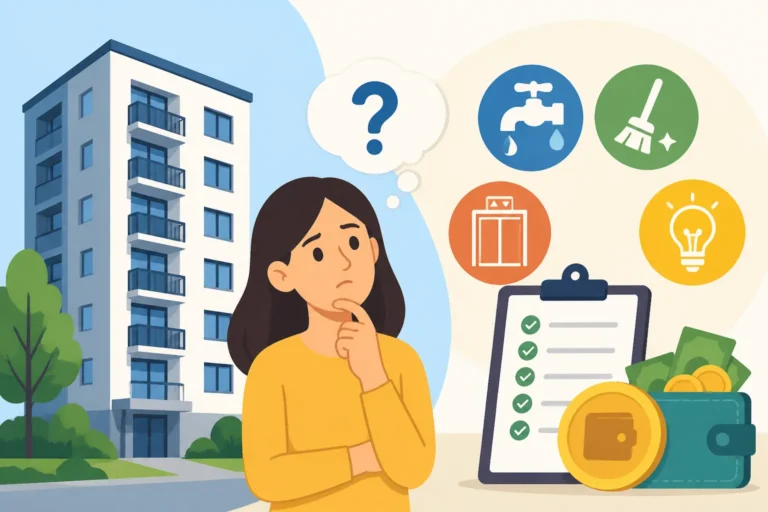
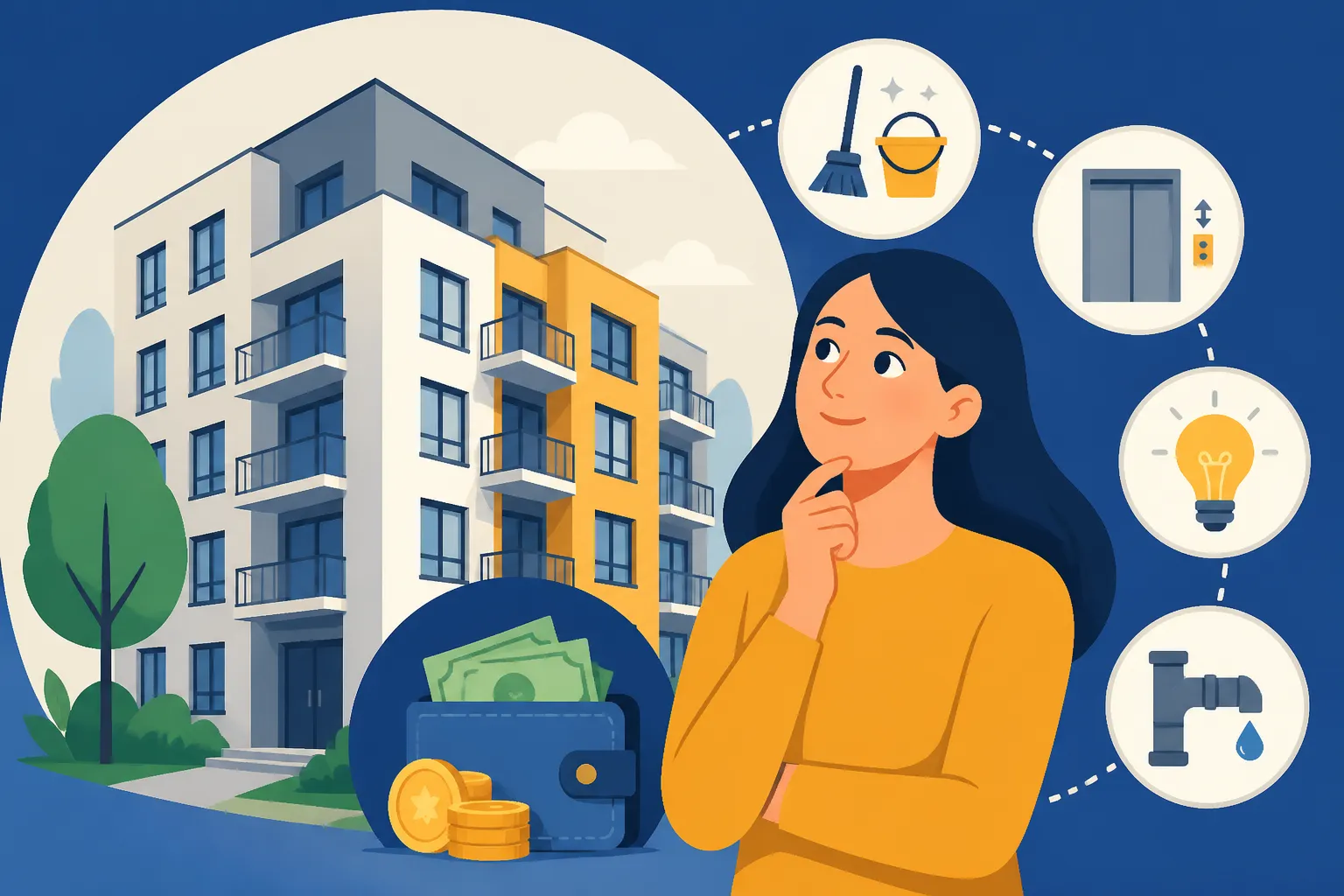
The întreținere bill is essentially a breakdown of all shared expenses. While the exact items can vary slightly from one building to another, there are core components you'll almost always see. Getting to grips with these categories will empower you to understand where your money is going and, if necessary, question any discrepancies.
Fixed Costs: Building Upkeep and Shared Services
These are the expenses that generally don't fluctuate much based on individual consumption and are divided among residents based on factors like the number of apartments, surface area, or the number of people declared living in each unit.
- Administrator's Salary (Salariul Administratorului): Every Asociația de Proprietari has an administrator who handles the financial management, utility payments, and overall organization of the building's shared services. Their salary is a fixed cost shared by all.
- Cleaning Services (Curățenie): This covers the cleaning of common areas like hallways, stairwells, and the entrance lobby. Sometimes it also includes basic maintenance of outdoor spaces directly around the building.
- Elevator Maintenance (Mentenanță Lift): If your building has an elevator (or multiple), the costs for its regular inspection, maintenance, and any necessary repairs are included here. This is typically divided per apartment.
- Shared Electricity (Lumină Scara): This is for the lighting in common areas – stairwells, hallways, the entrance, and any outdoor lamps directly connected to the building's common meter.
- Minor Repairs Fund (Fond de Reparații): Many associations collect a small amount monthly for a repair fund to cover unforeseen minor repairs to the building's common parts, like a leaky roof or a broken intercom system.
- Reserve Fund (Fond de Rulment): Similar to the repair fund, this is a financial buffer to cover immediate expenses or to ensure continuous payment for utilities even if some residents are late with their întreținere. It's typically a one-time contribution when you move in, replenished if used, or a small regular charge.
- Disinfection, Disinsection, Deratization (DDD): Periodically, buildings will organize services to control pests like rodents and insects in common areas, and these costs are factored in.
Variable Costs: Consumption-Based Charges
These are the expenses that fluctuate based on the collective consumption of services that are measured centrally for the building, then allocated to individual apartments.
- Heating (Încălzire): This is often the biggest component, especially in older buildings connected to the city’s district heating system (RADET or similar local providers). If your building has individual apartment heating, this charge won't apply to you directly from the întreținere bill, but if it's centralized, it will be. How this is calculated can get complicated, involving heat allocators and coefficients, which we'll delve into shortly. Knowing the specifics of How Much Does It Cost to Heat an Apartment in Romania in Winter? can really help manage expectations.
- Cold Water (Apă Rece) & Hot Water (Apă Caldă): While you might have individual water meters in your apartment, the building often has a general meter. The Asociația subtracts the sum of individual readings from the general reading, and the difference (losses, unmetered usage) is distributed proportionally among residents. If you don't have individual meters, your water consumption is typically estimated or allocated based on the number of people declared in your apartment.
- Waste Collection (Salubritate/Gunoi): This covers garbage collection and disposal, usually charged per person declared in the apartment. This charge is directly tied to the service provided by local companies like Urban SA or similar municipal waste management services.
- Sewage (Canalizare): Tied directly to water consumption, this covers the cost of processing wastewater.
- Other Shared Utilities: Sometimes, depending on the building, this might include shared internet or TV subscriptions for common areas, or even specialized security systems.
Understanding these categories is your first step. When you get your bill, try to match the Romanian terms to these explanations. It's tough at first, but with a good translation app and a bit of patience (and maybe a reliable eSIM from Airalo for constant connectivity), you'll start recognizing them.
Understanding How Întreținere Is Calculated
This is where things can get truly perplexing for expats. There isn't a single, universally applied formula across all of Romania. Calculation methods vary significantly depending on the age of the building, the installed infrastructure, and the specific rules adopted by your Asociația de Proprietari.
The Role of Individual Meters and Heat Allocators
Ideally, in newer buildings or those that have undergone modernization, you’ll find individual meters for cold water, hot water, and sometimes even gas for heating your apartment. These make the calculation fairly straightforward: you pay for what you use.
However, many buildings, especially older ones, don't have individual meters for everything. This is particularly true for heating and hot water in blocks connected to the central district heating system. In such cases, the Asociația relies on other methods:
- Heat Allocators (Repartitoare de Căldură): These small devices are installed on radiators in each apartment and measure "units" of heat consumption, rather than actual energy. The building’s central heating bill is then divided based on these units, often combined with a fixed cost for common heating areas or general heat loss. It's a system designed to encourage individual responsibility, but it can be frustrating if you feel you're still paying a lot despite minimal personal consumption. There's a whole art (or science, depending on who you ask) to how these are read and integrated into the overall bill.
- Per Person Basis (Pe Număr de Persoane): Many costs, particularly water (if not individually metered), garbage collection, and some administrative fees, are simply divided by the number of people declared as living in each apartment. This is why it’s crucial to make sure your Asociația has the correct number of residents for your unit. If you're a single person but registered as two, you'll be overpaying!
- Per Apartment or Surface Area (Pe Apartament/Suprafață): Fixed costs like elevator maintenance or the administrator's salary are often divided equally per apartment or sometimes based on the surface area of your unit.
Coefficients and Unaccounted Consumption
One of the most common sources of frustration is the "lost" or "unaccounted for" consumption. As mentioned with water, if the sum of individual meter readings doesn't match the building's main meter, the difference is distributed among residents, often as a percentage of individual consumption or equally. This can happen due to old pipes, unmetered usage in common areas, or even faulty meters. It's a tricky area because you end up paying for something you didn't directly use or see.
Another factor can be coefficients. For example, in heating, an apartment on the ground floor or top floor might have a slightly different coefficient applied to their bill due to higher heat loss. While this aims for fairness, it also adds another layer of complexity to an already intricate system. This often gets discussed at length during general meetings of the Asociația de Proprietari, and sometimes you might want to delve into The Complete Guide to Cost of Living in Romania for Expats (2026) to see how these fees compare to other living expenses.
Dealing with the Association of Owners (Asociația de Proprietari)
The Asociația de Proprietari is the legal entity that manages your apartment building's common areas and services. Think of them as your building's micro-government. Understanding their role and how to interact with them is paramount to a smooth experience with întreținere.
The Administrator and the General Assembly
At the heart of every Asociația de Proprietari are two key elements:
- The Administrator (Administratorul): This is your main point of contact. They are responsible for collecting the întreținere fees, paying the communal bills, keeping financial records, and often overseeing minor repairs. They are typically a paid professional, sometimes an external company, or a resident appointed to the role. In many cases, this person holds the key to understanding your bill.
- The General Assembly (Adunarea Generală a Proprietarilor): This is the ultimate decision-making body of the Asociația. All owners have the right to attend these meetings (usually once a year, or more if urgent matters arise) and vote on important issues, such as approving the budget, setting întreținere rules, electing the board, or deciding on major renovations. Tenants generally don't have voting rights but can sometimes attend or ask their landlord to represent their interests.
Communication with the Asociația can be challenging. Many administrators, especially in older buildings, may not speak English. Bills are often posted on a notice board in the building lobby, which can be hard to spot or read. Establishing a good rapport with your administrator or finding a Romanian-speaking friend to help mediate can be incredibly helpful. If you’re signing a How to Sign a Rental Contract (Contract de Închiriere) in Romania, ensure your landlord clarifies how communication with the Asociația will work.
Common Issues and How to Approach Them
You might encounter various issues with your Asociația de Proprietari:
- Lack of Transparency: This is a big one. It's not uncommon for bills to be vague, lacking detailed breakdowns or explanations. If you feel this way, remember that as a resident (or through your landlord, if you're a tenant), you have the right to request a more detailed breakdown of costs. The administrator is legally obligated to provide it.
- Disputes Over Costs: You might disagree with a specific charge, perhaps a high water bill even with individual meters. Your first step should always be to talk to the administrator, calmly presenting your case. If that doesn't work, your landlord should intervene. For more serious disputes, the Asociația has a board (Comitetul Executiv) that oversees the administrator, and eventually, the General Assembly can address major issues.
- Slow Response to Repairs: Common area issues, like a broken lift or a leaking roof, fall under the Asociația's responsibility. If repairs are slow, gather other residents to collectively pressure the administrator and the board.
- Incorrect Number of Residents: If the Asociația has an outdated count of people living in your apartment, your per-person charges will be wrong. Ensure your landlord provides them with the correct information immediately.
Remember, most administrators are just doing their job, often dealing with many personalities and limited budgets. Patience and persistence, combined with a clear understanding of your rights and the bill's components, are your best tools.
Common Problems and Pitfalls for Expats
Navigating întreținere as an expat can feel like a gauntlet. The issues often stem from a combination of cultural differences, language barriers, and a lack of familiarity with the local administrative nuances.
The Language Barrier and Opaque Billing
Let's be honest, those bills aren't usually written in plain English. The legal and administrative jargon, even in Romanian, can be dense. For someone who hasn't mastered the language, it's like trying to read tea leaves. This opacity can lead to overpayment, frustration, and a general feeling of being out of the loop. You might wonder if you're being unfairly charged because you can't understand the details.
A typical scenario: you receive a bill with a total sum and a few cryptic acronyms, but no clear line-by-line breakdown of how the hot water charge was calculated from the meter readings and shared losses. This makes it impossible to verify the numbers yourself. Many expats just pay, assuming it's correct, simply because the effort to understand it is too high. This is where tools like Google Translate or having a local friend step in can be invaluable. Don't be afraid to politely insist on more clarity, even if it's a slow process.
Understanding the Due Dates and Penalties
Like any bill in Romania, întreținere has a payment deadline. Usually, this is around the 15th or 20th of the month following the billing period (e.g., January's bill is due mid-February). Missing this deadline can incur penalties (penalizări), which accumulate daily. These penalties are often a small percentage (e.g., 0.1% or 0.2%) per day of delay. While they seem small, they can add up quickly if you consistently pay late.
It's common for the administrator to post the new bill for the previous month in the first week or so of the current month. So, you’ll typically have around two weeks to make the payment. It's essential to stay on top of these dates to avoid unnecessary extra costs. Make sure you know exactly when and where to pay. Is it directly to the administrator, at a specific bank, or perhaps through an online payment system if available? Your landlord or the administrator should clarify this when you first How to Find and Rent Long-Term Accommodation in Romania.
Tenant vs. Landlord Responsibility
Generally, if you are renting an apartment, the întreținere fees are your responsibility as the tenant. However, the legal relationship for these fees is often directly between the Asociația de Proprietari and the owner of the apartment (your landlord). This means if you don't pay, the Asociația will pursue the landlord, who will then pursue you.
It's absolutely critical that your rental contract clearly states who is responsible for paying întreținere and how it will be managed. Some landlords prefer to receive the întreținere bill themselves and then pass the cost on to you, sometimes adding a small administrative fee. Others expect you to pay directly to the Asociația. Always get clarity on this, and ideally, have a clause in your contract that allows you to see the original întreținere bill each month to verify the charges. This is part of Understanding Tenant and Landlord Rights in Romania.
Tips for Managing Your Întreținere Bills
While the system might seem complicated, there are practical steps you can take to manage your întreținere bills effectively, save money, and avoid unnecessary headaches.
Demystifying Your Monthly Statement
The first step is always to understand what you're looking at.
- Get a Translation: If your Romanian isn't up to par, use a translation app to go line by line. Better yet, ask your landlord or a trusted Romanian friend to walk you through the first few bills. This will help you learn the common terms.
- Look for Key Categories: Focus on identifying the main components: apă rece (cold water), apă caldă (hot water), încălzire (heating), salubritate/gunoi (waste), lumină scară (stairwell light), administrator (administrator).
- Check Number of Persons: Ensure the bill reflects the correct number of people living in your apartment. This is crucial for per-person charges.
- Compare Month-to-Month: Keep records of your past bills. This allows you to spot unusual spikes in certain categories. A sudden jump in shared electricity might indicate a problem in common areas or an error. A significant increase in heating costs, even outside of winter, might warrant a query.
Remember, you have a right to ask for a detailed breakdown if the summary isn't clear enough. Don't be afraid to politely request this information.
Saving Money on Întreținere
While many costs are fixed, there are areas where you can indirectly influence your întreținere expenses.
- Be Mindful of Consumption: If you have individual water meters, obviously conserving water will directly reduce your portion of the variable costs. For heating, if you have allocators, being energy-efficient (e.g., turning down radiators when not home, improving insulation if allowed) can help.
- Participate (or Delegate): If you own your apartment, attend the Asociația general assemblies. This is where decisions are made on budgets, contractors, and repairs. Your voice matters! If you're a tenant, talk to your landlord and encourage them to be active. They are your proxy in these matters.
- Check for Efficiency Upgrades: Inquire if the building has plans for energy efficiency upgrades, like insulating the building façade or replacing old windows in common areas. These investments, while initially costly, can lead to significant long-term savings on heating.
- Report Issues Promptly: A dripping tap in the hallway or a constantly lit stairwell can contribute to higher shared utility bills. Report these issues to your administrator immediately to keep collective costs down.
Leveraging Digital Tools for Payment and Communication
Romania is rapidly digitizing, and this extends to bill payments.
- Online Banking: Many Romanian banks offer online payment options for întreținere. You'll typically need the Asociația's bank account details (IBAN) and sometimes a specific payment code or reference number. How Do I Set Up Direct Debit for Utility Bills in Romania? is a good resource if you prefer automation.
- Payment Apps/Platforms: Platforms like Ghișeul.ro (for taxes and fees, though less common for întreținere) or private payment apps linked to certain banks might be available. Ask your landlord or administrator if there's an easy online method.
- Digital Communication: While not universal, some Asociații are moving towards email or WhatsApp groups for faster communication regarding bills and building issues. Encourage this if your building isn't doing it already. Having reliable internet, whether through your home setup or a robust mobile plan like those from Airalo, is key for these interactions.
Staying proactive and informed is your best defense against întreținere confusion. Don't let it become a source of ongoing stress; with a little effort, you can master this part of Romanian apartment living.
Disclaimer
The information provided in this guide is for general informational purposes only and does not constitute legal or financial advice. While we strive to keep the content accurate and up-to-date, regulations and practices regarding building maintenance fees in Romania can change. Always consult with your landlord, the Asociația de Proprietari administrator, or legal professionals for advice specific to your situation.