How Do I Set Up Gas and Heating in My Romanian Apartment?
Moving to Romania, you’ll quickly discover that setting up the basics, like getting your apartment toasty and ensuring you have hot water, can be surprisingly… let's say, character-building. It’s not always as straightforward as flipping a switch, especially when dealing with gas and heating. This guide will walk you through the nitty-gritty of connecting your gas and setting up your heating system, so you can navigate the process without pulling your hair out.
Understanding Romania's Heating Landscape
One of the first things you’ll need to grasp when you settle into your new Romanian home is how heating actually works. It's not a one-size-fits-all scenario, and depending on your building, you might encounter vastly different systems and experiences. This distinction is crucial for understanding who you need to contact and what paperwork you'll be wrestling with.
Centralized vs. Individual Heating Systems
In Romania, especially in older apartment blocks in major cities like Bucharest, you'll often find yourself in one of two main camps: centralized heating or individual heating. Each has its quirks, benefits, and, let's be honest, its own unique set of headaches.
Centralized heating, often managed by municipal companies like Termoenergetica (formerly RADET) in Bucharest, means your heat and sometimes hot water are supplied from a large, communal boiler system that serves an entire building or even a district. On paper, it sounds convenient: no individual boiler to maintain, no gas bill in your name. In reality, expats often face frustrations. The heating season typically runs from mid-October to mid-April, and the start and end dates are determined by local authorities based on average temperatures, not your personal comfort levels. This means you might find yourself shivering in a chilly October or sweltering in a warm April, waiting for the system to kick in or shut off. The quality can also be inconsistent, with some apartments receiving plenty of warmth while others struggle due to old, inefficient pipes and radiators. Plus, you’re often paying for heat whether you want it or not, and any issues mean dealing with the building's asociație de proprietari (homeowners' association) rather than your own service provider. It can feel like being at the mercy of a bureaucratic machine, and believe me, that's a feeling most expats here know all too well.
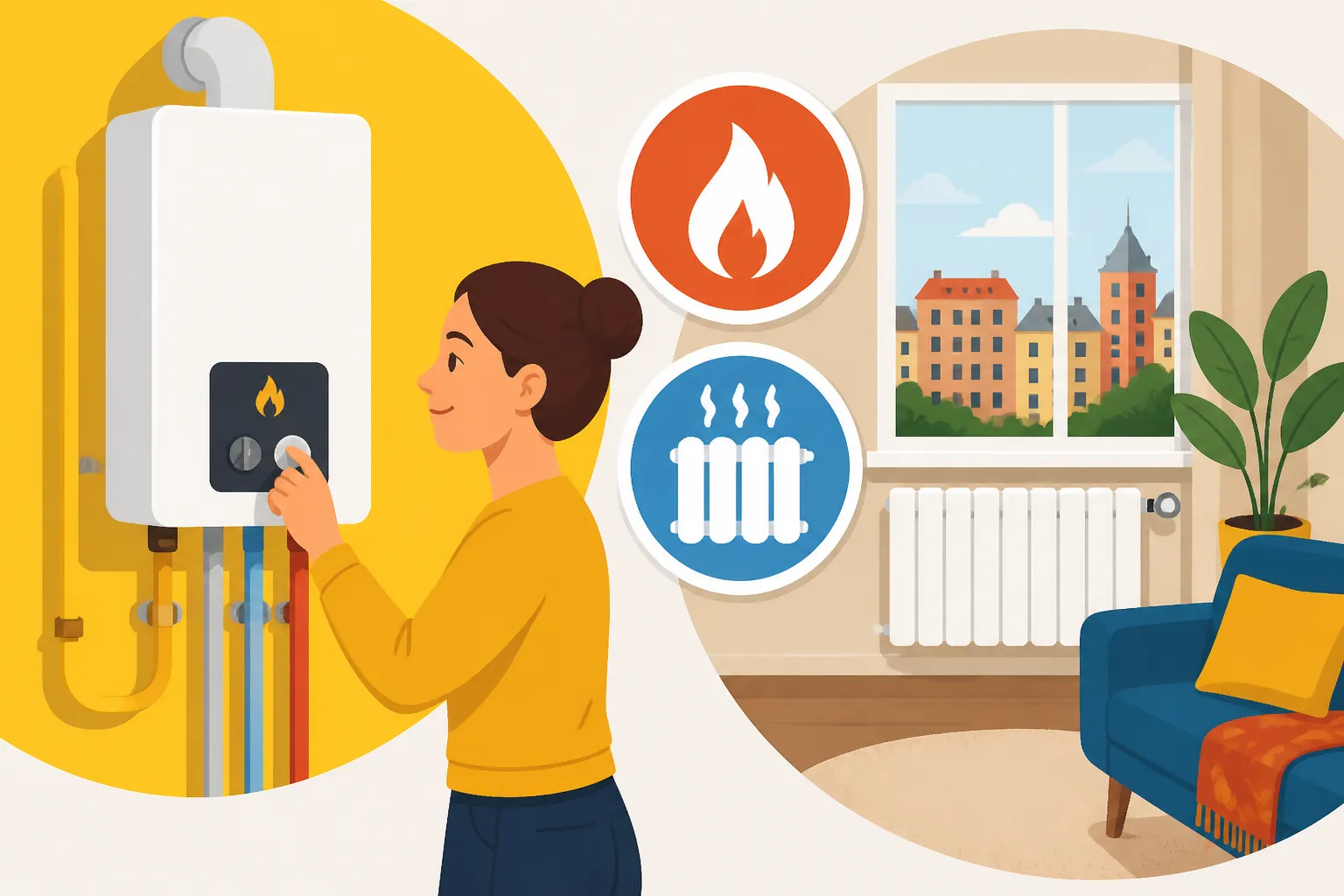
The alternative, and increasingly popular option, is an individual heating system, or centrală termică. This is essentially a gas-fired boiler installed directly in your apartment, typically in the kitchen or bathroom. This system gives you full control over your heating and hot water. You decide when it's on, what temperature it runs at, and how much hot water you use. This autonomy is a huge relief for many, especially those coming from countries where individual climate control is standard. While it means having your own gas meter and bill, the ability to manage your comfort and costs often outweighs the extra administrative steps. Many newer apartments and renovated older ones come equipped with a centrală termică, and landlords often highlight this feature as a major selling point – and for good reason!
The Importance of a Gas Connection
If your apartment has an individual heating system (centrală termică), then a stable, active gas connection isn't just a nice-to-have, it's absolutely essential. Without gas, your centrală is just a fancy piece of metal taking up space. It won't be able to ignite and produce heat or hot water.
While electricity can power some heating solutions like electric radiators or underfloor heating, gas is generally the most cost-effective and efficient way to heat your home and water in Romania. Electric heating can quickly drive up your electricity bill, making those chilly Romanian winters far more expensive than they need to be. So, if you're moving into an apartment with a gas centrală termică, getting that gas connection sorted is usually step number one. Even if you plan on using additional electric heaters, having the gas connected for your main heating and hot water source is almost always the smarter financial choice for long-term living. It's not just about comfort; it's about managing your monthly expenses realistically.
Navigating the Gas Connection Process
Alright, you've got your apartment, and you've confirmed it has an individual gas heating system. Now comes the fun part: getting the gas turned on in your name. This process, like many administrative tasks in Romania, requires patience, persistence, and a healthy stack of documents.
Essential Documents and Information
Before you even think about stepping into a gas provider's office (or navigating their website), make sure you have all your ducks in a row. The Romanian bureaucracy loves paperwork, and missing a single item can send you spiraling back to square one. Believe me, I've been there, making multiple trips because I forgot one obscure copy.
Here’s a typical list of documents and information you'll need:
- Your Personal ID/Passport: This is your primary identification, obviously.
- Your Romanian Personal Numeric Code (CNP): This is a unique identifier, crucial for most official transactions. If you're an EU citizen registering your residence, or a non-EU citizen with a residence permit, you should have one. If you don't have one yet, it's a priority. Need to know how to get one? Check out our guide on How to Get Your CNP (Personal Numeric Code) for Healthcare Access in Romania.
- Your Residence Permit (Permis de Ședere): If you're a non-EU citizen, this proves your legal right to live in Romania.
- Proof of Address: This could be your rental contract (signed and registered with ANAF, the tax authority), or your viză de flotant (temporary residence registration) if you have one. Your landlord should ideally have registered your rental contract with ANAF – this is important as it legitimizes your address for utility contracts. For more on getting your address sorted, read How Do I Get Proof of Address in Romania?.
- Property Ownership Documents (from your landlord): You’ll need a copy of the apartment's cadastral plan (cadastru) and the ownership title (act de proprietate). The gas company needs to verify that the property is legally owned and that the gas installation is registered. Your landlord is responsible for providing these, so make sure they're aware in advance.
- Previous Gas Contract (if available): Sometimes, if the previous tenant or owner had gas connected, providing a copy of their old contract or an activation code can help streamline the process.
- Contact Information: Your phone number and email address are vital for communication.
- Building Technical Survey (Fișă Tehnică a Imobilului): In some cases, especially if it's a new connection or an old system, they might request a technical survey of the gas installation within the apartment. This ensures it meets safety standards. Your landlord should have this or arrange for it.
It’s always a good idea to have both original documents and several photocopies. When dealing with Romanian bureaucracy, assume they will need a copy of everything, even if they initially say they don't. And if you’re not fluent in Romanian, bringing a trusted Romanian-speaking friend or a professional translator is highly recommended to avoid misunderstandings and ensure all forms are filled out correctly.
Identifying Your Gas Provider
Romania doesn't have a single national gas provider. The market is regional, with a few large players dominating. The most common ones you'll encounter are Engie (dominant in the southern part of the country, including Bucharest) and E.ON (more prevalent in the northern and central regions, like Cluj-Napoca or Iași).
How do you figure out who supplies gas to your building?
- Ask your landlord: This is by far the easiest and most direct method. They'll know exactly which company is the historical supplier for the building and may even have old bills.
- Check previous bills: If there are any old utility bills left in the apartment, the gas provider's name will be prominently displayed.
- Ask the asociație de proprietari: The building's homeowners' association will definitely know. This might involve a polite visit or a phone call to the administrator.
- Look for branding: Sometimes, the gas meters themselves or external installations might have the provider's logo, though this is less reliable.
Once you know your provider, you can then focus your efforts on their specific process. Keep in mind that while there might be multiple suppliers in the market, the physical distribution network is usually monopolized by one company in any given area, meaning you don't always have a choice initially for who connects the physical gas line, even if you can later switch suppliers for better tariffs.
The Application and Contract Signing
With your documents in hand and your provider identified, it's time to apply for the gas contract. This usually involves a few steps:
- Visit a customer service office or apply online: Most major providers offer the option to start the process online, but often, especially for new connections or transfers, an in-person visit is required. Going in person allows you to ask questions and ensures everything is submitted correctly. Prepare for a wait, as these offices can be busy. If you choose the online route, ensure you have excellent connectivity, perhaps even considering an eSIM service like Airalo to stay connected, given how crucial a stable internet connection can be for these processes.
- Fill out the application forms: These will ask for your personal details, the address of the property, and the type of service you need. Again, a Romanian speaker will be invaluable here.
- Submit documents: Hand over all your copies and originals for verification. They might take a few days to process everything.
- Technical verification (if needed): The gas company may send a technician to inspect the gas installation in your apartment. This is to ensure it's safe and meets current standards. They’ll check the centrală termică itself, the pipes, and the ventilation. This step can add a few days to a week to the process.
- Sign the contract: Once everything is approved, you'll be invited to sign the gas supply contract. Read it carefully! Pay attention to terms, tariffs, and conditions for meter readings. This is a legally binding document, so understanding what you're signing is paramount. You'll typically get a copy for your records.
This whole process, from first visit to signed contract, can take anywhere from a few days to a couple of weeks, depending on the complexity of the installation, technician availability, and the general efficiency of the provider at that time. Don’t expect it to be an overnight process, and factor this waiting period into your moving schedule, especially if you’re moving in during the colder months.
Setting Up Your Individual Heating System (Centrală Termică)
Once you've got that gas contract signed and the connection to your apartment is confirmed, it's time to focus on the actual heating unit itself – your centrală termică. This part is about ensuring it's safe, functional, and ready to keep you warm.
Checking the Existing System
Before you even think about firing up that boiler, it's absolutely critical to check its current state. You don't want any nasty surprises, especially when dealing with gas appliances.
First off, ask your landlord for all documentation related to the centrală termică. This should include the manufacturer’s manual, installation certificates, and, most importantly, maintenance records. In Romania, gas boilers require mandatory periodic technical checks: a verificare tehnică periodică (VTP) which is typically an annual check-up, and a more thorough revizie tehnică which is mandated every two years (or more frequently depending on the boiler type or regulations). These checks ensure the boiler is operating safely and efficiently. If these records are missing or outdated, it’s a huge red flag. A responsible landlord should have these up-to-date. If they don't, you'll need to insist that they arrange for a certified technician to perform the necessary checks before you start using the system.
Visually inspect the unit. Is it old and rusty? Are there any visible leaks around pipes? Does the display show error codes? These are all indicators that the unit might need professional attention. Also, check the radiators throughout the apartment. Are they free of obstructions? Are the valves working? Knowing the condition of your heating system from the get-go can prevent bigger issues (and arguments with your landlord) down the line. Remember that the overall maintenance of your building, including communal heating elements (if you were on centralized heating), can affect your comfort. For a broader look at apartment upkeep, our guide on Understanding the Building Maintenance Fees (Întreținere) for Apartments in Romania offers more insights.
Activating and First Use
Once your gas contract is active and the gas supply is confirmed, the first step is typically the gas company technician coming to activate the gas meter for your apartment. They will make sure the gas is flowing to your apartment's intake valve. However, don't just rush to turn on your centrală after they leave!
The centrală termică itself needs to be professionally activated and checked by a certified heating technician. This is a separate step from the gas company's connection. This technician will:
- Check the gas pressure at the boiler.
- Inspect the entire heating system for leaks.
- Perform initial start-up and testing of the boiler, including checking the flame, water pressure, and exhaust.
- Issue a
proces verbal de punere în funcțiune(commissioning report) or similar document, certifying the unit is safe and correctly installed.
This initial activation is crucial for safety and for validating your boiler's warranty. Never attempt to start a gas boiler yourself if you're unsure how, especially if it's been off for a long time or if you suspect any issues. Your landlord should arrange for this technician, or at least provide you with contacts for certified professionals. Insist on this step; it's a non-negotiable safety measure.
Understanding Maintenance and Safety
Living with a centrală termică means understanding your responsibilities, and your landlord's, regarding its ongoing maintenance and safety. As an expat, safety should always be your top priority, especially with gas appliances.
As mentioned, two key inspections are mandatory:
- Verificare Tehnică Periodică (VTP): This is an annual check performed by a certified technician. It's a quick inspection to ensure the boiler is running safely, checking basic parameters and gas leaks.
- Revizie Tehnică (Technical Revision): This is a more comprehensive overhaul, typically required every two years. The technician dismantles parts of the boiler, cleans them, replaces worn components, and thoroughly checks all safety systems.
Both the VTP and Revizie must be performed by technicians authorized by ISCIR (Inspectoratul de Stat pentru Controlul Cazanelor, Recipientelor sub Presiune și Instalațiilor de Ridicat), Romania's national authority for pressure equipment. Always ask for proof of their authorization. The cost for these checks is usually the responsibility of the landlord, but this is something to clarify in your How to Sign a Rental Contract (Contract de Închiriere) in Romania so there are no surprises. As a tenant, your responsibility typically extends to basic user maintenance, like ensuring adequate water pressure in the system (there's usually a gauge on the boiler) and reporting any issues immediately.
Beyond inspections, installing a carbon monoxide detector is a wise investment, if your apartment doesn't already have one. These silent, odorless gas detectors are readily available in hardware stores and can literally be life-savers. Remember, safety always comes first. For broader concerns about home safety and legal obligations, our guide on Understanding Home and Contents Insurance and Mandatory PAD in Romania touches upon essential protections.
Managing Your Heating Bills and Usage
So, you're warm and cozy, but now those utility bills start rolling in. Understanding how to read your meter, submit readings, and pay your bills is crucial for managing your budget and avoiding unpleasant surprises.
Reading Your Gas Meter and Bills
Your gas bill in Romania will typically reflect your consumption in cubic meters (mc or m³), which is then converted into kilowatt-hours (kWh) for billing purposes. The meter itself, usually located in your kitchen, on the balcony, or in a common area hallway, will have a series of numbers, often with the last one or two digits in red, indicating decimals. You'll only need to report the black digits.
Most gas providers require you to submit meter readings periodically, usually once a month, during a specific window of a few days. If you miss this window, they’ll estimate your consumption, which can sometimes lead to overbilling or underbilling, requiring adjustments later.
Here's how you typically submit readings:
- Online Portal/App: Most major providers like Engie and E.ON have customer portals or smartphone apps where you can log in and submit your reading. This is often the most convenient method.
- Phone Call: There's usually an automated phone service where you can key in your customer code and meter reading.
- Physical Locations: Some providers might have drop-off points or allow submissions at their offices.
When you receive your bill, it can look a bit daunting, especially with all the Romanian terms. Look for key information:
- Consum (Consumption): Your usage in mc and kWh.
- Preț gaz (Gas Price): The cost per kWh, which includes the commodity price, distribution, and transport fees.
- Accize (Excise Taxes): Government taxes.
- TVA (VAT): Value Added Tax, usually 19%.
- Total de plată (Total amount to pay): Your final bill.
It's a lot to take in, but understanding these components can help you decipher your monthly expenses. For a deeper dive into all your utility bills, check out our guide on How Do I Understand My Utility Bills (Facturi) in Romania?.
Payment Methods and Deadlines
Paying your utility bills in Romania has become increasingly convenient over the years, thankfully. You have several options:
- Online Banking: This is the most popular method for many expats. You can set up direct payments to your utility providers through your Romanian bank account (Banca Transilvania, BCR, ING, etc.). Make sure to include your customer code or invoice number for proper allocation.
- Direct Debit (Plată Directă/Debitare Directă): You can set up an automatic payment with your bank, where the utility company is authorized to withdraw the bill amount directly from your account on the due date. This is great for peace of mind, as you won't miss a payment.
- Provider's Online Portal/App: You can often pay directly on the gas company's website or app using a debit or credit card.
- Payment Points: Many supermarkets, corner shops, and dedicated payment machines (like PayPoint, ZebraPay) allow you to pay utility bills by scanning the barcode on your physical bill. The Posta Română (Romanian Post Office) also offers this service.
- Bank Branches: You can still go into your bank or the bank listed on the bill and pay over the counter.
Deadlines are crucial. Bills usually have a due date (data scadentă) printed on them, typically 15-30 days after issuance. Missing this deadline will result in penalties (penalități de întârziere), which accumulate daily. Repeated non-payment can lead to your service being cut off, which is a headache you definitely want to avoid!
Energy Efficiency Tips for Expats
Keeping warm is essential, but so is keeping your bills manageable. Here are a few tips to help you stay energy-efficient:
- Smart Thermostats: If your centrală allows, invest in a programmable or smart thermostat. This lets you set schedules for heating, so it's only on when you're home and awake, and lowers the temperature when you're out or asleep.
- Insulation is Key: Check for drafts around windows and doors. Simple solutions like self-adhesive weather stripping or thicker curtains can make a surprising difference. Old Romanian buildings can be drafty!
- Don't Overheat: Resist the urge to crank up the heat to tropical temperatures. Even lowering your thermostat by a single degree Celsius can lead to noticeable savings.
- Ventilate Wisely: Instead of leaving windows slightly ajar all day, practice "burst ventilation." Open windows wide for 5-10 minutes to quickly air out rooms, then close them to retain heat.
- Bleed Radiators: If your radiators aren't heating evenly (cold spots at the top), they might have air trapped inside. You can usually bleed them with a small key, releasing the air and improving efficiency.
- Regular Boiler Servicing: Ensure your centrală is serviced regularly as required. A well-maintained boiler runs more efficiently, saving you money in the long run.
Managing these costs effectively plays a big part in your overall budget. For more insights on financial planning and expenditures in Romania, consult our detailed guide on The Complete Guide to Cost of Living in Romania for Expats (2026).
| Feature | Individual Heating (Centrală Termică) | Centralized Heating (e.g., Termoenergetica) |
|---|---|---|
| Control | Full control over temperature and schedule. | Limited control; municipal schedule based on external temperatures. |
| Hot Water | On-demand from your boiler. | Often supplied communally; can be inconsistent or have outages. |
| Cost | Varies with usage and gas prices; generally more efficient than electric. | Fixed monthly fee or usage-based; less transparency; can be high for poor service. |
| Maintenance | Your responsibility (or landlord's); requires regular professional servicing. | Managed by building association/municipal provider; less direct involvement. |
| Setup | Requires personal gas contract and boiler activation/checks. | No individual contract needed; automatically included in building fees. |
| Flexibility | Heat when you want it, year-round if needed. | Only during official heating season (typically Oct-Apr). |
| Reliability | Dependent on your boiler's condition and gas supply. | Dependent on municipal infrastructure, often older and prone to issues. |
Common Pitfalls and Troubleshooting for Expats
Even with all the best intentions and preparations, you're bound to hit a snag or two when dealing with utilities in a new country. It's part of the expat experience, but knowing what to expect and how to react can make all the difference.
Language Barriers and Bureaucracy
This is, without a doubt, the biggest hurdle for most expats in Romania. Utility companies, while improving, still operate predominantly in Romanian. The forms are in Romanian, customer service representatives might not speak English, and the technical jargon can be baffling even if you have some basic Romanian. The sheer bureaucracy, with its demand for specific documents in a specific order, can feel overwhelming.
My best advice here is to never go it alone if you're not confident in your Romanian. Bring a trusted friend, a colleague, or even hire a professional translator to accompany you to the utility company's office or to help you with phone calls and online forms. Your landlord, if they are helpful, can also be a huge asset. Don't be shy about asking for help; it's a common struggle. For those grappling with the broader challenges of moving and settling in, resources like Sirelo can offer broader administrative assistance and connect you with services that understand expat needs, potentially including language support for such tasks. Patience is also key; things often move slower than you might expect, and you might need to repeat information several times.
Dealing with No Gas or Heating
Imagine this: it's freezing outside, you come home, and your centrală isn't working, or worse, there's no gas. Panic, right? Here’s what to do:
- No Gas:
- Check your bill: Is it possible you missed a payment? Gas can be cut off for overdue bills.
- Check the main valve: Ensure the gas valve for your apartment (usually near the meter) is open.
- Ask neighbors: Is the problem widespread? If your neighbors also have no gas, it's likely a network issue or a planned interruption (which should be announced by the provider).
- Contact your gas provider: If it's just your apartment, call their emergency or customer service line immediately. They will send a technician.
- Emergency numbers: For suspected gas leaks or strong gas smells, immediately evacuate, call the national emergency number 112, and then your gas provider's emergency line.
- No Heating (but gas is on):
- Check the boiler's power: Is it plugged in and turned on?
- Check water pressure: The centrală usually has a gauge, typically needing 1-1.5 bar. If it's too low, you might need to top up the system (your landlord or technician can show you how).
- Check error codes: The boiler's display often shows error codes. Consult the manual (or search online with the boiler model) to understand what they mean.
- Reset: Try turning the boiler off and on again at the main switch.
- Contact a certified technician: If basic troubleshooting doesn't work, call a professional. This is typically your landlord's responsibility to arrange and pay for, unless the issue is due to your misuse.
Disputes with Landlords or Providers
Sometimes, despite your best efforts, things go wrong, and you might find yourself in a dispute, perhaps over a faulty boiler, an unpaid bill that isn't yours, or maintenance costs.
- Review Your Rental Contract: Your contract should clearly outline responsibilities for utility payments, maintenance, and repairs. If it’s unclear, this is where problems arise. Make sure you fully understand your Understanding Tenant and Landlord Rights in Romania before any major disputes.
- Communicate in Writing: For any significant issues or disputes, always communicate with your landlord or provider in writing (email is usually acceptable). This creates a paper trail and evidence of your attempts to resolve the issue.
- Document Everything: Keep copies of all bills, payment receipts, maintenance reports, and correspondence.
- Consumer Protection (ANPC): If you've exhausted direct communication with your utility provider and feel you're being unfairly treated, Romania has a National Authority for Consumer Protection (Autoritatea Națională pentru Protecția Consumatorilor – ANPC). You can file a complaint with them. They can mediate disputes and, in some cases, impose fines on companies.
- Legal Advice: For serious disputes, especially with landlords over significant repairs or contract breaches, seeking legal advice from a lawyer specializing in property or tenant law might be necessary. This is usually a last resort due to costs, but sometimes unavoidable.
Navigating these challenges can be draining, but remember you’re not alone. Many expats face similar issues, and there are resources and avenues to help you assert your rights and find solutions.
Disclaimer
The information provided in this guide is for general informational purposes only and does not constitute legal, financial, or professional advice. While we strive to keep the content up-to-date and accurate, regulations and procedures in Romania can change frequently. Expats should always consult with relevant authorities, service providers, or legal professionals for advice tailored to their specific situation. We are not responsible for any actions taken based on the information presented herein.