What Is the ITP (Vehicle Inspection) and How Does It Work in Romania?
Oh, the infamous ITP! If you've just bought a car in Romania or are navigating the administrative maze of owning one here, you've probably heard this acronym whispered with a mix of dread and resignation. The vehicle inspection process in Romania can feel like another one of those bureaucratic hurdles designed to test your patience and Romanian language skills. But don't you worry, my fellow expat. I've been there, staring blankly at paperwork and trying to decipher technical terms. This guide is here to demystify the Inspecția Tehnică Periodică (ITP) and help you understand exactly what it is, how it works, and how you can get through it with minimal fuss.
What Exactly is the ITP in Romania?
Let's kick things off by breaking down the beast itself. The ITP, or Inspecția Tehnică Periodică, translates to "Periodic Technical Inspection." Think of it as Romania's mandatory MOT or TÜV equivalent – a regular health check-up for your car to ensure it's safe to drive and environmentally sound. It’s not just a suggestion; it’s a legal requirement for every registered vehicle on Romanian roads. Trust me, you do not want to be caught driving with an expired ITP, but we'll get to those potential headaches later.
The Purpose and Legal Basis of ITP
At its core, the ITP serves a couple of crucial purposes. First and foremost, it's about road safety. Romania, like all EU member states, has stringent standards to minimize accidents caused by vehicle malfunctions. Inspectors meticulously check everything from your brakes and steering to your lights and tire condition. They're looking for wear and tear that could compromise your safety or the safety of others on the road.
Secondly, the ITP ensures that vehicles meet environmental standards. With growing concerns about pollution, especially in urban centers like Bucharest or Cluj-Napoca, emissions testing is a critical part of the inspection. Your car's exhaust fumes are measured to confirm they fall within acceptable limits, helping to keep the air a little cleaner. Beyond safety and environment, it also verifies that your vehicle's identity (chassis number, engine number) matches its registration documents, making sure everything is legitimate. This mandatory check is enforced by the Romanian Auto Register (RAR) and is a non-negotiable part of vehicle ownership here.
Key Components of an ITP Inspection
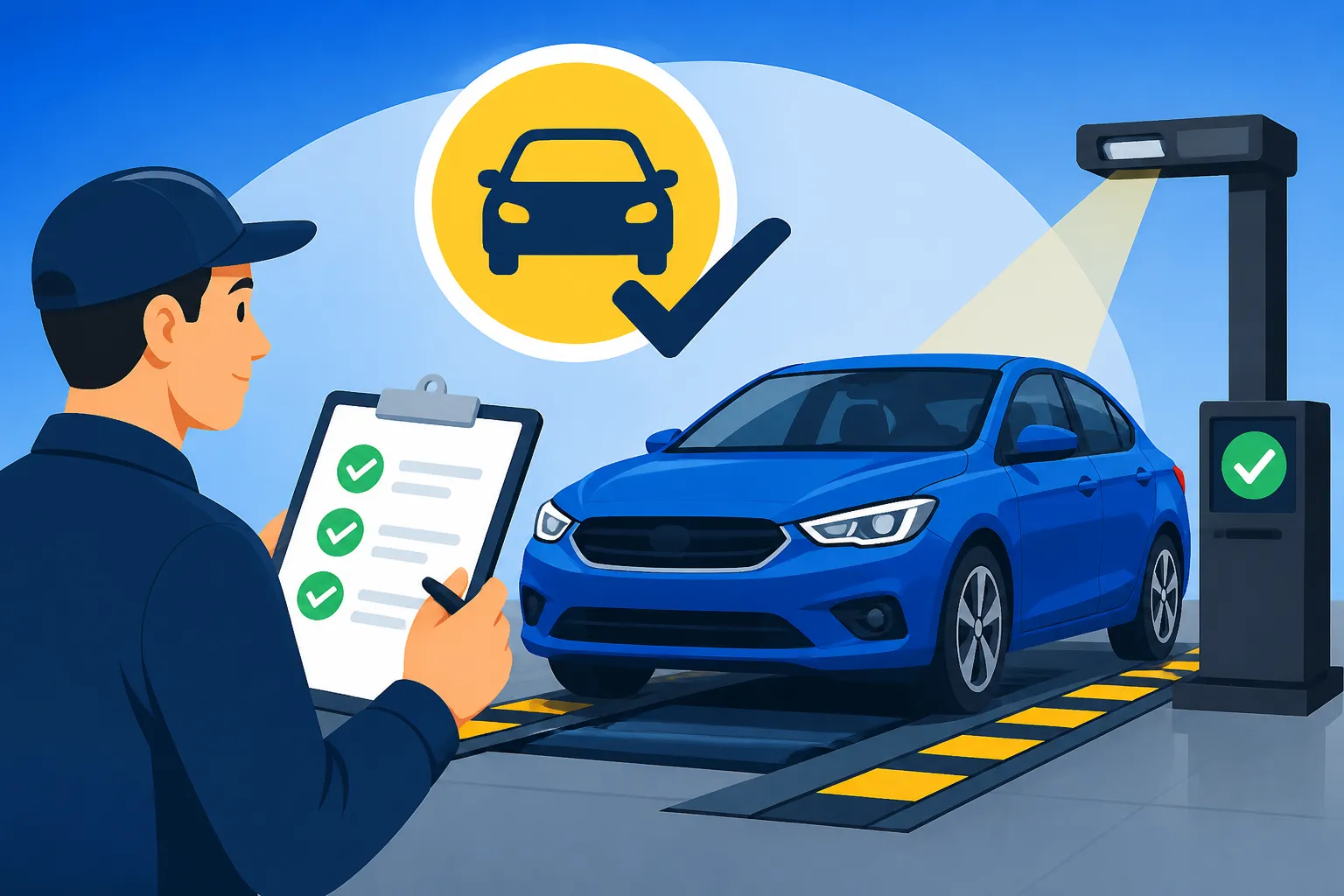
So, what exactly do they poke and prod during an ITP? It's a surprisingly thorough process that covers multiple aspects of your vehicle. The inspector will go through a checklist that includes, but isn't limited to:
- Braking System: They'll test the effectiveness of your service brakes and parking brake on a specialized roller bench. This isn't just a visual check; it's a performance test.
- Lighting and Signaling Equipment: All your lights – headlights (high and low beam), tail lights, brake lights, turn signals, fog lights, and even your license plate illumination – must be in perfect working order and correctly aligned.
- Tires: Tread depth, overall condition, and matching specifications are all scrutinized. Worn or damaged tires are a common reason for failure.
- Steering and Suspension: They'll check for excessive play in the steering wheel, worn ball joints, leaky shock absorbers, and any other issues that affect handling and control.
- Chassis and Underbody: Rust, structural integrity, and any signs of damage to the vehicle's frame are examined. They're looking for anything that could compromise the car's structural safety.
- Exhaust System and Emissions: This is where the environmental check comes in. They'll measure the levels of pollutants in your exhaust gases to ensure they comply with national and EU regulations.
- Windscreen and Wipers: Any significant cracks or damage to your windscreen, as well as the functionality of your wipers and washer fluid system, are checked.
- General Equipment: This includes things like your seatbelts, horn, speedometer, and even your first aid kit and reflective triangles (yes, they're mandatory to have in your car!).
Once your vehicle passes, you'll receive a stamp on your registration certificate (the talon) and a small sticker for your windscreen showing the month and year of your next ITP. It’s always a relief when that sticker goes on, signaling another year or two of driving peace of mind.
Understanding the ITP Validity Periods
The validity period for your ITP isn't a one-size-fits-all situation; it depends on the type and age of your vehicle. This is crucial to remember because missing the deadline can lead to serious penalties.
For new passenger cars, the first ITP is valid for 3 years. After that initial period, subsequent inspections are typically valid for 2 years. This is the most common scenario for many expats driving their personal vehicles.
However, if you own a vehicle older than 12 years, for example, the validity period shortens to just 1 year. Commercial vehicles, taxis, and public transport vehicles have even more frequent inspections, often every 6 months. Motorcycles also have specific regulations. It’s always best to check the exact date stamped on your talon from your last ITP to be absolutely sure of your next deadline. Mark it on your calendar, set reminders, do whatever you need to do to avoid an expired ITP – it's just not worth the hassle. Understanding these nuances is part of the broader administrative landscape you navigate when you register a car in Romania as a foreigner.
Navigating the ITP Process as an Expat
Alright, now that we know what the ITP is all about, let's talk about the how. As an expat, this process can feel a bit daunting, especially if your Romanian isn't fluent. But fear not, it's a well-trodden path, and with a little preparation, you can get it done efficiently.
Where to Get Your ITP Done
The most important thing to know is that your ITP must be performed at an authorized station. These are often independent garages or service centers that have been certified by the Romanian Auto Register (RAR). You'll typically see "Stație ITP Autorizată RAR" signs outside. While you can go directly to a RAR station, many smaller, private garages offer ITP services, often with more flexible scheduling.
How do you find one? A quick online search for "stație ITP București" (or your city) will bring up many options. Look for reviews, and if you can, ask fellow expats in local Facebook groups for recommendations. Sometimes, word-of-mouth is the best way to find a reliable place that might even have English-speaking staff, though that’s never guaranteed. If you've just bought a used car in Romania, the dealership or a recommended mechanic might be able to point you to a trusted ITP location.
Booking an appointment is almost always necessary, especially in larger cities. Don't just show up and expect to be seen immediately; it's a professional service that requires dedicated slots. When you call, try to explain (or have a Romanian friend explain) that you need an "inspecție tehnică periodică" for your specific vehicle type and mention if you have any language concerns.
Required Documents for Your ITP
This is where the Romanian bureaucracy loves to shine, so pay close attention! You absolutely must have the original documents with you. Copies are usually not accepted.
Here's the checklist:
- Car Registration Certificate (Certificatul de Înmatriculare): This is the "talon" – the small, pinkish-purple card that serves as your vehicle's ID. It contains all the essential details about your car.
- Identity Document (Act de Identitate): Your personal ID card (CI) if you're an EU citizen with a Romanian one, or your passport along with your Romanian residence permit (Permis de Ședere) if you're a non-EU expat. Make sure your ID is valid and matches the name on the registration certificate if you're the owner.
- Vehicle's Previous ITP Certificate (if applicable): While they usually check the stamp on your talon, having the physical certificate from your last ITP can sometimes streamline things, especially if there's any ambiguity.
- Proof of Mandatory Car Insurance (RCA – Răspundere Civilă Auto): Your valid civil liability insurance policy is a must. They need to see that your car is insured for potential damages to third parties.
Make sure all these documents are original and easily accessible. Having a clear plastic folder for your car documents, including your driving license in Romania, is always a good idea. This way, you're prepared for any traffic stop or administrative check.
The Inspection Day: What to Expect
You’ve booked your appointment, gathered your documents, and now the day has arrived. What actually happens?
When you arrive at the ITP station, you'll first be directed to an office for check-in. This is where they'll verify your documents against the vehicle. Hand over your talon, ID, and RCA. The staff will input your car's details into their system and give you some paperwork to sign. If you’re not fluent in Romanian, don't hesitate to use a translation app on your phone. Services like Airalo ensure you have reliable data to access these apps, which can be a lifesaver when understanding technical terms or instructions.
Next, you'll usually be asked to park your car in a designated area, and then the inspection begins. Depending on the station, you might be invited to watch parts of the inspection from a waiting area, or you might simply hand over your keys and wait for it to be completed. The process typically takes between 30 minutes to an hour, depending on the type of vehicle and how busy the station is.
The inspectors will meticulously go through all the checks mentioned earlier, using specialized equipment for things like brake tests, light alignment, and emission measurements. They'll often drive your car onto ramps or lifting platforms to examine the undercarriage. Once the technical inspection is complete, you'll return to the office. If your car passes, they'll stamp your registration certificate, issue a new ITP sticker for your windscreen, and give you the official ITP certificate. You'll also pay the fee at this point. If, however, your vehicle doesn't pass, they'll explain the defects, and you'll need to address those before a re-inspection.
Common Pitfalls and How to Avoid Them
Even with all the preparation, things can sometimes go sideways. As an expat, some issues can be particularly frustrating, from language barriers to simply not knowing the local expectations. Let's cover some common pitfalls and how to navigate them.
Understanding Potential Failures and Re-inspections
It happens. Your car might not pass its ITP on the first try. Don't panic, but also, don't take it lightly. The reasons for failure can range from minor issues to significant safety concerns.
Common "minor defects" (known as defecțiuni minore): These might include a burnt-out headlight bulb, slightly misaligned headlights, or a minor crack in a non-critical area of the windscreen. For these, you'll typically be given a short grace period (often 15-30 days) to rectify the issue and bring the car back for a free re-inspection of just that specific defect.
"Major defects" (defecțiuni majore) are more serious. These could be significantly worn brake pads, excessive play in the steering, severe rust on structural components, or emissions outside acceptable limits. If your car has major defects, it automatically fails the ITP. You’ll need to get the repairs done immediately. You then have a limited timeframe, usually 15-30 days, to return for a full re-inspection. If you exceed this period or try to go to a different station without the original paperwork, you'll likely have to pay for an entirely new ITP. It's best to get these fixed by a reputable mechanic and return to the same ITP station for the re-check.
Language Barriers and Finding English-Friendly Services
One of the biggest hurdles for expats in any administrative process in Romania is the language barrier. While younger staff might speak English, you can't always count on it, especially in smaller towns or independent garages.
- Bring a Translator: If you have a Romanian-speaking friend or colleague, ask them to come with you. This is often the easiest and most stress-free solution.
- Use Translation Apps: As mentioned, your phone can be your best friend. Google Translate, particularly the conversational mode or image translation, can help you understand documents or speak to staff. Just make sure your phone has enough battery and reliable mobile data.
- Prepare Key Phrases: Learn some basic Romanian phrases related to car inspection and problems. "Mașina nu a trecut inspecția" (The car didn't pass inspection), "Ce problemă este?" (What is the problem?), "Cât costă?" (How much does it cost?).
- Look for Expat Recommendations: Online expat groups are invaluable. Ask for "English-speaking ITP stations" or "mechanics who speak English" in your city. Many people have gone through this and can share their positive experiences. When you're dealing with the initial stages of getting settled, knowing where to find help for things like this can be a huge relief, almost as important as understanding how to set up electricity in your Romanian home.
Consequences of an Expired ITP
This is important: do not let your ITP expire. The Romanian authorities take this seriously, and the consequences can be quite severe.
- Fines: The most immediate consequence is a hefty fine. Police patrols are equipped to check your ITP validity electronically, and if they catch you, the fines can range from 1,305 RON to 2,900 RON (as of my last check, but these can change).
- Suspension of Registration: Beyond a fine, your vehicle's registration certificate can be suspended. This means your car is no longer legally allowed on public roads.
- Removing License Plates: In more severe cases, or if you continue to drive with a suspended registration, the police can physically remove your license plates, essentially immobilizing your car until you get the ITP done and pay the fines. Getting them back involves more paperwork and visits to various offices.
- Insurance Issues: Driving without a valid ITP can also invalidate your car insurance. If you're involved in an accident with an expired ITP, your insurance company might refuse to cover damages, leaving you financially responsible. It's simply not worth the risk. This also goes for any initial steps when you move to Romania, making sure you understand all the documentation necessary for vehicles as outlined in guides like The Complete Guide to Moving to Romania: Your First 90 Days.
Costs and Practical Tips for a Smooth ITP
Let’s talk money and some smart moves to ensure your ITP goes as smoothly as possible. While the process is mandatory, a little foresight can save you time, stress, and cash.
Expected Costs for an ITP
The cost of an ITP can vary slightly depending on the type of vehicle you have, the specific ITP station, and whether it’s a RAR official station or a private one. Generally, for a standard passenger car, you can expect to pay anywhere from 120 RON to 250 RON. For SUVs, vans, or diesel vehicles, it might be a bit higher due to slightly more complex emissions testing.
Here’s a rough breakdown:
- Gasoline Cars: Typically on the lower end, around 120-180 RON.
- Diesel Cars: Often a bit more, say 150-250 RON, due to stricter particulate matter emission tests.
- SUVs/Vans: Might also fall into the higher range.
These prices usually include the full inspection. Remember, if you fail and need a re-inspection, some stations might offer a free re-check within a specific timeframe (e.g., 15-30 days) if you get the repairs done and return to them. However, if the defects are major or you let too much time pass, you might have to pay for a full new inspection. It’s always best to ask about their re-inspection policy when you book your initial appointment. Compared to other administrative costs you might encounter, like notary fees when buying property in Romania, the ITP fee is relatively minor, but important nonetheless.
Maintenance Tips to Pass First Time
No one wants to go through the ITP process twice. A little preventative maintenance and a quick self-check before your appointment can drastically increase your chances of passing on the first attempt. Think of it as preparing for an exam!
- Check All Lights: Walk around your car and test every light: headlights (high and low beam), tail lights, brake lights (get a friend to help or use a reflection), turn signals, fog lights (front and rear), and license plate lights. Replace any blown bulbs. This is probably the easiest and most common reason for failure.
- Wipers and Washer Fluid: Ensure your wipers operate smoothly and don't leave streaks. Top up your washer fluid reservoir.
- Tire Condition: Check your tire pressure and visually inspect all four tires (and the spare, if required). Look for adequate tread depth (the minimum legal limit in Romania is 1.6 mm), bulges, cracks, or embedded objects. Uneven wear can indicate suspension issues.
- Brake Performance: If you notice any unusual noises, vibrations, or a spongy brake pedal, get them checked by a mechanic beforehand.
- Fluid Levels: Ensure your engine oil, coolant, and brake fluid levels are within the recommended range.
- Warning Lights: If you have any warning lights illuminated on your dashboard (e.g., check engine, ABS, airbag), get them diagnosed and resolved. These are almost guaranteed to cause a failure.
- Emissions: While you can’t fully check this at home, if your car is running rough, blowing excessive smoke, or you suspect a problem, have a mechanic check the exhaust system. Driving the car for about 15-20 minutes before the ITP (to get the engine to operating temperature) can sometimes help with a cleaner emissions reading.
- General Cleanliness: While not a technical requirement, a clean car (inside and out) can leave a good impression. Make sure your VIN (Vehicle Identification Number) on the chassis is visible and clean.
- Safety Equipment: Confirm you have a valid first aid kit, two reflective triangles, and a fire extinguisher in your car. These are mandatory items in Romania.
By taking these proactive steps, you’ll not only increase your chances of a smooth ITP experience but also ensure your car is safer for you and everyone else on the road. If you're coordinating other aspects of your move or settling in, resources like Sirelo can help with the larger logistics, but for the day-to-day realities of car ownership, these local tips are golden.
Disclaimer
The information provided in this guide is intended for general informational purposes only and does not constitute legal or professional advice. While we strive to keep the content accurate and up-to-date, regulations in Romania, particularly those related to vehicle inspections and associated costs, can change. It is always recommended to consult official sources, such as the Romanian Auto Register (RAR) or a qualified local expert, for the most current and specific information regarding your personal situation. We cannot be held responsible for any outcomes resulting from the use of this information.