How Do I Register with a Family Doctor If I Live in a Small Town in Romania?
Moving to a charming, remote village in the Romanian countryside or a quiet town in the foothills of the Carpathians is the ultimate expat dream—until you wake up with a persistent cough or need a routine prescription. Navigating the medical system in a major city like Bucharest is one thing, but figuring out how to register with a family doctor in a small town, where English is scarce and administrative traditions run deep, is an entirely different challenge. This guide breaks down the specific steps, cultural nuances, and logistical hurdles you will face to ensure you are legally and medically covered in rural Romania.
The Reality of Rural Healthcare in Romania
Living in a small town or village (comună) means you are entering a world where the local family doctor (Medic de Familie) is often the most important person in the community. Unlike in some Western countries where you might visit a walk-in clinic for minor issues, in Romania, the family doctor is the gatekeeper to the entire healthcare universe. Without being registered on a doctor's list, you essentially do not exist in the public health system.
In smaller locales, the medical infrastructure often consists of a dispensar—a small clinic that might serve several surrounding villages. These buildings can range from modern, renovated facilities to older, somewhat austere structures that look like they haven't changed since the 1980s. Do not let the exterior fool you; many rural doctors are incredibly dedicated professionals who manage everything from newborn check-ups to elderly chronic care with very limited resources. However, the administrative burden is heavy, and as a foreigner, you are a "complex case" simply because your paperwork looks different.
Why the Family Doctor is Your Gatekeeper
Your Medic de Familie is the only person who can issue the coveted How Specialist Referrals (Bilet de Trimitere) Work in Romania. If you want to see a cardiologist, a dermatologist, or even get a standard blood test covered by the state, you must first visit your family doctor to get this referral. In a small town, this means you need a doctor who is not only geographically close but also willing to handle the extra paperwork that comes with an expat patient.
For those who are still in the process of moving or haven't yet secured their residency, having a backup like SafetyWing can be a lifesaver. While it doesn't replace the public system for chronic care, it provides that essential safety net while you are navigating the often-lengthy registration process in a remote area.
The Small Town Challenge: Language and Infrastructure
The biggest hurdle in a small town is almost always the language barrier. While younger doctors in cities like Cluj or Timișoara usually speak excellent English, a doctor in a remote part of Botoșani or a village in the Danube Delta might only speak Romanian. This doesn't just affect your consultation; it affects the entire registration process. The nurse (asistentă) is usually the one who handles the folders and the computer system, and if they cannot communicate with you, the process can stall before it even begins.
Additionally, the "infrastructure" in a small town often relies on the "who-knows-who" system. It is not uncommon for a doctor's list to be technically "full," but if you are introduced by a neighbor or a local friend, a spot miraculously opens up. This is part of the cultural landscape of rural Romania that you must learn to navigate with patience and a smile.
Eligibility and Documentation: What You Need Before You Start
Before you even step foot in a local clinic, you need to have your "paperwork house" in order. Romanian bureaucracy is famous for its love of original documents and copies, and in small towns, they are often even more sticklers for the rules because they don't want to make a mistake that the county office (Casa de Asigurări de Sănătate or CAS) will penalize them for.
The very first thing you must understand is How to Register for Public Health Insurance (CASS) as a Foreigner in Romania. You cannot register with a doctor until you are contributing to the national health insurance fund, or you are exempted (for example, if you are an EU pensioner with an S1 form).
The Holy Grail: The CNP (Personal Numeric Code)
You cannot be entered into the doctor's computer system without a CNP. This 13-digit number is the key to everything in Romania. If you are a non-EU citizen, you get this on your residence permit. If you are an EU citizen, you get it on your registration certificate (certificat de înregistrare).
If you are currently living in a small town but haven't yet received your residency papers, you are in a "grey zone." You can still see a doctor as a private, paying patient, but you cannot be "registered" on their list. During this waiting period, having international coverage like SafetyWing is highly recommended because it ensures you have access to private clinics in the nearest city if the local dispensar cannot help you. For more details on this initial step, check out How to Get Your CNP (Personal Numeric Code) for Healthcare Access in Romania.
Proving Your Insurance Status (CASS)
In a small town, the doctor's office will need proof that you are "asigurat" (insured). Even if you have a CNP, the system might not show you as active if your employer hasn't filed the right declarations or if you haven't paid your voluntary contributions. You can check your status on the CNAS website, but it's always better to bring a printout of your latest proof of payment or a certificate from the CAS office in your county capital.
Understanding How CASS Contributions Fund Healthcare in Romania will help you explain your situation to the doctor. If you are a freelancer (PFA) or a remote worker, you might need to show your annual tax return (Declarația Unică) to prove you are paying into the system.
Step-by-Step: Finding and Registering with a Doctor in Your Village or Town
Once you have your CNP and proof of insurance, it is time to find the actual human being who will be your doctor. In a small town, choices are limited. There might only be one or two doctors available.
Researching Local Options
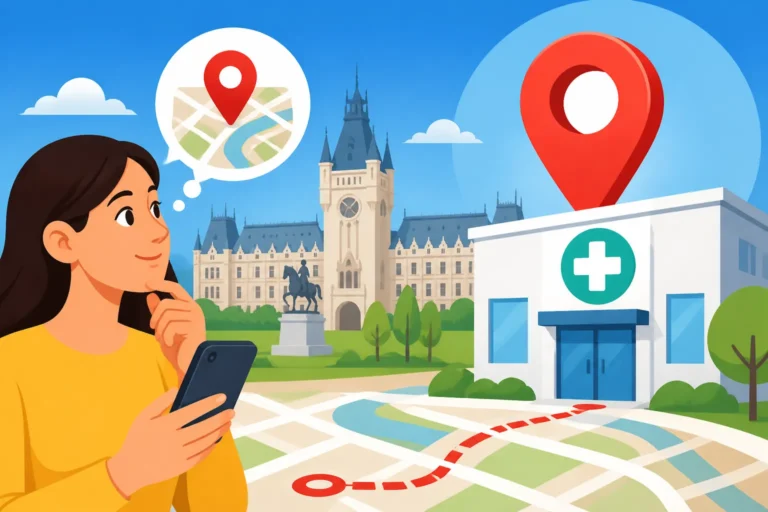
Your first port of call should be the official list provided by the County Health Insurance House (e.g., CAS Sibiu, CAS Brașov). Every county has a website with a list of "Furnizori de servicii medicale" (Medical service providers). Look for "Medicină de familie." These lists usually include the doctor's name, the address of the clinic, and a phone number.
However, the most effective way to find a doctor in a small town is to ask your neighbors. "Cine este medicul dumneavoastră de familie?" (Who is your family doctor?) is a great conversation starter. They will tell you not just who the doctor is, but whether they are kind, if they have long queues, and if they are "modern" in their approach. This is often more valuable than any official list. For a broader view, you can read The Expat Guide to Finding a Family Doctor (Medic de Familie) in Romania.
The In-Person Visit: What to Expect
In Romania, you don't usually register over the phone. You need to show up in person. Here is what you should bring in your "folder":
- Your Residence Permit or EU Registration Certificate (Original + Copy).
- Proof of health insurance (e.g., a certificate from CAS or a recent payslip).
- A "Cerere de înscriere" (Registration request form)—the doctor's office usually provides this.
- Your medical history (if you have it translated into Romanian, that is a huge plus).
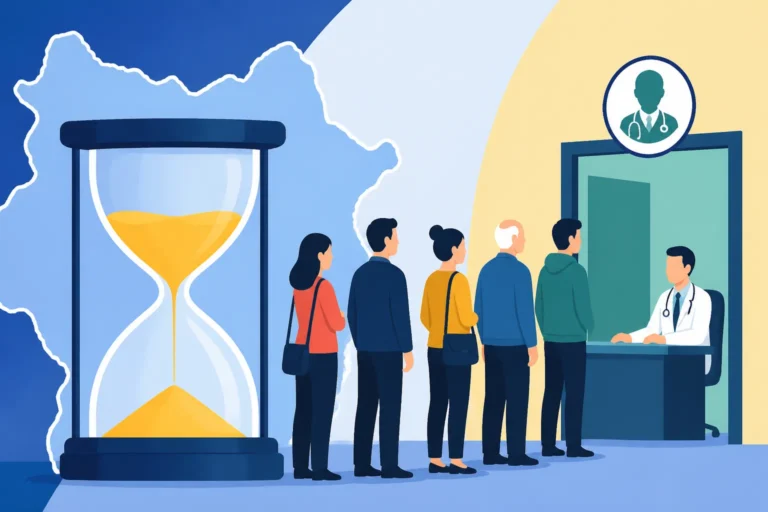
When you enter the clinic, don't be surprised by the "first come, first served" system. Even if there are appointments, small-town clinics often operate on a queue. You might see a crowd of people standing in a hallway; simply ask, "Cine este ultimul?" (Who is the last person?) to find your place in line.
| Step | Action Item | Why It Matters |
|---|---|---|
| 1 | Obtain CNP | Required for the SIUI (national health database) |
| 2 | Verify CASS Status | Ensures the doctor gets paid by the state for your visits |
| 3 | Visit the Clinic | In-person verification is standard in rural areas |
| 4 | Sign the 'Cerere' | Legal document linking you to that specific doctor |
| 5 | Wait for Activation | It can take 2-4 weeks for the system to update |
While you wait for this activation, you are technically in a vulnerable spot. If you fall ill before the system recognizes you, you might be asked to pay the full price for a consultation. Again, this is where a policy like SafetyWing bridges the gap, allowing you to seek care without worrying about whether the Romanian database has refreshed yet.
Overcoming Common Hurdles in Small-Town Clinics
Even with all your papers, you might hit some roadblocks. The most common one is the "Full List" excuse. Each family doctor has a maximum number of patients they are allowed to have under contract with the state. In small towns with only one doctor, that list is often at capacity.
Handling the Language Barrier Without a Translator
If you don't speak Romanian and the doctor doesn't speak English, the situation can feel hopeless. However, don't give up. Many expats use translation apps, but the most successful ones bring a local friend or hire a translator for the first visit. In a small town, showing that you are trying to integrate by bringing a local "sponsor" goes a long way.
The doctor needs to know your basic history: "Am diabet" (I have diabetes), "Am tensiune mare" (I have high blood pressure), or "Sunt sănătos" (I am healthy). Having these phrases written down, along with a list of any medications you take (use the generic names, as brand names differ), will make the doctor much more comfortable taking you on as a patient. For more navigation tips, see Navigating the Romanian Healthcare System: An Expat's Roadmap (2027).
What to Do If the Local Doctor’s List is Full
If the local doctor says they cannot take you, you have two options. You can try a doctor in the next town over, which is common but inconvenient if you don't have a car. Or, you can wait for the quarterly "opening" where people who have moved or passed away are removed from the list.
Sometimes, the "full" response is actually a hesitation about the paperwork. If you can demonstrate that your CASS is fully paid and your CNP is active, and you are prepared to be a "low-maintenance" patient, they might find a way. If you are truly stuck, you can contact the county CAS office and ask for help; they have a duty to ensure every insured resident has access to a primary care physician.
Managing Your Health Long-Term in a Small Town
Once you are registered, you will eventually receive your Understanding the Electronic Health Card (Cardul de Sănătate) in Romania. In small towns, the mail system can be spotty. Often, the cards are sent to the local post office or even back to the CAS office if you aren't home to sign for it. You will need this card for every visit; the doctor inserts it into a card reader and you enter a PIN to "validate" the service so the state pays them.
Referrals and Specialist Care
If you live in a small town, your family doctor will likely refer you to a Policlinică in the nearest city for specialist care. Understanding How Specialist Referrals (Bilet de Trimitere) Work in Romania is vital here because these referrals have an expiration date (usually 30 to 90 days). In rural areas, travel time and limited specialist appointments mean you have to be very organized.
If you find that the local public specialist has a three-month waiting list, you might choose to use your referral at a private clinic that has a contract with the state. However, in many cases, expats in small towns find it easier to use private insurance or out-of-pocket payments for specialists to save time. SafetyWing is a great companion here, especially for emergencies or unexpected illnesses that require more than what the local dispensar can provide.
Switching Doctors
If you move to a different village or find that your current doctor isn't a good fit, you can change. However, you must have been with your current doctor for at least six months before the system easily allows a transfer. The process involves finding a new doctor who agrees to take you and signing a new request. They will then request your medical file from the previous doctor. For a full breakdown, read How to Switch Your Family Doctor (Medic de Familie) in Romania.
Living in rural Romania is a rewarding experience that offers a pace of life many of us crave. By taking the time to properly register with a family doctor, you aren't just ticking a bureaucratic box; you are becoming part of the local community and ensuring that when you do need help, you aren't a stranger to the system. If you ever find yourself in a situation where the local clinic is closed, remember there is always Emergency Medical Care in Romania: What Every Expat Needs to Know, which operates independently of your family doctor registration.
Disclaimer
This guide is for informational purposes only and does not constitute legal or medical advice. Healthcare regulations in Romania, particularly those involving the National Health Insurance House (CNAS) and the Ministry of Health, are subject to frequent changes. While every effort has been made to ensure accuracy, readers should verify current requirements with their local Casa de Asigurări de Sănătate (CAS) or a qualified legal professional. The mention of third-party services like SafetyWing is for contextual information and does not replace the mandatory health insurance requirements for residents in Romania. Always consult with a medical professional for health concerns and a legal expert for residency and insurance compliance.