How Do I Find a Pediatrician (Medic Pediatru) in Timișoara?
Moving to a new country like Romania is a whirlwind of excitement, but the moment your child develops a sudden fever or a persistent cough in a city like Timișoara, that excitement turns into immediate administrative anxiety. Finding a reliable pediatrician involves navigating a dual system of public and private care while overcoming language barriers and complex registration rules. This guide solves that problem by providing a clear, step-by-step roadmap to securing the best pediatric care for your family in Timișoara.
Understanding the Difference Between a Family Doctor and a Specialist Pediatrician in Timișoara
One of the first things you will realize when navigating the Romanian healthcare landscape is that the "Medic de Familie" (Family Doctor) is the gatekeeper of the entire system. For many expats, the concept of a general practitioner treating both adults and children is standard, but in Romania, the distinction between a family doctor and a specialist "Medic Pediatru" can be confusing. You need to understand that even if you want to see a top-tier specialist, your journey often begins with a generalist.
The Role of the Medic de Familie
The family doctor is your primary point of contact for routine check-ups, minor illnesses, and, most importantly, the paperwork required for school or daycare. In Timișoara, many family doctors are qualified to treat children for basic issues like the common cold or mild ear infections. However, their most critical role is issuing a "Bilet de Trimitere" (referral). Without this referral, accessing the public specialist system for free is virtually impossible. When you first arrive, The Expat Guide to Finding a Family Doctor (Medic de Familie) in Romania is a crucial resource to help you understand how to get your child on a local list.
If you are living in neighborhoods like Iulius Town or Calea Aradului, you will find several individual family doctor offices tucked away in the ground floors of apartment blocks. These doctors handle the mandatory vaccinations and the "Aviz Epidemiologic" (epidemiological clearance) your child will need every time they return to school after an absence. It is a highly bureaucratic process that can feel overwhelming, but once you have a good relationship with a local doctor, the stress significantly decreases.
When to Seek a Specialist Medic Pediatru
While the family doctor handles the basics, a "Medic Pediatru" is a specialist who has completed extensive residency training specifically in child health. You should seek a pediatrician directly if your child has a chronic condition, a developmental concern, or a complex illness that requires diagnostic tools not available in a standard GP's office. In Timișoara, parents often bypass the family doctor by going directly to private clinics, which allows for immediate access to specialists without needing a referral.
Expats often prefer this route because private pediatricians in Timișoara usually have more time for consultations and often speak excellent English. If you are still waiting for your residency documents to be processed, you might not be registered with the national health house yet. In this interim period, having a reliable travel or international insurance plan like SafetyWing can be a lifesaver, as it covers unexpected illnesses before you are fully integrated into the local system.
Navigating the Referral System
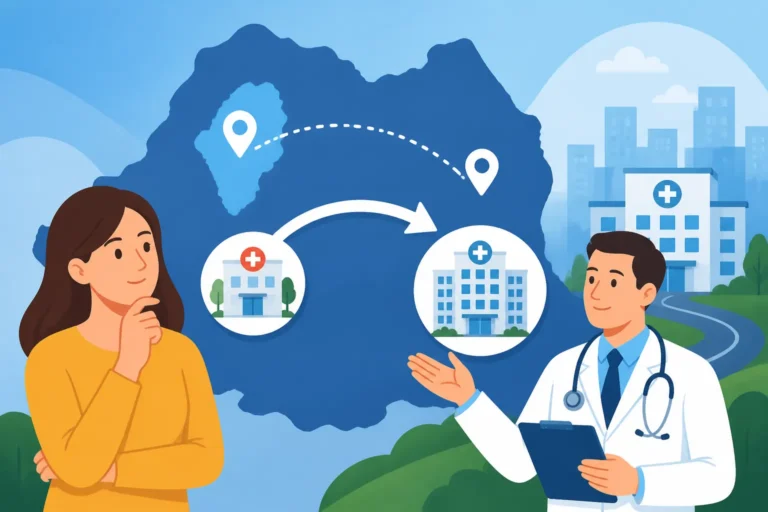
If you choose to use the public system to see a specialist pediatrician, you must present the "Bilet de Trimitere" from your family doctor. This paper is a small, usually green or blue slip that tells the specialist that the state will cover the cost of the visit. In Timișoara, the specialists working within the public system are often the same ones you would see in a fancy private clinic, but the wait times in the public sector can be significantly longer.
Understanding How Specialist Referrals (Bilet de Trimitere) Work in Romania is essential if you want to minimize out-of-pocket costs. However, many expats find that for peace of mind, paying for a direct private consultation is worth the cost, especially when dealing with a distressed child. The referral system is rigid; if you lose that piece of paper or it expires (usually after 30 to 90 days depending on the condition), you have to go back to the family doctor and start the process all over again.
Public vs Private Pediatric Care in Timișoara
Timișoara is a major medical hub in Western Romania, meaning you have access to some of the best medical minds in the country. However, the experience of care differs wildly between the "Spital de Copii" (Children's Hospital) and the modern private networks like Regina Maria or MedLife. You need to weigh the benefits of high-tech private facilities against the comprehensive, albeit sometimes grim, reality of public hospitals.
Using the State System via CNAS
The public system is funded through the National Health Insurance House (CNAS). As an expat, once you are employed or have a residence permit, you are generally required to pay into this system. The primary benefit is that most treatments, surgeries, and many medications for children are free. In Timișoara, the "Spitalul Clinic de Urgență pentru Copii Louis Țurcanu" is the flagship public institution. It is where you go for serious surgeries or specialized pediatric oncology, cardiology, and neurology.
To access these services for free, you must ensure you have completed Registering for Public Health Insurance (CASS) in Romania (2027). The reality of the public system, however, involves long queues and facilities that may not have been renovated recently. While the doctors are highly skilled, the nursing care and general "hospitality" can be a culture shock for those used to Western European or American standards. You may need to bring your own towels, soap, or even certain basic supplies if your child is admitted for an extended stay.
Private Medical Subscriptions and Clinics
Most expats in Timișoara opt for a hybrid approach. They use a private medical subscription, often called an "Abonament," provided by networks like Regina Maria, MedLife, or Arcadia. These clinics, located conveniently around the city in areas like Dumbrăvița or the city center, feel more like boutiques than hospitals. The staff usually speaks English, and you can book appointments via an app.
When considering if Is a Private Medical Subscription (Abonament) Worth It in Romania?, the answer for parents is almost always yes. These subscriptions often cover unlimited pediatric consultations and basic blood tests. However, it is vital to remember that an "Abonament" is not full insurance. For major surgeries or catastrophic accidents, these private clinics will often stabilize your child and then transfer them to the Louis Țurcanu public hospital because the public sector still holds the most advanced life-saving equipment and intensive care units.
Emergency Pediatric Care at Louis Turcanu Children's Hospital
In an emergency in Timișoara, you should go to the Emergency Room (UPU) at the Louis Țurcanu Children's Hospital on Strada Iosif Nemoianu. It is open 24/7. This is the only place in the region with a full suite of pediatric emergency specialists. If your child has a broken bone, a high fever that won't break, or has swallowed something dangerous, do not waste time going to a small private clinic; go straight here or call 112.
Emergency Medical Care in Romania: What Every Expat Needs to Know explains that emergency care is technically free for everyone, including tourists and expats who haven't yet registered for local insurance. If you are in those first few weeks of your move and haven't secured your CNP yet, your SafetyWing policy can help cover any follow-up care or private hospital stays that might result from an emergency stabilized at the public hospital. The emergency room at Louis Țurcanu can be chaotic, so it is helpful to have a Romanian-speaking friend or a translation app ready.
Step-by-Step Guide to Finding an English-Speaking Pediatrician
Finding a doctor who understands your child is important, but finding one who understands you is equally vital. Miscommunication in a medical setting can be dangerous. Timișoara has a large international community due to its universities and tech companies, so finding an English-speaking pediatrician is easier than in smaller towns, but it still requires some legwork.
Leveraging Expat Communities and Social Media
The best recommendations often come from other parents who have "been there, done that." Facebook groups like "Expats in Timisoara" or "International Women's Group of Timisoara" are goldmines for pediatrician recommendations. Ask specifically for doctors who are "parent-friendly" and willing to explain things in English. Romanian doctors can sometimes be quite traditional and authoritative; if you prefer a more collaborative approach to your child's health, specify that in your search.
Often, you will find that specific doctors are "expat favorites." For example, several pediatricians at the Regina Maria clinic near Iulius Town are frequently praised for their bedside manner and linguistic skills. Don't just take one recommendation; look for names that appear repeatedly across different platforms. This word-of-mouth vetting is often more reliable than the marketing brochures of the clinics themselves.
Vetting Doctors Through Online Portals and Reviews
Once you have a few names, use Romanian medical portals like Gabi.ro or even Google Maps reviews to check their reputation. While many reviews will be in Romanian, you can use a browser translator to get the gist. Look for comments about wait times, the thoroughness of the examination, and whether the doctor is prone to over-prescribing antibiotics—a common complaint in the Romanian medical system.
You can also check the official website of the large private networks. They usually list the doctors' specialties, years of experience, and the languages they speak. If a doctor has studied abroad (often in Germany, France, or the UK), they are almost guaranteed to speak English fluently and may have a more international perspective on pediatric care. This is especially helpful if you are looking for specific advice on Understanding Vaccination Schedules and Requirements in Romania, which can differ slightly from your home country.
Initial Consultation and Language Assessment
Before your child actually gets sick, book a "well-child" check-up. This is your chance to interview the doctor. Bring your child's previous medical records and see how the doctor interacts with both the child and you. Is the doctor patient with your questions? Do they explain the reasoning behind their recommendations?
If the language barrier feels too high during this first meeting, don't be afraid to keep looking. You need to feel 100% confident that you can describe symptoms and understand dosages in a high-stress situation. If you are still in the process of moving and don't have a local doctor yet, SafetyWing provides access to a list of providers and sometimes even telehealth options that can bridge the gap while you search for a permanent pediatrician in Timișoara.
| Clinic Name | Primary Location | Language Availability | Best For |
|---|---|---|---|
| Regina Maria (Iulius Town) | Calea Aradului/Mall area | English, French, Romanian | General Pediatrics, Subscriptions |
| MedLife | Bulevardul Eroilor de la Tisa | English, Romanian | Specialty Consultations, Imaging |
| Louis Țurcanu Hospital | Str. Iosif Nemoianu | Romanian (English varies) | Emergencies, Complex Surgery |
| Arcadia Medical Center | Calea Dorobanților | English, Romanian | Fast Appointments, Routine Care |
| Profilab | Various Locations | Romanian | Pediatric Blood Tests and Lab Work |
Essential Documents and Administrative Requirements for Your Child's Healthcare
In Romania, the bureaucracy is as much a part of healthcare as the medicine itself. You will need to keep a folder of original documents and copies for every medical interaction. Missing one piece of paper can result in being turned away from an appointment or being charged the full private rate even if you have public insurance.
Registration and the CNP Requirement
Your child's access to the public system is tied to their "Cod Numeric Personal" (CNP). This is a 13-digit number assigned to residents. If your child was born in Romania, they get it at birth. If you are moving here, they will get it when you apply for their residence permit. You will find that How to Get Your CNP (Personal Numeric Code) for Healthcare Access in Romania is perhaps the most important administrative step you will take.
Without a CNP, the public health database (SIUI) cannot "see" your child. This means your family doctor cannot register them on their list. Until this number arrives, keep your SafetyWing details handy and be prepared to pay for consultations upfront. Most private clinics in Timișoara will accept a passport number as a temporary identifier, but the CNP is the key that unlocks the state-subsidized system.
Vaccination Records and School Requirements
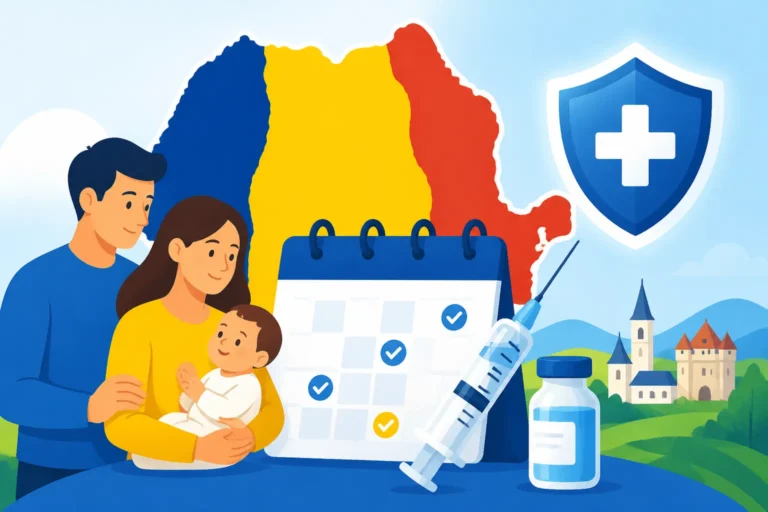
Romanian schools are very strict about vaccination records. When you find a pediatrician or family doctor in Timișoara, one of your first tasks should be "transcribing" your child's foreign vaccination record into the Romanian format. This involves the doctor looking at your home country's records and entering them into the local system.
If your child is missing any vaccines required by the Romanian national schedule, the doctor will advise you to catch up. You will need a signed and stamped document from your doctor to enroll your child in any "Grădiniță" (kindergarten) or school in Timișoara. It is also helpful to know What Health Services Are Free for Children in Romania because, under the national program, all mandatory vaccines are provided free of charge by the family doctor, regardless of your income level, as long as the child is registered.
Integrating Private Travel Insurance for Immediate Needs
Many expats forget that the registration process for residency can take months. During this "gray period," you are technically in a vulnerable spot. You aren't yet covered by the Romanian public system because you aren't yet paying the CASS. You can learn more about How Much Is the CASS Health Contribution in Romania to plan your future budget, but for the here and now, you need a stopgap.
International health insurance, such as SafetyWing, is designed for this specific scenario. It covers you while you are a "digital nomad" or a new resident waiting for your local paperwork to clear. It ensures that if your child needs to see a specialist in Timișoara for an acute issue, you aren't crippled by the cost. Once your residence permit is in hand and you are registered with a family doctor and the CNAS, you can then decide whether to keep your international coverage or switch entirely to a local "Abonament" and the public system.
Disclaimer
The information provided in this guide is for general informational purposes only and does not constitute medical or legal advice. Healthcare regulations and the availability of specific doctors in Timișoara can change. Always consult with a qualified medical professional or the official Romanian Immigration and Health authorities for the most up-to-date requirements and medical guidance.