Do I Need to Speak Romanian to Get a Residence Permit?
Let's be honest, moving to Romania can feel like navigating a linguistic maze, especially when it comes to official paperwork and new cultural nuances. You're probably wondering, between all the forms, translations, and appointments, do you also need to ace a Romanian language test just to get your initial residence permit? Good news: for most initial residence permits, the answer is simpler than you might think, but there are crucial nuances and future considerations you absolutely need to understand. This guide will clarify when language proficiency matters, when it doesn't, and how to navigate the system effectively.
Initial Residence Permits: No Mandatory Language Exam
When you first arrive in Romania and begin the journey to secure your residence permit – whether it's for work, study, family reunification, or even the increasingly popular digital nomad visa – you'll be relieved to hear that there isn't typically a mandatory Romanian language exam you need to pass. This comes as a huge relief to many expats who are already grappling with the complexities of moving to a new country.
What is Required Instead of Language Proficiency
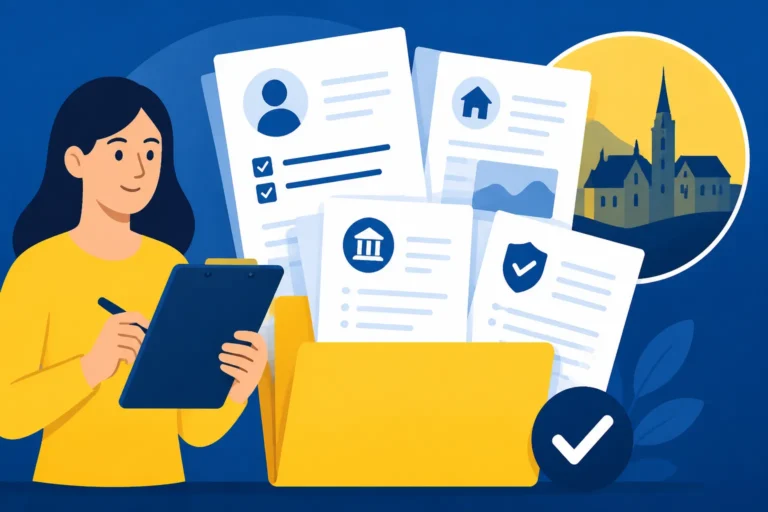
The focus for initial residence permits isn't on your ability to speak Romanian, but rather on demonstrating that you meet the specific criteria for the type of permit you're applying for. This usually means presenting a solid stack of documents proving your purpose of stay, sufficient financial means, and adequate accommodation. For instance, if you're coming on a work visa, the authorities will want to see your employment contract, the work permit (Aviz de Muncă) obtained by your employer, and proof of your legal entry into the country.
For students, it's about acceptance letters and proof of tuition payment. For family reunification, it's marriage certificates or birth certificates. And for those coming on the How to Get a Romania Digital Nomad Visa: The Full Guide (2027), you'll need to demonstrate stable income from abroad and that you work remotely for a foreign company. The key here is proper documentation, often translated into Romanian by an authorised translator, not your conversational skills. You will also need to secure health insurance, and providers like Cigna Global offer comprehensive plans that meet the requirements for residence permits.
Navigating the Immigration Office (IGI) Without Romanian
While there's no official language test, you will, of course, need to communicate during your application process at the General Inspectorate for Immigration (IGI). This is often where the real challenge for non-Romanian speakers begins. In larger cities like Bucharest, Cluj-Napoca, or Timișoara, you'll often find IGI staff who speak at least some English, especially those dealing directly with foreign nationals. However, this is not a guarantee. You might encounter an agent who speaks very little English, or whose English isn't quite clear enough for the detailed questions or explanations required.
This can be incredibly frustrating. Imagine waiting hours for your turn, finally getting to the counter, and then struggling to understand a critical instruction about your paperwork. My advice, from years of watching expats deal with this, is always to come prepared. Have your documents organised impeccably. If possible, bring a Romanian-speaking friend or colleague with you to act as an interpreter, even if they're not official. They can bridge those communication gaps, help clarify nuances, and even spot potential issues before they become major problems. Many people also rely on legal assistance or specialised immigration consultants for these appointments, precisely because navigating the language and bureaucracy can be so daunting. For more on the practical side, check out How to Book an Appointment at the Immigration Office (IGI) in Romania.
When Romanian Language Skills Become Essential
While your initial residence permit may not demand Romanian language skills, the journey of settling in Romania often introduces situations where knowing the local language becomes not just helpful, but genuinely necessary. This is especially true if you plan to make Romania your long-term home.
Permanent Residence and Citizenship Applications
This is where the game changes entirely. If your goal is to eventually apply for Permanent Residence in Romania: The Complete Pathway (2027), after accumulating five continuous years of temporary residence, you will be required to demonstrate a certain level of integration. A significant component of this integration is proving your knowledge of the Romanian language. Typically, this means passing a basic language test, usually at an A2 or B1 level, which confirms you can handle everyday conversations and understand simple texts. You'll also be expected to show a general understanding of Romanian history, culture, and civics.
Moving even further, if you aspire to How to Apply for Romanian Citizenship by Naturalisation, the language requirements become much more stringent. For citizenship, you'll need to demonstrate a high level of Romanian language proficiency, sufficient to understand, speak, and write. This is often accompanied by comprehensive tests on the Romanian Constitution and national anthem, and a detailed understanding of Romanian history and geography. This isn't just about survival phrases; it's about being an integral part of Romanian society.
Daily Life, Integration, and Well-being
Beyond legal requirements, the practicalities of daily life in Romania will quickly highlight the benefits – and often, the necessity – of speaking Romanian. Imagine trying to explain your symptoms to a doctor, negotiating with a repairman, or dealing with a lost package at the post office. While younger generations, particularly in tech hubs like Cluj-Napoca or Bucharest, might have good English skills, this is far from universal. Many civil servants, shopkeepers, and especially people in smaller towns or rural areas, will primarily speak Romanian.
Even mundane tasks like dealing with utility providers, setting up your internet, or understanding your monthly building maintenance bill can become major headaches without some grasp of the local language. Furthermore, connecting with your neighbours, understanding local news, or truly experiencing Romanian culture will be profoundly limited. Living in an expat bubble is certainly possible, but it often leads to isolation and a diminished experience of life abroad. Integrating means engaging, and engagement is significantly easier with the common tongue.
Navigating Bureaucracy and Services as a Non-Romanian Speaker
Okay, so you've understood that while the initial residence permit might not require Romanian, daily life and future aspirations definitely do. But what do you do now? How do you manage until you learn the language? It's a valid concern, and thankfully, there are strategies to help you through.
The Invaluable Role of Translators and Trusted Helpers
For official documents, there's no shortcut: you'll need official, notarised translations into Romanian for anything issued in another language. These aren't just for IGI; they're for banks, the tax authority (ANAF), and sometimes even for your employer. Don't try to cut corners here; official translations are a must.
For personal interactions, whether it's at the IGI, with a doctor, or at the bank, having a trusted Romanian speaker with you can be a lifesaver. This could be a friend, a colleague, or a professional interpreter. They can act as your voice and ears, ensuring clear communication and preventing misunderstandings. If you're using a professional, make sure they are reputable and understand the specific context of your needs. When it comes to something as vital as your health, for instance, finding an The Expat Guide to Finding a Family Doctor (Medic de Familie) in Romania who also speaks English can make a world of difference.
Leveraging Digital Tools and English-Speaking Resources
In this digital age, technology is your friend. Translation apps like Google Translate can be incredibly helpful for quick, on-the-spot translations of signs, menus, or short conversations. Keep one handy on your phone. Many official websites, including some government portals, now offer English versions, though the accuracy and completeness can vary.
When it comes to essential services, seek out English-speaking options where possible. For banking, most major banks like Banca Transilvania, BCR, or ING have English-speaking staff, especially in larger branches. Many private clinics, such as Regina Maria and MedLife, employ English-speaking doctors and support staff, making Understanding Private Health Insurance and Subscriptions (Abonament) in Romania and accessing care much smoother. Even for moving logistics, research international moving companies, perhaps found through platforms like Sirelo, which often cater to English-speaking clients and understand the complexities of relocation.
Essential Bureaucratic Steps and Language
Some administrative hurdles are universally complex, regardless of language. Getting your Personal Numeric Code (CNP) is one such example. This is your unique identifier in Romania and is crucial for almost everything, from bank accounts to healthcare. While the process of applying for a How to Get Your CNP (Personal Numeric Code) for Healthcare Access in Romania doesn't require a language test, understanding the forms and communicating with the civil servants is paramount. Always have your documents ready, and if in doubt, bring a Romanian speaker. Similarly, when you eventually set up your tax obligations as an employee or freelancer, while the forms might be in Romanian, the processes are generally standard, and accountants can certainly assist non-speakers.
Embarking on Your Romanian Language Journey
So, you don't need Romanian to get your first residence permit, but it's clear it's vital for a fulfilling life here. How do you start? The thought of learning a new language can be daunting, but Romania is actually a fantastic place to do it.
Informal Immersion and Daily Practice
One of the best ways to pick up Romanian is simply by living here. Every interaction, no matter how small, is an opportunity. Try to learn basic greetings ("Bună ziua," "Mulțumesc"), numbers, and common phrases for shopping or ordering food. Don't be afraid to make mistakes; most Romanians appreciate the effort and are happy to help you practice.
Even trying to understand snippets of conversations around you, reading street signs, or trying to decipher supermarket labels can contribute to your passive understanding. Engage with your neighbours, even with just a simple "Ce faci?" (How are you?). These small steps build confidence and lay the groundwork for more formal learning. Believe me, the moment you successfully order your coffee in Romanian, it's a small victory that fuels further learning!
Formal Language Courses and Resources
If you're serious about long-term integration, especially if permanent residence or citizenship is on your horizon, formal language instruction is invaluable. Romania has several excellent options:
- Universities: Many universities, particularly in major cities, offer Romanian language courses for foreigners. These are often comprehensive and can take you from beginner to advanced levels. They're a great way to learn not just the language but also about Romanian culture.
- Private Language Schools: Numerous private schools cater specifically to expats, often offering flexible schedules and smaller class sizes. Some even offer online lessons.
- Private Tutors: For a more personalised approach, a private tutor can tailor lessons to your specific needs and pace. This can be especially effective for those who want to focus on conversational skills or specific vocabulary relevant to their work or daily life.
- Online Resources: Platforms like Duolingo, Memrise, and various YouTube channels offer free or affordable resources to get you started. They are excellent for building foundational vocabulary and grammar.
Remember, Learning Romanian: A Complete Guide to Language Courses and Levels is a marathon, not a sprint. Consistency is key, and even 15-30 minutes a day can make a huge difference over time.
The Table of Language Requirements
To summarise, here's a quick overview of when Romanian language proficiency typically comes into play for various statuses:
| Permit/Status | Initial Language Requirement | Language for Renewal/Extension | Language for Permanent Residence (after 5 years) | Language for Citizenship |
|---|---|---|---|---|
| Work Permit (Type D Visa) | Generally None | Generally None | Required (A2/B1 level of integration) | Required (High proficiency) |
| Study Permit (Type D Visa) | Generally None (unless study language is Romanian) | Generally None | Required (A2/B1 level of integration) | Required (High proficiency) |
| Family Reunification | Generally None | Generally None | Required (A2/B1 level of integration) | Required (High proficiency) |
| Digital Nomad Visa | Generally None | Generally None | Not applicable (not a direct path to PR) | Not applicable |
| EU/EEA Citizen Registration | None | None | None (but beneficial for daily life & interaction) | Required (High proficiency) |
This table highlights that while you get a grace period initially, if you plan to truly make Romania your home, learning the language will be an inevitable and rewarding part of your journey. It's an investment in your future comfort and belonging. Getting your initial affairs in order, like figuring out your residence permit and getting settled in your new home – tasks that platforms like Sirelo can help with from a logistics standpoint – often takes precedence, but don't forget to factor in language learning too! For general guidance on getting settled, remember to consult The Complete Guide to Moving to Romania: Your First 90 Days (2027).
Disclaimer
Please note that immigration laws and requirements in Romania can change. While this guide provides comprehensive information based on current regulations and typical expat experiences, it is always advisable to consult with the official General Inspectorate for Immigration (IGI) website, a legal professional specialising in immigration, or an accredited immigration consultant for the most up-to-date and personalised advice regarding your specific situation. This information is for general guidance purposes only and does not constitute legal advice.