Can I Use My Romanian Health Insurance When Travelling in the EU?
You’ve finally managed to navigate the labyrinthine twists and turns of setting up your life here in Romania, including getting your public health insurance sorted. But just when you thought you had a handle on things, the idea of a quick weekend trip to another EU country or a longer holiday makes a new question pop up: can you actually use your Romanian health insurance when you travel within the European Union? This guide is here to shed some light on this often-confusing topic, helping you understand your options and prepare for worry-free travels.
Understanding Your European Health Insurance Card (EHIC) from Romania
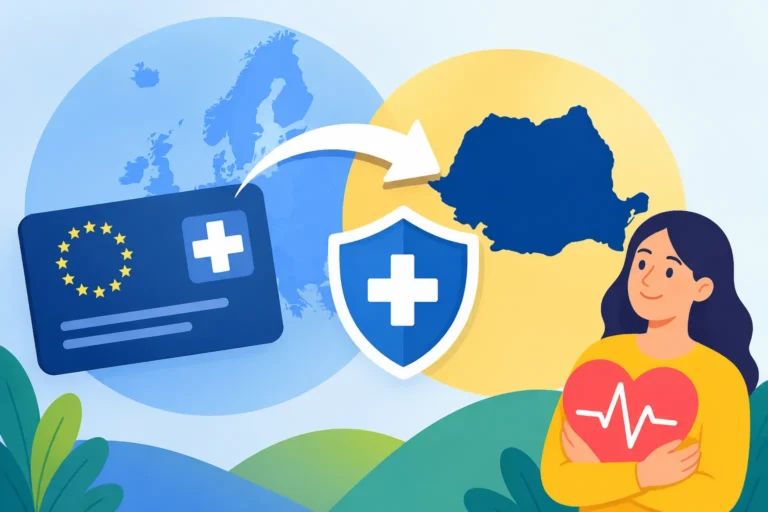
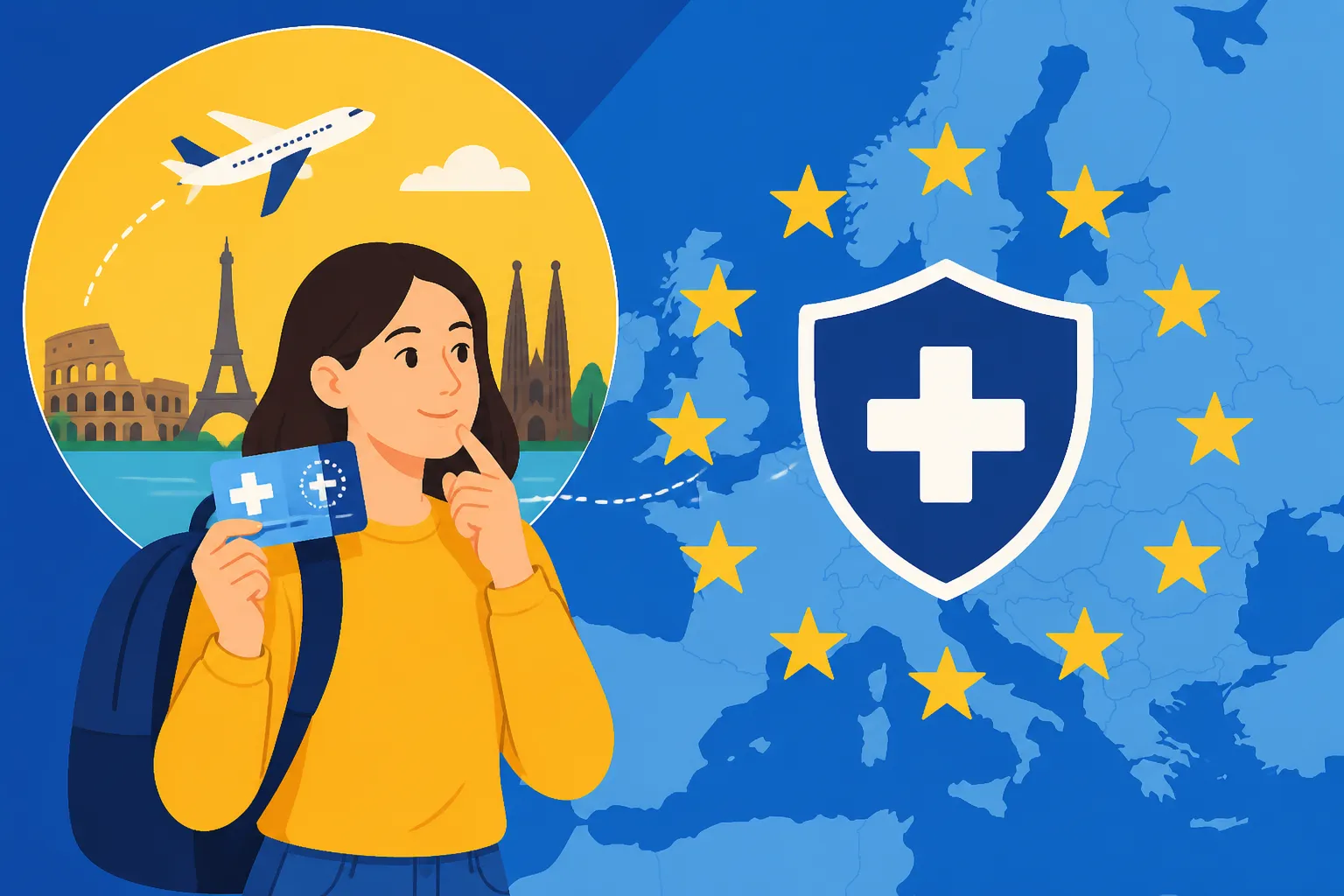
One of the greatest benefits of being integrated into Romania’s public healthcare system is your access to the European Health Insurance Card, or EHIC. This little blue card is your key to accessing necessary medical treatment when you’re temporarily visiting any of the 27 EU member states, as well as Iceland, Liechtenstein, Norway, Switzerland, and the UK. It’s a reciprocal agreement, meaning if you’re covered by the Romanian public system, you’re covered in other participating countries under their public systems, and vice-versa.
What Exactly Is the EHIC and What Does it Cover?
The EHIC isn't a substitute for private travel insurance, and it's certainly not a magic bullet that covers all medical expenses. Instead, it grants you access to medically necessary, state-provided healthcare during a temporary stay in another EHIC-participating country. "Medically necessary" is the key phrase here. This means treatment that cannot wait until you return home, ensuring you receive the same level of public healthcare as a resident of that country would. Think of it as ensuring you won't be left in a dire situation without care, but it won't necessarily cover every single scenario you might encounter.
For instance, if you break your leg skiing in Austria, your EHIC issued by Romania will ensure you get the necessary treatment at a public hospital or clinic, just as an Austrian citizen would. This might include consultations, hospitalisation, emergency dental treatment, or prescription medications. However, the costs covered will be according to the rules and tariffs of the country you are visiting. If locals have to pay a co-payment for certain services, then you will too. It’s not about getting free healthcare; it’s about getting healthcare on the same terms as a local. For a broader understanding of how your local contributions work, you might want to look at our guide on Understanding How CASS Contributions Fund Healthcare in Romania.
How to Apply for Your Romanian EHIC
Getting your EHIC in Romania involves dealing with the Casa Națională de Asigurări de Sănătate (CNAS), the national health insurance house. The process isn't overly complicated, but like many administrative tasks in Romania, it requires a bit of patience and ensuring you have all your ducks in a row.
First and foremost, you must be a legally insured person in the Romanian public health system. This means you are up-to-date with your CASS contributions, either through your employer or as a self-employed individual. If you're still figuring out how to register, our detailed guide on Registering for Public Health Insurance (CASS) in Romania (2027) can walk you through it.
Once you’re sure your contributions are in order, you’ll need to visit your local CNAS office. You’ll typically need:
- Your Romanian ID card (Buletin/Carte de Identitate) or your residence permit if you’re a non-EU citizen living in Romania.
- Proof of your CASS contributions – often, the system can verify this automatically, but it’s always good to have a recent payslip or payment confirmation, especially if your contributions are voluntary as a PFA.
- An application form, which you can usually get directly at the CNAS office or sometimes download from their website.
- Proof of address in Romania.
After submitting your application, CNAS will process it. They usually state a processing time of 7-10 working days, after which your EHIC will be mailed to your registered address. The card is typically valid for 12 months, so remember to reapply before it expires if you plan on continued EU travel. For a deeper dive into the overall system, you can refer to How Romania's Health Insurance House (CNAS) Works: A Full Overview. It’s crucial to know that the EHIC, while invaluable, is a separate entity from your regular electronic health card, which you use for domestic care. Understanding the Electronic Health Card (Cardul de Sănătate) in Romania is important for your day-to-day life here.
Key Limitations and What EHIC Doesn't Cover
While having a Romanian EHIC is definitely better than nothing, it's vital to understand its limitations. This isn't just bureaucratic small print; it can genuinely impact your financial well-being if you're not prepared.
Firstly, the EHIC only covers state-provided healthcare. This means if you opt for a private clinic or doctor abroad, even for a medically necessary treatment, your EHIC won't help you with the bill. Many expats in Romania choose private options here for speed and language reasons, and it's easy to assume that comfort level will extend abroad. But when traveling, unless it's an emergency requiring immediate, public intervention, your choice of private care won't be covered by your EHIC. This distinction is one of the main reasons many still consider Public vs Private Healthcare in Romania: Which Should Expats Choose? even for domestic care.
Secondly, it doesn't cover repatriation. If you have a serious accident and need to be flown back to Romania for further treatment, the EHIC will not cover the substantial costs of a medical evacuation. This alone is a significant gap in coverage for any international traveler.
Thirdly, it generally doesn't cover non-urgent or planned medical treatment. If you decide to go to Germany specifically for a scheduled surgery, your EHIC won't cover it. It's strictly for unexpected, medically necessary care.
Fourthly, while it covers some emergency dental work, it won't cover routine check-ups, cosmetic procedures, or extensive dental treatments. The specifics vary wildly between countries and their public systems.
Lastly, and this is a big one, it doesn’t cover stolen luggage, cancelled flights, or personal liability, which are all standard inclusions in most travel insurance policies. So, relying solely on your EHIC for travel means you're leaving yourself exposed to a host of other potential travel misfortunes. This makes the overall decision of Health Insurance in Romania: Mandatory, Private and Travel Options Explained much more complex for an expat.
When Supplementary Travel Insurance Becomes Essential
After going through the motions to get your EHIC, it's natural to feel like you've ticked the 'health insurance for travel' box. But as we've seen, the EHIC, while immensely valuable for covering immediate, essential public medical care, isn't a comprehensive travel solution. For true peace of mind, especially as an expat who might already face complexities with healthcare at home, supplementary travel insurance is not just an option, it's often a necessity.
Gaps in EHIC Coverage and Unexpected Costs
Imagine this scenario: you're enjoying a beautiful hike in the Italian Dolomites, twist your ankle badly, and need an ambulance. The EHIC will likely cover the public hospital visit, but what if the nearest medical facility that can adequately treat your specific injury is a private clinic, or a private ambulance is dispatched that isn't fully covered by the public system? Or perhaps you need a very specific medication that, in that particular country, requires a high co-payment or is not subsidised for non-residents. These are the "hidden" costs or service limitations that EHIC might not fully account for, leaving you with an unexpected bill.
Another crucial consideration is medical repatriation. If your hiking injury is severe, requiring you to be transported back to Romania for long-term recovery or specialised care closer to your established support system, the costs involved can easily run into tens of thousands of euros. The EHIC offers absolutely no provision for this. Without private travel insurance, you'd be footing that exorbitant bill yourself, turning a wonderful holiday into a financial nightmare. This kind of unforeseen expense is precisely why you need robust coverage beyond what your public health insurance, even when extended through EHIC, can provide.
Why Travel Insurance is Crucial Even for EU Travel
Many people assume that because they're within the EU, borders are more fluid, and so should be healthcare. While it's true that the EHIC offers a safety net, it's really just that – a basic safety net. Private travel insurance, on the other hand, acts as a comprehensive shield against a much wider array of potential problems.
Think about the comfort of knowing that if you fall ill, you have the option to choose a private hospital if the public one has long waiting times or language barriers, and still be covered. Or if you need an emergency dental procedure that the public system only partially covers, your travel insurance might bridge that gap. More importantly, it covers the non-medical emergencies too. What if your flight is cancelled, leading to missed connections and extra hotel nights? What if your luggage goes missing with all your personal effects? These are common travel mishaps that the EHIC does not even begin to address. For detailed information on dealing with emergencies while at home in Romania, check out our guide on Understanding Emergency Numbers (112) and the SMURD Service in Romania. Knowing how to navigate these situations both home and away is key.
Choosing the Right Travel Insurance for Expats
As an expat in Romania, your needs for travel insurance might be slightly different from someone living in their home country. You might travel more frequently, or perhaps have specific concerns about returning to Romania for treatment. When choosing a policy, consider the following:
- Coverage Limits: Look for high limits on medical expenses, including emergency dental and medical repatriation. Don't skimp here; medical costs can be astronomical.
- Trip Cancellation/Interruption: This is invaluable if your plans change unexpectedly due to illness, family emergencies, or other covered reasons.
- Baggage and Personal Belongings: Covers loss, theft, or damage to your luggage and personal items.
- Personal Liability: Protects you if you accidentally injure someone or damage their property.
- Multi-trip vs. Single-trip: If you travel frequently, an annual multi-trip policy can be more cost-effective and convenient.
- Pre-existing Conditions: Be honest and ensure any pre-existing medical conditions are declared and covered, especially if you have chronic illnesses. Otherwise, any claims related to them might be denied.
- Emergency Assistance: Does the insurer offer 24/7 emergency assistance, often with multilingual staff, to guide you through a medical crisis abroad?
Many expats, especially digital nomads or those with flexible lifestyles, find benefit in international health insurance plans that include comprehensive travel benefits. Brands like SafetyWing, for instance, are popular for their flexible, subscription-based travel medical insurance that caters specifically to nomads and expats, covering them even outside their home country and country of residence. They offer coverage that understands the unique needs of someone who might be away from home for extended periods or who doesn't have a traditional fixed travel schedule. Other options exist too, of course, but the key is finding a plan that matches your specific travel patterns and health needs, offering robust protection beyond what your Romanian EHIC provides.
Here’s a quick comparison to highlight the differences:
| Feature | Romanian EHIC | Private Travel Insurance |
|---|---|---|
| Coverage Scope | Medically necessary public healthcare | Medically necessary public and private healthcare |
| Repatriation | No coverage | Typically included |
| Private Clinics | No coverage | Often covered (depending on policy) |
| Non-medical Emergencies | No coverage (e.g., lost luggage, trip cancellation) | Often covered |
| Choice of Facility | Limited to public facilities | Broader choice, including private options |
| Emergency Dental | Basic, medically necessary only | More comprehensive |
| Cost | Free (if already publicly insured in Romania) | Varies by policy, coverage, and duration |
| Validity | Up to 12 months | Per trip or annual |
| Language Support | None (rely on local services) | Often includes 24/7 multilingual assistance |
This table should clearly illustrate why relying solely on your EHIC, while useful, is simply not enough for comprehensive peace of mind. For a complete understanding of all your options for health coverage, including travel, refer to Health Insurance in Romania: Mandatory, Private and Travel Options Explained.
Practical Scenarios and Steps to Take Before You Go
Preparing for travel, especially when it comes to potential health concerns, isn't just about packing your bags. It's about knowing what to do if things go sideways and having the necessary documents at hand. As an expat in Romania, you've likely mastered the art of preparation, and this is no different.
What to Do If You Need Medical Care Abroad
Firstly, always carry your Romanian EHIC with you, along with your passport or ID, and your private travel insurance details (policy number, emergency contact). Keep these readily accessible, not buried at the bottom of your suitcase. If you rely on digital copies, make sure they're easily accessible offline.
If you find yourself in a medical situation in another EU country:
- Seek immediate attention if it’s an emergency. Go to the nearest public hospital or call the local emergency number (which is 112 across the EU, just like in Romania!). Don’t delay care.
- Present your EHIC. When you arrive at a public healthcare facility, present your EHIC straight away. Explain that you are a temporary visitor from Romania and provide your card.
- Understand the local system: Ask about any costs or co-payments you might be expected to pay. Remember, you're treated the same as a local, which might include patient fees.
- Keep all documentation: Save every receipt, medical report, and prescription. You will need these if you need to make a claim with your private travel insurance, or if you plan to seek any reimbursement from CNAS back in Romania, though this process can be lengthy. Our guide on How to Claim Healthcare Cost Reimbursement in Romania can give you insights into navigating reimbursements locally, though the international process can be even more complex.
- Contact your private insurer: If you have supplementary travel insurance, contact their emergency assistance line as soon as possible, especially for serious conditions or hospitalisation. They can guide you through the process, recommend facilities, and handle direct billing where possible. This is where the 24/7 multilingual support offered by providers like SafetyWing really shines.
Knowing these steps can reduce panic in a stressful situation. It’s about having a clear plan, even if you hope never to use it.
Planning for Pre-Existing Conditions and Longer Trips
If you have pre-existing medical conditions, extra planning is absolutely non-negotiable. Firstly, ensure any private travel insurance policy you purchase explicitly covers your specific conditions. As mentioned earlier, if you don't declare them, or if the policy has exclusions, you could find yourself without coverage when you need it most. This means reading the fine print is paramount.
For prescription medications, bring an adequate supply for your trip, plus a little extra in case of delays. It’s also wise to carry a doctor’s note, translated into English (or the language of your destination country), detailing your medications, dosages, and the conditions they treat. This can be invaluable at customs or if you need to get a refill abroad. The system for Understanding the Electronic Prescription (Rețeta Electronică) System in Romania is great locally, but it doesn't extend internationally.
For longer trips or if you’re considering a stint as a digital nomad, the EHIC’s “temporary stay” clause becomes crucial. The EHIC isn't intended for someone moving permanently to another country or living there for an extended period for the specific purpose of seeking medical care. In such cases, you would need to register with the healthcare system of your new country of residence. This is another area where flexible, long-term travel medical insurance, like those offered by SafetyWing, bridges a significant gap, providing continuous coverage for those who don't have a fixed "home" country for a specific period. These policies are designed for the very scenario of living and working abroad for months at a time, offering consistent health coverage no matter where you are. Remember, having How to Access Healthcare on a Work Visa in Romania only applies to your residency in Romania, not necessarily when you're working remotely from another country.
Final Thoughts and Staying Prepared
Navigating the Romanian healthcare system is already a journey, and adding international travel into the mix can feel like yet another layer of complexity. However, by understanding the role of your Romanian-issued EHIC and acknowledging its limitations, you can make informed decisions about supplementary travel insurance. The EHIC is a fantastic basic safety net, ensuring you won't be left completely stranded for emergency public medical care within the EU/EEA. But it's precisely that: a basic safety net.
For true peace of mind, especially for expats who often have unique travel patterns and needs, investing in comprehensive private travel insurance is a sensible and highly recommended step. It fills the crucial gaps left by the EHIC, covering repatriation, private medical options, and non-medical emergencies that can derail any trip. Whether it's a short break to Paris or a longer exploration of the continent, being properly insured means you can focus on enjoying your experience, knowing you're protected against the unexpected. For a broader overview of how all these pieces fit together, our The Complete Guide to Healthcare in Romania for Expats (2027) serves as an excellent resource.
Disclaimer
Please note that while every effort has been made to provide accurate and up-to-date information, healthcare regulations and insurance policies can change. This guide is for informational purposes only and does not constitute professional medical, legal, or financial advice. Always consult with a qualified professional or the relevant authorities (like CNAS or your chosen insurance provider) for advice tailored to your specific situation before making any decisions.