Can I Get Treatment in Romania Without a CNP?
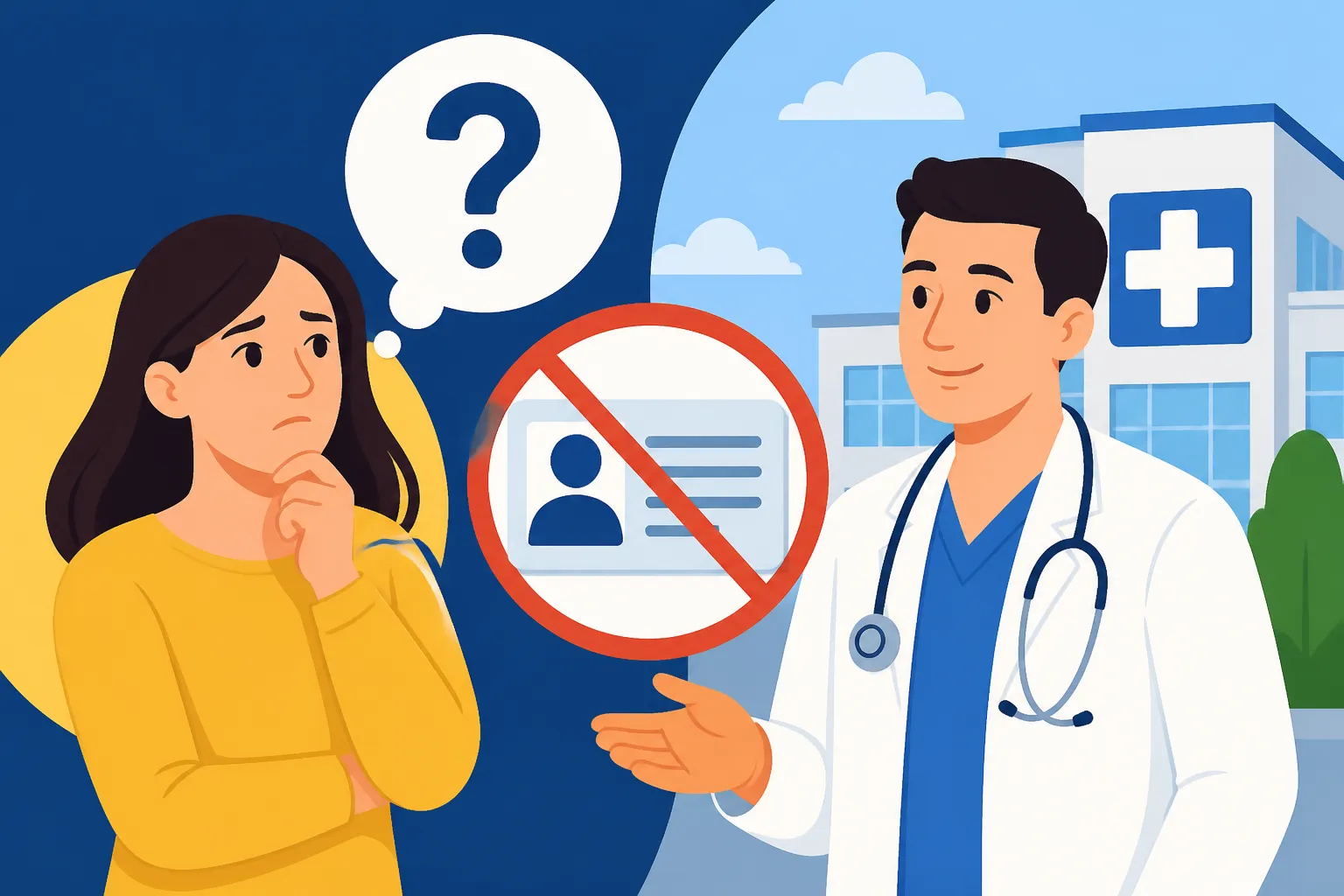
Landing in Romania, especially for the first time, brings a whirlwind of new experiences. But when a sudden cough turns into something more, or you twist an ankle exploring the old town, the immediate thought is often, "How do I get help?" Then comes the dreaded question: "Do I need a CNP?" The fear of needing medical attention in a foreign country, particularly when you’re still navigating the bureaucratic maze of getting your Personal Numeric Code, is a very real and understandable source of anxiety for many expats and tourists. This guide is here to untangle that knot, offering a clear, empathetic path to accessing treatment in Romania, even before that elusive CNP lands in your hands.
The CNP Conundrum: Why It Matters for Healthcare in Romania
Ah, the CNP – that seemingly mystical string of numbers, the Personal Numeric Code. It’s the key that unlocks so much of Romanian daily life, from opening a bank account to, crucially, accessing the public healthcare system. For those of us who’ve been here a while, we remember the initial frustration of trying to get anything done without it. It feels like you’re trying to participate in a secret club but can’t get past the bouncer.
Understanding the CNP's Role in Public Healthcare
Simply put, the CNP (Cod Numeric Personal) is your unique identification number in Romania, a bit like a social security number or national ID in other countries. When it comes to healthcare, it’s the primary identifier for Romania's Health Insurance House (CNAS) system. Without a valid CNP, and subsequently, without being registered with CNAS and paying your CASS contributions, you are generally not considered eligible for free or subsidized public healthcare. This means no free appointments with a family doctor, no specialist referrals through the public system, and certainly no free prescriptions.
This isn't just about showing your card at the pharmacy; it's deeply integrated into the entire administrative backbone of the public system. From your electronic health record to the doctor's billing system, the CNP is the central reference point. It’s how the system confirms your eligibility, tracks your medical history within the public domain, and ensures that the costs are correctly allocated or covered. So, if you're thinking of settling in Romania long-term, getting your CNP is one of the very first and most critical steps, as detailed in our guide on How to Get Your CNP (Personal Numeric Code) for Healthcare Access in Romania.
The Initial Hurdles for Foreigners
For new arrivals, getting a CNP isn't always an immediate process. Tourists, naturally, won't have one at all. New expats often face a chicken-and-egg situation: you need a residence permit to get a CNP, but sometimes you need other documents first, leading to delays. This period, often your first few weeks or months, is exactly when medical emergencies or unexpected illnesses can strike, leaving you feeling vulnerable and unsure where to turn.
It’s completely valid to feel overwhelmed during this period. The administrative process here, while improving, can still be a labyrinth, especially if your Romanian isn't fluent. Many foreigners arrive hoping to get everything sorted quickly, only to find that appointments are hard to book, documents require multiple visits, and the language barrier can turn a simple inquiry into a complex saga. This is why understanding your options for healthcare without a CNP is not just helpful, but essential for peace of mind during your initial time in Romania.
Navigating Emergency Situations Without a CNP
When something truly goes wrong – a sudden accident, severe pain, or any situation that feels genuinely life-threatening – your CNP (or lack thereof) is the last thing you should be worrying about. Rest assured, in an emergency, Romania's medical system will not turn you away.
Emergency Services: Dialing 112 and SMURD
If you face a genuine medical emergency, the first and most crucial step is to call 112. This is Romania's universal emergency number, connecting you to ambulance services (including the highly efficient SMURD, the Mobile Emergency Service for Resuscitation and Extrication), police, and fire department. They operate 24/7, and many operators speak English, especially in major cities.
When you call 112, your priority is to clearly state:
- What happened: Briefly describe the nature of the emergency.
- Where you are: Give your exact address or a recognizable landmark.
- Who needs help: Is it you, a family member, or a stranger?
- Your phone number: So they can call you back if needed.
The emergency services are obligated to provide assistance to anyone in need, regardless of their nationality, immigration status, or ability to pay upfront. This isn't just a nicety; it's a fundamental principle of emergency care. So, if you're in severe distress, don't hesitate. Help will come. For a deeper understanding of what to do in such situations, check out our guide on Emergency Medical Care in Romania: What Every Expat Needs to Know.
Arriving at the Emergency Room (UPU/CPU)
Once you arrive at an emergency room (known as UPU – Unitatea de Primiri Urgențe, or CPU – Compartiment de Primiri Urgențe in smaller hospitals), the medical staff's immediate focus will be on stabilizing your condition and providing necessary treatment. They won't ask for your CNP as the first order of business. Instead, they’ll want your basic identification (passport is usually sufficient) and information about your symptoms.
You might be asked if you have private health insurance or a European Health Insurance Card (EHIC) if you're an EU citizen. If you don't have a CNP and are not an EU citizen with an EHIC, you will generally be considered a self-paying patient. This doesn't mean you'll be denied care, but it does mean you will be liable for the costs of treatment. The administrative process for billing will likely happen after your immediate medical needs are addressed, sometimes even days later. It's not uncommon to receive a bill in the mail or be contacted by the hospital's financial department. While the initial focus is on saving lives, the subsequent bureaucracy can still be a headache, especially when dealing with foreign medical terms and payment systems.
Understanding Post-Emergency Costs and Payments
If you received emergency care without a CNP and without valid public or private insurance coverage, you will be responsible for the full cost of the treatment. These costs can vary significantly depending on the nature of the emergency, the tests performed (scans, blood work), medications administered, and any procedures required.
For tourists or short-term visitors, having robust travel insurance, like a policy from a provider such as SafetyWing, is absolutely invaluable here. These plans are designed specifically for unexpected medical incidents abroad and can cover emergency hospital stays, doctor visits, and even medical evacuation if necessary. If you have such a policy, make sure to notify your insurance provider as soon as it's safe to do so, and keep all medical reports, invoices, and payment receipts. They will guide you through the reimbursement process.
For those who are in the process of getting a residence permit and waiting for their CNP, this period is particularly stressful. If you end up in an emergency room, the hospital will still treat you, but you'll be billed. Paying out of pocket can be a significant financial burden. It's a tricky situation that highlights why securing some form of interim health coverage or having an emergency fund is so critical when moving to a new country like Romania.
Accessing Non-Emergency Care Without a CNP: Public vs. Private
While emergencies are covered, routine or non-urgent medical care is where the lack of a CNP becomes a significant barrier within the public system. Thankfully, Romania has a robust private healthcare sector that steps in to fill this gap.
Public Healthcare System (CNAS) Without a CNP
As a general rule, without a CNP and active CASS contributions, you cannot access non-emergency public healthcare services in Romania. This means you won’t be able to register with a public family doctor (medic de familie), get a free consultation, or receive referrals for specialists through the national system. The system is designed for residents who contribute to it.
However, there are a few exceptions:
- EU/EEA/Swiss Citizens with an EHIC: If you are a citizen of an EU/EEA country or Switzerland and hold a valid European Health Insurance Card (EHIC), you are entitled to receive medically necessary public healthcare on the same terms as a Romanian insured person. This covers treatment that cannot wait until you return home. You will still likely need to present your passport and the EHIC. While you won't have a CNP, the EHIC acts as your proof of insurance from your home country. Be aware, however, that the EHIC doesn't cover planned medical procedures or the full costs of all treatments. You'll still want to understand How to Use Your EHIC (Cardul European) in Romania as an EU Citizen for its specific limitations.
- Minor Children (in some cases): While adults without a CNP face significant hurdles, children (especially those born in Romania or whose parents are awaiting full residency) sometimes have slightly different provisions, though these often hinge on the parents' status or eventual CNP acquisition. This is a complex area and best clarified with the local CNAS office or a legal professional.
- Reciprocal Agreements: In rare cases, if your home country has a specific bilateral agreement with Romania regarding healthcare, you might be covered for certain services. These are very specific and not common for most non-EU foreigners, so it's always best to verify.
For the vast majority of non-EU citizens who are either tourists or new residents awaiting their CNP, accessing the public system for a regular check-up or a non-urgent ailment simply isn't an option.
Private Healthcare Options for Those Without a CNP
This is where the private sector truly shines for foreigners. Romania has a highly developed and modern private healthcare system, particularly in major cities like Bucharest, Cluj-Napoca, Timișoara, and Iași. Private clinics and hospitals operate independently of the CNAS system, which means they don't require a CNP for appointments.
Here's how you can access private healthcare:
- Direct Payment Consultations: You can simply book an appointment at a private clinic, walk in, receive treatment, and pay out of pocket. Many private clinics cater specifically to expats and tourists, offering English-speaking doctors and staff. You'll pay for each service individually – consultation, tests, procedures, etc. This is often the quickest and most straightforward way to get non-emergency care.
- Private Health Insurance: If you have private health insurance, either purchased in your home country (like comprehensive travel insurance from SafetyWing) or a local Romanian private policy, it will cover your costs at these private facilities. These policies often offer a much higher standard of comfort, shorter waiting times, and access to a wider range of specialists compared to the public system. When comparing options, consider how Understanding Private Health Insurance and Subscriptions (Abonament) in Romania can benefit you. Always check your policy's specifics regarding direct billing versus reimbursement.
- Private Medical Subscriptions (Abonamente): Major private healthcare providers like Regina Maria, MedLife, and Sanador offer subscription plans (abonamente). These are monthly or annual plans that provide access to a network of clinics, offering unlimited or discounted consultations with family doctors and specialists, certain analyses, and other benefits. While a CNP is often preferred for full registration, these clinics are typically more flexible for new arrivals and may accept your passport and temporary identification. An abonament can be an excellent middle-ground, providing predictable costs and easy access to a network of medical services, making it well worth considering as a bridging solution before you're fully integrated into the public system, or even as a complementary service once you are. Our article Is Regina Maria or MedLife Better for Expats in Romania? provides a comparison of some leading private networks.
The private sector is generally more efficient, with modern facilities and often a higher level of patient comfort. The downside, of course, is the cost, which can quickly add up if you don't have insurance or a subscription.
Temporary Solutions and Proactive Steps
If you're in Romania without a CNP and need non-emergency care, here are some actionable steps:
- Locate English-Speaking Private Clinics: Before you even need a doctor, identify a few reputable private clinics in your area that are known for serving expats. Search for "clinici private București engleză" or "private clinics Cluj-Napoca English speaking doctors." Sites like those for Regina Maria, MedLife, or Sanador often have English versions or dedicated expat helplines. This will save you precious time when you actually need an appointment. Finding an How to Find an English-Speaking Doctor in Romania can greatly ease the experience.
- Purchase Travel Insurance: For tourists or those on short-term visits, comprehensive travel insurance is non-negotiable. Companies like SafetyWing offer flexible plans specifically designed for digital nomads and long-term travelers, covering medical emergencies and even some non-emergency doctor visits abroad. This ensures you're not left with a hefty bill if you need medical care.
- Consider a Private Medical Subscription: If you're planning a longer stay or are in the process of obtaining your residence permit, an abonament with a private network can provide peace of mind and access to quality care while you await your CNP.
- Keep Important Documents Handy: Even without a CNP, always carry your passport, visa, residence permit application documents, and any insurance details. These will be crucial for identification and billing at any medical facility.
- Be Prepared for Out-of-Pocket Payments: For minor ailments or initial consultations, expect to pay upfront. Keep a credit/debit card ready, or some cash, especially if visiting smaller private practices that might not have card facilities.
What happens if you get sick before your CASS registration is complete is a common concern for new residents. The reality is, without a CNP and active CASS, you rely heavily on the private system or your travel insurance for non-emergencies.
Practical Steps and What to Expect
Even with the best intentions, navigating a foreign healthcare system can be daunting. Knowing what to expect and what documents to have ready can smooth the process considerably.
Documents You Will Need (Even Without a CNP)
While the CNP might be missing from your wallet, you'll still need other forms of identification and documentation when seeking medical treatment in Romania, especially in the private sector:
- Passport: This is your primary form of identification. Ensure it's current and readily accessible. Medical facilities will need to record your personal details accurately.
- Visa/Residence Permit (or Application Proof): If you are residing in Romania, provide proof of your legal status. This could be your visa, your residence permit, or even official documents proving you've applied for one (e.g., confirmation from the General Inspectorate for Immigration, IGI). This helps establish your status and may be relevant for billing or insurance purposes.
- Proof of Address (Optional, but Helpful): Sometimes, clinics may ask for a local address for correspondence, even if it's just a rental contract or a utility bill in your name.
- Private Health Insurance Details: If you have private health insurance (local or international, like SafetyWing), have your policy number, insurer's contact details, and a summary of your coverage readily available. Many clinics will want to verify this information directly with your insurer.
- European Health Insurance Card (EHIC): For EU/EEA/Swiss citizens, your EHIC is vital for public healthcare access. Present it along with your passport.
Always carry physical copies, and perhaps digital copies on your phone, of these crucial documents. It saves time and hassle when you're feeling unwell.
The Cost Factor
The cost of healthcare in Romania for those without a CNP and without valid public insurance can vary widely. It’s important to manage expectations and understand what you might pay. Our comprehensive guide on The Cost of Healthcare in Romania: A Complete Breakdown for Foreigners (2026) provides more detailed figures.
Here's a general overview:
| Service Type | Public System (without CNP/insurance) | Private System (without CNP/insurance) | Notes |
|---|---|---|---|
| Emergency Care | Free at point of service, but billed later | Billed for services provided | Legally obliged to treat; costs can be significant. |
| GP Consultation | Not accessible | 100-250 RON | Direct payment, no referral needed. |
| Specialist Consult | Not accessible | 150-400 RON | Direct payment, usually no referral needed from a GP. |
| Basic Blood Tests | Not accessible | 50-300 RON (per test) | Depends on clinic and number of tests. |
| Imaging (X-ray, Ultrasound) | Not accessible | 200-800+ RON | Varies greatly by type and complexity. |
| Prescription Meds | Full price | Full price | No subsidies without CNAS. |
| Hospital Stay | Billed for full costs | Billed for full costs | Can be very expensive, highlights need for insurance. |
Please note these are approximate costs and can vary by clinic, city, and complexity of service. Prices are in Romanian Lei (RON).
If you’re a tourist and wondering Can Tourists Access Emergency Care in Romania for Free?, the answer is complex. While they won't turn you away, it's not "free" in the sense of being covered by public funds without any cost to you or your insurer. Always factor in potential medical costs when budgeting for your trip, and invest in a good travel insurance policy.
Language Barriers and Support
One of the biggest anxieties for foreigners is the language barrier. While many medical professionals in private clinics, especially younger ones, speak English fluently, this isn’t always the case in public hospitals or smaller, more traditional clinics.
- Private Clinics: Generally, you'll find English-speaking doctors and administrative staff. When booking an appointment, always ask if an English-speaking doctor is available.
- Public Hospitals/Emergency Rooms: The situation can be more hit-or-miss. In major cities, some staff might speak English, but it's not guaranteed. Be prepared for the possibility of needing a translator.
- Translators: If you anticipate significant medical discussions and aren't confident in Romanian, consider bringing a Romanian-speaking friend or hiring a professional medical translator. While Google Translate can help with basic terms, complex medical information requires precision.
- Medical Apps: Some translation apps can be useful for quick phrases or understanding prescription labels, but rely on them with caution for critical communication.
It's a huge relief to find a doctor who understands you without you having to struggle with medical terminology in a foreign language. This is a significant advantage of the private system and often worth the extra cost, especially when you're feeling unwell. When you're seeking How to Find a Trusted Private Clinic in Bucharest?, look for clinics that explicitly advertise multilingual staff or have a strong expat patient base.
Getting treatment in Romania without a CNP is absolutely possible, especially in an emergency or through the private healthcare system. While it requires a bit more planning and potentially out-of-pocket expenses, being informed about your options will significantly reduce stress and ensure you get the care you need when you need it.
Disclaimer
The information provided in this guide is for general informational purposes only and does not constitute medical, legal, or financial advice. While we strive to provide accurate and up-to-date information, regulations and healthcare practices in Romania can change. It is always recommended to consult with relevant legal, medical, or financial professionals for advice tailored to your specific situation. We are not responsible for any actions taken based on the information presented herein.