What Is the Cost of a Dental Implant in Romania?
Let’s face it, moving to a new country like Romania brings a whirlwind of excitement, but also a fair share of anxieties, especially when unexpected health issues pop up. Dealing with dental problems, particularly something as significant as a missing tooth, can be incredibly stressful, and the thought of navigating the cost of a dental implant in a foreign healthcare system can feel downright overwhelming. This guide is crafted from an expat's perspective, designed to demystify the expenses associated with dental implants in Romania, provide realistic cost ranges, and equip you with practical strategies to manage what can be a substantial investment in your long-term health and smile.
Understanding Dental Implants and Romania's Growing Appeal
A dental implant is more than just a replacement tooth; it's a sophisticated solution designed to restore the full function and aesthetic of a missing tooth, from the root upwards. For many, it's a life-changing procedure, offering stability and confidence that traditional dentures or bridges often can't match. Romania has emerged as a surprisingly popular destination for dental tourism, and for good reason, attracting not just expats living here but also a significant number of patients from Western Europe and beyond.
What Exactly is a Dental Implant?
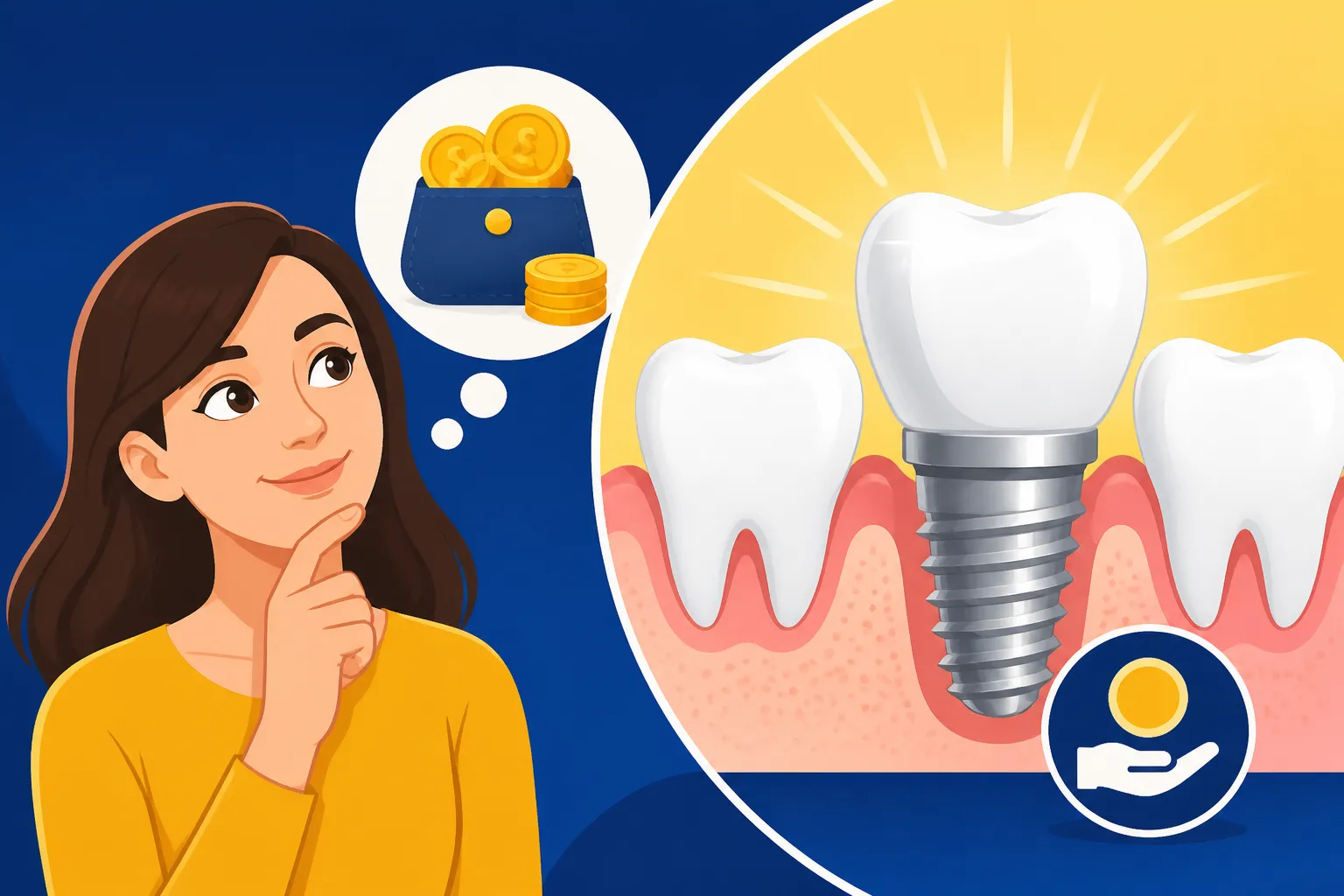
To really grasp the cost, it helps to understand what you're paying for. A dental implant is typically a three-part system. First, there's the implant post itself. This is a small, biocompatible screw, usually made of titanium (though zirconia options exist), that an oral surgeon meticulously places directly into your jawbone. This post serves as the artificial root of your new tooth. Over several months, your jawbone naturally grows around and fuses with this titanium post in a process called osseointegration, creating an incredibly strong and stable foundation. It's a marvel of modern dentistry, really, how your body integrates this foreign material.
Once the implant has fully integrated, a small connector piece called an abutment is attached to the post. This abutment protrudes above the gum line and acts as the anchor for the final visible component: the dental crown. The crown is custom-designed and fabricated to perfectly match the color, shape, and size of your existing natural teeth, ensuring it blends seamlessly and restores your chewing function and speech. Because of the precision required for surgery, the high-quality materials, and the custom lab work, it’s clear that this is a complex procedure, differentiating it significantly from simpler dental fixes. The benefits, however, in terms of comfort, aesthetics, and preventing further bone loss, are truly invaluable.
Why Romania for Dental Work?
Many expats, myself included, have discovered the benefits of seeking dental care in Romania. The primary draw, particularly for major procedures like implants, is the significant cost advantage compared to countries like the UK, Germany, or the USA. This isn't a reflection of lower quality, but rather different economic realities, lower overheads for clinics, and a competitive market. You'll often find clinics in Romania utilizing the same cutting-edge technology, materials, and implant brands as their Western counterparts, but at a fraction of the price.
Beyond cost, the expertise of Romanian dentists is increasingly recognized. Many have pursued advanced training abroad, are fluent in English, and stay updated with international dental practices by attending global conferences and workshops. Clinics in major cities like Bucharest, Cluj-Napoca, and Timișoara are often modern, equipped with digital X-rays, 3D imaging, and comfortable patient facilities. This means you can receive top-tier care without the added stress of a language barrier. Furthermore, combining your dental appointments with the opportunity to explore Romania's rich culture and beautiful landscapes is an added bonus for many, turning a necessary medical procedure into an enjoyable experience.
Factors Influencing the Cost of a Dental Implant in Romania
It would certainly make budgeting easier if there was a universal price tag for a dental implant, but the reality is that the total cost is influenced by several intertwined factors. Understanding these components will help you decipher quotes and make more informed choices, preventing any nasty surprises down the line. It's about breaking down the big number into manageable parts.
The Implant Itself: Material and Brand
At the core of the cost is the implant post itself. As mentioned, most are made from titanium, a highly biocompatible material. However, the market offers a spectrum of brands, which can be likened to choosing between different car manufacturers. There are globally recognized premium brands like Nobel Biocare, Straumann, and Astra Tech, which are backed by extensive research, long-term clinical data, and offer global support for their components. These often come with a higher price tag due to their reputation, advanced design, and comprehensive warranties.
Then, there are many excellent mid-range European and international brands that offer fantastic quality and reliability at a more competitive price. Finally, there are more budget-friendly options, typically from Eastern European or Asian manufacturers. While some of these can be perfectly adequate, it's crucial to discuss the brand with your dentist, ask about their long-term success rates, and ensure the components are widely available should you need future maintenance or treatment, especially if you plan to move around. The choice of zirconia implants, a ceramic, metal-free alternative, will also typically push the cost higher than titanium due to material and manufacturing complexities.
The Abutment and Crown: Customization and Material
Once the implant post has integrated, the next phase involves the abutment and the visible dental crown. The abutment, which links the implant to the crown, can be a standard, pre-manufactured component or a custom-made one. Custom abutments are designed specifically for your unique gum line and bite, often resulting in a more natural aesthetic, better gum health, and easier cleaning around the crown. While they add to the cost, many argue they provide superior long-term results and comfort.
The dental crown is where aesthetic demands often meet varying material costs. Common choices include:
- Porcelain-Fused-to-Metal (PFM) Crowns: These have a metal base covered with porcelain. They are strong and durable but can sometimes show a thin gray line at the gum line over time, making them less ideal for highly visible front teeth.
- All-Ceramic / Zirconia Crowns: These are entirely metal-free and are highly prized for their natural translucency and ability to mimic the appearance of natural teeth. Zirconia is exceptionally strong, while E.max (a type of lithium disilicate glass-ceramic) offers outstanding aesthetics. These typically involve higher lab fees due to the intricate artistry and specialized equipment required for their fabrication.
The more lifelike and durable you want your final restoration to be, the higher the cost will generally climb, reflecting the quality of materials and the skill of the dental lab technicians involved.
Associated Procedures: Grafting, Extractions, Sinus Lifts
It’s important to remember that the implant surgery itself is often just one part of the overall treatment plan, and preparatory procedures can significantly add to the total cost. If a tooth has been missing for an extended period, the jawbone beneath it may have atrophied, meaning there isn't enough bone density or volume to securely place an implant. In such cases, a bone graft is necessary, involving the addition of bone material (either from your own body, a donor, or synthetic) to rebuild the jawbone.
Similarly, if an implant is planned for the upper back jaw and the maxillary sinus cavity is too low, a sinus lift procedure might be required to create adequate bone height. If the problematic tooth is still present and needs removal, a tooth extraction will be an additional cost. Sometimes, a socket preservation procedure is performed immediately after an extraction to maintain the bone volume and prepare the site for a future implant. These supplementary surgeries are crucial for the long-term success and stability of your implant, but they definitely contribute to the overall bill. This highlights the importance of a thorough initial examination, including advanced imaging like a CT scan, to get a truly comprehensive and accurate treatment plan and cost estimate upfront.
Clinic Location and Expertise of the Dentist
Just like real estate, dental costs are often location-dependent. Clinics situated in prime, easily accessible areas of major cities like Bucharest or Cluj-Napoca generally have higher operating costs (rent, utilities, staff salaries) than those in smaller towns or less central districts. These larger, more established clinics also often invest in the latest technology and employ highly specialized staff, all of which factors into their pricing structure. You might notice a slight premium for clinics that specifically cater to international patients, offering multi-lingual staff and concierge services.
Furthermore, the experience, reputation, and specialization of the dentist or oral surgeon performing your implant procedure play a significant role in pricing. A highly sought-after specialist with years of successful implant cases and advanced certifications will command higher fees for their expertise. While it might be tempting to opt for the cheapest option, for a complex surgical procedure like an implant, investing in an experienced and reputable professional is usually a wise decision. A well-placed implant by a skilled hand can last a lifetime, whereas complications from a rushed or inexperienced procedure can lead to far greater costs (and headaches) down the line.
Average Cost Ranges for Dental Implants in Romania
Now, for the numbers you've been waiting for. Providing an exact figure is impossible without a personalized consultation, as every case is unique. However, I can offer you realistic average cost ranges for dental implants in Romania, which should give you a solid foundation for your budgeting and research. You'll quickly see why so many choose Romania.
Single Implant Costs
For a standard single dental implant, which generally includes the titanium implant post, the abutment, and the final porcelain or ceramic crown, you can expect a price range between €700 and €1,500 per tooth in Romania.
Let's break down how this might be composed:
- Implant Post Only: The surgical placement of just the titanium screw might start from around €300-€500 for a reputable mid-range brand, going up to €600-€800+ for premium international brands.
- Abutment: This connecting piece typically adds another €100-€300, with custom-made abutments being at the higher end.
- Dental Crown: The visible tooth itself can range from €250-€350 for a standard porcelain-fused-to-metal (PFM) crown, to €400-€700+ for aesthetic all-ceramic, E.max, or zirconia crowns.
So, for a clinic using a quality, mid-range implant system with a standard abutment and a PFM crown, you might find yourself closer to the €700-€900 mark. If you opt for a premium implant brand, a custom abutment, and a high-aesthetic zirconia crown, the cost will likely be in the €1,200-€1,500 range, or even slightly above in very high-end clinics. These prices generally cover the surgical procedure and local anesthesia but typically exclude any preliminary treatments like extractions or bone grafts. Always get a detailed, itemized quote to confirm what's included.
Full Arch and All-on-X Systems
For patients requiring replacement of an entire arch of teeth, or even a full mouth rehabilitation, advanced solutions like "All-on-4" or "All-on-6" are often recommended. These systems involve placing 4 or 6 implants strategically in the jawbone to support a full bridge of prosthetic teeth. Due to their complexity and the number of components involved, these are significantly more expensive.
For an All-on-4 or All-on-6 system for a single jaw (either upper or lower), you can anticipate costs ranging from €5,000 to €12,000. This comprehensive price typically includes the surgical placement of the multiple implants, a temporary prosthetic bridge immediately after surgery, and then the final, custom-fabricated permanent bridge (which can be made from acrylic, reinforced acrylic, or zirconia). The variation in price depends on:
- The number of implants used (e.g., All-on-4 vs. All-on-6).
- The specific brand of implants chosen.
- The material and complexity of the final prosthetic bridge (zirconia being the most premium and expensive).
If you need a full mouth restoration (both upper and lower arches), the total investment could range from €10,000 to €25,000+. While these numbers seem high, they remain incredibly competitive when compared to figures often exceeding €20,000 for a single arch in many Western countries, underscoring Romania's attractiveness for extensive dental work.
Geographical Variations in Romania
While dental implant costs across Romania are generally lower than in other European countries, you'll still notice differences depending on the city and specific clinic you choose.
- Bucharest and Cluj-Napoca: As Romania's largest and most economically vibrant cities, clinics here, particularly those in central locations and catering to an international clientele, tend to have the highest prices. They often boast the most advanced technology, premium implant brands, and highly specialized staff. You should expect prices for a single implant to be at the upper end of the ranges mentioned, perhaps even pushing €1,600-€1,800 in the most exclusive clinics for a premium setup.
- Timișoara, Iași, Brașov, Sibiu: These major regional hubs also offer excellent dental facilities and skilled professionals. However, with slightly lower overheads and perhaps greater local competition, you might find prices that are a few hundred euros less than in Bucharest or Cluj-Napoca. This makes them fantastic options for quality care at a mid-range price point, typically falling within the €900-€1,300 range for a single implant. They often strike a great balance between cost-effectiveness and high standards.
- Smaller Towns: While theoretically the absolute lowest prices might be found in very small towns, I'd generally advise exercising caution for complex procedures like dental implants. While there are certainly competent dentists everywhere, ensuring access to cutting-edge technology, a wide choice of implant brands, and robust aftercare might be more challenging outside major urban centers. For something as important as an implant, sticking to established clinics in cities is generally a safer bet.
Here’s a simplified table to help visualize the cost breakdown for a single dental implant in Romania:
| Component | Budget-Friendly Option (e.g., Local brand, PFM crown) | Mid-Range Option (e.g., European brand, E.max crown) | Premium Option (e.g., Global brand, Zirconia crown) |
|---|---|---|---|
| Implant Post | €300 – €450 | €450 – €600 | €600 – €800+ |
| Abutment | €100 – €150 (Standard) | €150 – €250 (Standard/Custom) | €250 – €350+ (Custom) |
| Dental Crown | €250 – €350 (PFM) | €350 – €500 (E.max/All-Ceramic) | €500 – €700+ (Zirconia/Highly Aesthetic) |
| Total Est. (per tooth) | €650 – €950 | €950 – €1,350 | €1,350 – €1,850+ |
| Note: Does not include extractions, bone grafts, or other ancillary procedures. Prices are estimates. |
Remember, these are estimates, and your final cost will be determined by your individual treatment plan after a thorough consultation with a dental professional.
Tips for Managing and Reducing Dental Implant Costs in Romania
The cost of a dental implant, even in cost-effective Romania, is a significant financial outlay. As expats, we often find ourselves navigating these waters with less guidance than we might have back home. But fear not, there are smart strategies you can employ to manage these expenses effectively and ensure you get the best value for your investment.
Private Health Insurance and Dental Coverage
This is usually one of the first things expats consider, but it's important to set realistic expectations. Romania's public health insurance system (CASS), which you contribute to if you're employed or self-employed here, provides very limited coverage for dental work. While it might cover basic consultations, some extractions, or minor fillings, complex procedures like dental implants are almost never covered. To truly understand its scope, check out How Romania's Health Insurance House (CNAS) Works: A Full Overview or Registering for Public Health Insurance (CASS) in Romania (2027).
Most standard private health insurance plans, whether local Romanian policies or international expat plans, also tend to have severe limitations when it comes to dental care. Many explicitly exclude "major dental work" or only cover emergencies up to a very small annual limit. If you're specifically seeking coverage for dental implants, you'll need to look for a highly specialized, comprehensive dental insurance plan or a high-tier health insurance policy with a significant dental add-on. Even then, be prepared for typical insurance caveats:
- Waiting Periods: Most policies impose a waiting period (often 6-12 months, sometimes longer for major procedures) before you can claim for extensive dental work. You can't just buy a policy and get an implant the next month.
- Annual Caps: There will almost always be an annual maximum payout for dental work, which might not fully cover the entire cost of an implant.
- Pre-existing Conditions: Be transparent about any pre-existing dental issues, as these might be excluded or subject to longer waiting periods.
Providers like SafetyWing, while excellent for travel and emergency medical situations abroad, typically focus on acute care and might not cover elective dental procedures like implants. Always clarify your specific dental coverage with any insurance provider before committing to a plan, ensuring you understand exactly what's covered for major procedures versus routine care.
Comparing Clinics and Getting Multiple Quotes
This is, without a doubt, your most powerful tool for managing costs and ensuring quality. Never just accept the first quote you receive, especially for a procedure of this magnitude.
- Initial Consultations: Take advantage of initial consultations. Many Romanian clinics, particularly those vying for international patients, offer these at a reduced fee or sometimes even free of charge if you proceed with treatment. Use this opportunity to get a thorough examination, including X-rays or a CT scan, and ask for a detailed, itemized treatment plan with a written cost estimate. Don't hesitate to ask specific questions: What implant brand do they use? What materials for the crown? Are follow-up appointments included? What is their success rate?
- Seek Second Opinions: If a quote seems unusually high, surprisingly low, or if you simply want to compare treatment approaches, always get a second or even a third opinion. Different dentists might recommend slightly different implant brands, crown materials, or even alternative preparatory procedures, which can significantly impact the final price. For example, one clinic might propose a bone graft while another might have an alternative surgical technique that makes it unnecessary, potentially saving you thousands.
- Leverage Expat Networks: Expats in Romania are an incredibly supportive community. Join local expat Facebook groups or online forums and ask for recommendations for dentists specializing in implants who are known for their transparency, skill, and fair pricing. You'll often get invaluable, firsthand insights and experiences that can guide your search. Online platforms like Docbook.ro or Google Maps reviews are also excellent resources for vetting clinics and dentists. Finding a trusted professional, especially an [English-Speaking Dentist in Bucharest], can be a game-changer.
Timing Your Treatment and Post-Op Care
Dental implant treatment is not a one-day affair; it’s a process that spans several months. Understanding this timeline can help you budget and plan effectively.
- Staged Payments: Most dental clinics understand that the total cost is substantial and will offer staged payment plans. You typically pay for each phase of the treatment as it occurs – for instance, a portion for the initial consultation and imaging, another for the implant placement surgery, then for the abutment, and finally for the crown. This breaks down the lump sum into more manageable payments.
- Planning for Healing Periods: The osseointegration period, where the implant fuses with your jawbone, can take anywhere from 3 to 6 months. This means you’ll be making multiple visits to the clinic over an extended period. Factor in any potential travel costs and time off work if your chosen clinic isn't easily accessible from your home. Some expats choose to have the implant placed in Romania, return to their home country during the healing phase, and then come back for the final crown. If you're mobile during this period, ensuring your general health insurance, like SafetyWing, is continuous and covers emergency issues wherever you are, can offer peace of mind, even if it doesn't cover the implant itself.
- Crucial Aftercare: The longevity and success of your dental implant heavily rely on meticulous oral hygiene and regular follow-up check-ups. Don't neglect these aspects to save a few euros. Proper brushing, flossing, and professional cleanings are vital. Factor in the ongoing costs of routine dental care. Skipping aftercare can lead to complications such as peri-implantitis (gum disease around the implant), which can be costly to treat and, in severe cases, even lead to implant failure. A successful implant is a long-term commitment from both you and your dental team.
By approaching your dental implant journey strategically, thoroughly researching your options, and asking insightful questions, you can navigate the costs in Romania with confidence, securing excellent value for a procedure that will significantly enhance your quality of life.
Disclaimer
Please remember that the information provided in this guide is for general informational purposes only and does not constitute professional medical, financial, or legal advice. Dental implant costs can vary widely based on individual circumstances, clinic policies, material choices, and any additional procedures required. It is essential to consult directly with qualified dental professionals in Romania for a personalized diagnosis, treatment plan, and accurate cost estimate. Prices are subject to change and should be verified with the chosen clinic. While every effort has been made to ensure accuracy, the author and publisher are not responsible for any errors or omissions, or for any actions taken based on the information provided herein.