How Do I Access Cancer Screening Programs in Romania?
Moving to a new country like Romania, you're bound to feel a bit lost when it comes to something as crucial as your health. Questions about how to access even basic preventive care, let alone something as vital as cancer screening, can feel overwhelming, especially when the system is new and the language unfamiliar. This guide aims to clear up the confusion, offering a realistic, expat-friendly roadmap to understanding and accessing cancer screening programs here in Romania.
Navigating Preventive Care: The Reality of Cancer Screening for Expats in Romania
Let's be honest, integrating into a new country’s healthcare system is rarely a straightforward affair, and Romania is no exception. While the healthcare system here is constantly evolving, understanding the specifics of preventive care, particularly cancer screening, can be a major source of anxiety for many expats. You might be used to annual comprehensive check-ups or automatic invitations for screenings from your home country, and finding your footing here means learning a new rhythm.
Understanding the Romanian Healthcare Philosophy on Prevention
In Romania, the public healthcare system, largely funded by the Casa Națională de Asigurări de Sănătate (CNAS), focuses on universal access to necessary medical services. However, preventive care, while recognized as important, often operates under slightly different paradigms compared to some Western European or North American systems. There's a growing emphasis on national screening programs, but getting informed and proactively seeking these out is often key for expats. It’s less about a broad, all-encompassing annual physical that checks every box and more about targeted programs and your direct interaction with medical professionals.
This means you can’t just assume things will happen automatically. You need to understand your eligibility, where to go, and sometimes, even how to advocate for yourself. For a more complete picture of the overall system, you might want to delve into The Complete Guide to Healthcare in Romania for Expats (2027). This will give you a solid foundation before we dive deeper into screening specifics.
Why Cancer Screening Can Feel Different Here
One of the biggest differences you might notice is the proactive nature required from you, the patient. In many countries, you might receive a letter in the mail reminding you it’s time for a mammogram or a cervical smear. Here, while national programs exist, the communication and follow-up might not always be as streamlined or as visibly publicized as you're used to. This isn't a fault of the system, just a different approach. It means you’ll often need to discuss screening options directly with your family doctor (medic de familie) or at a private clinic.
Another factor is the potential for language barriers. Even if you’re living in a big city like Bucharest or Cluj-Napoca, finding English-speaking staff, especially in public institutions, isn’t always a guarantee. This can add a layer of stress when discussing sensitive health topics. That's why building a relationship with a trusted healthcare provider, perhaps one recommended by other expats, is invaluable. Also, for those who might be between jobs or without comprehensive local public insurance initially, understanding how travel and international health insurance like SafetyWing might cover unexpected health issues or even some preventive consultations can be a real relief. While not a substitute for local insurance for long-term residents, such options can provide a safety net.
Public System Screening: What's Available and How to Access It
If you're contributing to the public health insurance system (CASS) in Romania, you're entitled to various medical services, including certain cancer screening programs. The public system is working towards more widespread, organized screening, but coverage and access can sometimes depend on regional initiatives and the availability of resources.
Nationally Funded Programs: Cervical and Breast Cancer
Romania has specific national programs in place for early detection of cervical and breast cancer, which are among the most common cancers affecting women.
- Cervical Cancer Screening (Testul Babeș-Papanicolau): This program targets women between certain age groups (typically 24-64, though specific age ranges can vary based on national campaigns) to undergo regular Pap tests. The goal is to detect precancerous changes that, if left untreated, could lead to cervical cancer. You can access this screening via your family doctor, who can perform the test or refer you to a gynecologist or a designated screening center. The beauty of this is that if you're covered by CASS, these screenings are typically free of charge within the national program.
- Breast Cancer Screening (Mamografie): The national program for breast cancer screening primarily focuses on mammograms for women over 50, usually every two years, though some guidelines may differ. Younger women with specific risk factors might also be eligible. Like cervical screening, your family doctor is the first point of contact. They can assess your risk factors and refer you to a radiology clinic or hospital equipped to perform mammograms under the public system. It’s crucial to remember that while the state offers these, sometimes waiting lists can occur, especially in smaller towns.
For those curious about their public health insurance obligations and benefits, exploring how Registering for Public Health Insurance (CASS) in Romania (2027) works is a good step.
The Role of Your Family Doctor in Public Screenings
Your family doctor, or medic de familie, is truly your gateway to the Romanian public healthcare system. They are the general practitioners who manage your basic health needs and, critically, provide referrals to specialists and screening programs. When it comes to cancer screening:
- Initial Consultation: Schedule an appointment with your family doctor. Discuss your age, medical history, and any concerns you have. They will assess your eligibility for national screening programs based on current guidelines.
- Referrals: For most screenings beyond a basic check-up (like a Pap test often done by the GP or a gynecologist), your family doctor will issue a bilet de trimitere (referral ticket) to a specialist (e.g., a gynecologist for cervical screening, or a radiologist for a mammogram) or a specialized center. This referral is essential for accessing services free of charge under the public system.
- Guidance: Your family doctor can also inform you about any specific local or national campaigns for cancer screening that might be active, providing valuable up-to-date information.
Finding a family doctor, especially an English-speaking one, can make a world of difference. There's a comprehensive guide on The Expat Guide to Finding a Family Doctor (Medic de Familie) in Romania that can help you with this crucial step. Don't underestimate the importance of this relationship!
Other Screenings and Public Initiatives
While cervical and breast cancer have established national programs, other cancer screenings might be less uniformly available or are often triggered by symptoms rather than routine population-wide screening.
- Colorectal Cancer Screening: There are efforts to implement national colorectal cancer screening programs, often involving fecal occult blood tests (FOBT) for individuals over a certain age. However, these are still rolling out and may not be universally available across all regions or as consistently as breast or cervical screenings. If you have concerns or a family history, discuss this with your family doctor, who might recommend a referral for a colonoscopy.
- Prostate Cancer Screening: For men, prostate cancer screening (often involving a PSA test) is generally not part of a routine national program and is usually discussed with a urologist based on individual risk factors, symptoms, and age.
- Skin Cancer Screening: While not a "program" in the same sense, dermatological checks for suspicious moles are generally available through dermatologists. Your family doctor can refer you if you have concerns.
It's a good idea to bring your past medical records, especially regarding any previous screenings, to your family doctor to ensure continuity of care and that they have a full picture of your health history.
| Screening Type | Target Group (General) | Access Route (Public System) | Frequency (General) |
|---|---|---|---|
| Cervical Cancer (Pap Test) | Women aged 24-64 | Family Doctor / Gynecologist (with referral) | Every 3-5 years (based on guidelines) |
| Breast Cancer (Mammogram) | Women aged 50+ (and high-risk younger women) | Family Doctor (with referral to Radiology) | Every 2 years (for age 50+), as needed |
| Colorectal Cancer (FOBT) | Men & Women 50+ (program dependent) | Family Doctor (with referral) | Program specific, typically every 1-2 years |
| Prostate Cancer (PSA) | Men 50+ (individual discussion) | Urologist (with referral) | Individualized, not routine screening |
| Skin Cancer (Dermatoscopy) | Individuals with concerns/risk factors | Dermatologist (with referral) | As needed |
Note: Age ranges and frequencies are general and subject to change based on national health guidelines and specific program implementations.
The Private Route: Quicker Access and Broader Options for Cancer Screening
While the public system offers essential screening programs, many expats in Romania opt for private healthcare for their preventive needs. This is often due to shorter waiting times, the availability of English-speaking staff, more modern facilities, and a broader range of services.
Exploring Private Clinics and Medical Networks
Romania boasts a well-developed private healthcare sector, particularly in larger cities. Major private medical networks like Regina Maria, MedLife, Sanador, and Medicover offer comprehensive services, including a wide array of cancer screening options. These clinics often operate more efficiently, with scheduled appointments that respect your time and dedicated patient support.
When considering private clinics, you'll find:
- Ease of Access: You can usually book appointments directly with specialists (gynecologists, radiologists, gastroenterologists, dermatologists, urologists) without a referral from a family doctor, although having your medical history accessible is always a good idea.
- English-Speaking Staff: Many private clinics, especially in Bucharest, Cluj-Napoca, Timișoara, and Iași, have English-speaking doctors and administrative staff, making the experience much smoother for expats.
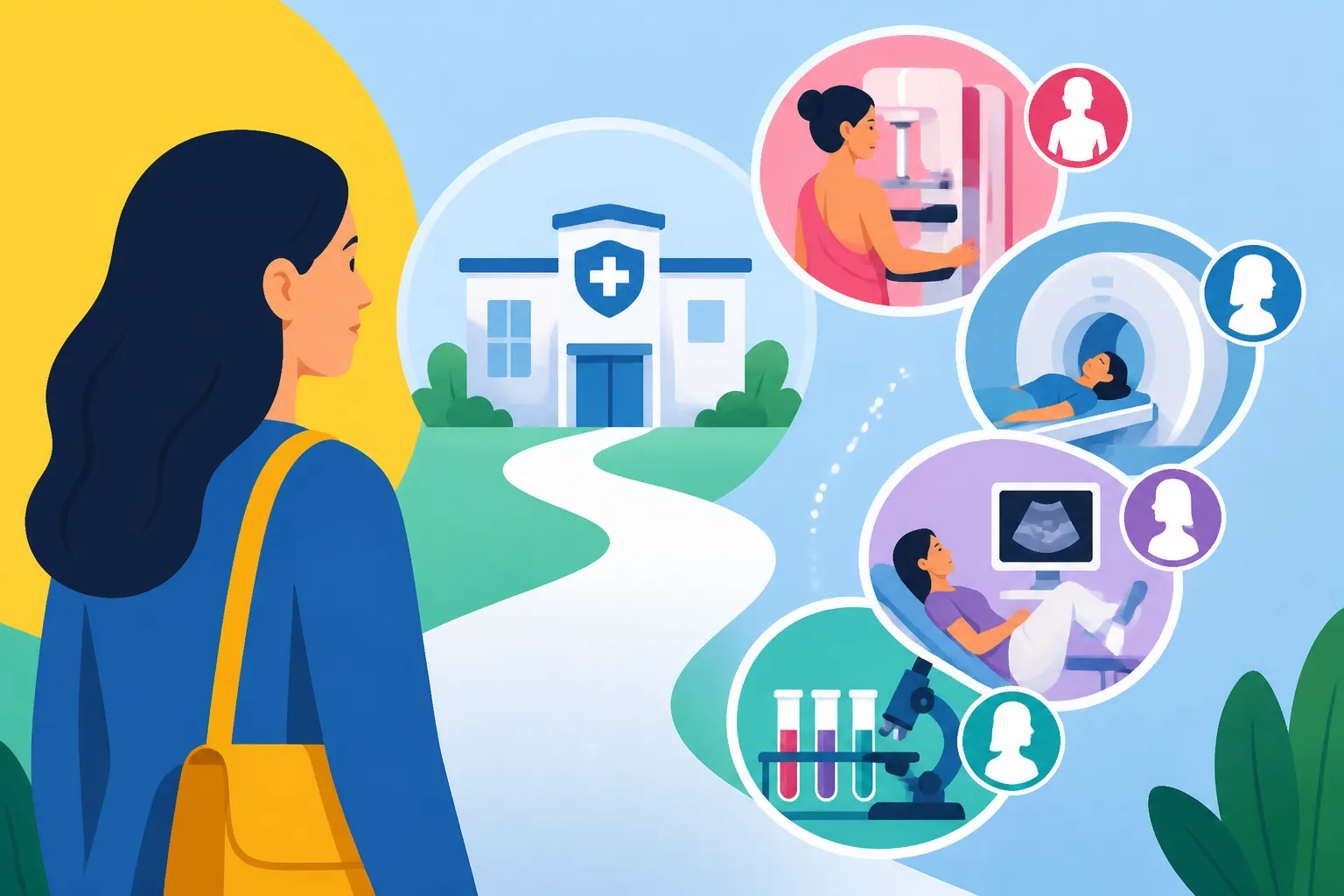
- Modern Equipment: Private facilities are generally well-equipped with state-of-the-art diagnostic imaging technology (mammography, ultrasound, MRI, CT scans) which can sometimes be more challenging to access quickly in the public system.
These networks also often offer "wellness packages" or comprehensive check-ups that include various cancer screenings tailored to age and gender, which can be a convenient way to get multiple tests done at once.
If you're weighing your options, the article Public vs Private Healthcare in Romania: Which Should Expats Choose? offers a deeper comparison that might help you decide.
Understanding Private Health Insurance and Subscriptions
To manage the costs associated with private healthcare, many expats choose to invest in private health insurance or a medical subscription (abonament).
- Medical Subscriptions (Abonamente): These are monthly or annual plans offered directly by the private medical networks (like Regina Maria, MedLife). They typically cover a certain number of consultations, specific diagnostic tests, and sometimes discounted rates for procedures. Many employers in Romania offer these as a benefit, so check if yours does! They are excellent for routine check-ups and often include free or discounted cancer screenings based on the package.
- Private Health Insurance: Beyond subscriptions, you can purchase full private health insurance from providers like Allianz, Signal Iduna, or Groupama. These policies generally offer broader coverage, including hospital stays, surgeries, and a wider range of diagnostic tests and treatments, often with higher limits. Some policies might also include international coverage, which is a bonus for expats who travel frequently. For digital nomads or those needing flexible coverage, options like SafetyWing offer travel medical insurance that can also cover new illnesses or injuries, which, while not a comprehensive local health insurance for screenings, provides essential emergency coverage.
It's vital to compare what's covered for preventive screenings, as policies can vary. Some might only cover screenings if there's a suspected issue, while others will include routine checks. For a deeper dive, check out Understanding Private Health Insurance and Subscriptions (Abonament) in Romania.
Costs and Benefits of Private Screening
The costs of private screening vary depending on the clinic, the type of test, and whether you have an abonament or private insurance.
-
Typical Costs (without subscription/insurance):
- Pap Test: 100-200 RON
- Mammogram: 250-500 RON
- Colonoscopy: 800-2000 RON (often requires prior consultation)
- PSA Test: 50-100 RON
- Dermatology Consultation (for skin check): 150-300 RON
-
Benefits:
- Convenience: Easier scheduling, less bureaucracy, direct access to specialists.
- Comfort: More personalized care, modern facilities, often shorter wait times.
- Language: Higher likelihood of finding English-speaking staff.
- Comprehensive Packages: Many clinics offer tailored health packages that combine various screenings and consultations.
While the costs can add up, for many expats, the peace of mind, efficiency, and comfort offered by the private system are well worth the investment. To help budget, consider reading The Cost of Healthcare in Romania: A Complete Breakdown for Foreigners (2026).
Essential Steps and Ongoing Management for Expats
Navigating healthcare, especially something as sensitive as cancer screening, requires a proactive and informed approach. As an expat in Romania, empowering yourself with knowledge and knowing the practical steps will make your journey much smoother.
Getting Started: Your First Steps to Screening
Whether you choose the public or private route, here’s a general sequence of actions to take:
- Secure Your CNP and Health Insurance: First things first, ensure you have your CNP (Personal Numeric Code) and are registered for public health insurance (CASS) if you are working or residing long-term. Your How to Get Your CNP (Personal Numeric Code) for Healthcare Access in Romania guide can walk you through that. Without CASS, public services are generally not free. For those on short-term stays or without CASS, ensuring you have robust travel insurance like SafetyWing is crucial for emergencies, though routine screenings might not be covered.
- Find a Family Doctor (Public System): If you plan to use the public system, finding and registering with a family doctor is paramount. This person will be your primary point of contact for referrals and initial assessments. Look for one who is empathetic and, if possible, speaks English.
- Research Private Clinics (Private System): Identify private clinics or networks in your area that offer the screenings you need. Check their websites, read reviews, and confirm if they have English-speaking staff.
- Initial Consultation: Schedule a consultation with your family doctor (public) or a specialist (private, e.g., gynecologist, dermatologist). Be prepared to discuss your medical history, family history of cancer, and any symptoms or concerns. This is where you proactively ask about recommended screenings for your age and gender.
- Book Your Screening: Once you have a referral or have chosen your private clinic, book the actual screening appointment. Pay attention to any preparation instructions (e.g., fasting for certain blood tests, specific timing for mammograms).
What to Do After Your Screening
The screening itself is just one part of the journey. What happens next is equally important:
- Receiving Results: In private clinics, results are often available quickly, sometimes within a few days, and can often be accessed online through a patient portal. In the public system, it might take a bit longer, and you might need to pick them up in person or have them sent to your family doctor. Always clarify how and when you'll receive your results.
- Follow-up Consultation: Schedule a follow-up appointment with your family doctor or the specialist who ordered the test to review the results. This is crucial even if the results are normal, as it provides an opportunity to discuss your ongoing health plan.
- Abnormal Results: If a screening reveals anything abnormal, don't panic. This doesn't automatically mean cancer. It means further investigation is needed. Your doctor will explain the next steps, which might involve more advanced diagnostics (biopsy, MRI, further specialist consultations). This is where having a good relationship with your doctor and, if needed, exploring How to Access Specialist Care Through the Romanian Public System or utilizing your private insurance, becomes critical.
- Maintaining Records: Keep copies of all your results and medical reports. A personal health folder, either physical or digital, can be incredibly helpful, especially when dealing with different doctors or if you ever move again.
Maintaining Your Health Journey in Romania
Your health journey is ongoing, and preventive care should be a consistent part of it.
- Regular Check-ups: Don't wait for symptoms to appear. Regular discussions with your family doctor about your general health and age-appropriate screenings are crucial.
- Stay Informed: Healthcare guidelines can change. Keep an ear out for national campaigns or updates from your doctor regarding new screening recommendations.
- Lifestyle: Remember that screening is just one component of cancer prevention. A healthy lifestyle, including diet, exercise, and avoiding smoking and excessive alcohol, plays a massive role.
- Advocacy: Don't be afraid to ask questions, seek second opinions, or clarify anything you don't understand. It's your health, and you have the right to be fully informed. Finding an How to Find an English-Speaking Doctor in Romania can greatly aid in this advocacy.
Navigating the Romanian healthcare landscape, whether it's for routine check-ups or complex screenings, takes a bit of patience and persistence. But with the right information and a proactive attitude, you can ensure your health is well-looked after here in your new home. For a broader perspective on handling all aspects of the system, I highly recommend checking out Navigating the Romanian Healthcare System: An Expat's Roadmap (2027).
Disclaimer
The information provided in this guide is intended for general informational purposes only and does not constitute medical advice. While every effort has been made to ensure accuracy and relevance for expats in Romania, healthcare regulations, policies, and availability of services can change. Always consult with a qualified medical professional for any health concerns, diagnoses, or treatment options. For the most up-to-date administrative procedures, please refer to official Romanian government and healthcare authority websites.