Can Tourists Access Emergency Care in Romania for Free?
Navigating a sudden medical crisis in a foreign country is one of the most stressful experiences a traveler can face. In Romania, the confusion often starts with the question of cost: will you be handed a massive bill after being treated in a public emergency room? This guide breaks down exactly how the Romanian emergency system treats tourists, what is legally free, and where the financial traps lie for those without proper coverage.
The Reality of Emergency Care in Romania
When you are standing on a street corner in Bucharest or Brașov with a searing pain in your chest or a broken limb, the last thing you want to think about is the Romanian Constitution. However, it is the foundation of your rights here. In Romania, the law states that emergency medical services are provided to everyone—regardless of their citizenship or insurance status—as long as the situation is a life-threatening "code red" or "code yellow" emergency. This is handled primarily through the public system's specialized emergency departments.
Defining a Medical Emergency
In the eyes of the Romanian medical system, an emergency isn't just "needing a doctor quickly." It is strictly defined by the triage system used in the UPU (Unitatea de Primiri Urgențe), which are the emergency units attached to major public hospitals. If you arrive with a condition that is deemed life-threatening, such as a heart attack, major trauma from a car accident, or severe respiratory failure, the system swings into action. In these specific, dire circumstances, the initial stabilization and life-saving interventions are generally provided without an upfront request for payment.
However, the "free" aspect often ends once the immediate threat to your life is neutralized. If you walk into a UPU with a minor fever, a persistent cough, or a small cut that needs a few stitches, you might find yourself waiting for eight hours because you are triaged as "code green" or "code blue." In these cases, because it is not a true life-threatening emergency, the hospital may technically have the right to bill a non-EU tourist for the consultation and supplies used.
Public vs. Private Facilities for Tourists
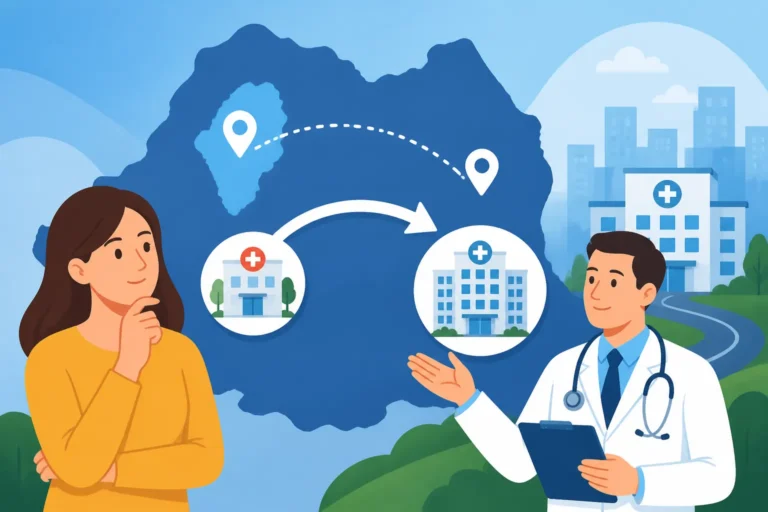
For many tourists, the first instinct is to look for a shiny private clinic. Romania has an excellent network of private healthcare providers like Regina Maria or MedLife. While these facilities are modern and often staffed by English-speaking doctors, they are not usually the primary destination for major emergencies. If you call the national emergency number, the ambulance will almost always take you to a public hospital because only the public sector has the specialized UPU departments equipped for high-level trauma and intensive care.
Understanding Public vs Private Healthcare in Romania: Which Should Expats Choose? is vital even for short-term visitors. While private clinics are great for a quick consultation on a stomach bug, for anything involving an ambulance, you are entering the public system. The public system is where the "free" mandate exists, but it is also where you will encounter the most significant language barriers and overcrowded waiting rooms.
Is it Truly Free? Understanding the Costs
The word "free" is a bit of a misnomer in the Romanian medical context. While the law mandates that no one be left to die due to a lack of funds, the administrative machinery behind the scenes is always looking for someone to pay the bill. For tourists, who pays depends entirely on where they are from and what documents they carry in their wallets at the moment of the accident.
EU Citizens and the EHIC
If you are a citizen of an EU/EEA country, your experience will be significantly smoother, provided you have your European Health Insurance Card (EHIC). This card allows you to access the Romanian public healthcare system under the same conditions as a local. Since Emergency Medical Care in Romania: What Every Expat Needs to Know covers the intricacies of the system, EU tourists should know that the EHIC covers "necessary care," which includes emergencies.
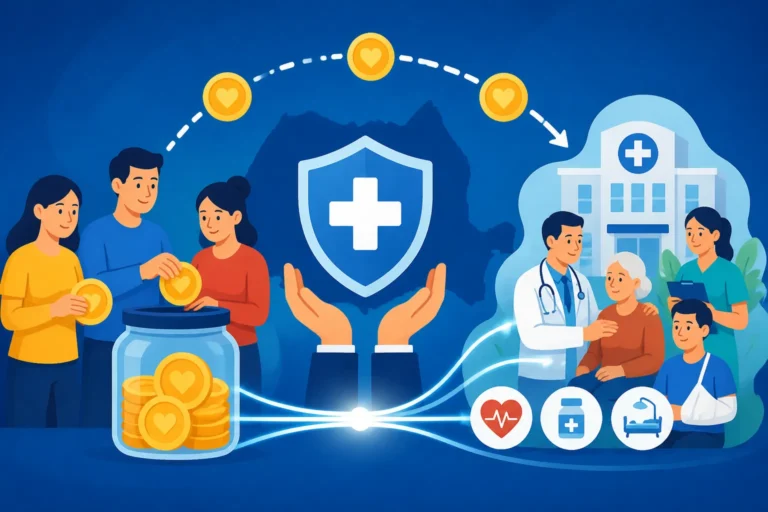
When you present your EHIC at a public hospital, the Romanian Health Insurance House (CNAS) bills your home country’s insurance provider. You might still have to pay for certain medications or specific non-essential supplies, but the bulk of the "big" hospital bill will be covered. If you forget your card, you might be asked to pay the full "uninsured" rate, which you would then have to try and reclaim from your home country later—a bureaucratic nightmare you definitely want to avoid.
Non-EU Tourists and the Hidden Costs
For tourists from the US, Canada, Australia, or other non-EU nations, the "free" mandate is much narrower. The system will stabilize you for free in a life-or-death situation, but once you are stable, the clock starts ticking on your bill. If you require surgery that isn't immediately life-saving, a stay in a recovery ward, or specialized diagnostic tests like an MRI, the hospital will expect payment.
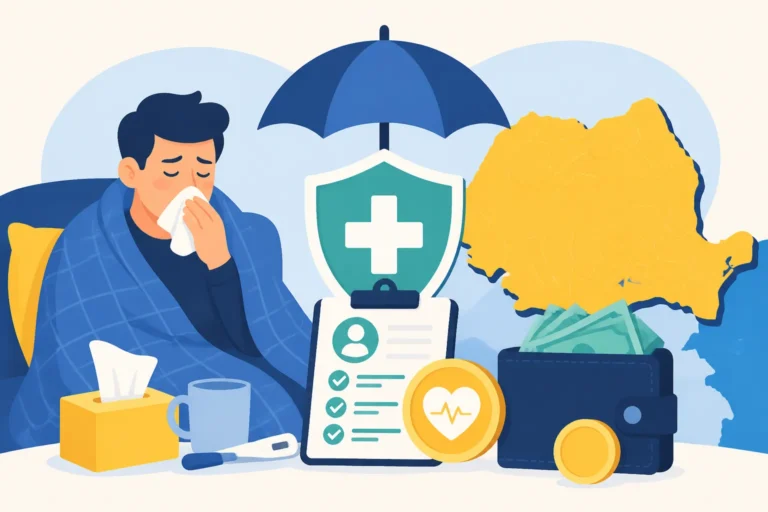
This is where many travelers get caught off guard. They hear that "healthcare is free in Europe" and arrive with no insurance. In reality, The Cost of Healthcare in Romania: A Complete Breakdown for Foreigners (2026) shows that while costs are lower than in the US, a three-day hospital stay with tests and medication can still run into thousands of Euros. Without a policy like SafetyWing, you would be expected to pay these costs out of pocket before being discharged or transferred.
The Problem with "Stabilization"
The most important distinction for a tourist is the gap between "emergency stabilization" and "continued care." Imagine you have a bad fall while hiking in the Carpathians. The SMURD rescue team (the red ambulances and helicopters) will pick you up and take you to the nearest UPU for free. They will set your bone and ensure you aren't in shock. However, if that break requires a complex orthopedic surgery and a week of inpatient physical therapy, those subsequent steps are often not considered "emergency stabilization." At that point, the hospital administration will ask for your insurance details or a credit card.
Navigating the System: What to Do in an Emergency
If you find yourself in a crisis, knowing the local "rules of the road" can save your life and your bank account. The Romanian system is functional but highly bureaucratic, and as a tourist, you are an outlier in their daily workflow.
Calling 112 and the SMURD Service
The first thing to do in any crisis is to dial 112. This is the universal emergency number in Romania. The operators usually speak some English, but it helps to speak slowly and clearly. You should ask specifically for an ambulance ("Ambulanță"). In many cases, especially for accidents or heart issues, you will see a bright red vehicle arrive—this is the SMURD service.
Understanding Emergency Numbers (112) and the SMURD Service in Romania is helpful for understanding that SMURD is a specialized department of the fire service. They are highly trained and incredibly efficient. The good news for tourists is that the intervention of the SMURD team at the scene of an accident and the transport to the hospital is almost always free at the point of service, as it falls under the national emergency response mandate.
The Role of the UPU
Once you arrive at the hospital, you will be taken to the UPU. This is a high-pressure environment. You will be triaged by a nurse who will assign you a color code based on the severity of your condition.
- Red: Immediate intervention (No wait).
- Yellow: High risk (Wait is usually under 15-30 minutes).
- Green: Urgent but stable (Expect a wait of 2 to 6 hours).
- Blue/White: Non-urgent (Expect a wait of 6+ hours).
As a tourist, if you arrive with a "Green" or "Blue" condition, prepare for a long night. This is where having a travel insurance provider like SafetyWing becomes a massive advantage. Instead of sitting in a crowded public hallway for six hours for a minor issue, you can often use your insurance to visit a private "Centru de Permanență" or a private clinic where the wait times are negligible and the staff are more likely to be fluent in English.
Communication Barriers and Language Tips
While many younger doctors in major cities like Cluj-Napoca or Bucharest speak excellent English, the nursing and administrative staff in public hospitals often do not. If you are a tourist, try to have your passport and any insurance documents (like a printed SafetyWing summary) ready immediately. Using a translation app on your phone can be a literal lifesaver when trying to explain allergies or medical history to a triage nurse who only speaks Romanian.
| Service Type | EU Tourist (with EHIC) | Non-EU Tourist (No Insurance) | Tourist with Private Insurance |
|---|---|---|---|
| Ambulance (112) | Free | Free (Stabilization only) | Covered by Policy |
| ER Consultation | Free | Often Billed (if not Red code) | Covered/Reimbursable |
| Hospital Stay | Free/Low Cost | High Daily Rates | Covered by Policy |
| Surgeries | Covered (if urgent) | Full Market Price | Covered by Policy |
| Medication | Partly Covered | Full Price | Reimbursable |
Protection Beyond Emergencies: Why Travel Insurance Matters
The public system's "free" mandate is a safety net, not a luxury bed. It is designed to keep you alive, not necessarily to make your recovery comfortable or to handle the logistical nightmare of a medical emergency abroad.
Limitations of the Public System
Public hospitals in Romania are often underfunded. While the doctors are highly skilled, the facilities can be grim. You might be in a ward with six other people, the food is notoriously basic, and you are expected to provide your own basic toiletries and sometimes even your own specialized bandages or specific medications if the hospital pharmacy is out of stock. This is why How Romania's Health Insurance House (CNAS) Works: A Full Overview emphasizes that even locals often opt for private supplements.
Furthermore, the public system will not help you with medical evacuation. If your injury is so severe that you need to be flown back to your home country with a medical escort, the Romanian government will not pay for that. This can cost upwards of $50,000. Without a comprehensive plan like SafetyWing, which includes provisions for emergency medical evacuation, you or your family would be responsible for these astronomical costs.
Why SafetyWing is a Solid Choice for Tourists
For digital nomads and long-term tourists, the line between "traveler" and "resident" blurs. Many visitors start as tourists and eventually look into How to Get a Romania Digital Nomad Visa: The Full Guide (2027). During that transition, having flexible coverage like SafetyWing is invaluable. It functions as a subscription, meaning you can start or stop it whenever you want, which fits the unpredictable nature of modern travel.
SafetyWing is particularly useful in Romania because it covers those "middle-ground" medical issues that the public ER might bill you for. If you get a sinus infection or a weird rash while exploring the wooden churches of Maramureș, you don't want to go to a public UPU. You want to go to a private clinic, pay the $50-$100 consultation fee, and get a prescription. SafetyWing allows you to do this with the peace of mind that you can claim those costs back, rather than hoping the public system treats your "minor" issue for free.
Practical Tips for Tourists Facing Medical Issues
If you are currently in Romania and need medical help, follow these steps to ensure you get the care you need without unnecessary financial stress.
Document Checklist for Hospital Visits
Never head to a Romanian hospital empty-handed. Even in an emergency, if you are conscious, try to grab:
- Your Passport: This is your primary ID. The hospital needs it to create a patient file.
- EHIC Card: If you are from the EU. This is your "get out of jail free" card for billing.
- Insurance Policy: A digital or printed copy of your SafetyWing or other travel insurance certificate.
- Cash (Lei): While major hospitals take cards, smaller ones or pharmacies might have "technical issues" with their card machines. Having 200-300 Lei on hand is always wise.
Finding 24-Hour Pharmacies
Sometimes you don't need a doctor; you just need a pharmacy. In Romania, these are called "Farmacie." In major cities, there is always at least one "Farmacie Non-Stop" in every sector or neighborhood. Understanding the Romanian Pharmacy (Farmacie) System and Opening Hours is a great resource to bookmark. Look for the green cross signs that are lit up at night. Be aware that for many medications that are over-the-counter in other countries, Romanian pharmacists might strictly demand a prescription ("rețetă").
Knowing When to Skip the ER
If your situation isn't a "Red Code," avoid the public ER. It is an exhausting experience for a tourist. Instead, look for a "Clinicā Privatā." Most of these have websites in English and allow you to book an appointment online for the same day. The cost of a specialist consultation in a private clinic in Bucharest or Cluj usually ranges from 200 to 400 Lei ($45-$90). If you have SafetyWing, this is a much more civilized way to handle a non-life-threatening medical issue while traveling.
In conclusion, while Romania will not leave you to die on the sidewalk, the idea that all care is "free" for tourists is a dangerous myth. The system is designed to stabilize, not to provide a full cycle of care for non-citizens. By understanding the UPU triage, carrying your EHIC if you're European, and maintaining a robust travel insurance policy like SafetyWing, you can explore the beautiful landscapes of Romania knowing that you are protected both medically and financially.
Disclaimer
The information provided in this guide is for general informational purposes only and does not constitute legal or medical advice. Healthcare laws, insurance regulations, and hospital policies in Romania are subject to change. Always consult with a qualified medical professional in an emergency and verify your insurance coverage details with your provider before traveling. If you are in a life-threatening situation in Romania, dial 112 immediately.