How Much Is the Building Maintenance Fee (Întreținere) in Romania?
Moving to Romania, you'll quickly discover that the joy of finding your perfect apartment often comes with a bit of a head-scratcher: the întreținere fee. This isn't just a simple utility bill; it's a multi-faceted charge that can seem opaque and confusing, especially when you're still grappling with a new language and a different administrative system. This guide will meticulously break down what întreținere actually entails, what drives its costs, and how you, as an expat, can navigate this essential but often frustrating aspect of living in Romania.
Understanding "Întreținere": What Exactly Are You Paying For?
When you hear "întreținere" in Romania, it literally translates to "maintenance," but in practice, it encompasses far more than just keeping the building in good repair. It's the consolidated monthly bill issued by your building's homeowners' association that covers a wide array of shared expenses crucial for the functionality and upkeep of your apartment block. For many expats, this is one of the first administrative hurdles, trying to decipher a long list of charges, some measured by consumption, others by the number of people in your household, and yet others as a flat fee per apartment.
The Components of Your Monthly Building Fees
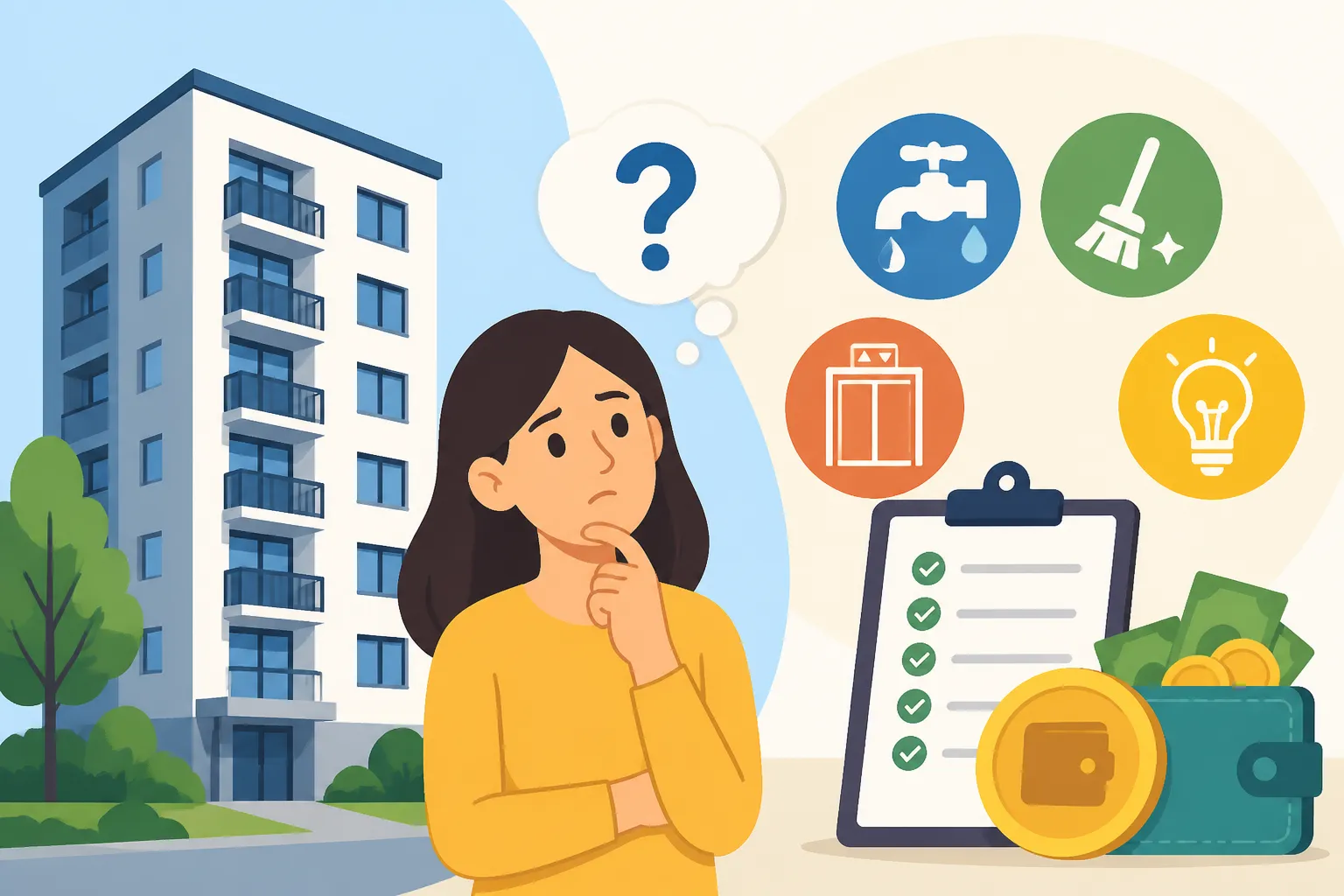
The listă de plată, or payment list, for your întreținere can feel like reading an ancient scroll if you’re not familiar with the local terms. But once you understand the common categories, it becomes less daunting. Typically, your monthly întreținere bill will include:
- Common Area Utilities: This is pretty straightforward. Think about the electricity used for lighting hallways, stairwells, and the elevator. If your building has a shared laundry room or other common facilities, their utility costs would also fall under this. In many older blocks, there might be a central heating system for the entire building, and the cost of heating common areas or sometimes even the apartments themselves (though this is increasingly rare with individual heating solutions) would be here.
- Cleaning Services: Most apartment blocks employ a cleaner for common areas – hallways, stairs, entrance. This ensures the building remains presentable and hygienic. The cost of this service is usually divided among all apartments.
- Minor Repairs and Maintenance: This covers the day-to-day wear and tear of shared spaces. We're talking about fixing a broken light switch in the hall, patching a small crack in the wall, or ensuring the entrance door mechanism works properly. It's not for major structural work, but for keeping things ticking over.
- Administrator's Salary: Yes, your building administrator, the person who compiles these lists and manages the building's finances, gets paid from these fees. This is a crucial role, often acting as the intermediary between residents and utility providers, and handling a myriad of tasks from collecting payments to organizing repairs.
- Waste Collection (Salubritate): While sometimes paid directly to a separate company, it's very common for the waste collection fee to be included in your întreținere. This usually varies based on the number of people registered in your apartment. Understanding How Do I Set Up Waste and Recycling Collection in Romania works is key, as the rules can differ city by city, and even building by building.
- Water and Sewage: This is one of the biggest variable costs. If your apartment doesn't have individual water meters (which is common in older blocks), your water consumption might be estimated based on the number of residents and shared consumption, then divided. If you do have individual meters, you'll pay for your exact consumption, plus a share of common usage (e.g., for cleaning, garden watering). Understanding How Do I Understand My Utility Bills (Facturi) in Romania will help you decipher these details.
- Elevator Maintenance: If you live in a building with an elevator, its regular servicing and electricity consumption are part of the shared costs.
- Pest Control: Occasionally, buildings will arrange for pest control services in common areas, especially in older blocks, and this cost will be distributed.
These components can vary significantly based on the age of the building, its facilities, and even the efficiency of the homeowners' association. For example, a modern block with a gym, pool, or 24/7 security will naturally have higher "common area" costs than a pre-war building with basic amenities.
The Role of the Homeowners' Association (Asociația de Proprietari)
The Asociația de Proprietari is the heart of how întreținere is managed. This is the legal entity formed by the owners of apartments in a block, responsible for the collective management, administration, and maintenance of the common parts of the building. It's not just a fancy name; it's a functioning body with rules and responsibilities.
The association holds regular meetings where decisions are made regarding budgets, major repairs, changes to services, and the election of the administrator and a management committee. As a renter, you won't typically have a vote in these meetings, but your landlord, as the owner, will represent your apartment's interests. This is why having a clear and communicative landlord is invaluable.
The administrator, appointed by the Asociația, is your go-to person for all întreținere-related queries. They are responsible for:
- Calculating and posting the monthly listă de plată.
- Collecting payments.
- Managing the building's bank account.
- Hiring and overseeing cleaning staff, maintenance workers.
- Dealing with utility providers.
- Ensuring compliance with local regulations.
For expats, the administrator can be a critical link, though language barriers can sometimes complicate interactions. It’s their job to provide a breakdown of costs, and while it might not always be perfectly clear, they are the source of information. Sometimes, building a good relationship with them, perhaps with the help of a Romanian friend or colleague, can make a huge difference in understanding your monthly fees.
What Influences the Cost of Întreținere?
The cost of your întreținere isn't static; it's a dynamic figure that dances to the tune of various factors. From where you live to the age of your building, understanding these influences can help you anticipate and even manage your monthly expenses.
Location, Building Age, and Amenities
Think about real estate, and the mantra "location, location, location" comes to mind. It's no different for întreținere.
- Geographic Location: Unsurprisingly, cities with a higher cost of living generally have higher întreținere fees. In Bucharest, for instance, especially in central or upscale neighborhoods, you can expect significantly higher fees compared to a smaller town like Alba Iulia or even the outskirts of a larger city. For a deeper dive into overall expenses, you might want to check out How Much Is the Cost of Living in Cluj-Napoca for Expats or other city-specific guides.
- Building Age: This is a double-edged sword. Older buildings, say from the communist era, might have fewer amenities (no underground parking, no gym, no fancy lobby) which means lower fixed costs for security or specialized maintenance. However, they are also more prone to requiring larger, unforeseen repairs – think aging pipes, leaky roofs, or deteriorating facades. While these usually come as special contributions, the general maintenance fund might also reflect a higher need for minor fixes. Newer, modern residential complexes, on the other hand, often boast a wealth of amenities. Gated communities with 24/7 security, lush gardens, swimming pools, fitness centers, or underground parking add to your quality of life but also inflate your întreținere bill due to the costs of staffing, cleaning, and maintaining these features.
- Heating System: This is a major factor, especially during Romania's often-cold winters. If your building is connected to a centralized district heating system (like RADET in Bucharest, or similar municipal providers), your heating costs will be part of the întreținere. These costs can fluctuate wildly based on gas prices and actual consumption for the entire block. If your apartment has its own individual gas boiler (centrală termică), then your heating costs are separate and directly managed through your individual gas bill, meaning this portion of întreținere will be much lower, covering only common area heating, if any. Getting How Do I Set Up Water, Heating and Gas in Romania in your own name is generally a good idea for more control over these costs.
Individual Consumption and Shared Expenses
Some elements of your întreținere are directly tied to your household's usage, while others are shared equally or based on a fixed metric.
- Water and Gas Consumption: As mentioned, if you have individual meters, you'll pay based on your exact usage. If not, the total building consumption is often divided by the number of registered occupants (persoane) in each apartment. This means if you live alone but share a building with large families, your per-person share could be high, even if your actual usage is low, because the overall consumption is split.
- Waste Collection (Salubritate): Typically, this is charged per person living in the apartment. If you have guests staying for an extended period, or if you don't update the Asociația when someone moves out, you might be overpaying.
- Shared Electricity: This is generally a fixed cost per apartment or based on a fixed share, covering lights in hallways, elevators, and other common areas. It doesn't usually fluctuate much month-to-month unless there's a problem or a big increase in electricity tariffs.
- Number of Residents: Many services, particularly water (if not metered), garbage collection, and sometimes even the administrator's salary, are calculated per capita. It's vital that the number of people declared in your apartment with the Asociația is accurate. Landlords should handle this, but it's worth double-checking.
Unexpected Costs and Special Funds
Just like owning a home anywhere, things break or need significant upgrades. For apartments in Romania, these larger, non-routine expenses are handled differently.
- Special Contributions (Fond de Reparații/Fond de Rulment): These are additional, lump-sum payments that residents might be asked to contribute for major repairs or upgrades to the building. This could be anything from replacing the roof, renovating the facade, updating the elevator, or fixing a major plumbing issue in the main risers. These decisions are made by the Asociația de Proprietari and usually require a majority vote. They are communicated in advance, often posted on the building's notice board (which you might miss if you don't read Romanian or check it regularly). Your landlord, as the owner, is ultimately responsible for these, but if you're renting, your contract should specify if you're liable for any such contributions. Most rental agreements stipulate that the landlord covers these, as they are capital improvements to their property.
- Reserve Funds: Some well-managed Asociații maintain a "fond de rulment" (working fund) or "fond de reparații" (repair fund) – small, regular contributions to build up a reserve for future major works, mitigating the need for massive one-off payments. This is a sign of good management but will slightly increase your regular monthly întreținere.
It's clear that the final number on your întreținere bill is a culmination of many small factors, influenced by collective decisions and individual habits. When signing your How Do I Sign a Rental Contract Contract de Închiriere in Romania, it's absolutely crucial to discuss these charges with your landlord and understand what you're expected to cover.
Real-World Examples and Average Costs of Întreținere
So, after all that explanation, what's the bottom line? How much should you actually expect to pay? The truth is, there's no single answer, but we can provide some realistic ranges based on city, apartment size, and seasonality.
Typical Ranges for Different Apartment Sizes and Cities
The costs for întreținere can vary significantly. Generally, bigger apartments and apartments in newer buildings with more amenities will incur higher costs. Location also plays a huge role.
Let's look at some typical monthly ranges:
| City | Apartment Size | Low-End (Lei/Month) | High-End (Lei/Month) | Notes |
|---|---|---|---|---|
| Bucharest | Studio | 150 | 400 | Older building, basic services vs. newer, central, some amenities |
| 2-Room | 200 | 600 | Standard apartment, significant variation with heating type & common amenities | |
| 3-Room+ | 300 | 800+ | Can go higher for luxury apartments or buildings with many shared facilities | |
| Cluj-Napoca | Studio | 120 | 350 | Generally slightly lower than Bucharest, but trendy areas can be pricey |
| 2-Room | 180 | 550 | Similar factors to Bucharest, but often less extreme high-end | |
| 3-Room+ | 280 | 700+ | ||
| Timișoara/Iași/Brașov | Studio | 100 | 300 | Other major cities often present a more moderate range |
| 2-Room | 150 | 450 | ||
| 3-Room+ | 250 | 600+ |
Important Considerations for these Ranges:
- Seasonality: These numbers can skyrocket in winter, especially if you're in a building with centralized heating. During the colder months (typically October/November to March/April), the heating component can add anywhere from 100-400+ Lei to your bill, depending on apartment size, insulation, and the efficiency of the heating system. In summer, without heating costs, the întreținere will be at its lowest.
- Included vs. Excluded: These ranges assume typical întreținere which includes common utilities, cleaning, administrator, water/sewage (potentially), and waste. They do not typically include your individual electricity or gas bills (if you have your own boiler), nor internet/TV. When considering How Much Does It Cost to Rent an Apartment in Bucharest in 2026, remember that întreținere is just one part of your overall housing expense.
For a one-person studio in an older, well-managed block in Bucharest, you might realistically pay around 200-250 Lei in summer and 350-450 Lei in winter. For a couple in a modern 2-room apartment in Cluj-Napoca with good amenities, you could be looking at 350-450 Lei in summer and 600-750 Lei in winter. These are averages, so always ask for a clear breakdown!
How to Get a Clear Breakdown and Avoid Surprises
The key to managing întreținere costs is transparency. Don't be afraid to ask questions.
- Request Past Bills When Renting: Before you even sign a rental agreement, ask your potential landlord to show you the întreținere bills for the past 6-12 months. This will give you a historical overview, especially showing the difference between summer and winter costs. A reputable landlord should be happy to provide this. If they hesitate, it might be a red flag.
- Understand the Listă de Plată: The monthly listă de plată is usually posted in the building's entrance or given to each apartment. It's a detailed (if sometimes confusing) breakdown of all charges. It will list categories like apă rece (cold water), apă caldă (hot water), canalizare (sewage), căldură (heating), salubritate (waste), curățenie (cleaning), administrare (admin fee), electricitate părți comune (common area electricity), and so on. It will also show calculations based on persoane (people) or cotă indiviză (percentage share of common property). Don't just look at the total; try to understand the individual lines.
- Communicate with the Administrator: This person is your primary source of information. While they might not speak fluent English, a good administrator will patiently explain the charges. If you're struggling with the language, ask your landlord or a Romanian friend to help translate or accompany you.
- Clarify Responsibility in the Contract: Ensure your rental agreement clearly states who is responsible for paying întreținere (usually the tenant) and if there are any caps or special conditions, especially regarding major repair funds. You can find more tips on this in The Complete Guide to Renting an Apartment in Romania (2027).
Avoiding surprises is all about proactive inquiry. Don't wait until a huge bill arrives; try to understand the system from the outset.
Practical Tips for Expats Navigating Întreținere
Navigating the întreținere system can definitely feel like a maze, especially when you're fresh off the plane. But with a few strategies, you can make it less stressful and more manageable.
Communication and Language Challenges
Let's be honest, trying to understand a detailed financial document in a new language is a challenge, to say the least. The listă de plată is often densely packed with Romanian terms, abbreviations, and calculations.
- Don't Be Afraid to Ask for Help: Your landlord is your first point of contact. They should be able to explain the bill to you in English. If they can't or won't, don't hesitate to ask a Romanian friend, a trusted colleague, or even use a translation app to get the gist of it. Google Translate's camera function can be a lifesaver for scanning documents.
- Build a Relationship with Your Administrator: Even if you can only exchange a few words, a friendly face and a polite demeanor can go a long way. Administrators deal with a lot, and a respectful tenant who tries to understand can often get more help than someone who is demanding. If language is a huge barrier, consider writing down your questions in English and having a Romanian speaker translate them for you to present to the administrator.
- Invest in Reliable Communication: When you first arrive, getting connected is paramount. A local SIM card or an eSIM from a service like Airalo can ensure you always have internet access to use translation apps, research terms, or communicate with your landlord. This small investment can save you a lot of headaches in deciphering bills and handling administrative tasks during your The Complete Guide to Moving to Romania Your First 90 Days (2026).
- Keep Records: Always keep copies of your întreținere bills and payment receipts. If there's ever a dispute, having your paperwork in order will be invaluable.
What to Do If You Disagree with the Fees
It happens. You might look at your întreținere bill and feel something isn't right. Maybe the number of people registered in your apartment is incorrect, or a charge seems exorbitant.
- Talk to the Administrator First: This is always the initial step. Calmly explain your concern and ask for clarification. Bring your bill and any supporting documents. They might be able to correct a simple error on the spot or explain the rationale behind a particular charge.
- Review Homeowners' Association Documents: As a tenant, you likely don't have direct access, but your landlord does. Ask your landlord to review the minutes of the Asociația meetings or the budget documents if you suspect a significant discrepancy or an unauthorized charge. These documents should detail how fees are calculated and what projects are approved.
- Attend Homeowners' Association Meetings (Through Your Landlord): If the issue is persistent or significant, and your landlord is unresponsive, attending a meeting (with your landlord's permission and presence) can offer insight. While you likely won't have voting rights, hearing discussions firsthand can be enlightening.
- Formal Complaints (Rare for Expats): For truly egregious issues, the Asociația has oversight bodies at the local city hall level. However, this is a very rare and complicated step for individual tenants and typically involves legal assistance. For most expats, resolving issues directly with the administrator or landlord is the most practical approach. Remember, it often requires a How to Get Your CNP Personal Numeric Code for Healthcare Access in Romania and other official documents to file formal complaints.
Most disagreements are usually due to misunderstandings or minor administrative errors that can be resolved amicably. Patience and clear communication are your best tools.
Planning for Moving In and Out
The beginning and end of your tenancy are critical times to ensure you don't inherit someone else's bills or leave a messy situation behind.
- Clarify Întreținere Responsibility in Your Rental Contract: As discussed earlier, your How Do I Sign a Rental Contract Contract de Închiriere in Romania should explicitly state your responsibilities for întreținere. Most often, the tenant pays for monthly consumption and maintenance, while the landlord covers major repairs or special funds.
- Take Meter Readings: Upon moving in and moving out, take clear, dated photos of all utility meters (water, gas, electricity, if applicable) and share them with your landlord. This is crucial for accurate billing and to prevent disputes over consumption.
- Inform the Administrator: Ensure your landlord informs the building administrator of your move-in and move-out dates, as well as the correct number of people living in the apartment. This ensures you're billed correctly for per-person charges.
- Final Settlement: Before you leave, make sure all your întreținere bills are paid up to your move-out date. Obtain proof of payment from the administrator or your landlord. Your landlord might hold back a portion of your security deposit until the final bills are settled, which is a common practice.
Moving to a new country and setting up a home involves countless details, and coordinating your move itself can be overwhelming. Services like Sirelo, which helps you compare international moving companies, can be incredibly useful in streamlining the logistics of getting your belongings to Romania, freeing you up to tackle the local administrative tasks like understanding your întreținere.
By taking a proactive approach, staying informed, and not being afraid to ask questions, you can demystify the întreținere fee and comfortably manage this part of your expat life in Romania.
Disclaimer
The information provided in this guide is intended for general informational purposes only and does not constitute legal, financial, or professional advice. While we strive to provide accurate and up-to-date information, regulations and costs in Romania can change frequently. It is always recommended to consult with relevant authorities, legal professionals, or experienced local advisors for advice tailored to your specific situation. Expat Life Romania is not responsible for any consequences resulting from reliance on the information contained herein.