Understanding the Vehicle Inspection (ITP) in Romania
Moving to Romania, especially with a car, often feels like navigating a labyrinth designed by a bored bureaucrat. You've just unpacked your bags – perhaps with the help of a service like Sirelo – and now you're faced with a whole new set of rules for your vehicle. Among the most perplexing is the ITP, or Inspecția Tehnică Periodică. It's not just a quick check; it's a mandatory, in-depth technical inspection that every vehicle needs to pass to legally drive on Romanian roads. This guide aims to clear the fog, walking you through everything you need to know about the ITP, from why it exists to how to get your car through it without a headache.
What Exactly is the ITP? Demystifying the Romanian Vehicle Inspection
When you first hear "ITP," you might shrug it off as just another bureaucratic hoop to jump through, especially if you're fresh off the plane. But believe me, it's far more than that. The Inspecția Tehnică Periodică is Romania’s version of a roadworthiness test, akin to an MOT in the UK or a TÜV in Germany, but with its own unique flavour of administrative challenge. It’s a thorough examination of your vehicle's safety, mechanical integrity, and environmental impact, ensuring that what you're driving isn't a hazard to yourself or others on the road.
Purpose and Importance: Why We Do This Annually (or Biennially)
At its core, the ITP serves several critical purposes, all aimed at keeping Romania's roads as safe as possible and our environment a little cleaner. Firstly, it’s a legal mandate. Simply put, if your car doesn't have a valid ITP, it's illegal to drive it, and the consequences can be pretty severe, as we'll discuss later. This isn't just about collecting fines; it's about holding vehicle owners accountable for the condition of their cars. Imagine the chaos and danger if every car on the road had faulty brakes or steering – the ITP is a crucial preventative measure.
Beyond the legal aspect, there's the very tangible benefit of road safety. Roads in Romania, especially outside the major cities, can be quite challenging. Potholes are a common adversary, and sudden changes in road conditions demand that vehicles are in top shape. The ITP ensures that essential components like brakes, suspension, and steering are functioning correctly, drastically reducing the risk of accidents caused by mechanical failure. It's a peace of mind check, not just for you but for every driver, cyclist, and pedestrian sharing the road.
Then there's the environmental angle. With growing concerns about air quality, especially in urban areas like Bucharest or Cluj-Napoca, emission tests are a non-negotiable part of the ITP. Vehicles that spew excessive pollutants into the air won't pass. This pushes car owners to maintain their engines properly or, in some cases, consider newer, more eco-friendly vehicles. It's a small but significant step towards a healthier environment for everyone. So, while it might feel like a chore, remember that the ITP is a cornerstone of responsible vehicle ownership in Romania.
Key Components of the ITP: What They're Actually Checking
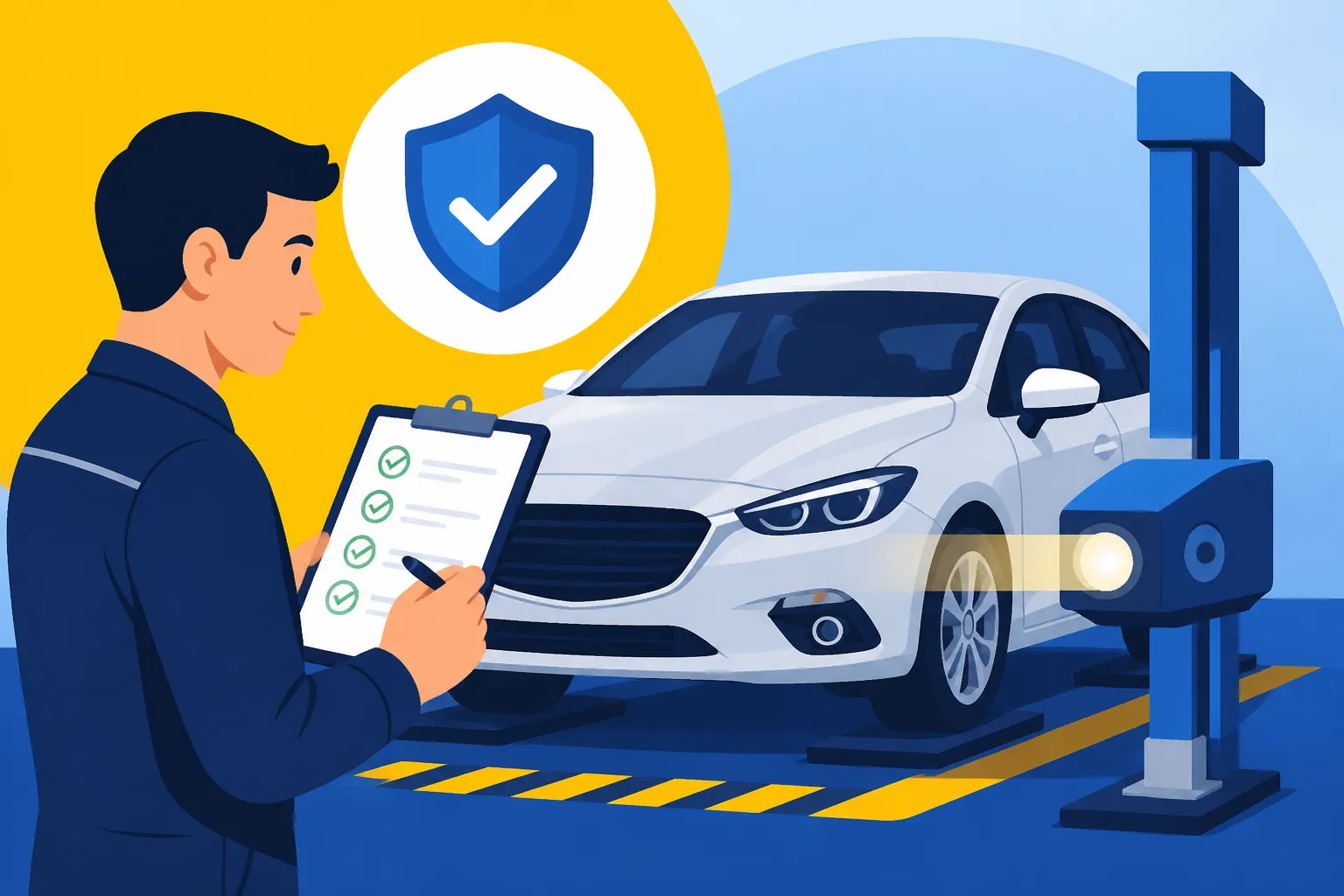
When you hand over your keys at an ITP station, you might wonder what exactly goes on behind those garage doors. Rest assured, it's a comprehensive examination, leaving few stones unturned. The inspectors follow a strict protocol set by the Romanian Auto Register (RAR), which is the national authority governing vehicle homologation and inspections.
The inspection typically begins with a visual check of your vehicle's exterior. They'll look for general wear and tear, significant rust, body damage, and ensure all your lights – headlights, tail lights, indicators, brake lights, and even your license plate illumination – are working correctly and are properly aligned. Believe it or not, something as simple as a burned-out bulb can lead to a failure, so it's worth checking these beforehand. They’ll also inspect your windshield for cracks or chips that might obstruct your view or compromise safety.
Next, they move to the undercarriage. This is where the structural integrity, steering, and suspension components come under scrutiny. Worn ball joints, leaky shock absorbers, or excessive play in the steering rack are common culprits for failure. They'll also check your exhaust system for leaks or damage that could lead to excessive noise or emissions. Your tires are crucial too – tread depth, proper inflation, and overall condition are rigorously assessed. Bald tires are an absolute no-go.
Then come the crucial performance tests. Your brakes will be tested on a specialized roller bench to measure their effectiveness and ensure they're balanced. This isn't just a simple push; they check both the main braking system and the handbrake. Emissions are measured using specialized equipment connected to your exhaust, detecting levels of carbon monoxide, hydrocarbons, and other pollutants. The results are compared against the manufacturer's specifications for your vehicle. Finally, they'll check for any warning lights on your dashboard (like engine check lights or ABS warnings) and ensure your safety equipment, such as seatbelts, is in good working order. It's a lot, yes, but it’s designed to ensure your car is truly safe for the road.
Who Needs an ITP and How Often? Navigating the Validity Periods
One of the first questions expats often ask, usually with a slightly stressed expression, is "How often do I actually need to do this?" It's a fair question, and the answer, typically Romanian, depends on a few factors. It’s not a one-size-fits-all situation, and understanding your specific vehicle's requirements is key to avoiding unnecessary fines or legal headaches.
Vehicle Categories and Inspection Frequency for Expats
The frequency of your ITP largely depends on the type of vehicle you own and its age. For most private passenger cars (M1 category vehicles), the rules are fairly straightforward, but there are nuances.
- New Cars: If you've just bought a brand-new car in Romania, congratulations! You get a longer grace period. Your first ITP will be valid for 3 years from the date of initial registration. This is a nice reprieve, giving you plenty of time to get accustomed to driving here before your first inspection.
- Cars up to 12 years old: For private passenger vehicles that are older than 3 years but haven't yet reached their 12th birthday, the ITP is required every 2 years. This covers the vast majority of cars on Romanian roads and is likely what you'll be dealing with if you've imported a car a few years old or bought a second-hand vehicle locally.
- Cars older than 12 years: Once your trusty steed crosses the 12-year mark, the frequency increases significantly. Vehicles over 12 years old require an ITP annually. This is because older vehicles tend to wear out faster, and more frequent checks are deemed necessary to ensure they remain roadworthy.
- Commercial Vehicles and Taxis: If you own a commercial vehicle (like N1 category vans or trucks) or if your vehicle is registered for public transport (taxis, ride-sharing vehicles), the ITP frequency is much tighter, usually every 6 months. This makes sense given their higher mileage and constant use, demanding more rigorous oversight.
- Motorcycles and Trailers: These also have their own schedules, generally requiring an ITP every 2 years for private use.
It’s crucial to remember that these validity periods are printed on your vehicle's registration certificate (the Certificat de Înmatriculare). You can also find a sticker on your windshield (usually on the lower right corner) indicating the expiry date. Always double-check these dates. Missing it, even by a day, means you're driving illegally. When you first arrive in Romania with your foreign vehicle, you'll need to go through an initial homologation process at RAR, which will include your first ITP, effectively setting your local clock. This can be one of the more involved parts of Driving in Romania: Licences, Registration and Rules for Expats (2027).
Consequences of an Expired ITP: Don't Get Caught Out
This is where things get serious, and I cannot stress enough how important it is to keep your ITP valid. Romania has strict penalties for driving with an expired Inspecția Tehnică Periodică, and they are enforced. Many an expat has learned this the hard way.
Firstly, the most immediate consequence is a hefty fine. Traffic police routinely check ITP validity, and if yours is expired, you'll be issued a fine that can range from a few hundred to over a thousand Lei, depending on how long it's been expired. It’s a significant hit to the wallet for something that's entirely preventable.
But it doesn't stop there. Once detected, the police will also confiscate your vehicle's registration certificate (Certificat de Înmatriculare) on the spot. This means you no longer have legal permission to drive the car. They'll also often impound your license plates, leaving your vehicle essentially immobilized. Imagine this happening to you in the middle of nowhere, or even just stuck in traffic in Bucharest. It's a nightmare scenario, and you'll then need to arrange for a tow truck to move your car off the road.
Getting your registration certificate and plates back is a whole other saga. You’ll first need to take your vehicle for an emergency ITP at an authorized station, then complete any required repairs, pass the re-inspection, and then take all the documentation to the traffic police to reclaim your documents and plates. This entire process can take days, involve multiple trips, and incur further costs for towing, repairs, and the re-inspection itself.
Beyond the legal and financial penalties, there are practical risks. If you are involved in an accident, even if it's not your fault, an expired ITP can complicate matters significantly with your insurance company. Many insurance policies stipulate that the vehicle must be legally roadworthy. Without a valid ITP, your insurer might deny your claim or significantly reduce the payout, leaving you to shoulder massive repair costs or medical bills. It’s simply not worth the risk. Make it a point to diarise your ITP expiry date and book your appointment well in advance.
The ITP Process: A Step-by-Step Guide for Foreigners
Dealing with car bureaucracy in a foreign country can be intimidating. The ITP process is no exception, but with a clear understanding of the steps, it becomes much more manageable. Here’s a breakdown designed to help you navigate it smoothly.
Finding an Authorized ITP Station: Where to Go
The first, and arguably most important, step is finding an authorized ITP station. In Romania, only stations accredited by the Registrul Auto Român (RAR) are permitted to perform technical inspections and issue ITPs. These aren’t just any old garages; they have specific equipment, trained personnel, and strict operating procedures.
How do you find one? The easiest way is often to use online maps (like Google Maps) and search for "ITP" or "RAR ITP" in your area. You’ll see a scattering of locations, often with reviews from other customers. Many official car dealerships for brands like Dacia, Volkswagen, or Ford also have their own authorized ITP lines, which can be a good option for specific car brands, often promising a higher standard of service, albeit potentially at a slightly higher price.
Beyond online searches, don't underestimate the power of local expat groups or forums. Ask around! Chances are, someone has a recommendation for a reliable station, perhaps one with English-speaking staff or known for being particularly efficient. Word-of-mouth can save you a lot of hassle. If you're struggling, even a quick search for "Where Can I Find an English-Speaking Family Doctor in Bucharest?" on a local forum might yield recommendations for English-friendly businesses in general, including mechanics.
When you arrive at an ITP station, you’ll typically see signage clearly indicating it is an "Stație ITP Autorizată RAR." Often, they'll have multiple bays or lines, separating cars, commercial vehicles, and motorcycles due to differing requirements. It's best to call ahead and book an appointment, especially in larger cities like Bucharest or Iași, to avoid long waiting times. While some smaller, independent stations might offer a quicker turn-around, larger service centers tend to be more standardized.
Required Documents and Fees: What to Bring and What to Pay
Alright, you've found a station and booked your appointment. Now, what do you need to bring? This is where many expats get tripped up, so pay close attention.
Here's your essential checklist for the ITP:
- Vehicle Registration Certificate (Certificat de Înmatriculare): This is the small pink/grey card. It’s your car’s ID, containing all its technical details. Make sure it's original, not a copy.
- Your Identity Document (ID): This can be your Romanian ID card (Carte de Identitate) or your passport, or your residence permit if you're a non-EU citizen. It must be valid.
- Proof of Valid RCA Insurance (Asigurare de Răspundere Civilă Auto): This is your mandatory third-party liability insurance. You'll need the original policy document or a printout of the electronic policy. Just like your ITP, Health Insurance in Romania: Mandatory, Private and Travel Options Explained is another administrative hurdle to jump over.
- Previous ITP Certificate (if applicable): If this isn't your first ITP, bring the old certificate. While they can look it up in the system, having the physical document can sometimes speed things up.
Now, about the fees. The cost of an ITP isn't fixed nationwide and can vary between stations and cities. Generally, for a standard passenger car, you can expect to pay anywhere from 120 RON to 250 RON. Commercial vehicles or those with more complex systems might cost a bit more. It’s always a good idea to confirm the price when you book your appointment. Payment is usually made in cash or by card at the station itself.
Be prepared for potential additional costs. If your vehicle fails the inspection, you'll need to get the issues fixed. Depending on the severity, this could mean a small repair or significant work. After repairs, you’ll then need a re-inspection, which might be free if done at the same station within a short timeframe (e.g., 30 days) and only for the items that failed, or it could be a reduced fee. If you go to a different station or let too much time pass, you might have to pay for a full ITP again. This highlights the importance of making sure your car is in good shape before your appointment to avoid these extra expenses and wasted time.
The Inspection Day: What to Expect
You've got your documents, you've booked your appointment, and the day is here. Breathe easy, it's usually not as stressful as you might imagine. When you arrive at the ITP station, you’ll typically be directed to a waiting area. You'll hand over your documents to a receptionist or directly to an inspector.
The actual inspection itself usually takes about 30 to 60 minutes, depending on the vehicle and the thoroughness of the station. You won't typically be allowed in the inspection bay while your car is being examined for safety reasons, but you might be able to observe from a distance. The inspectors will run through their checklist, covering all the components we discussed earlier: lights, brakes, steering, suspension, tires, emissions, and general bodywork. They'll use specialized equipment to test performance and measure pollutants.
While you wait, grab a coffee or bring a book. It’s a good opportunity to just relax for a bit. If there's a language barrier and you don't feel confident explaining things in Romanian, consider bringing a Romanian-speaking friend or colleague along. While many stations in larger cities might have some English speakers, it's not guaranteed, and having someone who can clarify any questions or issues can be incredibly helpful.
Once the inspection is complete, the inspector will give you the results. If your vehicle passes without any issues, you'll receive your shiny new ITP certificate and a sticker for your windshield, along with your original documents. This sticker typically indicates the month and year of expiry, making it easy for traffic police to quickly verify its validity. If, however, your car has issues, you'll get a detailed report outlining the defects. This leads us to the next, often dreaded, step: what happens if your vehicle fails?
Common ITP Failure Points and How to Prepare Your Car
Nobody wants to fail the ITP. It’s a waste of time, money, and can lead to a lot of stress. Understanding the most common reasons vehicles don't pass and taking proactive steps to prepare your car can dramatically increase your chances of sailing through the inspection on the first try.
Typical Reasons for Failing the ITP: What to Look Out For
From my experience, and talking to countless expats, there are a few recurring themes when it comes to ITP failures. These are often things that are easy to overlook in your daily driving but are meticulously checked by inspectors.
- Lighting Issues: This is perhaps the most frequent and frustrating reason for failure because it’s so simple to fix. A burned-out headlight, taillight, brake light, turn signal, or even a license plate light can cause a fail. Misaligned headlights are also a common issue, especially if you've recently had work done on your car or hit a particularly nasty pothole – a common occurrence on some Romanian roads!
- Brake System Problems: Worn brake pads or discs, uneven braking force (where one wheel brakes more effectively than another), or a faulty handbrake are serious safety concerns and almost guaranteed to lead to a failure. The roller tests at ITP stations are very sensitive to these discrepancies.
- Excessive Emissions: This is a big one, especially for older diesel cars. If your vehicle's exhaust fumes exceed the legal limits for pollutants, it will fail. Common causes include a clogged particulate filter (DPF), faulty lambda sensor, dirty air filter, or engine issues. With increasing environmental scrutiny, these checks are only getting stricter.
- Tire Condition: Tires must have adequate tread depth (the legal minimum in Romania is 1.6mm, but most places will recommend more) and be free from significant cracks, bulges, or damage. Mixing different types of tires (e.g., summer on one axle, winter on another) or having different sizes than specified for your vehicle are also no-nos.
- Steering and Suspension Play: Loose steering components, worn ball joints, faulty shock absorbers, or damaged coil springs compromise your car's handling and stability, making them critical safety failures. Given the condition of some secondary roads, suspension components can take a beating, so these are frequently flagged.
- Windshield and Wipers: A significant crack or chip in your windshield that obstructs the driver's view is a clear failure point. Worn or ineffective wiper blades can also cause an issue, as they impact visibility in adverse weather.
- Fluid Leaks: Any significant leaks of oil, coolant, or brake fluid are serious concerns. Not only are they environmental hazards, but they also indicate underlying mechanical problems.
- Rust and Bodywork: While minor surface rust is usually fine, extensive rust that compromises the structural integrity of the chassis or body panels can lead to a failure. Sharp or protruding bodywork that could injure pedestrians is also not allowed.
- Dashboard Warning Lights: If your "Check Engine" light, ABS warning light, or airbag light is illuminated, your car will almost certainly fail. These indicate an underlying electronic or mechanical fault that needs to be addressed.
Pre-Inspection Checklist: Getting Your Vehicle Ready
Knowing what usually fails is half the battle. The other half is taking action before your ITP appointment. A little preparation can save you a lot of grief. Here’s a simple checklist to run through:
- Check All Lights: This is easy. Turn on your headlights (low and high beam), fog lights, indicators, hazard lights, reverse lights, and brake lights. Have a friend or family member confirm they all work. Don't forget your license plate illumination.
- Tires and Wheels: Inspect all four tires (and your spare, if you have one) for adequate tread depth and any damage. Check the pressure in all tires to ensure they are correctly inflated according to your car's specifications (usually found on a sticker inside the driver’s door or fuel flap).
- Wipers and Windshield: Ensure your wiper blades clear the windshield effectively without streaking. Top up your windshield washer fluid. Check your windshield for significant cracks or chips.
- Fluid Levels: Briefly check your engine oil, brake fluid, coolant, and power steering fluid levels. Top them up if necessary. Look under the car for any obvious leaks.
- Horn and Seatbelts: Give a quick toot of your horn to ensure it works. Tug on all seatbelts to make sure they latch securely and retract properly.
- Clean Your Car: While not a direct failure point, a clean car gives a better impression. More importantly, it makes it easier for inspectors to spot any issues like rust or damage. A clean engine bay also helps with emissions checks.
- Warning Lights: If any warning lights are illuminated on your dashboard (especially Check Engine, ABS, or airbag), get them checked by a mechanic before the ITP. These will cause an automatic fail.
- Emissions Pre-Check: If you have an older car, especially a diesel, consider taking it for a quick pre-ITP emissions check at a mechanic. Sometimes a good long drive at highway speeds can help clear out a DPF if it's partially clogged.
- Documentation: Double-check you have all the required original documents: registration certificate, ID, and valid RCA insurance.
If you’re not mechanically inclined or are unsure about your car’s condition, the best advice I can give is to take it to a trusted mechanic for a pre-ITP check. Many garages offer this service, and it’s a worthwhile investment. They can identify and fix minor issues before they become major problems at the inspection, saving you a potential re-inspection fee and a lot of frustration. This proactive approach will save you time and money in the long run.
What Happens if Your Vehicle Fails? Re-Inspection and Next Steps
The dreaded moment: your car fails the ITP. It’s disheartening, frustrating, and can feel like another bureaucratic hurdle thrown your way. But it’s not the end of the world, and understanding the process for re-inspection is crucial.
Understanding Defects and Repair Requirements
When your vehicle fails, the ITP station will provide you with a detailed report (a fișă de constatare) listing all the identified defects. These defects are categorized, and understanding these categories is key to knowing your next steps:
- Minor Defects (Deficiențe minime): These are minor issues that don't significantly impact safety or the environment. While the car might pass with minor defects, they are recorded, and you are expected to fix them at your earliest convenience. For example, a minor scratch on the bodywork or a slightly worn interior trim.
- Major Defects (Deficiențe majore): These are issues that significantly affect the vehicle’s safety, negatively impact the environment, or put other road users at risk. Your car will not pass the ITP with major defects. Examples include worn brake pads, excessive play in the steering, or a non-functioning headlight. You must get these fixed.
- Dangerous Defects (Deficiențe periculoase): These are critical failures that pose an immediate and direct threat to road safety or the environment. If your vehicle has dangerous defects, it is considered unfit to be driven on public roads. Examples include completely inoperable brakes, severe suspension damage, or a dangerous fuel leak. In such cases, the car is often considered confiscated until repairs are made and it passes a full re-inspection.
If your car fails due to major or dangerous defects, your next step is to get the necessary repairs done. It’s absolutely vital that you choose a reputable mechanic. Don't just go for the cheapest option if it means shoddy work. Ask for recommendations, read reviews, and get a clear quote for the repairs. Getting these issues fixed correctly is not just about passing the ITP; it’s about your safety and the safety of others. Once repairs are complete, you'll need to head back for a re-inspection.
The Re-Inspection Process and Deadlines
After getting your repairs done, you'll need to return to an ITP station for a re-inspection. Here’s what you need to know about that process and the associated deadlines:
- Time Limit for Repairs: You typically have 30 calendar days from the date of the original failed inspection to get your vehicle repaired and re-inspected. If you exceed this deadline, you will not be eligible for a re-inspection and will have to undergo a full, new ITP, paying the full fee again. So, don't procrastinate!
- Re-Inspection at the Same Station: Generally, it’s advisable to go back to the same ITP station where you originally failed. Why? Because if you return within the 30-day window and only for the specific items that failed, the re-inspection is often free or comes at a significantly reduced cost. They will only re-check the components that previously failed, not the entire vehicle again. This saves you time and money.
- Re-Inspection at a Different Station: While technically possible, going to a different ITP station for a re-inspection will usually mean paying for a full, new ITP again. This is because the new station doesn't have the history or context of your previous partial failure and will perform a complete check as if it were your first time. So, unless you had a terrible experience or the original station is no longer viable, sticking with the original one is usually the most economical option.
- Documentation for Re-Inspection: When you go for your re-inspection, bring the original failed ITP report (fișă de constatare) given to you by the station, along with your usual vehicle documents (registration certificate, ID, insurance). It helps if you also have invoices or receipts for the repairs performed, as this shows due diligence.
Once your car passes the re-inspection, you'll be issued a new ITP certificate and windshield sticker, just like a first-time pass. If you failed due to dangerous defects and had your registration certificate or plates confiscated, you'll then need to take all your new, valid ITP documentation to the traffic police to reclaim them. This can be another waiting game, so be prepared for some patience. The key takeaway here is to act swiftly, fix the problems thoroughly, and follow the re-inspection rules to avoid further complications.
Beyond the ITP: Related Vehicle Formalities in Romania
The ITP is a recurring formality, but it’s not an isolated one. It's intricately woven into the larger fabric of vehicle ownership and administration in Romania. Understanding these connections can help you stay on top of all your automotive responsibilities.
How ITP Connects with Vehicle Registration and Insurance
Think of the ITP as one crucial leg of a three-legged stool that supports your right to drive legally in Romania. The other two legs are your vehicle registration and your insurance. If any one of these three is missing or invalid, the whole stool collapses, and you’re in trouble.
Firstly, your vehicle registration certificate (Certificat de Înmatriculare) explicitly states your ITP expiry date. Without a valid ITP, you cannot legally drive. More importantly, when it comes time to renew your vehicle registration (which is also a periodic process, though less frequent than the ITP for most cars), you absolutely must have a current and valid ITP. The authorities simply won't process your registration renewal if your ITP is expired. This means if you let your ITP lapse for too long, you might find yourself in a situation where you can’t even renew your registration, leading to even bigger headaches like potentially needing to re-register the car entirely if it's considered off-the-road for an extended period. For more details on this, check out How to Register a Vehicle and Get Romanian Plates.
Secondly, your mandatory third-party liability insurance (RCA) is also tied to your ITP. While you can often purchase an RCA policy even with an expired ITP, the policy itself usually has clauses that state it's only valid if your vehicle is legally roadworthy. As mentioned earlier, if you are involved in an accident with an expired ITP, your insurance company might refuse to cover damages or significantly reduce payouts, regardless of whether you’ve paid your premiums. This could leave you personally liable for damages that could amount to hundreds of thousands of Lei, or even more in serious injury cases. Always keep your RCA valid, just like your ITP. Understanding Health Insurance in Romania: Mandatory, Private and Travel Options Explained and other insurances is critical for expat life here.
These connections mean that failing to keep up with one aspect of vehicle administration can cascade into problems with others. It highlights the importance of keeping a calendar or setting reminders for all your vehicle-related expiry dates.
Tips for Maintaining Your Vehicle and Staying Compliant
Living in Romania, where roads can be challenging and traffic intense, maintaining your vehicle isn’t just about passing the ITP; it’s about ensuring your safety and extending the life of your car. Here are some seasoned expat tips:
- Regular Servicing: Don't skip your routine maintenance. An annual or bi-annual service by a trusted mechanic, even if it's not strictly mandated by law, will catch small issues before they become major, costly problems. This greatly increases your chances of passing the ITP with flying colours. Find a mechanic you trust, ideally one recommended by other expats or with good online reviews.
- Proactive Checks: Get into the habit of doing quick checks yourself. Check your tire pressure regularly, especially before long journeys. Take a walk around your car once a week to ensure all lights are working. Listen for unusual noises and address them promptly. If something feels "off" with the steering or brakes, don't wait; get it checked.
- Quality Parts: When repairs are needed, opt for quality parts. Cheap alternatives might save you money upfront but can fail prematurely, leading to more repairs and potentially a failed ITP down the line.
- Winter/Summer Tires: This is not just a recommendation but a legal requirement in Romania during certain periods. Ensure you have appropriate tires for the season. Winter tires are mandatory on roads covered with snow, ice, or black ice. Beyond the law, they are crucial for safety in Romania's often harsh winters.
- Understand Your Car Manual: Your car’s manual contains a wealth of information about its maintenance schedule, fluid types, and warning lights. Familiarize yourself with it.
- Keep Documents Organised: Maintain a folder with all your vehicle's important documents: registration, insurance, ITP certificates, and service history. This makes it easy to find what you need for inspections or if you ever get pulled over.
- Know Your Routes: While not directly related to ITP, being familiar with Romanian roads, especially when driving outside major cities, can prevent damage to your vehicle. Some rural roads are in poor condition, and knowing which routes to take or avoid can save your suspension and tires.
Staying compliant with the ITP and other vehicle formalities in Romania is a recurring task, but with a bit of foresight and regular maintenance, it doesn't have to be a nightmare. It’s all part of the expat journey here, ensuring you can enjoy the freedom of the open road safely. Remember, there's also the Understanding the Motorway Vignette (Rovinieta) in Romania to factor into your driving costs and compliance.
Summary of ITP Validity Periods
To make things a bit clearer, here's a quick summary of the typical ITP validity periods in Romania for various vehicle types. Keep in mind that specific situations (e.g., newly imported vehicles, conversions) might have slightly different initial requirements but generally fall into these categories for subsequent inspections.
| Vehicle Type / Age | ITP Validity Period | Key Considerations |
|---|---|---|
| New Passenger Cars (M1 category) | 3 years from initial registration | Longest initial period; enjoy the peace of mind. |
| Passenger Cars (M1 category) 3-12 years old | Every 2 years | Most common category for regular maintenance; mark your calendar. |
| Passenger Cars (M1 category) over 12 years old | Annually | More frequent checks due to increased wear and tear. |
| Commercial Vehicles (N1 category, < 3.5t) | Annually | For vans, small trucks, etc. |
| Commercial Vehicles (> 3.5t), Taxis, Ride-sharing | Every 6 months | High-use vehicles require more rigorous and frequent inspections. |
| Motorcycles and Mopeds | Every 2 years | Similar to standard passenger cars for private use. |
| Trailers (O1, O2 category) | Annually (for O2, over 750kg) / Every 2 years (for O1, up to 750kg) | Depends on weight and use; check specific registration documents. |
Remember, these are general guidelines. Always consult your vehicle's registration certificate for the exact expiry date of your current ITP.
Disclaimer
The information provided in this guide is intended for general informational purposes only and does not constitute legal or professional advice. While we strive to keep the content accurate and up-to-date, regulations in Romania can change. Always verify information with official sources such as the Registrul Auto Român (RAR), the Directorate for Driving Permits and Vehicle Registration (DRPCIV), or a qualified legal or automotive professional in Romania. We are not liable for any actions taken based on the information provided herein.