How Do I Choose a Private Health Insurer in Romania?
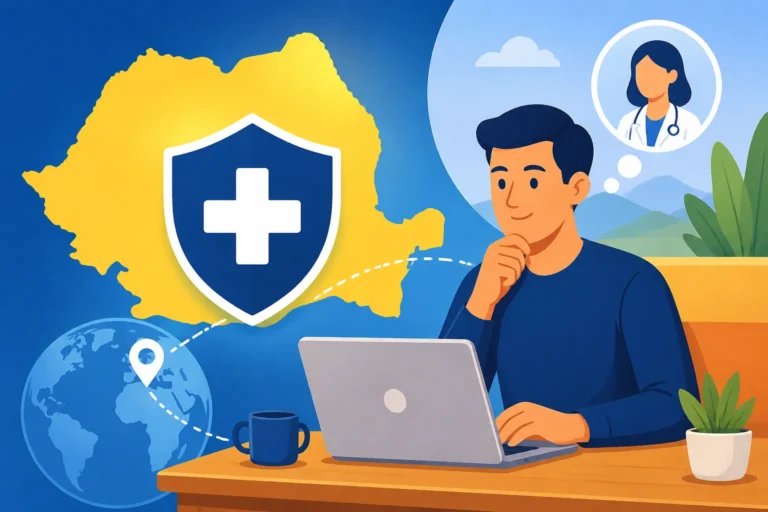
Moving to Romania is an exhilarating leap into a world of stunning landscapes and vibrant cities, but it often comes with a reality check the first time you try to navigate the local medical system. Many foreigners find themselves stuck between a public system that feels like a bureaucratic maze and a private sector that is high-quality but confusingly segmented. This guide clarifies how to evaluate and choose a private health insurer in Romania to ensure you receive the care you deserve without the stress.
Understanding the Romanian Healthcare Divide: Public vs. Private
When you first arrive, you will likely hear about CASS, the mandatory contribution to the public health system. While this provides a safety net, the reality on the ground in cities like Bucharest or Cluj-Napoca is that most expats prefer private alternatives for their speed and comfort. The public system is known for long waiting lists and facilities that might not always meet Western expectations regarding administrative efficiency.
Before diving into private insurance, it is vital to understand Public vs Private Healthcare in Romania: Which Should Expats Choose? to see how they interact. Even if you are paying into the public system, having a private backup is essentially a requirement for peace of mind. Private care in Romania is generally divided into two categories: "Abonaments" (medical subscriptions) provided by specific clinic networks, and comprehensive health insurance policies.
Choosing between these requires looking at your lifestyle. Are you a digital nomad moving every few months, or are you settling down long-term? For those who travel frequently across borders, an international provider like SafetyWing offers the flexibility that local Romanian plans often lack. SafetyWing is particularly popular among the remote work community in Romania because it covers you both locally and during trips abroad, bridging the gap between local residency and global mobility.
Private Health Insurance vs. Medical Subscriptions (Abonament)
This is where most expats get confused. In Romania, the big medical players like Regina Maria, MedLife, and Sanador offer "Abonaments." These are not insurance policies in the traditional sense; they are pre-paid subscriptions that give you free or discounted access to their specific clinics. If you need a routine blood test or a quick consultation with a dermatologist, an abonament is fantastic.
However, if you have a major accident or require complex surgery, an abonament might only offer a small discount on the hospital stay, leaving you with a massive bill. This is why Understanding Private Health Insurance and Subscriptions (Abonament) in Romania is the first thing you should research. A true private insurance policy, whether from a local company like Allianz-Țiriac or an international provider, covers the high-cost risks that a subscription does not.
If you are a young professional with no chronic issues, a basic abonament might feel like enough. But for families or those with specific health concerns, combining a subscription for daily needs with a robust insurance policy is the standard "pro-move" for veterans in the country. You can find more details on this in our guide on Understanding Private Clinics and Medical Networks (Regina Maria, MedLife) in Romania.
Key Factors to Consider When Choosing Your Insurer
Selecting a provider isn't just about the monthly premium; it is about the "hidden" experience of being a patient. In Romania, the "Direct Settlement" feature is king. This means the insurer pays the hospital directly, so you don't have to pay thousands of Euros out of pocket and wait months for reimbursement.
When evaluating a policy, ask the following questions:
- Network Breadth: Does the insurer work with the major private hospitals in your specific city? If you live in Timișoara, an insurer that only has partnerships in Bucharest is useless to you.
- English-Speaking Support: This is non-negotiable. You do not want to be translating medical jargon during an emergency. Ensure the insurer has a 24/7 English helpline.
- Exclusions and Waiting Periods: Many local plans have a 6-month waiting period for certain treatments. If you are looking for immediate coverage, check if the provider allows you to skip this.
- International Coverage: If you visit home or travel within the EU, does your policy follow you? This is a primary reason why many choose SafetyWing, as it simplifies the transition between being a resident in Romania and a traveler in the rest of the world.
Cost is obviously a factor, and you should review How Much Does Private Health Insurance Cost in Romania in 2026? to get a sense of the current market rates. Keep in mind that prices have been rising alongside Romania's growing economy, so "cheap" policies often come with high deductibles or very low annual caps.
Comparison of Healthcare Options in Romania
To help you visualize your choices, here is a breakdown of how the different levels of coverage typically function for an expat living in Romania.
| Option Type | Best For | Pros | Cons |
|---|---|---|---|
| Public (CASS) | Legal residency requirements | Low cost (if employed); covers everything in theory | Long waits; bureaucratic; facilities vary greatly |
| Medical Subscription | Routine checkups & GP visits | Fast access to clinics; no paperwork; easy to get | Limited hospital coverage; restricted to one network |
| Local Private Insurance | Families & Long-term residents | High coverage limits; direct settlement in Romania | Harder to use abroad; complex Romanian contracts |
| International Insurance | Digital Nomads & Frequent Travelers | Global coverage; English-first support; very flexible | May require reimbursement for small local visits |
When you are looking at international options, SafetyWing stands out because it was designed specifically for the modern expat. It provides a middle ground: it’s more comprehensive than a simple travel policy but more flexible than a rigid local corporate plan.
Navigating the Registration and Documentation Process
Once you have chosen a provider, the administrative work begins. Romania is a country that still loves its paperwork. To get a private insurance policy or a medical subscription, you will almost certainly need your CNP (Personal Numeric Code). If you are still in the process of getting your residency permit, you might find it difficult to sign up for certain local plans.
If you are struggling with this step, read our guide on What Documents Do I Need to Get a CNP in Romania to speed up the process. Without a CNP, many local insurers will either refuse you or charge a significant "non-resident" premium. This is another area where international providers have an advantage, as they usually only require a passport and a credit card to get started.
Furthermore, once you have your insurance, you still need a local point of contact. Even with the best private insurance, you should learn How to Choose and Register with a Family Doctor (Medic de Familie) in Romania. Your family doctor is the gatekeeper of the system, and even if you go to a private clinic, having a registered family doctor allows you to get official medical certificates and prescriptions that are recognized by the state.
Practical Tips for Using Your Private Insurance in Romania
Having the card in your wallet is only half the battle. When you actually get sick, the "Romanian way" of doing things can still be surprising. Most private clinics require you to book everything through a call center or a mobile app.
- The App Culture: Networks like MedLife and Regina Maria have excellent apps. Use them to book appointments, as the phone lines can have long wait times.
- Finding the Right Specialist: Not every doctor in a private clinic speaks perfect English. Use our resources to learn How Do I Find an English-Speaking Doctor in Romania before you actually need one.
- Emergency Care: Remember that for life-threatening emergencies, everyone in Romania usually goes to the public emergency rooms (UPU) because they have the most advanced trauma equipment. Your private insurance will then help you transfer to a private wing once you are stabilized. Check Health Insurance in Romania: Mandatory, Private and Travel Options Explained for a deeper look at emergency protocols.
If you are using a provider like SafetyWing, always keep your digital insurance ID on your phone. In many private clinics in Bucharest, showing your digital ID is enough to start the "letter of guarantee" process, which ensures the clinic gets paid by the insurer directly.
Choosing a private health insurer in Romania is a balancing act between local convenience and global protection. Whether you go for a major local network subscription or a flexible international plan, the goal is to spend less time worrying about bills and more time enjoying the incredible culture and community that Romania has to offer.
Disclaimer
The information provided in this article is for general informational purposes only and does not constitute professional medical, legal, or financial advice. Healthcare regulations and insurance terms in Romania can change frequently. Always consult with a qualified insurance broker or legal professional before signing any contracts. We do not guarantee the accuracy of third-party pricing or policy details.