How Do I Set Up Direct Debit for Bills in Romania?
One of the biggest headaches when you first arrive in Romania, after the initial excitement wears off, is often figuring out how to manage your daily life – and top among those challenges is handling bills. Gone are the days of automatic, seamless direct debits for everything, or at least, the system here works a little differently, which can be a real source of frustration. You're trying to settle in, explore, maybe even learn a few Romanian phrases, and suddenly you're faced with a stack of paper bills or perplexing online portals. This guide is here to cut through the confusion and walk you through how to set up direct debits for your essential services in Romania, ensuring your utilities and other payments are handled with minimal fuss.
Understanding Direct Debits in Romania: What to Expect
Let's be honest, if you're coming from a country where setting up a direct debit for literally everything – from your phone bill to your gym membership – is as easy as ticking a box, Romania’s system might feel like a step back in time. The concept of a "direct debit" as a universal, one-click solution isn't quite as prevalent here, especially for certain types of bills. However, this doesn't mean it's impossible; it just means you need to know where to look and what to ask for.
In Romania, direct debits are generally called "plăți recurente" (recurring payments) or "mandat direct" (direct mandate), and they are most commonly facilitated directly through your bank for payments to certain major utility providers or for loan repayments, credit card bills, and subscriptions. It’s not always an option offered by every single mom-and-pop service provider or small landlord. This distinction is crucial because it sets expectations and helps you prepare for what might sometimes feel like a more manual approach to bill payment than you're used to.
How Romanian Banks Handle Recurring Payments
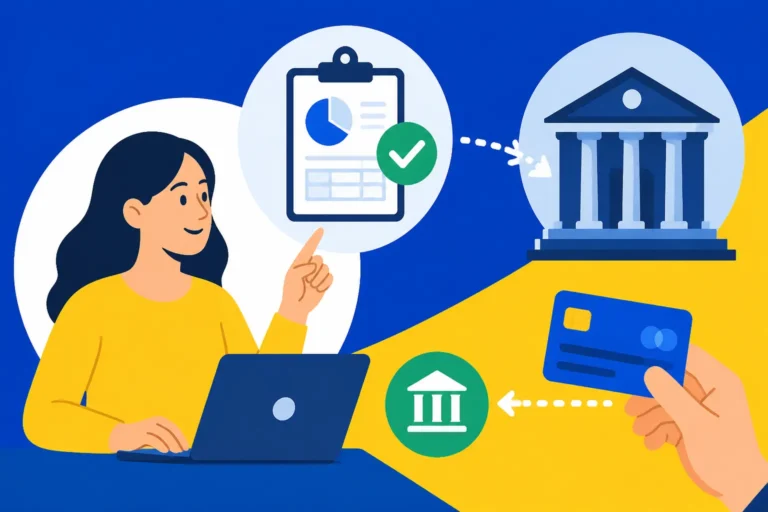
Your bank will be your primary partner in setting up recurring payments. Major Romanian banks like Banca Transilvania, BCR, ING Bank, and Raiffeisen Bank all offer robust online banking platforms that allow you to manage your finances, including setting up recurring payments. The key is understanding that these aren't always true "direct debits" in the sense that the service provider pulls the money from your account. Instead, for many utilities, you might be setting up a "standing order" (ordin de plată permanent) where you instruct your bank to push a specific amount on a specific date to a specific recipient. Some larger providers do have agreements with banks for true direct debits, where the bank automatically pays the exact amount requested by the provider. It's a subtle but important difference, especially if your consumption varies each month.
When you're first navigating your financial life here, understanding How to Choose the Best Bank for Expats in Romania can make a huge difference in how smoothly you manage these things. You’ll find that while all major banks offer similar core services, the user experience of their online platforms or the availability of English-speaking staff can vary significantly. Once you've opened your account, getting familiar with How to Set Up Online Banking and Instant Payments in Romania is your next essential step, as this will be your main portal for managing most of your bills.
The Role of Utility Providers and Online Platforms
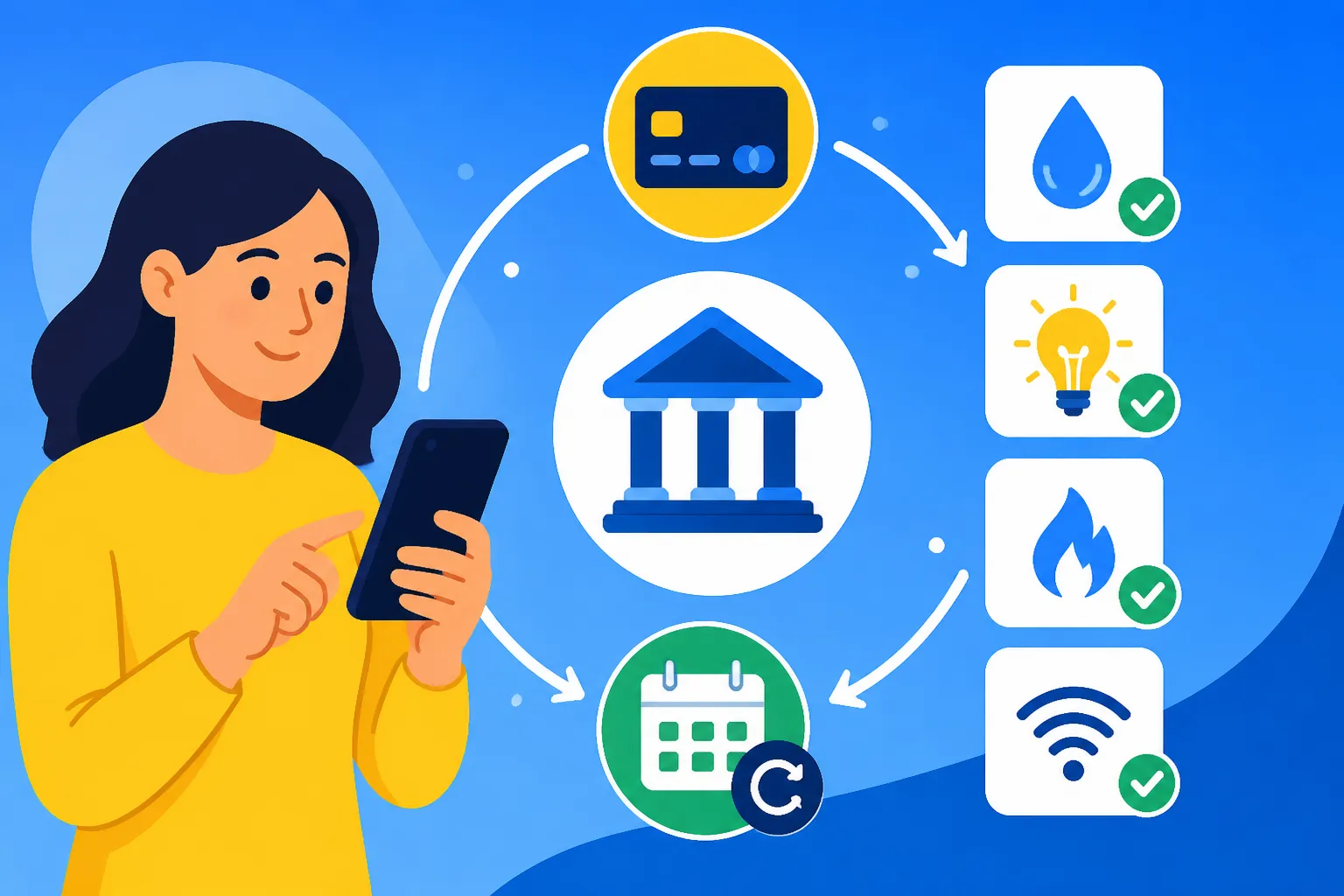
Beyond your bank, the utility providers themselves play a significant role. For big players like Enel (electricity), Engie (gas), Digi (internet/TV/mobile), Vodafone, or Orange, you'll often have multiple ways to pay, and setting up an actual direct debit might be one of them. Many of these companies have their own online customer portals where you can manage your account, view bills, and, crucially, set up recurring payments directly from your bank account or even with a credit/debit card.
It’s often a chicken-and-egg situation: you need to have an account with the utility provider, and they need to have issued you at least one bill, before you can link your bank account for recurring payments. This is where patience is key. Setting up The Expat Guide to Setting Up Utilities in Romania is a process in itself, and once those are established, you can move on to automating payments. Don't be surprised if the initial month or two requires manual payments until the system fully kicks in.
Step-by-Step Guide to Setting Up Direct Debit for Bills
Alright, let's get down to brass tacks. Setting up direct debits (or the closest Romanian equivalent) involves a few key steps. It's not always a single path for every bill, but generally, you'll either initiate it through your bank or directly with the service provider.
Option 1: Setting Up Through Your Bank
This is often the most straightforward method for major utility bills and credit repayments.
- Open a Romanian Bank Account: First and foremost, you need a local bank account. If you haven't already, check out The Expat Guide to Opening a Bank Account in Romania for all the details on what documents you'll need.
- Access Your Online Banking Platform: Log in to your bank's online or mobile banking platform. This is where you’ll manage most of your recurring payments. If you're new to the system, take some time to explore.
- Navigate to Payments/Transfers Section: Look for options like "Plăți," "Transferuri," "Plăți Utilități" (Utility Payments), or "Mandate Directe" (Direct Debits). The exact terminology varies by bank.
- Identify the Beneficiary: You'll need to find the specific utility provider or company you wish to pay. Many banks have a pre-populated list of common providers (e.g., Enel, Engie, Digi, Vodafone). If not, you might need to add a new beneficiary using their full name and unique identifier, like a CIF (Cod de Identificare Fiscală – fiscal identification code).
- Enter Payment Details: This is crucial. You'll typically need your customer code (cod client) or account number (număr de cont) with the utility provider. This information is always found on your physical or electronic bill. Ensure it's entered correctly, as this is how the bank links your payment to your specific account with the utility company.
- Choose Payment Type:
- Direct Debit (Mandat Direct): For some large providers, your bank might have a direct agreement. You authorize the bank to pay the exact amount requested by the provider each month. This is the most "set and forget" option. You typically need to sign a mandate form, either digitally within the banking app or sometimes physically at a branch.
- Standing Order (Ordin de Plată Permanent): If a direct debit isn't available, you can set up a recurring payment where you specify a fixed amount and a frequency (e.g., 200 Lei on the 25th of every month). This works best if your bill amounts are very stable. However, be mindful that if your bill exceeds this amount, you'll need to pay the difference manually.
- Recurring Card Payment: Some banks also allow you to save your credit/debit card details for recurring payments to certain merchants.
- Confirm and Authorize: Review all details carefully. You'll usually need to authorize the setup using a secure method, like an SMS code or a token generated by your mobile app.
Option 2: Setting Up Directly with the Utility Provider
Many utility companies offer their own portals for managing recurring payments. This is often the simplest way to set up a true direct debit where the exact, variable amount is pulled each month.
- Register for an Online Account: Visit the website of your electricity provider (e.g., Enel.ro), gas provider (e.g., Engie.ro), or internet/mobile provider (e.g., Digi.ro, Vodafone.ro, Orange.ro). You'll typically need to register using your customer code and possibly a recent bill number or your CNP.
- Locate the "Payment Options" or "Manage My Account" Section: Once logged in, look for sections related to billing, payments, or account management.
- Find "Recurring Payments" or "Direct Debit": Here, you should find an option to set up automatic payments.
- Enter Bank Details: You'll usually be asked to provide your IBAN (International Bank Account Number) and the name of your bank. They might also ask for your CNP.
- Authorize the Mandate: You'll electronically agree to a direct debit mandate, authorizing the company to request payments directly from your bank account for your bills. This digitally signed agreement is what allows them to pull the funds.
- Confirmation: You should receive an email confirmation that your recurring payment has been set up. Keep this for your records.
Pro-Tip for New Arrivals: When you're first moving in and sorting out your services, keep a keen eye on How Do I Understand My Utility Bills (Facturi) in Romania?). Those bills contain all the crucial information you'll need to set up direct debits, from your customer number to the exact beneficiary details.
Here's a quick comparison of common methods:
| Payment Method | Initiated By | Flexibility (Fixed/Variable) | "Set and Forget" Factor | Typical Use Case |
|---|---|---|---|---|
| Bank Direct Debit (Mandat Direct) | Bank/Provider | Variable | High | Major utilities, loan repayments |
| Bank Standing Order (Ordin de Plată Permanent) | Bank | Fixed | Medium | Fixed rent, regular transfers, predictable bills |
| Utility Provider Recurring Payment | Provider | Variable | High | Electricity, gas, internet, mobile phone bills |
| Manual Online Banking Transfer | You | Variable | Low | Any bill, ad-hoc payments, when DD not available |
| Manual Over-the-Counter | You | Variable | Very Low | Any bill, for those preferring cash or no bank access |
Alternative Payment Methods When Direct Debit Isn't an Option
Even with the best intentions, you might find that not all your bills can be set up via direct debit or a recurring payment. This is perfectly normal in Romania, and it’s important to be prepared for it. For expats, this can be a bit of a shock, especially if you’re used to a fully automated system. But fear not, there are several reliable alternatives to ensure your bills are paid on time.
Online Banking Transfers (Ordin de Plată)
This is probably the most common way to pay bills that aren't set up as direct debits. Every month, you'll log into your online banking platform and manually initiate a transfer. You'll need:
- Beneficiary Name: The full name of the company or person you're paying (e.g., "Furnizor de Energie Electrică SA" or your landlord's name).
- Beneficiary IBAN: The recipient's International Bank Account Number. This is essential for the funds to reach the correct account.
- Amount: The exact amount from your bill.
- Payment Details (Detalii Plată/Explicații): This is absolutely critical! Always include your customer code (cod client) or the invoice number (număr factură) here. Without this, your payment might not be correctly allocated to your account by the utility provider, leading to headaches and potential service interruptions.
Many expats find this a minor inconvenience once they get into the rhythm. Remember, details matter! Double-checking every number before confirming is a habit you'll quickly adopt. If you sometimes receive your income in a foreign currency, services like Wise can be incredibly helpful for transferring funds to your Romanian account at competitive exchange rates before you make your local payments. This way, you can easily cover your expenses here.
Ghișeul.ro and Other Payment Platforms
Romania has made strides in digitalizing payments, and one fantastic resource is Ghișeul.ro. This is a government-backed online platform where you can pay various local and national taxes and fees, and for some cities, even utility bills. Not all utility providers are integrated yet, but it’s worth checking if yours is. The platform is secure and relatively user-friendly.
Additionally, many major utility providers now partner with payment aggregators or have their own apps. For example, some may allow payments via an app like Pago, or offer payment directly on their website using a credit/debit card. While not direct debits, these are quick online methods that save you a trip to the bank or post office.
Cash Payments at Partner Locations
For those who prefer cash or whose providers don’t offer robust online options, paying over the counter is always an option. You can typically pay utility bills at:
- Banks: Most bank branches will accept payments for major utility providers, even if you don't have an account with that specific bank. There might be a small fee.
- Post Offices (Poșta Română): The Romanian Post Office is a reliable place to pay most utility bills. Just bring your physical bill, and they will process the payment.
- PayPoint / SelfPay / Un-Doi Centru de Plăți: These are networks of payment terminals often found in supermarkets, convenience stores, and dedicated kiosks. You scan your bill's barcode or enter your customer code and pay with cash or card. They are incredibly convenient for quick payments.
It’s good to have these options in your back pocket, especially if you’re still getting your CNP or don't have your bank account fully set up.
Tips for Managing Bills and Avoiding Headaches
Living in a new country, even one as welcoming as Romania, comes with its own set of administrative quirks. Managing bills can initially feel like navigating a minefield, but with a few strategies, you can turn it into a smooth routine.
Keep Meticulous Records
This might sound old-fashioned, but trust me, it’s a lifesaver. Whether it's a digital folder on your computer or a physical folder, keep copies of all your utility contracts, bills, and payment confirmations. If a dispute ever arises (and they sometimes do!), having clear records will save you immense stress. This includes initial activation documents for services like electricity, gas, and internet, as well as every monthly bill, especially when you're still figuring out How Do I Set Up Electricity After Moving Into a Romanian Apartment? or How Do I Set Up Gas and Heating in My Romanian Apartment?.
For anyone contemplating setting up their own business or navigating the local tax landscape, keeping detailed records of all income and expenses, including utility bills, is paramount. Reputable services like Taxes for Expats can provide invaluable advice on navigating Romanian tax regulations, which will certainly require good record-keeping.
Set Reminders
It’s easy to forget a bill when you’re not used to the payment schedule. Use your phone's calendar, a dedicated app, or even a simple spreadsheet to track due dates. Many utility providers send email notifications, but it’s always wise to have your own system as a backup. Missing a payment can lead to late fees or, worse, service disconnection.
Understand Billing Cycles and Due Dates
Bills in Romania generally come out monthly, but the exact date can vary by provider. For example, your internet bill might arrive on the 10th and be due on the 25th, while your electricity bill might arrive on the 15th and be due on the 1st of the next month. Take the time to understand each provider's cycle, so you can plan your payments accordingly. It helps immensely to know when to expect each bill.
Consider a Separate "Bills" Fund
If your income fluctuates or you're budgeting carefully, consider setting aside a specific amount in a separate savings account (or even a distinct digital wallet if your bank allows it) each month to cover your recurring bills. This helps ensure you always have funds available when payments are due. When you're transferring money to Romania from abroad to cover these costs, using platforms like Wise can help you save on exchange rates and fees, ensuring more of your money goes directly to your bills.
Don't Hesitate to Contact Customer Service
If you encounter an issue or simply can't figure out how to set up a specific payment, reach out to the customer service of your bank or utility provider. While English support isn't universally guaranteed, many larger companies, especially in major cities, do offer English-speaking assistance. Have your customer code and bill handy when you call. Patience and politeness go a long way here.
Ultimately, setting up direct debits and managing bills in Romania requires a bit of upfront effort and understanding that the system may not be identical to what you're accustomed to. But once you get the hang of it, you'll find reliable ways to keep everything flowing smoothly, leaving you more time to enjoy your expat life. And remember, when dealing with multiple currencies and international transfers, tools that simplify money management, like Wise, can be incredibly beneficial.
Disclaimer
The information provided in this guide is intended for general informational purposes only and does not constitute financial, legal, or professional advice. While we strive to provide accurate and up-to-date information, regulations and procedures in Romania can change. It is always recommended to consult with relevant financial institutions, utility providers, or legal professionals for advice tailored to your specific situation.