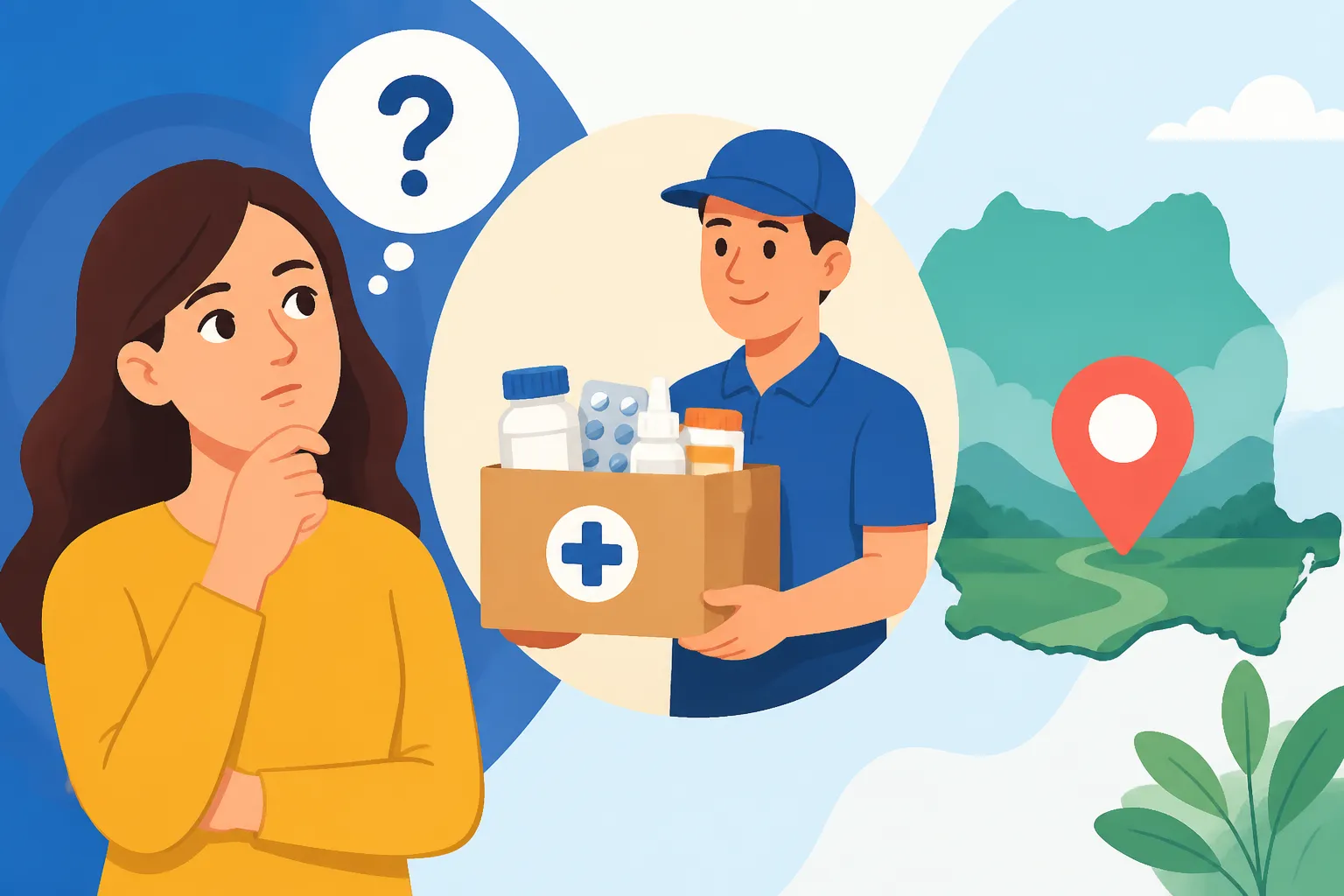
Can I Get My Prescriptions Delivered in Romania?
When you're new to Romania and suddenly find yourself under the weather, perhaps even battling a nasty flu, the last thing you want to do is drag yourself out of bed to fetch a prescription. In many countries, the convenience of having medications delivered straight to your door is a given, but here in Romania, the system operates a little differently, and it can certainly be a source of frustration for us expats trying to navigate it while feeling unwell. This guide will walk you through the realities of prescription delivery in Romania, offering practical insights and workarounds to ensure you get the medications you need, even when direct delivery isn't an option.
The Traditional Romanian Pharmacy Experience: A Culture of Presence
Moving to a new country often means recalibrating your expectations, and the pharmacy experience in Romania is definitely one of those areas. While you might be accustomed to pharmacies in your home country offering a suite of convenient services, including home delivery, Romania tends to stick to a more traditional model, especially when it comes to prescription medications.
Pharmacies Are Everywhere, But Delivery Isn't Standard
One thing you'll quickly notice in any Romanian city, big or small, is the sheer abundance of pharmacies. You'll find a "Farmacie" (the Romanian word for pharmacy) on almost every street corner, often with multiple major chains like Catena, Dr. Max, and Sensiblu within a stone's throw of each other. This density is fantastic for accessibility if you can physically get there, but it doesn't automatically translate to widespread delivery services for prescription items. For over-the-counter (OTC) medications, supplements, cosmetics, and other non-prescription health products, many major chains and online pharmacies have embraced delivery. However, when it comes to actual prescription drugs, the landscape shifts dramatically.
Why In-Person Visits Rule
The deep-rooted culture of in-person pharmacy visits for prescriptions stems from several factors, primarily regulatory ones. Romanian law, much like in many other European countries, places strict controls on the dispensing of prescription medications. A pharmacist is required to personally verify the validity of a prescription, sometimes compare it with your electronic health card (Cardul de Sănătate), and offer advice directly to the patient or their authorized representative. This face-to-face interaction is seen as a critical safeguard to ensure proper medication use, prevent misuse, and address any potential contraindications or questions you might have.
This means that while the idea of a courier dropping off your antibiotics might sound ideal, the legal framework often mandates that personal touch point at the pharmacy counter. It's not about a lack of technology or willingness; it's about adherence to regulations designed for patient safety, which can feel incredibly inconvenient when you’re genuinely ill.
The Initial Expat Gauntlet: Language, Legitimacy, and Logistics
For a newcomer, the first few times you need a prescription filled can feel like navigating a maze blindfolded. You might have a prescription from your The Expat Guide to Finding a Family Doctor (Medic de Familie) in Romania, but then comes the challenge:
- Language Barrier: Explaining your needs or understanding a pharmacist's advice in Romanian when you're feeling unwell is a significant hurdle. While many pharmacists in larger cities speak some English, it's not guaranteed, especially in smaller towns.
- Unfamiliarity with Brands: The medication names might be different from what you're used to, even if the active ingredients are the same. This can lead to confusion and anxiety.
- Understanding the Process: Knowing whether you need your CNP, health card, or just the physical paper prescription is something you learn through trial and error, or thankfully, through guides like this! The intricacies of How Do I Use an Electronic Prescription at a Pharmacy in Romania? can be particularly baffling at first.
These initial challenges make the lack of readily available prescription delivery even more pronounced and frustrating for expats who just want a simple, straightforward process.
Navigating the Digital Divide: Online Pharmacies and Delivery Realities
While the traditional model still holds strong for prescription medicines, the digital age hasn't completely bypassed Romanian pharmacies. There's a clear distinction, however, between what you can order online for delivery and what requires an in-person visit.
What Can You Get Delivered? Over-the-Counter vs. Prescription Medications
This is the critical distinction you need to understand: for the vast majority of online pharmacy platforms in Romania, home delivery is primarily available for non-prescription products. This includes:
- Over-the-counter (OTC) medications: Think paracetamol, ibuprofen, cold and flu remedies, antacids, etc.
- Supplements: Vitamins, minerals, protein powders.
- Dermocosmetics and personal care items: Skincare, hair care, oral hygiene products.
- Medical devices and supplies: Bandages, thermometers, blood pressure monitors, certain types of orthopedic supports.
- Baby products: Formula, diapers, skincare.
For these items, you can often browse extensive catalogues online, add items to your cart, and have them delivered to your doorstep within a few days, sometimes even the next day, depending on the retailer and your location. However, when it comes to anything that requires a doctor's prescription – antibiotics, certain painkillers, chronic medication, etc. – direct home delivery from the pharmacy is highly restricted, if not outright unavailable, through standard online ordering processes.
Major Chains and Their Online Footprint: Catena, Dr. Max, Sensiblu, Farmacia Tei
Almost all the big pharmacy chains in Romania have robust online platforms for their non-prescription offerings. Let's look at some examples:
- Farmacia Tei: This chain is renowned for its competitive prices and massive selection, often operating warehouse-style pharmacies with very large stock. Their online shop is incredibly popular for OTC items, supplements, and cosmetics, offering nationwide delivery services. You can often find great deals here, but again, for prescription medications, you're usually looking at an in-store pickup.
- Catena, Dr. Max, and Sensiblu: These are ubiquitous pharmacy chains across Romania. They all have online presences where you can order a wide range of products for home delivery. Their websites are generally user-friendly, and they frequently run promotions. However, just like with Farmacia Tei, when you try to add a prescription-only medication to your cart, you'll typically find that delivery is not an option, and you'll be prompted for in-store pickup instead.
While these online stores are a boon for convenience regarding non-prescription items, they do little to solve the expat's dilemma of getting a prescribed medication when unable to leave the house.
The 'Click & Collect' Model: A Stepping Stone, Not a Solution
What many pharmacies do offer for prescription items is a "click & collect" or "reserve online, pick up in store" service. This allows you to:
- Check the availability of your prescribed medication at a specific pharmacy location.
- Reserve it online or via their app.
- Go to the chosen pharmacy (or send an authorized person) with your original prescription (paper or electronic) and your health card (if applicable) to pick it up and pay.
This is a helpful service for ensuring your medication is in stock before you make the trip, saving you from potentially visiting multiple pharmacies. However, it still fundamentally requires someone to physically go to the pharmacy. It’s a step towards digital integration but falls short of true home delivery for prescription items. It definitely makes Navigating the Romanian Healthcare System: An Expat's Roadmap (2027) a little easier by cutting down on wasted trips.
The Elusive Prescription Delivery: Exceptions and Emerging Solutions
Given the strict regulations, truly getting a prescription-only medication delivered directly to your home in Romania isn't a widespread or easy option. It's crucial for expats to understand that this isn't like ordering food or groceries; it involves specific legal and ethical considerations.
Strict Regulations Around Prescription Medications
The core reason for the lack of widespread prescription delivery lies in the very specific legislative framework that governs the sale of medicines. The requirement for a pharmacist to physically see and validate a prescription, often needing the patient's ID and health card, means that a simple courier delivery bypasses these critical checks. The process ensures that:
- The prescription is valid and hasn't expired.
- The medication is appropriate for the patient and there are no obvious drug interactions (though your The Expat Guide to Finding a Family Doctor (Medic de Familie) in Romania handles most of this).
- The patient receives correct information on usage, dosage, and potential side effects.
- The transaction is properly recorded in the national health system.
These are not trivial requirements, and circumventing them for convenience is not permitted by Romanian health authorities.
Rare Cases and Special Circumstances for Home Delivery
While general prescription delivery is not the norm, there are a few very limited exceptions and special scenarios that might allow for it, though these are typically not available for the average expat seeking their usual meds:
- Hospital Discharge Medications: In specific cases, a hospital might arrange for discharge medications to be delivered to a patient's home, particularly if the patient has severe mobility issues or a complex care plan. This is usually part of a larger, coordinated medical service.
- Specialized Medical Programs: For certain chronic conditions or rare diseases requiring specific, often high-cost medications, there might be dedicated patient support programs that include delivery services. These are highly specialized and not for general use.
- Experimental or Pilot Programs: Occasionally, there might be pilot projects testing limited delivery services, especially in the context of telemedicine initiatives. However, these are not widespread or guaranteed.
- Elderly or Immobile Patients: Very rarely, local social services or specific pharmacies might have informal arrangements for delivery to severely ill, elderly, or immobile patients who have no other means of obtaining their medications and a valid, authorized prescription. This is more of a community-based exception than a standard commercial service.
These are not options that most expats will be able to rely on for their day-to-day prescription needs.
The Role of Third-Party Delivery Services
You might be wondering about popular third-party delivery apps like Glovo or Tazz. Can you just use them to send someone to the pharmacy?
The answer, for actual prescription medications, is generally no, at least not directly through the app's standard ordering process where the driver acts as the purchaser. These platforms are primarily for food, groceries, and sometimes non-prescription items from pharmacies (like OTCs, cosmetics, etc.). They are not authorized to pick up and deliver prescription drugs because they cannot legally verify the prescription, the patient's identity, or provide pharmaceutical advice.
However, you could potentially use such a service in a roundabout way: if you have a friend or trusted acquaintance who is willing to pick up your medication, and they then use a delivery service to send it to you, that's a personal arrangement. But the direct transaction from pharmacy to third-party delivery driver for a prescription item is generally not permitted under Romanian law. It's a key difference when compared to more advanced pharmaceutical delivery markets.
Practical Strategies and Workarounds for Expats Needing Medications
Since direct prescription delivery is largely off the table for us, it's essential to have a solid plan B (and C!). Many expats find these strategies become second nature over time.
Leaning on Your Medic de Familie and the Rețeta Electronică
Your The Expat Guide to Finding a Family Doctor (Medic de Familie) in Romania is your absolute anchor in the Romanian healthcare system, and they play a crucial role here. Most prescriptions today are issued as a rețetă electronică or electronic prescription.
- How it works: Your doctor enters the prescription into the national electronic system. You then receive either a printed version of this electronic prescription with a barcode, or sometimes just a number.
- Picking up: To pick up the medication, you or an authorized person (with your physical health card or a copy of your ID and the electronic prescription printout/number) must go to any pharmacy. The pharmacist scans the barcode or enters the number, verifies your identity, and dispenses the medication.
- Authorizing someone else: This is your best bet for "delivery." If you're too ill, ask a friend, colleague, or even a landlord/neighbor whom you trust. They will need your ID (a photo of it is usually sufficient, but sometimes they might ask for the physical card or a health card), and the electronic prescription. It's always best if they also have a copy of your health insurance card, even if you are using private healthcare or travel insurance like SafetyWing for other services, as the local pharmacies might ask for the CASS card or relevant details.
This system, while requiring a physical presence, is designed to be flexible enough for someone else to collect on your behalf, which is the closest you'll get to "delivery" for prescription items.
The Power of Your Network: Friends, Family, or Trusted Helpers
This is often the most reliable "delivery service" for expats in Romania. Build a good network, and don't be afraid to ask for help when you're truly incapacitated.
- Expat Communities: Reach out to expat groups on social media. Many communities are incredibly supportive, and someone might be willing to lend a hand. Just be cautious about giving out sensitive information.
- Trusted Colleagues/Acquaintances: If you have colleagues you trust, they might be willing to pick up your medication on their way home from work.
- Local Friends/Neighbors: Romanians are often very helpful, especially when they see someone in need. A friendly neighbor might be your best asset.
Always ensure the person picking up your medication has all the necessary details: your full name, CNP (if you have one), the electronic prescription number or printout, and ideally, your health card or a clear photo of your ID. For more information on getting your CNP, check out How to Get Your CNP (Personal Numeric Code) for Healthcare Access in Romania.
Considering Private Healthcare and Telemedicine Options
Private clinics and healthcare networks like MedLife or Regina Maria are a lifesaver for many expats in Romania, offering English-speaking staff and generally shorter waiting times. While they don't typically offer home delivery of prescriptions themselves, they can facilitate the process in other ways:
- Telemedicine Consultations: Many private clinics now offer online consultations. If your doctor deems it appropriate, they can issue an electronic prescription which you can then send to your trusted helper to pick up.
- Concierge Services (Rare): Some premium private health insurance plans or memberships might offer a form of concierge service that could include medication pickup and delivery. This is rare and usually comes with a hefty price tag, but it's worth checking with your private provider if you have one.
- Private Nurse/Caregiver Services: If you are severely ill or recovering from surgery, you might hire a private nurse or caregiver who, as part of their duties, could pick up your prescriptions.
Even if you rely on public healthcare, it's worth knowing about the role of private options, especially if you have private health insurance. For instance, if you're covered by a global travel and medical insurance like SafetyWing, while they won't deliver your prescriptions, they will certainly help with the cost of consultations or medications, making private care more accessible when you're ill and need a swift electronic prescription.
Planning Ahead: Stocking Up and Communication
A little foresight can save you a lot of hassle.
- Renew Prescriptions Early: Don't wait until you're down to your last pill, especially for chronic conditions. Talk to your family doctor about renewing your prescriptions with ample time to spare.
- Maintain a Buffer: If possible, try to keep a small buffer of essential medications.
- Communicate with Your Doctor: If you anticipate needing help getting your medications, discuss it with your doctor. They might offer advice or even suggest local contacts if you're in a pinch.
- Understand Prescription Medications and Pharmacies in Romania: The Complete Guide: A thorough understanding of this topic will put you miles ahead.
Challenges and Considerations for Expats
Navigating the Romanian pharmacy system for prescriptions, even with workarounds, comes with its own set of challenges. Being aware of them can help you prepare.
Ensuring Authenticity and Correct Medication
When someone else is picking up your medication, there’s always a small risk of miscommunication or error, especially if there's a language barrier involved.
- Clear Instructions: Provide very clear instructions to the person collecting your meds. Write down the medication name (active ingredient and brand name), dosage, and frequency.
- Photos: Take a photo of your prescription and any existing medication packaging to show the person.
- Verification: When the medication arrives, always double-check it against your prescription. Ensure the name, dosage, and quantity are correct before you start taking it. Don't be shy about asking questions at the pharmacy, even if someone else is there for you.
Understanding Costs and Coverage
For prescription medications, your costs will depend heavily on your health insurance status.
- Public Health Insurance (CASS): If you are registered for Registering for Public Health Insurance (CASS) in Romania (2027) and have an active health card, many prescription medications are subsidized, meaning you pay only a percentage of the cost or sometimes nothing at all. This requires your health card or CNP to be presented at the pharmacy.
- Private Health Insurance: If you rely solely on private insurance, such as an expat health plan from SafetyWing, you'll likely pay the full price for your medication at the pharmacy and then submit a claim to your insurer for reimbursement. It's crucial to understand your policy's specifics regarding medication coverage. How Much Does Private Health Insurance Cost in Romania in 2026? can give you an idea of potential expenses.
- No Insurance/Tourist: If you don't have local health insurance, you will pay the full, unsubsidized price for all medications. Even for Emergency Medical Care in Romania: What Every Expat Needs to Know, there might be costs if you're not covered.
Always ask the pharmacist about the price before they dispense, especially if you’re paying out of pocket. You can also refer to The Cost of Healthcare in Romania: A Complete Breakdown for Foreigners (2026) for a broader financial perspective.
The Language Barrier in a Critical Situation
As mentioned, communication can be tough. If you're seriously ill and relying on someone else, this barrier can heighten anxiety.
- Translation Apps: Have a translation app ready on your phone or your helper's phone.
- Phrasebook: Keep a small list of essential Romanian medical phrases handy.
- English-Speaking Pharmacies: In larger cities like Bucharest, Cluj-Napoca, or Timișoara, some pharmacies might advertise English-speaking staff, especially those in central or expat-dense areas. While these don't offer delivery, they can make the pickup process less stressful. You can find more tips on How to Find an English-Speaking Doctor in Romania which can help with the initial prescription.
Here's a quick comparison of options:
| Service Type | For OTC Items | For Prescription Items | Requirements | Convenience Level (for Expats) |
|---|---|---|---|---|
| Online Pharmacy (Delivery) | Yes, widespread | Very limited/No (direct home delivery) | None (for OTC); Not applicable for Rx | High (OTC); Low (Rx) |
| Online Pharmacy (Click & Collect) | Yes | Yes | Original prescription (paper/electronic), ID/Health Card | Medium (requires pickup) |
| Third-Party Delivery Apps | Yes (for OTC) | No (for Rx, due to legal restrictions) | None (for OTC); Not applicable for Rx | High (OTC); Very Low (Rx) |
| Friend/Family Pickup | Yes | Yes, most common workaround | Original prescription (paper/electronic), Patient ID/Health Card info | High (if you have a network) |
| Special Medical Programs | N/A | Highly specific cases, not general | Strict medical criteria, program enrollment | Very Low (limited eligibility) |
| Traditional Pharmacy Visit | Yes | Yes, standard method | Original prescription (paper/electronic), ID/Health Card | Medium (requires physical visit) |
The Future of Pharmaceutical Services in Romania
While prescription delivery in Romania isn't as advanced as some expats might hope, the healthcare landscape is slowly but steadily evolving. The introduction of electronic prescriptions was a major step forward, streamlining the process significantly compared to years past.
The COVID-19 pandemic also accelerated the adoption of digital solutions and highlighted the need for more flexible healthcare access. While the strict regulations around prescription medications remain, it's not unimaginable that in the future, with robust identification and verification systems, secure cold chain logistics, and explicit legal frameworks, direct prescription delivery services might become more commonplace, especially for chronic conditions. For now, however, expats should rely on their personal networks and the 'click & collect' model as their primary "delivery" options for prescribed medications. Keep an eye on Understanding the Romanian Pharmacy (Farmacie) System and Opening Hours for any updates on how services evolve.
Disclaimer
The information provided in this guide is for general informational purposes only and does not constitute medical, legal, or professional advice. While we strive to provide accurate and up-to-date information, regulations and services in Romania can change. Always consult with a qualified medical professional for health concerns and with relevant authorities or legal experts for specific advice regarding healthcare, prescriptions, and administrative procedures in Romania. We are not liable for any actions taken based on the information provided here.