How to Get a Biometric Residence Permit Card in Romania
Ah, the Romanian residence permit card. For many of us expats, this little piece of plastic isn't just an ID; it's a hard-won badge of honor after navigating what can feel like an Olympic-level bureaucracy marathon. You've landed, you're excited, and then reality hits: you need documents for your documents. This guide is here to walk you through the often-confusing process of getting your biometric residence permit card in Romania, sharing the real-world insights and tips that I, and countless others, have learned the hard way.
Understanding the Romanian Residence Permit System
Before we dive into the nitty-gritty, let's get a handle on what this card actually is and why it's so incredibly important for your life here. It’s more than just a formality; it’s your key to unlocking daily existence in Romania.
What Exactly is a Biometric Residence Permit Card?
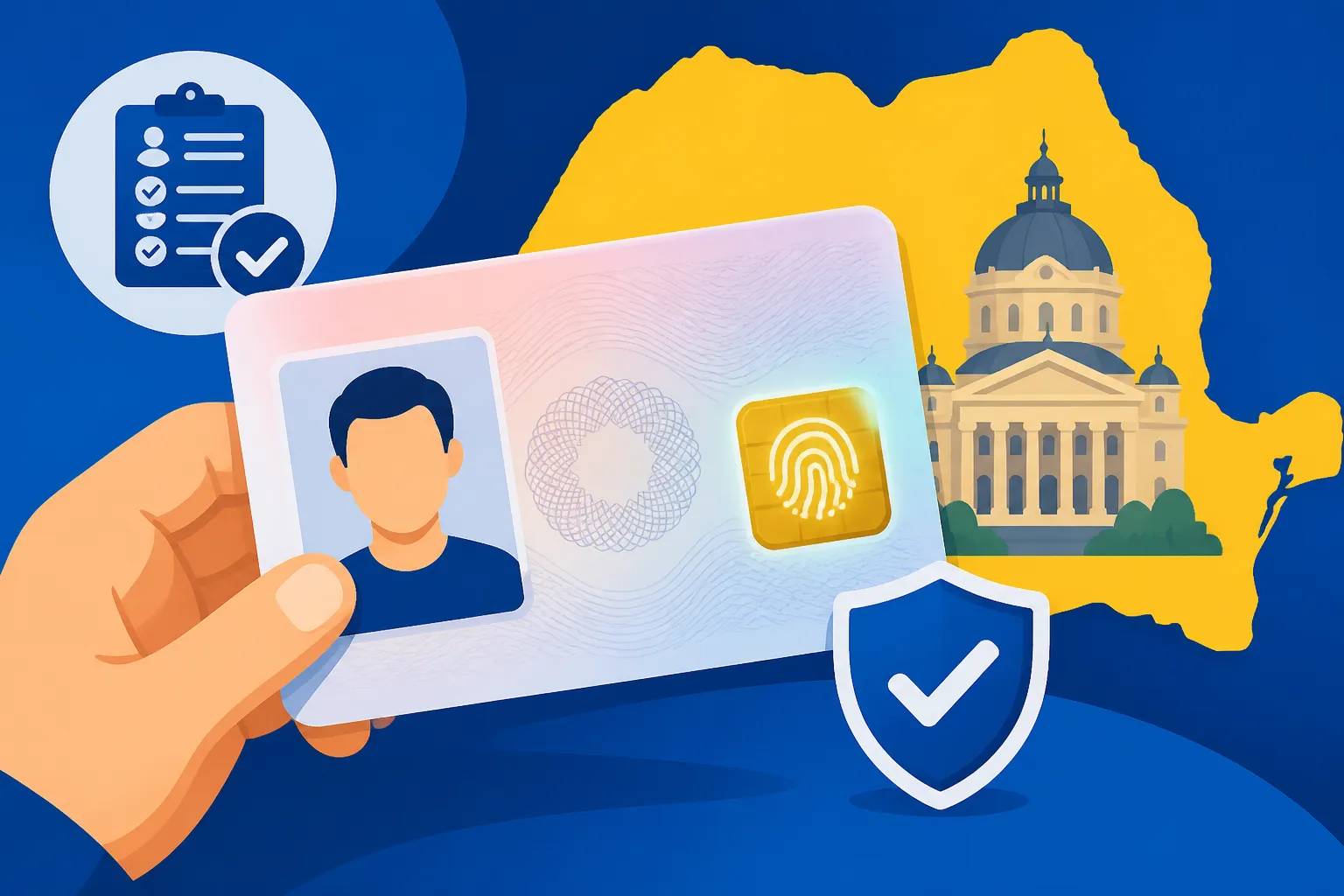
At its core, the biometric residence permit card, known officially as permis de ședere, is your official proof that you are legally residing in Romania. Think of it as your primary form of identification here, second only to your passport, but for day-to-day interactions, it's often preferred. This card is embedded with a microchip that stores your biometric data – typically your fingerprints and a digital photograph – making it secure and difficult to forge. You’ll also find your personal details like your name, date of birth, nationality, the type of permit you hold (e.g., for work, study, family reunification), and its validity period.
Why is this so crucial? Well, without it, you're pretty much stuck in limbo. Trying to open a bank account, sign a long-term rental contract, register for a mobile phone plan, or even access certain public services becomes an uphill battle, if not impossible. It's the physical manifestation of your legal status, and frankly, life in Romania gets significantly easier once you have it in your wallet. It tells the authorities, and anyone else who needs to know, that you're here properly, on the up and up. This permit validates your right to be in the country for an extended period, moving beyond your initial visa.
Who Needs a Biometric Residence Permit Card?
This is where it gets a little nuanced. Generally, any non-EU/EEA/Swiss citizen who intends to stay in Romania for more than 90 days in any 180-day period must obtain a residence permit. This includes a vast array of foreigners: those coming to work, study, join family members, or even those on the new digital nomad visa. If you're coming to Romania on a long-stay (Type D) visa, securing this permit is the next mandatory step after your arrival.
For EU/EEA/Swiss citizens, the process is different. While you also need to register your presence if you plan to stay beyond 90 days, you don't receive a biometric residence permit card in the same way. Instead, you get a "Certificate of Registration" (certificat de înregistrare) which is a paper document, and after five years, you can apply for a permanent residence card which does look more like an ID. However, for most non-EU citizens, the biometric card is absolutely essential. The specific category of permit you apply for will depend entirely on the purpose of your stay, which should align with the long-stay visa you initially received. So, if you came here on a work visa, your residence permit will reflect "for employment."
The Initial Steps: From Visa to Application
Okay, so you understand what it is and why you need it. Now, let's talk about how to get the ball rolling. For most non-EU expats, the journey to the residence permit actually begins before you even step foot in Romania.
Securing Your Long-Stay Visa (Type D)
Unless you're from a visa-exempt country for short stays, or an EU citizen (who, as mentioned, follow a different path), your first major hurdle before applying for a residence permit is obtaining a long-stay visa, known as a Type D visa. This visa is issued by a Romanian embassy or consulate in your home country or country of legal residence. It's essentially your entry ticket that allows you to arrive in Romania and then apply for the actual residence permit. There are various types of Type D visas, such as for employment, study, family reunification, business activities, or even the newly introduced digital nomad visa.
You cannot just show up in Romania on a tourist visa and expect to switch to a residence permit application. That's a common misconception that can lead to a lot of grief and potentially require you to leave the country and reapply. Each Type D visa has its own specific requirements, and you'll need to meticulously gather documents like your acceptance letter from a university, your employment contract, or proof of sufficient funds if you’re a digital nomad. It's a precursor step, but absolutely vital. Without the correct Type D visa, the immigration authorities in Romania won't even look at your residence permit application. If you’re unsure about this initial step, you’ll find a wealth of information in our guide on Understanding the Long-Stay (Type D) Visa for Romania.
Gathering Your Documentation: The Romanian Bureaucracy Gauntlet
This is where your patience will truly be tested, and you'll quickly realize why preparation is key. Romanian bureaucracy, while improving, still loves its paperwork, and it loves it just so. You'll need to gather a comprehensive set of documents, usually in both original and copy format, with many requiring sworn translations into Romanian and often an apostille or legalization from your home country. Trust me, it’s not the time to be vague or assume.
Common documents you'll definitely need include:
- Your Passport: Valid for at least six months beyond your intended stay.
- Long-Stay Visa (Type D): A copy of the visa stamp in your passport.
- Application Form: Filled out completely and accurately, available from the General Inspectorate for Immigration (IGI) website.
- Proof of Address: This is crucial. A notarized rental contract (contract de închiriere) is usually sufficient, but you might also need a "viză de flotant" or proof of your local registration with the city hall. Our guide on How to Register Your Residence (Viză de Flotant) at the Town Hall in Romania can help you navigate this.
- Proof of Financial Means: Bank statements showing sufficient funds to support yourself for your entire stay. The specific amount varies by permit type and is usually tied to the national minimum wage.
- Health Insurance: This is non-negotiable. You'll need valid health insurance for the entire period of your requested stay. Many expats opt for international providers like Cigna Global for comprehensive coverage, though local options exist too. Make sure it's valid in Romania and covers emergency medical care. Our guide on What Health Insurance Do I Need for a Romanian Residence Permit? covers this in detail.
- Criminal Record Certificate: Issued from your country of origin, and potentially from any other country where you’ve lived for more than a year in the last five years. This almost always needs to be apostilled/legalized and then officially translated into Romanian.
- Marriage Certificate/Birth Certificate: If you're applying for family reunification, these will be mandatory, again, with apostille/legalization and sworn translation.
- Specific Documents for Your Permit Type:
- Work Permit: The aviz de muncă from the Ministry of Labour (obtained by your employer).
- Study Permit: Acceptance letter from your Romanian university.
- Digital Nomad Permit: Proof of employment with a foreign company or freelance contracts, and higher income requirements.
- Business Permit: Documents related to your company registration in Romania.
This list can feel overwhelming, and honestly, it often is. The key is to get everything translated by a sworn translator (a traducător autorizat) who is registered with the Romanian Ministry of Justice, and then often notarized (legalizat la notar). Do not skimp on this step; incorrectly translated or missing documents will lead to delays, frustration, and possibly rejections. For a full checklist, consult our dedicated article on How to Prepare Documents for a Romanian Residence Permit Application.
The Application Process at the General Inspectorate for Immigration (IGI)
With your paperwork meticulously prepared, the next step takes you directly to the General Inspectorate for Immigration (IGI), the authority responsible for handling all residence permit applications. This is where the real interaction with the system happens.
Booking Your Appointment: The Digital Dance
In Romania, you can't just walk into the IGI office and expect to be seen for a residence permit application. Oh, if only it were that simple! Appointments are mandatory and are typically booked online through the IGI's official portal. This online system is a necessary evil, and you’ll want to tackle it as soon as possible after arriving in Romania. Remember, you generally need to submit your residence permit application within 90 days of your arrival or before your long-stay visa expires, whichever comes first. Don't leave this to the last minute!
Booking an appointment can be a bit of a strategic game. Slots, especially in larger cities like Bucharest or Cluj-Napoca, fill up incredibly fast. My advice? Start checking the portal daily, early in the morning, for available slots. If you don't see anything, don't despair; new appointments are often released periodically. Be flexible with your dates and times if possible. When you do secure a slot, print out the confirmation, as you'll need it to even enter the IGI building. This initial hurdle is sometimes one of the most stressful parts, so patience and persistence are key. For detailed instructions on navigating this booking system, refer to our guide on How Do I Book an Immigration Office (IGI) Appointment in Romania?.
The IGI Interview and Document Submission
When your appointment day arrives, brace yourself. IGI offices can be bustling, with queues and a general air of serious bureaucracy. It’s crucial to arrive well in advance of your scheduled time, confirmation in hand, and with all your documents – originals, copies, translations, notarizations. Imagine a small mountain of paper; that's roughly what you'll be presenting. You'll likely go through a security check and then wait for your number to be called.
During the interview, an immigration officer will meticulously review your application and all supporting documents. They will ask questions about your purpose of stay, your living situation, and sometimes even specifics about your employment or studies. While some officers might speak English, it's not guaranteed, so if your Romanian isn't fluent, consider bringing a trusted Romanian-speaking friend or, for a smoother experience, a professional translator or lawyer specializing in immigration. Any missing document or incorrect translation can lead to your application being suspended or rejected, requiring you to return another day, sometimes even re-booking an appointment. You'll also pay the required fees at this stage, which typically include an application fee and the cost for the biometric card itself. Ensure you have the exact amount in Lei, as sometimes they don't give change, or have very specific payment methods.
Biometric Data Collection
Once your documents have been reviewed and accepted (phew!), the next step is the collection of your biometric data. This usually happens immediately after your document submission, often in an adjacent room or a different section of the same office. It's a straightforward and quick process: your fingerprints will be digitally scanned, and a digital photograph will be taken for your residence permit card.
The officer will guide you through the process, telling you where to place your fingers and how to position yourself for the photo. There's really nothing to prepare for this part, other than trying to look presentable for your ID photo! This data is then securely stored on the microchip embedded in your card. This step is a final verification of your identity and is essential for the security features of the biometric permit. Once this is done, you'll usually be given a receipt or a confirmation that your application has been officially submitted and is now being processed.
Waiting for Approval and Card Issuance
You've done the hard part: navigating the paperwork and the IGI office. Now comes the waiting game, which can sometimes be the most nerve-wracking phase for expats.
Processing Times and Staying Informed
Once your application is submitted and your biometrics are taken, it enters the processing queue. The official processing time for residence permits in Romania is typically stated as 30 days, but in reality, this can vary wildly depending on the IGI office, the time of year, and the complexity of your case. It's not uncommon for it to take anywhere from a few weeks to several months, especially in high-volume cities. During peak seasons, like the start of academic years, delays are almost guaranteed.
While you're waiting, you can sometimes check the status of your application online via the IGI portal, but don't expect real-time updates. Often, the status doesn't change until the decision is made. Some people try calling or emailing the IGI, but responses can be inconsistent. The good news is that if you submitted your application on time and have a receipt to prove it, you are generally allowed to remain in Romania legally even if your initial long-stay visa expires during the processing period. This is a critical point of reassurance for many expats. Just make sure you keep that submission receipt handy as proof of your ongoing application. Patience is truly a virtue here; resisting the urge to constantly check or badger the IGI can save you a lot of stress.
Receiving Your Permit: The Moment of Truth
When your residence permit card is finally ready, you'll typically receive a notification via SMS or email, informing you that you can pick it up. This message will usually specify the IGI office and the hours for collection. It’s a genuinely exciting moment, a small victory in the expat journey!
When you go to pick up your card, remember to bring your passport and any old residence permit if you're renewing. The officer will verify your identity one last time before handing over your brand-new biometric card. Before you leave the counter, always double-check all the information printed on your card: your name, date of birth, permit type, and especially the validity dates. Mistakes can happen, and it's much easier to get them corrected immediately than a few weeks down the line. The validity period will usually align with your specific circumstances – often one year for initial work or study permits, with options for extension. Understanding these dates is crucial for planning your future in Romania, including future renewals. You'll find more information about this in our guide on How to Extend Your Residence Permit in Romania.
Common Challenges and Pro-Tips for Expats
Let's be real: navigating any country's immigration system comes with its share of headaches. Romania is no exception. But with a bit of foresight and the right mindset, you can mitigate a lot of the stress.
Language Barriers and Navigating the System
One of the most significant challenges you'll encounter at the IGI, and indeed throughout much of Romanian administration, is the language barrier. While staff in major expat hubs might have some English proficiency, it's far from universal. Trying to understand complex legal terminology or answer specific questions in a language you don't fully grasp can be incredibly frustrating. Imagine trying to explain your obscure tax situation to a government official when you're both relying on Google Translate.
My best advice? If your Romanian isn't up to snuff, seriously consider bringing a trusted Romanian-speaking friend or, better yet, hiring a professional interpreter or an immigration lawyer. These professionals can not only translate but also ensure you're providing the correct information and advocating for you if any issues arise. They understand the nuances of the system and the polite (and not-so-polite) ways to get things done. Don't be shy about asking for help; it can save you a world of trouble. Sometimes, even having a simple phrasebook or using a translation app on your phone can help for basic interactions, but for critical appointments, human help is invaluable.
Dealing with Document Requirements and Deadlines
The phrase "Romanian bureaucracy" is often met with a collective groan by expats, and the residence permit process is a prime example of why. The document requirements are extensive, sometimes seemingly redundant, and subject to change without much notice. You might be asked for a document you weren't originally told you needed, or one that was perfectly fine last month is suddenly out of date. It’s a game of perpetual preparedness.
My top pro-tip is to always bring more documents than you think you'll need. Have originals and at least two sets of copies for everything. Even if a document isn't explicitly listed, if it broadly supports your claim (e.g., an additional bank statement, proof of past employment), bring it along. The apostille and sworn translation requirements for foreign-issued documents are strict. Do this before you arrive in Romania, if possible, as getting documents apostilled from abroad can be a lengthy process. Moreover, strict adherence to deadlines is paramount. Missing a deadline for your application or renewal can have serious consequences, potentially leading to fines or even a requirement to leave the country. Set reminders, mark your calendar, and then set more reminders. When moving to Romania, services like Sirelo can provide valuable guidance on logistical matters, including preparing for administrative hurdles, so don't hesitate to seek their expertise.
Maintaining Your Status: What Comes Next
Getting your first residence permit card is a huge accomplishment, but it's not a "set it and forget it" situation. Your permit has an expiry date, and it’s your responsibility to keep track of it and initiate the renewal process well in advance. Typically, you should start gathering documents and booking an appointment for renewal at least 30-60 days before your current permit expires. The process for renewal is very similar to the initial application, often requiring updated proof of funds, health insurance, and continued purpose of stay (e.g., new employment contract, proof of ongoing studies).
Life happens, and your circumstances might change while you're in Romania. If you change jobs, get married, have a child, or your address changes, these events often require you to inform the IGI and sometimes update your permit. For instance, if you get married to a Romanian citizen, your permit category might change, requiring a different set of documents and potentially a new application. Always check the IGI website or consult with a legal expert if your situation changes to ensure you remain compliant with immigration laws. Staying informed and proactive is the key to a stress-free expat life here.
Post-Permit: What Your Card Unlocks
Congratulations, you've got your shiny new biometric residence permit card! This isn't just a fancy ID; it’s your passport to fully engaging with life in Romania, opening doors that were previously closed.
Daily Life with Your Residence Permit
With your residence permit in hand, you’ll find that many of the administrative hurdles that seemed insurmountable suddenly become manageable. First and foremost, it serves as your official identification document within Romania. No more flashing your passport everywhere; your permit is universally accepted for ID purposes. This alone is a massive convenience and provides a sense of integration.
One of the biggest unlocks is the ability to open a proper Romanian bank account. Before the permit, many banks are hesitant or flat-out refuse to open accounts for non-EU citizens without this proof of legal long-term residence. With it, you can easily open an account at major banks like Banca Transilvania, BCR, or ING, allowing you to manage your finances locally, pay bills, and receive your salary. Our guide on The Expat Guide to Opening a Bank Account in Romania elaborates on this process. It also facilitates getting your Romanian tax number (NIF) and Personal Numeric Code (CNP), essential for pretty much everything from healthcare registration to utility contracts. Without your CNP, access to public healthcare is nearly impossible, as detailed in How to Get Your CNP (Personal Numeric Code) for Healthcare Access in Romania. You can sign up for mobile phone contracts, register for utilities in your own name, and generally partake in the daily commercial and administrative life of Romania much more smoothly.
Travel and Future Prospects
Beyond daily convenience, your biometric residence permit card also has significant implications for your travel plans and long-term prospects in Romania. As a holder of a Romanian residence permit, you are generally allowed to travel visa-free within the Schengen Area for up to 90 days in any 180-day period. This is a huge benefit, allowing you to explore Europe without needing additional visas for each country. Always carry your passport and your residence permit card when traveling internationally, especially within Schengen, to avoid any issues. For a deeper dive into the specifics, check out Can I Travel in the Schengen Area on a Romanian Residence Card?.
Furthermore, your continuous legal residence in Romania, documented by these permits, is a stepping stone towards long-term residency and even Romanian citizenship. After a certain number of years of uninterrupted legal residence (usually five years for most categories), you can apply for permanent residence. This offers greater stability and fewer renewal hassles. Beyond that, if you meet the language, cultural, and other requirements, naturalization for Romanian citizenship becomes a possibility. It's a long road, but each permit renewal builds towards these significant milestones, fundamentally changing your status from a temporary expat to a more deeply rooted member of the Romanian community. For those looking to make Romania their permanent home, our article on How to Apply for Permanent Residence in Romania is an essential read.
| Document Required | Where to Obtain | Key Notes |
|---|---|---|
| Passport | Your country of citizenship | Valid for at least 6 months beyond intended stay. Original + copy. |
| Long-Stay Visa (Type D) | Romanian Embassy/Consulate in home country | Stamp in passport. Original + copy. |
| Application Form | IGI Website | Download, print, fill out completely. |
| Proof of Address | Landlord/Notary, Local City Hall | Notarized rental contract, possibly "viză de flotant". Valid & registered. |
| Proof of Financial Means | Bank (home country or Romanian) | Bank statements (apostilled/translated if foreign). Sufficient funds (min. wage). |
| Health Insurance | Insurance provider (e.g., Cigna Global) | Valid for entire stay, comprehensive coverage in Romania. Proof of payment. |
| Criminal Record Certificate | Police/Justice Dept. in home country | Apostilled/legalized & sworn translation to Romanian. Issued within last 6 months. |
| Specific Docs (Work/Study/Family) | Employer, University, Civil Registry | Work permit (Aviz de Muncă), Acceptance letter, Marriage/Birth Cert. (apostilled/translated). |
| Fees for Permit | IGI Office (typically via bank payment or card) | Varies by permit type. Pay before appointment or at IGI (check methods). |
Disclaimer
The information provided in this guide is for general informational purposes only and does not constitute legal advice. While we strive to keep the content accurate and up-to-date, immigration laws and procedures in Romania can change frequently. It is highly recommended to consult with the official General Inspectorate for Immigration (IGI) website, a qualified immigration lawyer, or the relevant Romanian authorities for the most current and personalized advice regarding your specific situation. Reliance on any information in this guide is solely at your own risk.