How Do I Open an Account at Raiffeisen or BRD in Romania?
Let’s be honest, trying to open a bank account in a new country can feel like navigating a bureaucratic maze, and Romania is no exception. It’s a common rite of passage for every expat, often riddled with moments that make you want to pull your hair out. But don’t despair! This guide is here to demystify the process, specifically focusing on two of the most popular and expat-friendly banks in Romania: Raiffeisen Bank and BRD – Groupe Société Générale. We’ll walk through the specific challenges you might face and how to tackle them, ensuring you get your financial footing here without too many headaches.
Why Raiffeisen and BRD? Understanding the Landscape
When you first land in Romania, you'll quickly realize that while the banking sector is modernizing, it still retains some unique local flavors. Many expats gravitate towards certain banks, and Raiffeisen and BRD often come up in conversations, usually because they offer a good balance of services, English-speaking staff, and a relatively straightforward process for foreigners, or at least, as straightforward as it gets here.
The Expat Experience with Romanian Banks
I remember when I first arrived, trying to choose a bank felt like a shot in the dark. You hear whispers about different institutions, some notorious for their endless paperwork, others praised for their digital solutions. The truth is, every bank has its quirks, and as an expat, you’re often just looking for a place that understands you're not a local with 30 years of Romanian financial history. The primary frustrations often revolve around documentation, language barriers, and simply understanding the local banking jargon. Many newcomers ask, "How to Choose the Best Bank for Expats in Romania?" and the answer often boils down to which one feels less like a fortress and more like a helpful partner. Raiffeisen and BRD have carved out a niche by often being more accessible to foreigners, making them a default starting point for many.
Raiffeisen Bank: What to Expect
Raiffeisen Bank is one of the larger and more established international banks in Romania, and it's generally well-regarded among the expat community. They often have English-speaking staff, especially in bigger cities like Bucharest, Cluj-Napoca, or Timișoara, which is an absolute blessing when you're trying to understand complex financial terms. Their digital banking services are quite robust, offering a user-friendly mobile app and online platform for managing your money. You’ll find ATMs everywhere, and their customer service, while sometimes requiring a bit of patience (it’s Romania, after all), is generally responsive. They tend to offer various package deals that include debit cards, online banking, and sometimes even a credit card if you meet the eligibility criteria. For many, Raiffeisen strikes a good balance between traditional banking services and modern convenience, often making the process of how to set up online banking and instant payments in Romania quite smooth.
BRD – Groupe Société Générale: What to Expect
BRD, part of the French Société Générale group, is another prominent player that expats frequently consider. Similar to Raiffeisen, BRD benefits from its international backing, which often translates to a more structured and internationally-oriented approach to banking. They also tend to have a good number of English-speaking employees, especially in their larger city branches. BRD's digital platforms have improved significantly over the years, offering comprehensive online and mobile banking solutions. They have a vast network of ATMs and branches across the country, making access convenient. One thing I’ve noticed about BRD is their range of products, which can sometimes be more extensive, especially for those considering loans or more complex financial services down the line. While both banks are solid choices, the best one for you might simply come down to proximity to your home or work, or which branch offers a more welcoming initial experience.
Essential Documents You'll Need (and Why They're a Headache)
Alright, now for the part that makes everyone groan: paperwork. Getting your ducks in a row for a Romanian bank account isn't always intuitive, especially when you're dealing with documents you might not even know exist yet. The key here is understanding the why behind each requirement, so you can anticipate the challenges.
The Non-Resident vs. Resident Dilemma
One of the first things a Romanian bank will try to figure out is your residency status. Are you a non-resident just passing through or a long-term resident? This makes a huge difference in the documents required and, frankly, how easy or difficult the process will be. If you're a non-resident (e.g., a tourist or on a short-stay visa), opening a full current account can be tricky, sometimes requiring you to deposit a substantial sum of money as collateral or limiting you to basic savings accounts.
However, if you're planning to live and work here, you'll need to demonstrate your intention to be a resident. This usually means having a valid Romanian residence permit (Permis de Ședere). Without it, some banks might outright refuse, while others will offer a limited account that might not be suitable for everyday living, especially for receiving your salary or paying bills. It’s a classic chicken-and-egg situation – you need a bank account for life here, but you need elements of your life here (like residence) to get the bank account.
Your Document Checklist: A Detailed Breakdown
Here’s a common list of documents you’ll likely need. Keep in mind that specific requirements can vary slightly between banks and even between branches within the same bank, so always call ahead to confirm!
| Document Type | Purpose | Common Expat Challenges |
|---|---|---|
| Valid Passport | Primary identification, proving your identity and nationality. | Ensure it's not expired and has ample validity for your stay. |
| Residence Permit | Proof of legal residence in Romania. Crucial for full banking services. | If you don't have one yet, you might face hurdles. See non-resident dilemma. |
| CNP (Personal Numeric Code) | Your unique national identification number. Essential for nearly everything. | Can be hard to get initially. Crucial for "How to Get a Romanian Tax Number (NIF) and CNP." |
| Proof of Address | A utility bill (gas, electricity), rental contract, or statement from landlord. | Bills often aren't in your name initially; rental contracts need to be registered. |
| Proof of Income | Employment contract, recent payslips, or tax statements. | If newly employed or self-employed, getting these in Romanian might be tricky. |
| NIF (Tax Identification Number) | Required for tax reporting, though sometimes your CNP suffices. | Primarily for those running businesses or needing specific tax services. |
| Employer’s Letter (Optional but Recommended) | A letter from your Romanian employer stating your employment. | Not always requested but can help ease the process if issues arise. |
When you're trying to figure out what documents do I need to open a bank account in Romania, the CNP and proof of address are often the biggest sticking points. Without your CNP, you're pretty much stuck at square one for most official administrative tasks, including proper banking. The process for How to Apply for a CNP as Part of Your Residence Process often goes hand-in-hand with your residence permit application, so these two are intertwined. For proof of address, if you’ve just moved in, your utility bills might still be in your landlord’s name. This is where a registered rental contract or a sworn statement (Declarație) from your landlord can save the day. Remember, the more official and legally verified your documents are, the smoother your experience will be.
The Importance of Your CNP and Proof of Address
Let me underscore this: your CNP (Cod Numeric Personal) is your golden ticket to pretty much everything in Romania. It’s your unique identification number and it's what links you to the tax system, healthcare, and yes, your bank account. Without it, you’ll find yourself hitting brick walls. For many expats, the frustration of "Can I Get Treatment in Romania Without a CNP?" or "Can I Rent an Apartment in Romania Without a CNP?" leads to the realization that this number is paramount.
Similarly, proving your address can be surprisingly challenging when you've just arrived. Romanian banks are quite particular about having concrete evidence that you actually live where you say you live. A simple lease agreement, while standard in many countries, might not be enough if it hasn't been registered with ANAF (the tax authority). This is why knowing how to get proof of address and residence documents in Romania is so vital. Often, a utility bill in your name is considered the strongest proof. If you don't have one yet, discuss with your bank if a notarized declaration from your landlord, along with their property deed, could suffice. Be prepared for a bit of back-and-forth on this point. This meticulousness also ties into wider financial planning, as understanding your tax residency for services like Taxes for Expats depends heavily on verifiable proof of presence in Romania.
The Step-by-Step Process: Navigating the Bank Branch (or Online)
With your documents (hopefully) in hand, it’s time to face the music – or rather, the bank branch. While some banks in Western Europe offer entirely online account opening processes, in Romania, especially for new expats, a visit to the branch is almost always mandatory.
Making an Appointment and Language Barriers
First things first: don’t just walk in hoping for the best. Always call ahead to schedule an appointment. This is crucial for two main reasons. Firstly, bank branches, especially in larger cities, can be busy, and an appointment ensures you won't be waiting for hours. Secondly, and perhaps more importantly, you can specifically request an English-speaking advisor. While many larger banks like Raiffeisen and BRD have English speakers, they might not always be available, particularly outside of peak hours or in smaller branches.
If you don’t speak Romanian, and an English speaker isn’t available, consider bringing a trusted Romanian friend, colleague, or even hiring a professional interpreter for an hour. Trying to muddle through complex financial terms in a language you don’t understand is a recipe for disaster. The bank staff will appreciate the effort to ensure clear communication, and you'll avoid potential misunderstandings regarding fees, account types, or contractual obligations.
The Application Itself
Once you're at the bank, the process usually involves an interview with a bank representative. They will review your documents, ask you questions about your purpose for opening the account (e.g., receiving salary, paying bills, savings), your source of income, and your tax residency. Be prepared to provide clear answers. This is also where your NIF and CNP become critical, especially when discussing your tax situation and ensuring compliance, an area where resources like Taxes for Expats can be invaluable if you're navigating complex cross-border tax considerations.
You will fill out several forms, which will likely be in Romanian. This is another point where having an interpreter or a very patient bank officer is key. Don't sign anything you don't understand! Ask for clarification, even if it feels repetitive. Pay close attention to any mentioned fees, direct debit options, and terms and conditions. Many expats find it useful to open an account at Banca Transilvania as a foreigner too, given their prevalence and services, so doing some comparative research before committing is a smart move.
Waiting for Approval and Card Issuance
Unlike some countries where you walk out with a temporary debit card, in Romania, there's usually a waiting period. After submitting your application and documents, the bank will conduct internal checks. This can take anywhere from a few days to a couple of weeks, depending on how complete your documentation is and the bank's internal processes.
Once approved, your debit card and PIN will typically be sent to the bank branch, sometimes separately for security reasons, or occasionally directly to your registered address. You'll usually receive an SMS or a call when they're ready for collection. This waiting period can be frustrating, especially if you need immediate access to funds, so plan accordingly. Ask for an estimated timeline and a direct contact person if possible. Knowing how to get an IBAN for a Romanian bank account is usually one of the first things you'll want to do after approval, so you can start sharing it for transfers.
Post-Opening Life: Managing Your Account and Money Transfers
Congratulations, you have a Romanian bank account! Now, how do you actually use it and manage your money effectively in your new home? This is where the initial setup turns into everyday practicality.
Online Banking and Mobile Apps
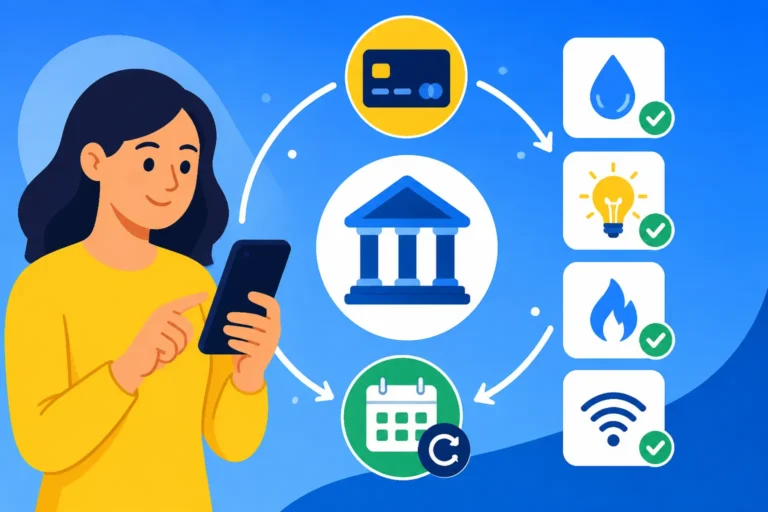
Both Raiffeisen and BRD offer robust online banking platforms and mobile apps that are generally user-friendly and available in English. This is where you'll pay your bills, check your balance, and manage your transactions. Learning to use these effectively is paramount for managing your daily finances in Romania. You'll find features for setting up direct debits for utilities, making instant payments (like transferring money to a friend's Romanian account), and monitoring your spending. Don't be shy about asking the bank staff for a quick tutorial when you pick up your card, or look for online guides. For a broader perspective on digital financial management, you can refer to our guide on How to Set Up Online Banking and Instant Payments in Romania.
International Transfers
When it comes to sending money back home or receiving funds from abroad, many expats find traditional bank transfer fees and exchange rates a bit… steep. This is where services like Wise (formerly TransferWise) really shine. While your Romanian bank account is perfect for local transactions, for international transfers, platforms like Wise or Revolut often offer more competitive exchange rates and lower fees. You might be asking, "Can I Use Wise or Revolut Instead of a Romanian Bank?" and the answer is yes, for international transfers, they are often a preferred alternative. However, a local Romanian bank account is still essential for things like receiving your salary, setting up direct debits for rent and utilities, and generally integrating into the local financial system. For a deeper dive into moving money across borders, check out our guide on How to Transfer Money Internationally from a Romanian Account.
Navigating Fees and Customer Service
Like any bank, Raiffeisen and BRD have various fees associated with their accounts. These can include monthly maintenance fees, ATM withdrawal fees (especially from other banks' ATMs), international transfer fees, and fees for certain services like issuing statements or activating alerts. Make sure you understand the fee structure for your specific account package. Often, if you receive your salary directly into the account, some fees might be waived.
Customer service in Romania can sometimes require a good dose of patience. While English-speaking staff are more common in these banks, sometimes you might still encounter language barriers or a slower pace than you're used to. Online chat support, email, or a dedicated expat helpline (if available) can sometimes be more efficient than trying to get through on the general phone lines. Keep records of your interactions and any issues you encounter, just in case. And remember, when dealing with financial matters, especially those relating to your employment or self-employment, services like Taxes for Expats can help clarify your obligations, particularly for remote workers who might be wondering "Do Remote Workers Pay Tax in Romania?" and how their banking aligns with those rules.
Disclaimer
The information provided in this guide is for general informational purposes only and does not constitute financial, legal, or professional advice. While we strive to keep the information up-to-date and accurate, requirements and procedures in Romania can change frequently. It is always recommended to consult with the specific bank, a financial advisor, or a legal professional for advice tailored to your individual circumstances. We do not endorse any specific financial product or service.