Is a Private Medical Subscription (Abonament) Worth It in Romania?
Navigating the healthcare landscape in a new country is often one of the most stressful aspects of expat life. In Romania, you are quickly confronted with a choice between the bureaucratic public system and a unique private model known as the "abonament." This guide breaks down exactly what these subscriptions offer, their real-world limitations, and whether they provide actual value for your specific lifestyle.
Understanding the Private Medical Subscription System in Romania
When you first move to Bucharest, Cluj, or Timișoara, you will notice large, shiny buildings branded with names like Regina Maria, MedLife, or Sanador. These are not just hospitals; they are the hubs of the private medical "abonament" system. Unlike traditional insurance, an abonament is a prepaid subscription to a specific network of clinics. Think of it more like a gym membership for your health rather than a comprehensive insurance policy.
What is an Abonament and How Does It Work
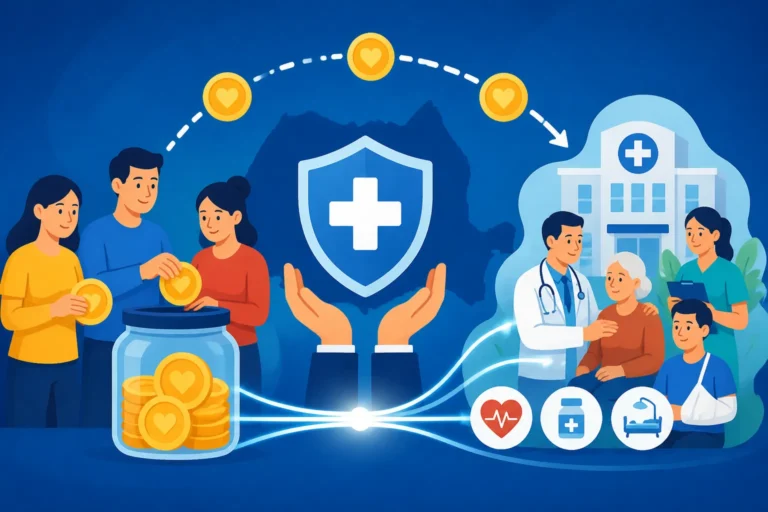
In its simplest form, the abonament is a contract between you (or your employer) and a private medical provider. For a monthly fee, you get "free" or discounted access to a suite of services within that specific provider's network. This usually includes unlimited primary care visits, access to specialists, and a baseline of annual laboratory tests.
The system was designed primarily as a corporate perk. Most expats working for multinational companies will receive one of these as part of their benefits package. However, if you are a freelancer or a digital nomad, you can purchase these individually. It is important to distinguish this from Public vs Private Healthcare in Romania: Which Should Expats Choose? because the subscription does not replace your legal obligation to pay into the state system if you are a resident. It sits on top of the public system as a layer of convenience.
The Different Tiers of Subscriptions
Private providers offer various levels of subscriptions, often named something like "Basic," "Classic," "Premium," or "Expert." The price difference between these tiers usually dictates three things: the number of specialist consultations included for free, the complexity of lab tests covered, and whether imaging like MRIs or CT scans are discounted or fully included.
For many foreigners, a mid-tier plan is the sweet spot. A basic plan might only cover a general practitioner and basic blood work, leaving you to pay out-of-pocket for a dermatologist or a cardiologist. Conversely, the highest-tier plans often include perks that a healthy person might never use. When assessing your needs, consider The Cost of Healthcare in Romania: A Complete Breakdown for Foreigners (2026) to see how out-of-pocket costs compare to the monthly subscription fee.
The Major Providers: Regina Maria vs MedLife
The market is dominated by a few giants. Regina Maria is often seen as the more "premium" option, with highly modern clinics and a very functional mobile app. MedLife is the largest network, boasting more locations across the country, which is a significant factor if you live outside of the capital.
Choosing between them often comes down to which clinic is closer to your home or office. In my experience, the quality of medical care is relatively similar across the big players, but the administrative experience—how easily you can book an appointment or find an English-speaking receptionist—varies. Many expats find that Understanding Private Clinics and Medical Networks (Regina Maria, MedLife) in Romania helps them decide which network’s footprint matches their daily routine.
The Tangible Benefits for Expats and Tourists
The primary reason anyone gets an abonament in Romania is to bypass the inefficiencies of the public system. If you have ever tried to get a specialist appointment through the public route, you know it involves getting a referral from a family doctor, waiting in long queues, and often dealing with a significant language barrier. The abonament changes this dynamic entirely.
Speed of Access and Convenience
In the private system, you can often book an appointment through an app and see a specialist within 48 to 72 hours. In the public system, that same appointment could take weeks or months. For an expat, time is often as valuable as money. Being able to see a doctor on your lunch break in a clean, organized environment is a massive relief.
Furthermore, the private clinics are centralized. You can usually get your consultation, your blood work, and your imaging done in the same building. This is a far cry from the public system where a Policlinică might send you across town to a different laboratory for a specific test. The convenience factor alone makes the abonament worth it for those who find the local bureaucracy overwhelming.
Navigating the Language Barrier
One of the biggest hurdles for foreigners is the language. While many younger doctors in the public system speak excellent English, the administrative staff and nurses often do not. Private clinics market themselves heavily to the international community and corporate sectors, meaning their call centers and front-desk staff are much more likely to be fluent in English.
When you are sick or worried about a health issue, the last thing you want to do is struggle with a translation app. Having an abonament ensures a smoother communication flow. If you are struggling to find a doctor who understands you, checking How to Find an English-Speaking Doctor in Romania can be a life-saver, but having a subscription usually guarantees that the provider’s system will help you filter for English-speaking specialists.
Preventive Care and Routine Maintenance
The Romanian medical culture, particularly in the private sector, places a high value on annual check-ups. Most subscriptions include an "annual screening" which covers a full panel of blood tests, an EKG, and sometimes a chest X-ray or abdominal ultrasound.
For an expat, this is an excellent way to maintain a health baseline without having to navigate the Family Doctor (Medic de Familie) system for every small concern. It encourages you to take care of small issues before they become emergencies. This proactive approach is a significant benefit, especially for those who are used to the preventive care models in Western Europe or North America.
| Feature | Private Subscription (Abonament) | Public Health System (CASS) | Global Travel Insurance (e.g., SafetyWing) |
|---|---|---|---|
| Primary Goal | Routine care and specialists | Comprehensive & Emergency | Emergency & Travel-related |
| Wait Times | Very short (1-3 days) | Long (weeks/months) | N/A (Emergency focused) |
| English Support | High | Low to Moderate | High (Support center) |
| Hospitalization | Rarely included | Fully covered | Covered (Emergencies) |
| Cost | 15 – 80 EUR / month | ~10% of gross salary | Variable based on age |
| Network | Specific clinic brand only | Nationwide public hospitals | Worldwide (with exclusions) |
The Limitations and "Gotchas" of the Abonament
While the abonament is fantastic for a sore throat or a routine mole check, it is not a "magic bullet" for all medical needs. Many expats make the mistake of assuming their Regina Maria or MedLife subscription covers everything. It does not. Understanding these gaps is crucial to avoid massive unexpected bills.
The Hospitalization and Surgery Gap
Most standard abonaments only cover "ambulatory" care—services where you walk in and walk out the same day. If you require overnight hospitalization, major surgery, or emergency room care, the subscription often provides nothing more than a small discount.
If you are involved in a serious accident and need an appendectomy, the private clinic will charge you thousands of Euros, even if you have a "Premium" subscription. In these cases, you are usually redirected to a public hospital unless you have significant savings or a separate private insurance policy. For many nomads, having a product like SafetyWing is essential because it covers those "big ticket" emergency items that a local abonament ignores. SafetyWing acts as the safety net for the catastrophic events that the clinic subscription doesn't touch.
The Chronic Condition and Medication Exclusion
If you have a pre-existing chronic condition, the abonament may cover your consultations with a specialist, but it will not cover your medications. In Romania, subsidized prescriptions are only available through the public system. To get these discounts, you must be Registering for Public Health Insurance (CASS) in Romania (2027) and have a referral from a family doctor who works with the National Health Insurance House (CNAS).
If you rely solely on your private subscription, you will pay the full commercial price for all medications. Depending on the drug, this can be significantly more expensive than the subsidized rate. This is why most veteran expats maintain both a private subscription for convenience and their public registration for the "heavy lifting" of healthcare.
Network Lock-in and Geographical Constraints
An abonament is only as good as the clinics in your immediate vicinity. If you have a subscription with Regina Maria but the only specialist available for your specific issue is at a MedLife clinic, your subscription is useless. You will have to pay the full private rate at the competing clinic.
This becomes a major issue if you travel within Romania. While the big brands have branches in major cities, they are non-existent in rural areas. If you are hiking in the Carpathians and need medical attention, your Bucharest-based abonament won't help you at a local mountain clinic. In contrast, global options like SafetyWing offer more flexibility for those who are constantly on the move and don't want to be tied to a single brand of clinics. SafetyWing is often preferred by those who spend time between Bucharest and other European hubs.
Is It Worth It? A Final Cost-Benefit Analysis
Deciding whether to pay for a subscription out-of-pocket depends entirely on your health profile and how much you value your time. If you are a young, healthy individual who rarely sees a doctor, you might find that simply paying for a one-off private consultation (which usually costs between 40 and 70 EUR) is cheaper than a yearly subscription.
When the Subscription is a "Must-Have"
If you have children, the abonament is almost non-negotiable. Kids get sick often, and the ability to book a pediatrician at 8:00 PM on a Tuesday without going to a crowded public emergency room is priceless. Similarly, if you have a condition that requires quarterly blood work or frequent specialist monitoring, the subscription pays for itself within three or four months.
For those who are new to the country and don't yet have their CNP (Personal Numeric Code) or residency papers, the private system is often the only way to access care quickly. Until you can navigate the process of How to Register for Public Health Insurance (CASS) as a Foreigner in Romania, the abonament provides a necessary bridge. It gives you a sense of security while you are still "administrative-limbo."
Combining Strategies for Maximum Protection
The most savvy expats use a "tri-layered" approach to healthcare in Romania. First, they pay their mandatory CASS contributions to ensure they are covered for major surgeries and subsidized prescriptions. Second, they have a private abonament (often through their employer) for day-to-day consultations and English-speaking convenience. Third, they maintain a global policy like SafetyWing to cover them during international travel and for major emergencies that might require medical evacuation or specialized care not available locally.
Using SafetyWing alongside a local subscription ensures that you are never caught in a gap. If the local private hospital is too expensive for a surgery and the public hospital is too daunting, having international insurance gives you the option to seek care elsewhere or covers the high costs of private hospitalization in Romania. For digital nomads, SafetyWing is particularly attractive because it follows you across borders, unlike the localized abonament.
How to Sign Up and What to Look For
If you decide to purchase a subscription, you can usually do so directly on the provider's website. You will need a copy of your passport and a Romanian phone number. Before signing, ask for the "List of Covered Services" (Lista de servicii incluse). Pay close attention to the number of "free" specialist visits allowed per year. Some basic plans only allow 2 or 3, which is easily exhausted.
Also, check if the plan includes Emergency Medical Care in Romania: What Every Expat Needs to Know. Some higher-tier subscriptions include a private ambulance service, which can be much faster than the public 112 service in urban traffic. While it won't replace the need for a comprehensive emergency plan, it is a very valuable "extra" to have in your back pocket.
Disclaimer
This guide is for informational purposes only and does not constitute professional medical or legal advice. Healthcare regulations, subscription terms, and insurance coverage in Romania can change frequently. Always verify current prices and coverage details directly with medical providers and insurance companies before making a financial commitment. Information regarding the public health system (CNAS/CASS) is subject to Romanian legislative updates.