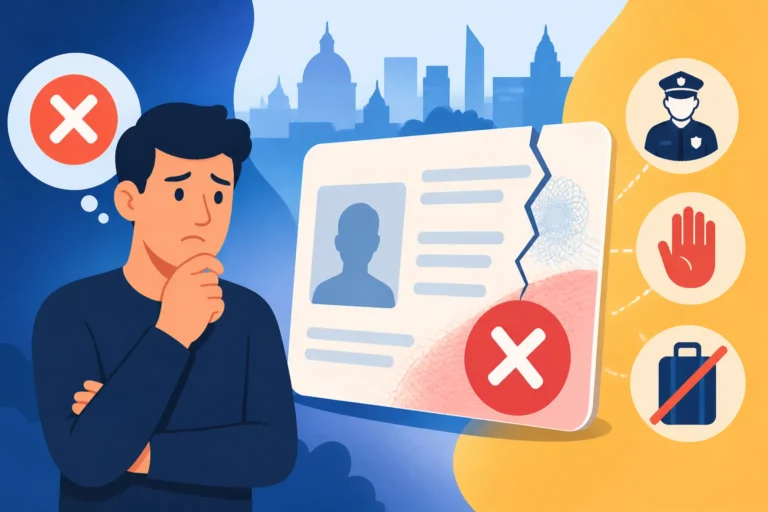
Can I Apply for a Romanian Residence Permit with a Criminal Record?
Moving to a new country is exhilarating, but the administrative hurdles can feel like navigating a minefield, especially when you carry a bit of baggage from your past. For those considering a life in Romania but have a criminal record, the question of whether you can even apply for a residence permit can be a source of immense anxiety. This guide aims to pull back the curtain on how Romania's immigration system typically approaches such situations, offering realistic insights and advice to help you understand your options.
Understanding Romania's Character Requirements for Residence
When you apply for a residence permit in Romania, the authorities aren't just looking at your financial stability or your reason for being here; they're also scrutinizing your character. This isn't unique to Romania, of course. Most countries have some form of "good character" requirement as a foundational element for granting long-term stay. What this means in practice is that any past legal infractions, no matter how minor you perceive them to be, could potentially impact your application.
Romania, like many EU member states, is vigilant about who it allows to settle within its borders. The Inspectoratul General pentru Imigrări (IGI), or the General Inspectorate for Immigration, which is the main body responsible for residence permits, assesses each application on a case-by-case basis. They are primarily concerned with ensuring that individuals residing in Romania do not pose a threat to public order, national security, or public health. This broad definition gives them significant leeway in their decisions. It’s not simply a matter of having a record; it's about the nature of that record, how recently it occurred, and what it implies about your potential future conduct. Therefore, providing a comprehensive and honest account of your history, supported by official documentation, is absolutely crucial.
The Role of Police Certificates and Background Checks
A standard part of almost any residence permit application in Romania is the requirement for a police certificate or criminal record check from your country of origin. Depending on how long you've resided in Romania, they might also request a local criminal record check from the Romanian police. These documents are not just formalities; they are critical pieces of evidence that the IGI uses to assess your eligibility.
The police certificate from your home country needs to be official, current, and often requires an apostille or super-legalization, followed by a certified translation into Romanian. This is one of those steps where details really matter, and a missing stamp or an uncertified translation can halt your application in its tracks. The Romanian authorities will use these certificates to verify your declared history. If there's a discrepancy or an undeclared conviction, it can raise serious red flags, leading to suspicion and potentially an outright refusal based on misrepresentation. It's always better to be upfront and transparent, even if the information is less than ideal.
Defining "Criminal Record" in the Context of Immigration
It’s important to clarify what "criminal record" actually entails when it comes to immigration. A minor traffic violation, a forgotten parking ticket, or even a public intoxication charge from your youth might not be the same as a conviction for a serious felony. Romanian law, in line with EU directives, generally focuses on offenses that involve imprisonment or pose a significant risk.
For example, a speeding ticket that resulted in a fine and points on your license is highly unlikely to be an impediment. However, a conviction for assault, drug trafficking, fraud, or any crime that led to a significant prison sentence, especially if it was recent, will certainly be viewed with gravity. Even offenses that might seem minor in your home country could be interpreted differently under Romanian law. It's not uncommon for expats to underestimate the severity of certain charges when viewed through another country's legal lens. Therefore, understanding the exact nature of your conviction and how it aligns with Romanian legal principles is a critical first step.
Navigating Romanian Legal Scrutiny and Discretion
The Romanian immigration authorities, primarily the IGI, operate with a degree of discretion when evaluating applications involving a criminal record. This isn't a hard-and-fast rule book where every offense has a pre-determined outcome. Instead, they weigh various factors, and the final decision can sometimes feel subjective, which naturally adds to the stress for applicants.
The core principle they adhere to is the potential risk an individual poses to Romanian society. This means they look beyond the mere existence of a conviction to its implications. Was it an isolated incident or part of a pattern? Has the applicant shown rehabilitation? What are the specific circumstances surrounding the conviction? These are all questions that might implicitly or explicitly factor into their assessment. It's a nuanced process that requires careful preparation and often, professional guidance.
Offenses That Typically Pose a Challenge
While there’s no exhaustive public list of specific offenses that automatically disqualify you, certain categories are almost always problematic for securing a Romanian residence permit. These include:
- Serious Crimes Against Persons: Anything involving violence, assault, grievous bodily harm, sexual offenses, or homicide. These are almost universally seen as threats to public order and safety.
- Drug-Related Offenses: Manufacturing, trafficking, or significant possession of illegal substances. Romania has strict drug laws, and these convictions are taken very seriously.
- Organized Crime and Terrorism-Related Offenses: Any involvement in criminal organizations, human trafficking, or terrorism is a definitive red flag and likely an automatic refusal.
- Major Financial Crimes: Significant fraud, money laundering, or other white-collar crimes that have a substantial economic impact can also be grounds for refusal, especially if they are deemed a threat to the financial stability or integrity of the country.
- Repeated or Recent Offenses: A pattern of criminal behavior, even for less severe crimes, or a very recent serious conviction, will raise concerns about rehabilitation and future conduct.
These are not just "minor issues" to gloss over. These are the kinds of issues that can halt your plans for a life in Romania entirely. If your record includes any of these, you absolutely need to consult with an immigration lawyer in Romania before taking any steps.
The Importance of Full Disclosure
Expats often wonder if it's better to just "forget" to mention a past conviction, hoping it won't come up. This is a huge mistake. The Romanian authorities have access to various international databases and agreements for exchanging information, especially with other EU countries and partners. Attempting to conceal a criminal record, even a minor one, is far worse than disclosing it.
If the IGI discovers that you intentionally withheld information or provided false statements, your application will almost certainly be refused, and you could face severe consequences, including bans from future applications or even deportation if you’re already in the country. Honesty, even when difficult, builds trust. It allows you to explain the circumstances, demonstrate remorse, and present evidence of rehabilitation. Transparency is your best policy, always. It’s part of building a foundation for your new life in Romania, as you would when using reputable moving services like Sirelo to ensure everything is above board from the start.
The Application Process with a Past Record: What to Expect
Applying for a Romanian residence permit with a criminal record isn't just a matter of filling out forms; it's about building a compelling case and managing expectations. The process will likely be more scrutinized and potentially more drawn out than for someone with a clean slate. Patience and meticulous preparation are not just virtues here; they are necessities.
Required Documentation and Explanations
Beyond the standard documents for a residence permit (passport, proof of income, proof of accommodation, etc.), you'll need to pay special attention to anything related to your past record.
- Official Police Certificates: As mentioned, these are paramount. Obtain official, certified criminal record checks from every country you've resided in for a significant period (usually the last 5-10 years, or since the age of 18, depending on the specific permit type). These will need to be apostilled or super-legalized in your home country and then officially translated into Romanian by a sworn translator in Romania. You can find more details on general document preparation in our guide on How to Prepare Documents for a Romanian Residence Permit Application.
- Court Documents: If you have a conviction, gather official court documents related to the case. This might include the verdict, sentencing, and proof of completion of any parole or probation. These documents help the IGI understand the full context.
- Statement of Explanation: This is your opportunity to address the situation directly. Write a clear, concise, and honest letter explaining the circumstances of the conviction, demonstrating remorse, and detailing any rehabilitation efforts you've undertaken. Emphasize how you've changed and what lessons you've learned. Focus on why you are now a good candidate for residence in Romania.
- Evidence of Rehabilitation: Did you complete community service? Attend therapy? Obtain new qualifications? Provide any evidence that demonstrates you have actively worked to reform yourself and are now a responsible, law-abiding individual.
Remember, the goal is to be fully transparent while also presenting yourself in the best possible light, demonstrating that the past event does not define your present character or future intentions.
Increased Scrutiny and Potential Delays
Be prepared for a longer processing time. Applications with complex backgrounds, such as a criminal record, naturally require more in-depth review by the IGI. This might involve:
- Additional Interviews: You may be called for multiple interviews to discuss your past, your intentions in Romania, and to clarify any ambiguities.
- Requests for Further Information: The IGI might ask for documents or explanations beyond what you initially submitted. Respond promptly and thoroughly to all such requests.
- Consultation with Other Agencies: Depending on the nature of your record, the IGI might consult with national security agencies or international law enforcement bodies, which can significantly extend processing times.
This isn't necessarily a sign that your application is doomed, but rather that due diligence is being performed. It's frustrating, I know, but it's part of the process when dealing with sensitive matters like this. For general information on expected timelines, you can refer to How Long Does It Take to Get a Romanian Residence Permit?.
A Note on Specific Permit Types
The type of residence permit you're applying for can also subtly influence the level of scrutiny, though the underlying character requirements remain. For instance, an application for How to Apply for Family Reunification in Romania might consider the stability of the Romanian family member, while a Understanding Residence Permits for Students in Romania or Understanding Residence for Business and Self-Employment in Romania might emphasize your academic or economic contribution. However, no permit type exempts you from the good character requirement.
Here's a simplified overview of how different factors might be weighed:
| Factor | Description | Potential Impact on Application |
|---|---|---|
| Type of Offense | Severity and nature (e.g., violent, financial, drug-related) | Serious offenses are highly problematic; minor ones less so. |
| Sentence Imposed | Length of imprisonment, fines, community service | Longer sentences or active incarceration are significant hurdles. |
| Time Since Conviction | How many years have passed since the offense and completion of sentence | Older offenses with clean records since are viewed more leniently. |
| Evidence of Rehabilitation | Proof of therapy, education, stable employment, community involvement | Strong evidence can mitigate past issues. |
| Ties to Romania | Family, long-term employment, property, business investment | Strong, positive ties can demonstrate genuine intent to contribute. |
| Truthfulness | Full, honest disclosure vs. attempts to conceal information | Honesty is crucial; deception almost guarantees refusal. |
Mitigating Factors and Seeking Professional Help
Even if you have a criminal record, all hope is not lost. There are strategies and resources that can significantly improve your chances of obtaining a Romanian residence permit. It’s about building a robust case that demonstrates your current good character and your commitment to a positive life in Romania.
Strengthening Your Application with Mitigating Factors
When applying with a past record, you need to proactively present evidence that you are not the person associated with that past mistake. Think about what truly demonstrates your rehabilitation and your positive contribution to society now.
- Significant Time Elapsed: The more time that has passed since your conviction and the completion of your sentence, the better. A decade-old minor offense is very different from a serious one that occurred last year. A clean record since the incident is paramount.
- Proof of Rehabilitation: This is critical. Did you participate in any rehabilitation programs? Did you complete educational courses? Hold stable employment? Engage in community service? Any tangible proof that you have actively worked to turn your life around can be powerful.
- Strong Ties to Romania: If you have family here, a secure job offer (refer to Can I Use Public Healthcare in Romania on a Work Visa? to see how this impacts healthcare), a long-term rental agreement (How Do I Prove Accommodation for a Romanian Residence Permit?), or significant investments, these can all demonstrate your genuine commitment to building a life in Romania. These ties show the IGI that you have a vested interest in remaining a productive member of society. When planning your move, consider reputable international relocation services like Sirelo, which often signifies a serious, long-term intention to settle.
- Financial Stability: Demonstrating that you are financially independent and won't be a burden on the state is always a strong point for any residence permit application. Show your income, savings, and any assets (How Do I Prove My Income for a Romanian Residence Permit?).
- Comprehensive Health Insurance: While often a mandatory requirement, obtaining comprehensive private health insurance, such as through Cigna Global, can also indirectly signal your foresight and responsibility. It shows you're prepared for your own well-being and won't be a drain on public resources.
The key here is to not just hope for the best, but to actively build a narrative of redemption and current stability.
The Indispensable Role of Legal Counsel
For anyone applying for a residence permit with a criminal record, engaging a specialized immigration lawyer in Romania is not just advisable; it's practically essential. Romanian immigration law can be complex, and interpreting how a foreign criminal record will be viewed by the IGI requires expert knowledge.
A good immigration lawyer can:
- Assess Your Case Realistically: They can review your specific criminal record and the relevant Romanian laws to give you an honest assessment of your chances.
- Guide Document Preparation: They will know exactly what documents are needed, how they need to be translated and certified, and how to present them effectively.
- Help Craft Your Statement: A lawyer can assist you in drafting a compelling and appropriate statement of explanation, ensuring it addresses all necessary points without inadvertently causing further issues.
- Liaise with IGI: They can communicate with the General Inspectorate for Immigration on your behalf, understand their concerns, and advocate for your case.
- Prepare You for Interviews: They can brief you on what to expect during interviews and help you prepare clear and consistent answers.
- Navigate Appeals: If your application is denied, a lawyer is crucial for understanding the reasons for refusal and guiding you through the appeal process.
Trying to navigate this complex legal landscape on your own, especially with a complicating factor like a criminal record, is extremely risky. Investing in legal expertise can save you significant time, stress, and potentially, the disappointment of a refusal. It's about securing your future, and that's worth doing right.
Disclaimer
The information provided in this article is for general guidance only and does not constitute legal advice. Immigration laws and regulations in Romania are subject to change, and individual circumstances can vary greatly. It is imperative to consult with a qualified Romanian immigration lawyer or the official authorities (Inspectoratul General pentru Imigrări – IGI) for advice tailored to your specific situation before making any decisions related to your residence permit application.