How Do I Find a Job in Romania from Abroad?
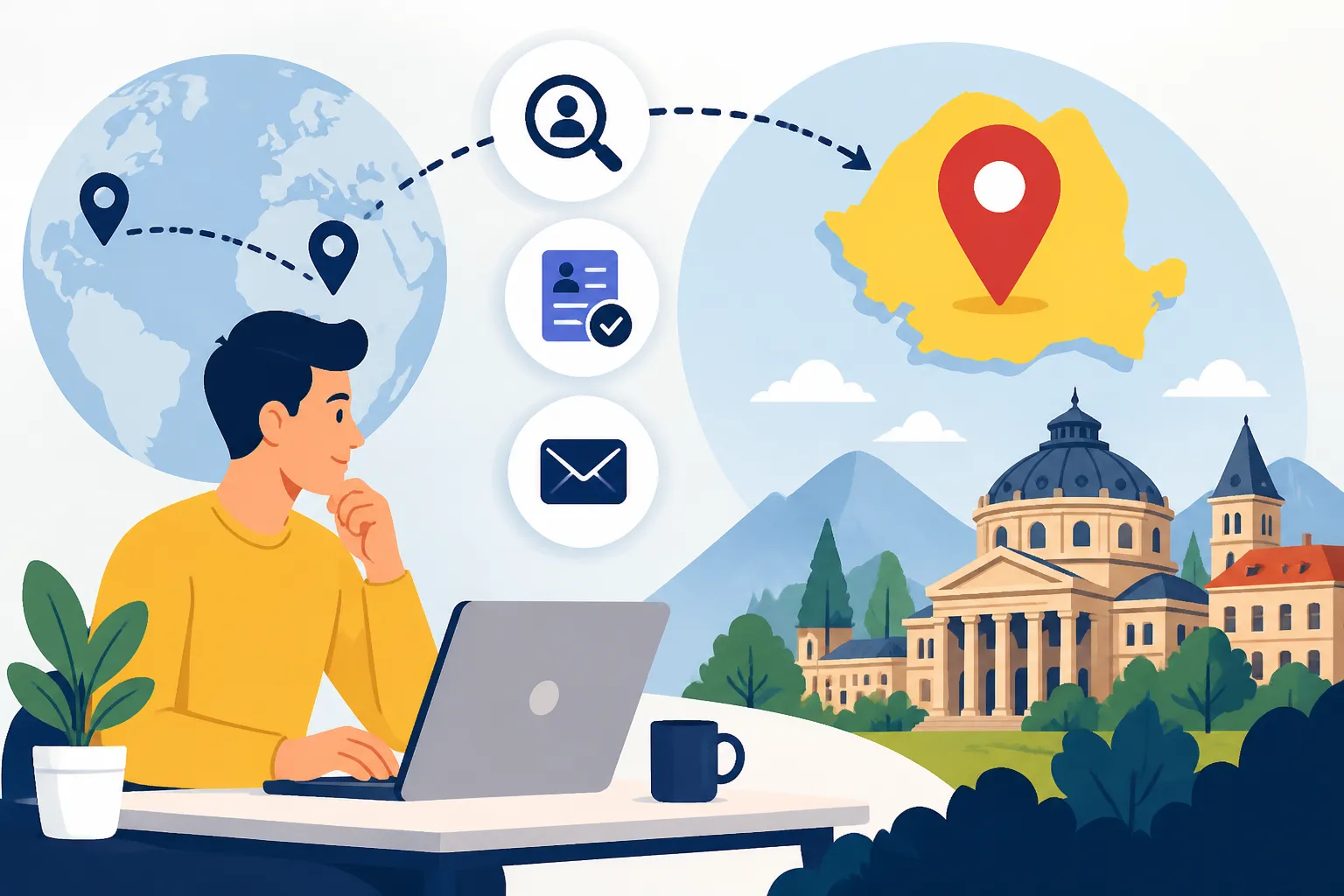
Hunting for a job in a new country, especially from thousands of miles away, can feel like navigating a dense, unfamiliar forest blindfolded. The administrative hurdles, the cultural nuances in job applications, and the sheer distance can make the whole process incredibly daunting. This guide is here to shine a light on that path, offering you a realistic, step-by-step approach to successfully finding employment in Romania even before you set foot on Romanian soil.
Understanding Romania's Job Market for Foreigners
Let's be honest, finding a job anywhere is tough, but doing it in a new country adds a whole new layer of complexity. Romania's job market has its unique quirks, and understanding them from afar is your first big step. It's not just about what jobs are available, but how the system works and what employers are looking for when they consider someone who isn't already living here.
Key Sectors and Opportunities
Romania's economy has been on a growth trajectory, and certain sectors are absolutely booming, making them prime hunting grounds for expats. The IT and Tech sector is undeniably the biggest draw, particularly in major cities like Bucharest, Cluj-Napoca, Iași, and Timișoara. Companies, both local and international, are constantly seeking skilled professionals in software development, cybersecurity, data analysis, and IT support. If you've got tech skills, you're in a good position, often finding roles that are more open to international candidates and sometimes even offer relocation support.
Beyond tech, the Business Process Outsourcing (BPO) and Shared Service Centers (SSC) industry is another massive employer of foreigners. These centers handle services like customer support, financial operations, HR, and IT for multinational corporations, and they are always on the lookout for native speakers of various languages – not just English, but German, French, Spanish, Italian, and many others. This is often where you'll find your first foot in the door in Romania, even if your background isn't strictly corporate. Healthcare, education (especially teaching English at private schools), and some niches within manufacturing or automotive also present opportunities, but these might require more specific qualifications or local licensing.
Language – Is Romanian Essential?
This is a question I get asked all the time, and the answer is nuanced. For many roles, particularly in the IT, BPO, and SSC sectors mentioned above, English is absolutely sufficient. Many multinational companies operate entirely in English, and some even prefer native English speakers for certain customer-facing or international project roles. So, don't let a lack of Romanian deter you immediately.
However, and this is a big however, knowing even basic Romanian will dramatically expand your job prospects and make your daily life infinitely easier. It shows initiative, a willingness to integrate, and can be a tie-breaker in competitive situations. Even just being able to greet people, ask for directions, or handle basic transactions in Romanian makes a huge difference. If you're serious about moving, starting to learn Romanian even before you arrive is a fantastic idea. Platforms like iTalki can connect you with tutors for online lessons, allowing you to get a head start on pronunciation and basic conversational phrases. Trust me, Romanians truly appreciate the effort, even if your grammar isn't perfect.
Visa and Work Permit Realities
For those of you coming from outside the EU/EEA, this is probably the biggest hurdle. Romania, as an EU member state, has specific regulations for non-EU citizens wanting to work. You'll almost certainly need a work permit (Aviz de Muncă) and a long-stay visa (Type D) for employment. The good news is that typically, your prospective employer is the one who initiates and sponsors the work permit process. This means finding a job first is usually a prerequisite to getting the necessary legal documents.
This part of the process can be lengthy and requires a lot of documentation from both you and your employer. It’s not uncommon for it to take several months, which is why patience is key. The employer needs to prove that no suitable Romanian or EU candidate could be found for the role. This entire process is why many non-EU expats tend to look for jobs with larger, international companies that have experience navigating Romanian immigration laws. For a more detailed look, you might want to check out our guide on How to Get a Work Permit (Aviz de Muncă) and Long-Stay Visa in Romania.
Crafting Your Application for the Romanian Context
Your resume and cover letter are your first impression, and how they're perceived can differ quite a bit from what you might be used to in your home country. You can't just send over the same old CV and expect it to resonate. You need to tailor it to the Romanian market.
CV and Cover Letter Tailoring
In Romania, many employers still appreciate a more traditional, detailed CV format. While in some Western countries, one-page resumes are standard, a two-page CV is often perfectly acceptable here, especially if you have significant experience.
Here are some key things to consider:
- Personal Information: Include your full contact details, email, and phone number (if you have a Romanian one or a reliable international number). Unlike some countries where it's frowned upon, it's fairly common, and sometimes even expected, to include a professional headshot on your CV. Make sure it's a clear, professional photo, not a selfie from your holiday!
- Education and Experience: List these in reverse chronological order. Be clear about your responsibilities and achievements in previous roles, using action verbs and quantifiable results where possible. Don't assume your foreign qualifications are immediately understood; briefly explain what they entail if they're not standard.
- Skills: Highlight both hard skills (software proficiency, technical skills, languages) and soft skills (communication, teamwork, problem-solving). Again, emphasize any language skills beyond your native tongue, especially English.
- Cover Letter: Always include one. It's your chance to directly address the specific company and role, explaining why you're a good fit and why you want to move to Romania. This is where you can show your genuine interest and enthusiasm. Avoid generic cover letters; personalize each one. If you're struggling with the specifics, our guide on How to Write a Romanian-Style CV and Cover Letter can offer valuable tips.
Highlighting Relevant Experience and Skills
When you're applying from abroad, employers might have questions about your adaptability and whether your skills will transfer effectively to a Romanian work environment. This is where you need to be proactive.
- Emphasize Transferable Skills: Think about skills that are universal and highly valued, such as project management, cross-cultural communication, problem-solving, analytical thinking, and leadership. If you've worked in diverse teams or international settings, definitely highlight that experience.
- International Exposure: If you have prior international work or study experience, make sure it stands out. It signals that you're comfortable in new environments and can adapt to different cultural norms, which is a huge plus for employers considering overseas candidates.
- Language Proficiency: Reiterate your language skills clearly. If you claim to be fluent in English, be prepared to demonstrate it in an interview. If you've started learning Romanian (perhaps with the help of platforms like iTalki), mention your current level and your commitment to improving.
Online Profiles and Networking
In today's globalized job market, your online presence is just as crucial as your paper CV.
- LinkedIn is King: Seriously, if you don't have a robust, up-to-date LinkedIn profile, get one. It's the primary professional networking platform in Romania, and many recruiters actively source candidates there. Optimize your profile with relevant keywords, showcase your skills, and connect with recruiters and professionals in your target industries in Romania.
- Local Job Boards: While international sites are useful, don't underestimate local Romanian job portals. Sites like eJobs.ro and BestJobs.ro are hugely popular here. Set up profiles, upload your CV, and set up job alerts.
- Expat Groups: Join expat groups on Facebook or other social media platforms related to Romania (e.g., "Expats in Bucharest," "Cluj-Napoca Expats"). These communities often share job leads, refer candidates, and offer valuable advice based on personal experience. They can also provide insights into the local job market and cultural expectations.
Top Strategies for Your International Job Search
Searching for a job from another country means you have to be extra strategic. You can't just pop into an office for a casual chat, so you need to leverage every tool at your disposal.
Utilizing Online Job Platforms and Recruitment Agencies
This is probably where most of your initial efforts will be focused. There's a wealth of resources available online, both international and local, that can connect you with opportunities.
- International Platforms: Sites like LinkedIn, Indeed, and Glassdoor are excellent starting points. Many multinational companies post their Romanian vacancies on these global platforms. You can filter by location and industry, and often apply directly.
- Romanian Job Boards: As mentioned, eJobs.ro and BestJobs.ro are dominant players. They list thousands of jobs across all sectors and are frequently used by both large corporations and smaller local businesses. Create an account, upload your CV (tailored as discussed), and set up alerts for roles that match your profile.
- Specialized Recruitment Agencies: For specific sectors, particularly IT, executive roles, or multilingual positions, consider reaching out to recruitment agencies that specialize in placing foreigners in Romania. They often have direct relationships with companies and can guide you through the process, sometimes even assisting with visa complexities. Some well-known agencies operate in Romania, and a quick search for "recruitment agencies Romania expat jobs" will give you a good list.
Here's a quick comparison of some popular job search channels:
| Channel | Pros | Cons | Best For |
|---|---|---|---|
| Professional networking, direct recruiter contact, global reach | Can be competitive, requires strong profile | IT, corporate, management roles, networking | |
| eJobs.ro / BestJobs.ro | High volume of local vacancies, Romanian market insights | Mostly Romanian language (though many job ads are in English) | All sectors, especially BPO, local companies |
| Recruitment Agencies | Expert guidance, access to unadvertised roles, visa support | May charge fees (to employer), limited to specific sectors/roles | Specialized roles, non-EU citizens seeking sponsorship, high-level positions |
| Company Websites | Direct access to roles, demonstrate genuine interest | Requires proactive research, time-consuming | Target companies, specific industry focus |
| Expat Forums/Groups | Community support, informal leads, real-world advice | Less structured, job quality can vary | Entry-level, networking, cultural integration advice |
Direct Applications and Company Websites
Sometimes, the best approach is to go directly to the source. If you have specific companies in mind – perhaps a multinational with offices in Romania, or a local company you admire – check their "Careers" or "Jobs" section on their official website.
- Targeted Approach: This strategy demonstrates genuine interest and research on your part. Instead of mass-applying, you're showing you've done your homework. Many companies prefer direct applications, as it saves them recruitment fees and ensures they're getting highly motivated candidates.
- Hidden Gems: Not all job openings are advertised on public platforms. Sometimes, companies will post vacancies exclusively on their own sites first, or they might even have evergreen applications where you can submit your CV for future consideration.
Networking from Afar
Networking isn't just about shaking hands at events; it's about building connections, even digitally. This is especially vital when you're trying to find a job in Romania from abroad.
- LinkedIn Groups: Join groups on LinkedIn related to your industry in Romania, or groups for expats in Romania. Engage in discussions, ask relevant questions, and offer your insights. This increases your visibility and can lead to informal referrals or direct contact from recruiters.
- Virtual Events: Keep an eye out for online career fairs, webinars, or industry conferences hosted by Romanian companies or professional organizations. Even attending virtually can help you learn about the market and make connections.
- Informational Interviews: Reach out to people working in your desired industry in Romania (e.g., via LinkedIn) and politely ask for a brief informational interview. Frame it as seeking advice and insights into the market, rather than directly asking for a job. People are often more willing to help when they feel their expertise is valued, and these conversations can lead to unexpected opportunities.
Navigating the Interview and Offer Process
Congratulations, you've landed an interview! This is where your efforts start paying off. But remote interviews and understanding Romanian employment offers require a bit more preparation.
Remote Interviews and Cultural Nuances
Most initial interviews, especially when you're applying from abroad, will be conducted virtually. Treat these just as professionally as you would an in-person meeting.
- Technical Readiness: Ensure a stable internet connection, good lighting, and a quiet background. Test your microphone and camera beforehand.
- Professionalism: Dress professionally, even if you're just sitting in your living room. Be punctual – better to log in 5-10 minutes early.
- Cultural Cues: Romanian business culture tends to be quite formal, at least initially. Be polite, respectful, and use formal address (e.g., "Mr./Ms. Last Name") unless invited to do otherwise. Eye contact (via the camera) is important, and a firm, confident demeanor is generally appreciated. If there's a language barrier beyond English, patience and clarity are key. Don't be afraid to ask for clarification if you don't understand a question.
- Time Zones: Be extremely mindful of the time difference. Double-check the interview time in both your local time zone and Romania's.
Understanding Salary Expectations and Negotiations
Research is absolutely crucial here. You don't want to undersell yourself, but you also need to have realistic expectations for the Romanian market.
- Research Local Benchmarks: Use sites like Glassdoor, Payscale, or even LinkedIn's salary insights for Romania. Expat forums can also offer anecdotal evidence. Remember that salaries in Romania, while competitive in certain sectors, might be lower than in Western Europe or North America, but the Cost of Living in Romania for Expats (2026) is also generally lower.
- Gross vs. Net: In Romania, salaries are usually discussed in gross (brut) terms. Be sure to understand the difference and what your net (net) take-home pay will be after taxes and social contributions. Our guide on Understanding Gross vs Net Salary and Payslips (Fluturaș) in Romania can help you demystify this.
- Negotiation: While Romanians appreciate politeness, don't shy away from negotiating your salary or benefits. Do your research, present your case confidently based on your experience and market value, and be prepared to justify your requests.
- Benefits: Beyond salary, consider the entire package. Many companies offer private health insurance (often through providers like Regina Maria or MedLife), meal tickets (tichete de masă), transport allowances, and other perks. These can significantly impact your overall compensation.
The Work Permit and Visa Hurdle (Again)
Once you have a job offer, the formal work permit and visa process begins in earnest for non-EU citizens. The employer will typically handle most of the paperwork on their end, but you'll need to provide numerous documents.
- Employer's Role: Your employer will usually apply for the work permit (aviz de muncă) on your behalf at the General Inspectorate for Immigration (IGI). This process involves proving your qualifications and that no local candidates were available.
- Your Responsibilities: You'll need to gather authenticated copies of your educational diplomas, criminal record checks, passport, and potentially a medical certificate. Once the work permit is approved, you'll then apply for the long-stay visa at the Romanian embassy or consulate in your home country.
- Patience and Persistence: This entire stage can be frustratingly slow, often taking several weeks to a few months. Stay in close communication with your employer and be prepared for potential delays or requests for additional documents. It’s a bureaucracy, but a necessary one to ensure your legal employment in Romania. You will eventually need to register for public health insurance (CASS) and get your personal numeric code (CNP), which are covered in depth in our guide on How to Get Your CNP (Personal Numeric Code) for Healthcare Access in Romania.
Preparing for Your Move: Beyond the Job Offer
Securing the job offer is a massive achievement, but it's just the beginning of your adventure. The next phase involves practical preparations for your move and settling into life in Romania.
Financial Planning and Legalities
Moving countries comes with a host of financial considerations that extend beyond your new salary. You'll need to get your financial house in order and understand the legal framework of your new home.
- Initial Expenses: Even with a job offer, you'll need funds for your visa application fees, flight, initial accommodation (before your rental security deposit is returned, for instance), and living expenses for at least the first month or two.
- Banking: Once you arrive, one of your first tasks will be to open a Romanian bank account. While many international banks operate here (like ING or Raiffeisen Bank), it can be a process, often requiring your residence permit or other official documents. Our guide on The Expat Guide to Opening a Bank Account in Romania can walk you through it.
- Taxes and Contributions: Understanding the Romanian tax system is crucial. As an employee, your employer will typically handle income tax and social contributions (pension and health insurance). However, it's wise to have a basic grasp of how it works, especially if you have other sources of income or if you're negotiating your salary. Consult resources like those from Taxes for Expats to get a clearer picture of your obligations, and refer to our comprehensive guide on The Complete Guide to Taxes in Romania for Expats (2027) for a detailed overview. Knowing about Understanding Social Contributions (CAS and CASS) for Employees in Romania is also essential for your long-term planning.
Cultural Integration and Support
The job might bring you here, but integrating into Romanian society will make your experience truly rewarding. Don't underestimate the importance of cultural adaptation.
- Continue Language Learning: Even if your job is in English, making an effort with Romanian will open doors to local friendships, better understand the culture, and make daily errands much smoother. Keep up with your lessons, whether through a tutor on iTalki, a local language school, or simply by practicing with colleagues and neighbors.
- Community Building: Seek out expat communities and local groups. Whether it's through sports clubs, hobby groups, or online forums, connecting with others can provide a support network and help you navigate the initial challenges of living abroad. Romanians are generally very welcoming, so don't be shy about striking up conversations.
- Adjusting to Work Culture: While many international companies in Romania operate with a global mindset, some local companies might have different hierarchies or communication styles. Be observant, ask questions, and be flexible in your approach. Understanding the nuances of the local work environment will ensure a smoother transition.
Finding a job in Romania from abroad is absolutely achievable, especially with the right approach and a good dose of patience. The country offers exciting opportunities, a vibrant culture, and a welcoming expat community. Take it step by step, do your research, and prepare thoroughly – your Romanian adventure awaits!
Disclaimer
The information provided in this guide is intended for general informational purposes only and does not constitute legal, financial, or immigration advice. While we strive to keep the information up-to-date and accurate, regulations and procedures in Romania can change frequently. It is highly recommended to consult with relevant legal, immigration, and financial professionals for advice tailored to your specific situation before making any decisions related to employment, visas, or residency in Romania.