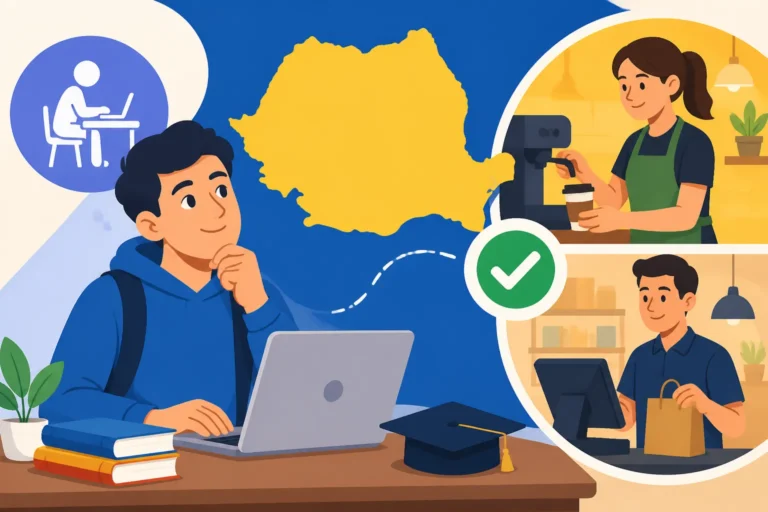
How to Find English-Speaking Jobs in Romania
It's no secret that moving to a new country like Romania brings with it a whole host of questions, and for many expats, finding a job that doesn't require fluent Romanian is right at the top of that list. You might feel a bit overwhelmed wondering where to even start, especially if your Romanian is still, well, a work in progress. But don't despair! This guide is here to walk you through the real-world landscape of English-speaking job opportunities in Romania, helping you navigate the job market with confidence.
The Landscape of English-Speaking Jobs in Romania
When you first arrive in Romania, it’s easy to assume that Romanian language proficiency is an absolute must for any decent job. While it certainly helps, and I always advocate for learning at least conversational Romanian, it’s simply not true that you're locked out of the professional world without it. Many sectors, especially those with an international focus, actively seek out English speakers, and sometimes even native speakers, for their unique skills and cultural understanding. The trick is knowing where to look and what expectations to set.
Industries in High Demand for English Speakers
Romania has seen significant growth in certain sectors over the past decade, many of which cater to international markets, thus creating a demand for multilingual professionals, with English often being the primary prerequisite. These are typically fast-paced, dynamic environments that thrive on global connectivity.
One of the most prominent sectors is Information Technology (IT). Bucharest, Cluj-Napoca, Iași, and Timișoara are rapidly becoming tech hubs, attracting major international companies and fostering a vibrant startup scene. These companies are almost exclusively looking for candidates who can communicate effectively in English, as their projects and teams often span multiple countries. From software development and quality assurance to project management and cybersecurity, if you have a tech background, your English skills are a huge asset here. Similarly, the Business Process Outsourcing (BPO) and Shared Service Center (SSC) industries are massive employers of English speakers. These centers handle operations like customer service, technical support, finance, and HR for global companies, meaning English (and often other European languages) is the daily working language. We're talking about huge companies with vast operations that need a constant influx of talent.
Beyond these giants, you'll also find opportunities in tourism and hospitality, especially in major cities and popular tourist destinations like Brașov or the Black Sea coast. International hotels, travel agencies, and tour operators frequently look for staff who can assist English-speaking clients. Education is another consistent area; private international schools and language centers are always on the lookout for qualified English teachers. Finally, consulting firms, marketing agencies, and media companies that work with international clients will almost always require strong English proficiency.
Key Cities for Expat Employment
While Bucharest often steals the spotlight, Romania boasts several other cities that offer excellent prospects for English-speaking expats. Each has its own vibe and dominant industries.
Bucharest, as the capital and largest city, naturally has the most diverse and numerous job opportunities. It's the primary hub for IT, BPO/SSC, finance, and international corporate headquarters. You'll find the widest array of roles, from entry-level customer support to senior management positions. The competition can be tougher, but the sheer volume of jobs makes it a fertile ground for job seekers. Rent and living costs are generally higher than elsewhere, but salaries tend to follow suit.
Cluj-Napoca, often called the "Silicon Valley of Transylvania," is a powerhouse for IT and tech. It has a youthful, vibrant energy, driven by its large university population and numerous startups. If your background is in tech, Cluj should definitely be on your radar. While it's slightly smaller than Bucharest, its expat community is growing rapidly, and English is widely spoken, especially within the tech bubble.
Iași and Timișoara are also significant players, particularly in IT and BPO. Iași, in the northeast, is a major university city with a burgeoning tech scene and a strong presence of international companies. Timișoara, in the west, benefits from its proximity to Hungary and Serbia, making it a strategic location for many businesses, including automotive and manufacturing, in addition to IT and BPO. Both cities offer a slightly more relaxed pace of life compared to Bucharest, with lower living costs but still plenty of professional opportunities. You might also find niche opportunities in cities like Brașov, particularly in tourism or smaller tech firms, but the main action for English speakers is truly concentrated in these larger urban centers.
Understanding the Language Barrier or Lack Thereof
Let's address the elephant in the room: the Romanian language. While many expats worry that not knowing Romanian will be an insurmountable barrier, the reality for English-speaking jobs is often quite different. In the specific industries and roles mentioned above, English is frequently the official working language. Company meetings, emails, internal communications, and even casual conversations among colleagues can often happen entirely in English, especially in international teams.
However, it's crucial to distinguish between the workplace and daily life. While your job might be entirely in English, navigating bureaucracy, going to the local market, or even just chatting with your elderly neighbor will require some Romanian. And let's be honest, making an effort to learn the local language goes a long way in showing respect and helping you integrate. Many expats struggle with small things simply because they never bothered with "Bună ziua" or "Mulțumesc." Even a few basic phrases can transform your experience. Moreover, a basic grasp of Romanian can sometimes be a differentiator in job applications, showing initiative and commitment to staying long-term. Don't feel pressured to be fluent before you arrive, but do consider investing in lessons; resources like iTalki can be fantastic for connecting with tutors who can help you with practical, everyday Romanian.
Top Sectors for International Talent
Now that we’ve looked at the overall picture, let’s drill down into specific sectors where your English language skills aren't just a bonus, but often a core requirement. These are the sweet spots for expats looking to build a career in Romania.
IT and Tech Roles
Romania’s IT sector is booming, showing no signs of slowing down. Companies ranging from multinational corporations to agile startups are constantly on the hunt for skilled professionals. The workforce is highly educated and innovative, making it a very attractive location for tech investment.
What kinds of roles are we talking about? The spectrum is broad. Software developers are always in high demand, whether it's for front-end, back-end, full-stack, mobile, or specialized areas like data science and machine learning. Quality Assurance (QA) engineers, DevOps specialists, cloud architects, and cybersecurity experts are also highly sought after. But it’s not just about coding; project managers, business analysts, technical writers, and UI/UX designers with excellent English communication skills are equally valuable. Many of these roles involve working in international teams, often with clients or colleagues in Western Europe or North America, making English the undisputed lingua franca. If you have a strong portfolio or relevant experience in tech, you’ll find numerous opportunities. Companies like Endava, Ubisoft, Luxoft, and countless others have significant presences here and operate almost exclusively in English. For a deeper dive into this sector, check out the guide on Working in Romania's IT and Tech Sector: The Expat Guide (2026.
Business Process Outsourcing (BPO) and Customer Service
This is probably one of the most accessible entry points for many English-speaking expats, especially those without highly specialized technical skills or advanced degrees. Romania has become a major hub for BPO and Shared Service Centers (SSC) due to its educated workforce, competitive labor costs, and strong multilingual capabilities. These centers provide services across various functions for large international companies.
Think about customer support representatives, technical support specialists, financial analysts, HR administrators, and data entry clerks. While these roles often require English, many centers also look for speakers of German, French, Italian, Spanish, and other European languages to cater to diverse client bases. The work environment in a BPO/SSC can be very multicultural, making it a great place to meet people from different backgrounds. Companies like Genpact, Amazon, Wipro, and Accenture operate massive service centers in cities across Romania. While some positions might be entry-level with structured training provided, others require specific expertise in finance, accounting, or IT support. These jobs typically offer competitive salaries for the region and often come with benefits packages, including private health insurance, meal vouchers, and opportunities for career progression within the company.
Education and Language Teaching
If you have a passion for teaching and a native or near-native command of English, the education sector offers consistent opportunities. This is particularly true in major urban areas.
International schools are the top tier here, catering to expat children and affluent Romanian families. They generally follow British, American, or International Baccalaureate curricula and require teachers with recognized teaching qualifications from their home countries. Salaries at these institutions are often very competitive, comparable to what you might earn in Western Europe, and they usually come with excellent benefits. Think schools like the American International School of Bucharest or the British School of Bucharest. On another level, private language centers are perennially hiring English teachers for both children and adults. These roles might not pay as much as international schools, but they are more flexible and often don't require formal teaching credentials beyond a TEFL/TESOL certificate and native-level English. They cater to a broad range of students, from business professionals to young learners. You might also find opportunities as a private tutor, setting your own rates and schedule. While official universities might require Romanian for core positions, many host international programs or language departments that employ English speakers.
Other Niche Opportunities
Beyond the main sectors, there are various other avenues where English proficiency can open doors, though these might require more specialized skills or networking.
Marketing and Communications firms, especially those working with international clients or brands, often need English-speaking specialists for content creation, social media management, PR, and digital marketing. Similarly, journalism and media outlets, particularly those serving the expat community or focusing on international news, will hire English-speaking writers and editors. The tourism sector beyond basic hospitality can also be a good fit, with roles in marketing, sales, or management for boutique hotels, travel agencies specializing in inbound tourism, or adventure travel companies. For those with a legal background, international law firms or corporate legal departments often seek legal professionals fluent in English for contract review, compliance, or international arbitration. While these roles might be fewer in number, they often offer higher salaries and intellectually stimulating work.
Essential Tools and Strategies for Your Job Search
Finding an English-speaking job in Romania isn't just about knowing where the opportunities are; it's also about how you approach the search. Having the right tools and strategies can make all the difference, cutting down on frustration and speeding up your success.
Online Job Platforms and Professional Networking
In today’s digital age, online platforms are your primary gateway to the Romanian job market. They are where most companies, from small startups to multinational giants, post their vacancies.
LinkedIn is arguably the most crucial platform for professional job seekers in Romania. Many recruiters actively use it, and you can filter jobs by location, industry, and language requirements. Make sure your profile is up-to-date, professional, and highlights your English proficiency and international experience. Connecting with people already working in your target companies or industries in Romania can also lead to valuable insights and even referrals. Other popular job boards include eJobs.ro and BestJobs.eu. While these are primarily Romanian-language platforms, they also feature many English-speaking roles, often explicitly stating "English speaker" or "fluent in English" in the requirements. Don't be deterred by the Romanian interface; most modern browsers offer translation features, and the key details will usually be clear enough. Additionally, some international companies operating in Romania will post jobs directly on their global career sites, so it's worth checking the websites of companies you're interested in.
Beyond online applications, networking remains incredibly powerful. Attending industry events, expat meetups, and professional workshops (many of which are held in English in major cities) can open doors to unadvertised positions or provide crucial insider information. Join expat groups on Facebook or other social media platforms; these communities often share job leads and advice. Remember, a personal recommendation can often bypass many hurdles in the application process, so don't underestimate the power of simply getting out there and meeting people. The article How to Network Professionally in Romania offers more detailed advice on this.
Crafting a Romanian-Friendly CV and Cover Letter
While the jobs are in English, the hiring process often has local nuances. A well-crafted CV and cover letter tailored to Romanian expectations can significantly improve your chances.
First and foremost, your CV should be clear, concise, and professional. In Romania, it’s common for CVs to include a photo, personal details like marital status, and even an explicit statement of your age. While in some Western countries this might be frowned upon, here it's often expected. Always ensure your contact details are prominently displayed, including a Romanian phone number once you have one. Highlight your English language skills (native, fluent, advanced, etc.) and any other languages you speak. Quantify your achievements whenever possible – don't just list responsibilities, show what you accomplished. For instance, instead of "Managed customer complaints," try "Resolved over 100 customer complaints per month, improving satisfaction by 15%."
Your cover letter should be tailored to each specific job and company. Avoid generic templates. Clearly explain why you are interested in that particular role and that particular company in Romania, and how your skills and experience align with their needs. Address the hiring manager by name if possible, rather than a generic "Dear Sir/Madam." Express your enthusiasm for relocating to or living in Romania, showing you're committed. It's often helpful to acknowledge that you are a foreigner seeking work in Romania, and if you have a work permit or are an EU citizen, mention this upfront to ease any concerns about visa sponsorship. For an in-depth guide on making your application stand out, refer to How to Write a Romanian-Style CV and Cover Letter.
Leveraging Recruitment Agencies
For many expats, working with a recruitment agency can be an incredibly effective strategy. These agencies specialize in connecting job seekers with employers, and many have dedicated departments for international hires or roles requiring specific language skills.
The biggest advantage is that recruiters often have access to a wider range of job openings, including positions that are never publicly advertised. They also understand the local job market nuances, can help you fine-tune your CV, and prepare you for interviews. For English-speaking roles, they often act as a bridge between international candidates and Romanian companies. Some of the well-known international recruitment firms with a strong presence in Romania include Adecco, Manpower, and Randstad. There are also local agencies that specialize in BPO, IT, or specific industries. When you engage with an agency, be clear about your experience, your salary expectations, and your visa/work permit status (e.g., EU citizen, non-EU needing sponsorship). They can save you a lot of time and effort by matching you with suitable roles and companies that are genuinely looking for international talent. While their services are typically free for job seekers (as they're paid by the employer), always ensure you understand their process and how they handle your data.
Navigating the Application and Interview Process
Once you've applied, the next hurdle is the interview. The interview process in Romania has its own rhythms and expectations, and understanding them can significantly boost your confidence and performance.
Common Interview Practices in Romania
Interviews in Romania, especially for international companies, largely follow global best practices. Expect a multi-stage process, typically starting with an HR screening call, followed by one or more rounds with hiring managers and potentially a team interview. For technical roles, coding tests or case studies are common.
During the interview, professionalism and punctuality are highly valued. Always arrive on time, whether it's for an online call or an in-person meeting. Dress smartly, even for virtual interviews. Be prepared to discuss your experience in detail, highlighting how your skills translate to the job requirements. While formal, Romanian interviews often include a more personal touch; don't be surprised if interviewers ask about your hobbies or why you chose Romania. This is often a way to gauge cultural fit and your potential for long-term integration. Be enthusiastic, show genuine interest in the role and the company, and have some thoughtful questions prepared for your interviewers. Asking questions about team culture, growth opportunities, or specific projects demonstrates engagement. Also, be ready to discuss your salary expectations early on – it’s a common part of the initial screening.
Salary Expectations and Negotiation Tips
Setting realistic salary expectations is crucial to avoid disappointment. While salaries in Romania are generally lower than in Western Europe or North America, the cost of living is also significantly lower, especially outside of Bucharest. This often means a higher quality of life for the same (or even less) net income.
Research is key here. Look at job postings for similar roles and levels of experience to get a ballpark figure. Websites like PayScale, Glassdoor, and even eJobs.ro and BestJobs.eu often provide salary ranges. Understand the difference between gross and net salary, as your monthly take-home pay can be significantly affected by taxes and social contributions. For detailed information on this, the article Understanding Gross vs Net Salary and Payslips (Fluturaș) in Romania can be very helpful. When discussing salary, aim for a realistic range rather than a single fixed number. You can say something like, "Based on my experience and the market rates for this role, I am looking for a salary in the range of X to Y gross lei." Be prepared to justify your expectations with your skills and experience. Negotiation is possible, but usually within a reasonable margin. Beyond the base salary, consider the overall compensation package: private health insurance, meal vouchers, transport allowance, performance bonuses, and professional development opportunities can add significant value. Sometimes, a company might not budge much on the base salary but could offer a more attractive benefits package.
Understanding Employment Contracts
Once you land a job, understanding your employment contract is paramount. Romanian labor law is comprehensive, and contracts are typically in Romanian. Even if the working language of the company is English, your legal contract will be in Romanian, so ensure you understand every clause.
Most employment contracts will be for an indefinite period (contract pe durată nedeterminată), but fixed-term contracts (contract pe durată determinată) are also common, especially for project-based roles or initial probationary periods. Key elements to pay attention to include your job description and responsibilities, working hours, salary (gross amount), benefits, annual leave entitlements, and the notice period required for resignation (preaviz). Probationary periods (perioada de probă) are standard and can last from a few weeks to up to 90 days or even 120 days for management roles. During this time, either party can terminate the contract more easily. It is highly advisable to have a trusted Romanian speaker or a lawyer review your contract before signing, just to ensure there are no surprises and that you fully understand your rights and obligations under Understanding Romanian Employment Contracts and Worker Rights (2026.
Legal and Administrative Considerations for Foreign Workers
While finding the job is one thing, ensuring you can legally work and reside in Romania is another. This administrative side can often feel like a bureaucratic labyrinth, but it’s entirely navigable with the right information.
Work Permits and Visas for Non-EU Citizens
For non-EU citizens, securing the right to work in Romania involves obtaining both a work permit (Aviz de Muncă) and a long-stay visa for employment purposes, followed by a residence permit. This process can be lengthy and requires careful attention to detail.
Generally, the process starts with your prospective employer in Romania. They need to apply for a work permit on your behalf with the General Inspectorate for Immigration (IGI), demonstrating that they couldn't find a suitable candidate from the Romanian or EU labor market. Once the work permit is approved, you then apply for a long-stay visa (Type D/AM – for employment) at the Romanian embassy or consulate in your home country. This visa allows you to enter Romania. Upon arrival, within a specified timeframe, you must apply for a temporary residence permit (Permis de Ședere) at the IGI to legalize your stay and work in the country. This permit is usually issued for one year and needs to be renewed. The required documents for each stage are extensive and include your passport, job offer, work permit approval, proof of accommodation, and proof of health insurance. Navigating this without help can be tricky, so many employers assist with the process. The guide on How to Get a Work Permit (Aviz de Muncă) and Long-Stay Visa in Romania provides a comprehensive breakdown. For EU/EEA/Swiss citizens, the process is much simpler; you generally only need to register your residency with the IGI after three months of stay.
Tax Implications for Expats
Understanding your tax obligations is essential for financial planning in Romania. As an expat, your tax residency status determines how your income is taxed.
If you become a tax resident of Romania (typically by spending more than 183 days in the country within a 12-month period), your worldwide income becomes subject to Romanian taxes, although double taxation agreements can prevent you from paying tax twice on the same income. Romania has a flat income tax rate of 10% on salaries, which is quite attractive compared to many other European countries. However, beyond income tax, you'll also contribute to mandatory social contributions (CASS for health, CAS for pension), which are deducted from your gross salary. Your employer handles these deductions for you if you're formally employed. For self-employed individuals (PFA), the system is different, requiring you to declare and pay these contributions yourself, usually through the Declarația Unică (Single Tax Return). It’s crucial to understand these rules to avoid any issues with the tax authorities (ANAF). Given the complexities, especially if you have income from multiple sources or countries, consulting with a tax advisor specializing in expat taxation or utilizing services like Taxes for Expats can be incredibly beneficial. For a complete picture, refer to The Complete Guide to Taxes in Romania for Expats (2026.
The Importance of Learning Basic Romanian
We've touched on this before, but it bears repeating: while English might be your working language, making an effort to learn Romanian will vastly improve your experience and opportunities in Romania.
Beyond the obvious benefits for daily life – going to the shop, ordering food, dealing with administrative tasks – a willingness to learn the local language demonstrates respect and commitment. Romanians generally appreciate any effort to speak their language, and it can help you forge stronger relationships with colleagues, neighbors, and locals. Professionally, even basic conversational Romanian can be an advantage. It shows adaptability and a deeper commitment to integrating into Romanian society and culture, which can be viewed positively by employers, especially for long-term career prospects. It can also help you understand workplace dynamics and social cues that might be missed if you only operate in English. Enrolling in language courses or using online platforms for language exchange, like iTalki, can be a great starting point. The article on Learning Romanian: A Complete Guide to Language Courses and Levels offers a good overview of options.
Building Your Professional Network in Romania
Finding a job isn't just about what you know; it's often about who you know. In Romania, like many places, building a strong professional network can be invaluable for career advancement and discovering new opportunities.
Expat Communities and Professional Meetups
One of the easiest ways to start building your network is by connecting with other expats. They’ve been through similar experiences and can offer advice, share job leads, and introduce you to their contacts.
Cities like Bucharest and Cluj-Napoca have vibrant expat communities. Look for Facebook groups such as "Expats in Bucharest" or "Cluj Expats," where people often share job postings, recommendations for services, and organize social events. These groups can be a lifeline for initial integration. Beyond general expat groups, seek out professional meetups and industry-specific events. Platforms like Meetup.com often list gatherings for IT professionals, entrepreneurs, digital nomads, and various other interest groups. Many of these events are conducted in English, providing an excellent opportunity to meet like-minded individuals, potential collaborators, or even future employers. Attending conferences related to your industry is also a fantastic way to meet key players and expand your network. Remember to bring business cards and be prepared to introduce yourself and what you do.
Volunteering and Internships for Local Experience
If you're finding it difficult to land a permanent role right away, especially if you're new to the Romanian job market, consider volunteering or taking on an internship. This can be a strategic move to gain local experience and expand your network.
Volunteering for a local NGO, charity, or event can provide invaluable insights into Romanian work culture, help you develop new skills, and introduce you to a diverse group of people. Even if the work isn't directly related to your long-term career goals, the connections you make and the experience you gain in a Romanian context can be highly beneficial. Similarly, internships, even unpaid or low-paid ones, can serve as a stepping stone. Many international companies offer internship programs that can lead to full-time employment. This allows you to demonstrate your skills and work ethic while gaining a clearer understanding of the local professional environment. Plus, it gives you a tangible "Romanian experience" to add to your CV, which can address potential employer concerns about your familiarity with the local market. Think of it as an investment in your future career here.
Disclaimer
Please remember that while I strive to provide the most accurate and up-to-date information based on general knowledge and available public resources, I am not a legal, financial, or immigration expert. Rules and regulations in Romania can change, and individual circumstances vary greatly. Always consult with qualified professionals (e.g., immigration lawyers, tax advisors, HR specialists) for personalized advice regarding your specific situation. This guide is for informational purposes only and should not be considered as professional counsel.