How Do I Get Emergency Dental Care in Romania?
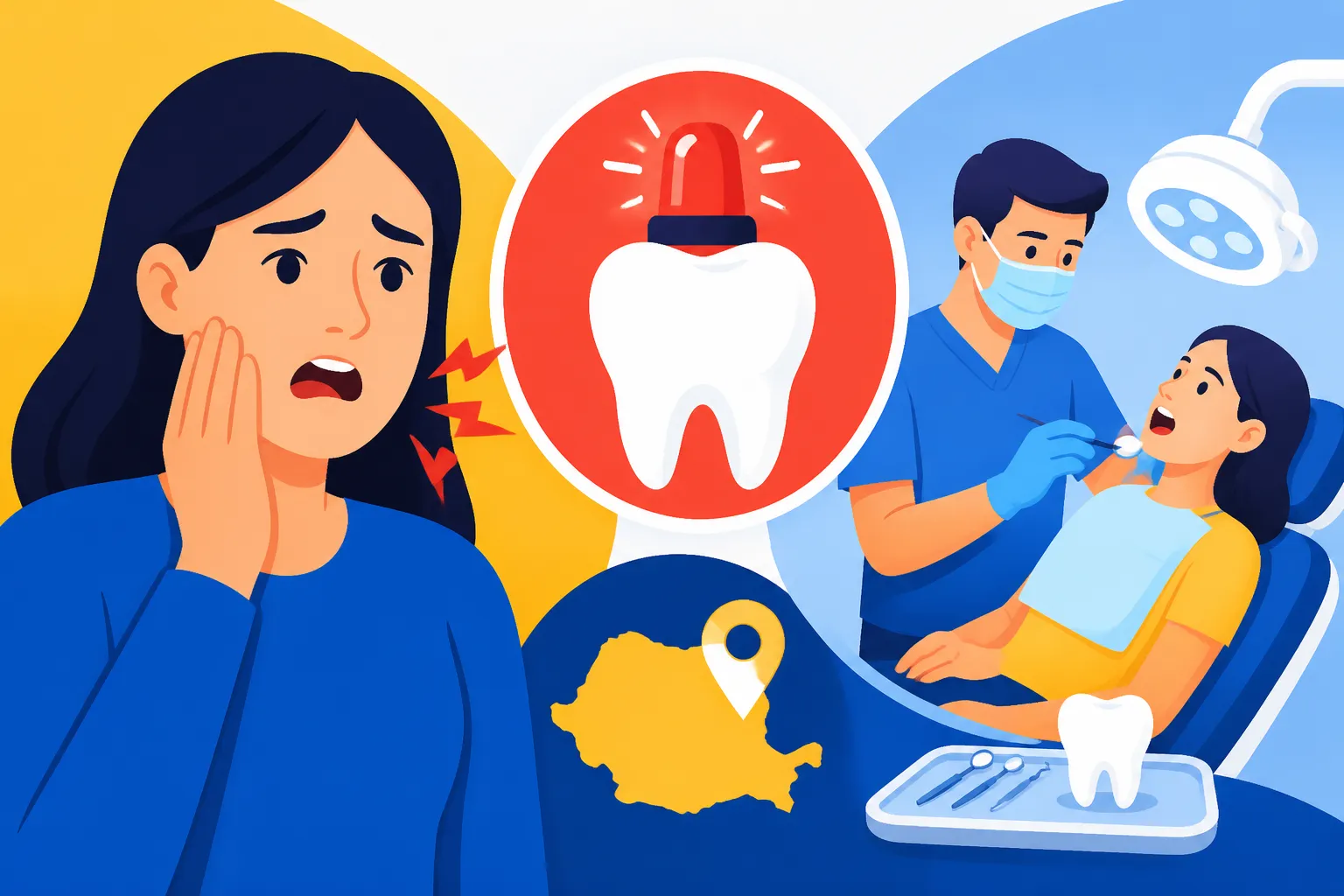
There's nothing quite like the sudden, sharp, utterly debilitating pain of a dental emergency, especially when you're far from home in a new country. That gnawing dread, the desperate Google searches for "dentist near me" while clutching your jaw, the fear of language barriers – it's a special kind of expat hell. Trust me, I've been there, staring blankly at Romanian dental signs with a throbbing tooth. This guide is here to cut through the panic, giving you clear, actionable steps on how to get emergency dental care in Romania when you need it most.
Understanding Dental Emergencies in Romania: What Qualifies?
First things first, let's talk about what actually constitutes a dental emergency. It’s easy to panic over any ache or twinge, but differentiating between a truly urgent situation and something that can wait a day or two will guide your actions and reduce stress. The Romanian dental system, much like others, has its own interpretations of what requires immediate attention.
Identifying a True Emergency vs. Urgent Care
A true dental emergency in Romania, as elsewhere, generally involves situations that threaten your oral health or overall well-being and require immediate professional intervention to prevent severe complications. Think along these lines:
- Severe, unrelenting pain: This isn't just a dull ache. This is pain that keeps you up at night, isn't responding to over-the-counter painkillers, and is making it impossible to eat or concentrate. It often indicates an acute infection, an exposed nerve, or a severe abscess.
- Facial swelling or fever: If the pain is accompanied by swelling in your face, jaw, or neck, and especially if you also have a fever, this is a serious sign of infection that could spread rapidly. This absolutely warrants immediate attention.
- Trauma: A knocked-out tooth, a fractured jaw, or teeth severely loosened or displaced due to an accident or fall. Time is of the essence here, especially for a knocked-out tooth, which might be saved if you act quickly.
- Uncontrolled bleeding: If you've had a tooth extracted recently or experienced trauma, and the bleeding won't stop with pressure, seek help immediately.
On the other hand, urgent dental care situations, while uncomfortable, usually allow for scheduling an appointment within 24-48 hours. These might include:
- Lost filling or crown: Annoying, sensitive, and definitely needs fixing, but typically not life-threatening unless accompanied by severe pain or sharp edges cutting your tongue.
- Chipped or cracked tooth (without severe pain): If it's not hurting badly and there's no sharp, exposed nerve, it can usually wait a bit.
- Dull toothache or sensitivity: While unpleasant, if it's manageable with pain relievers and not worsening rapidly, you can usually schedule a regular appointment.
It’s completely normal to feel overwhelmed and unsure, especially with the added layer of being in a foreign country. My advice? When in doubt, err on the side of caution. A quick phone call to a private clinic (more on those later) can often clarify whether your situation is urgent enough for an immediate visit. They can guide you through the initial assessment over the phone, saving you a wasted trip if it’s not truly an emergency.
Initial Steps: What to Do Immediately
When that dental disaster strikes, a few immediate actions can make a huge difference, both for your comfort and potentially for the outcome.
First, manage the pain. Over-the-counter pain relievers like ibuprofen (Nurofen, Brufen) or paracetamol (Paracetamol, Panadol) are widely available in Romanian pharmacies (Farmacie). Look for pharmacies marked with a green cross. Many are open late, and some in larger cities are 24/7. Just tell the pharmacist "durere de dinți" (tooth pain) and they'll likely point you to a strong option. Cold compresses on the outside of your cheek can also help reduce swelling and numb the area temporarily.
For trauma involving a knocked-out tooth, pick it up carefully by the crown (not the root!). If it's dirty, rinse it gently with milk or saline solution – not water. Try to reinsert it into the socket if possible, holding it in place gently. If you can't, keep the tooth moist by placing it in a cup of milk, your own saliva, or a tooth preservation kit if you happen to have one. Get to a dentist within 30 minutes to an hour for the best chance of saving it. This is a prime example of a true emergency.
If you have a chipped or broken tooth with sharp edges, you can try to cover it with a piece of sugar-free chewing gum or dental wax (if you have it) to protect your tongue and cheek from cuts until you can see a dentist.
Remember, these are temporary measures. They buy you time but don't solve the underlying problem. The next crucial step is finding professional help, and quickly.
Navigating the Romanian Dental System for Emergencies
The Romanian healthcare system, including dental care, can be a maze for expats. You have public and private options, each with its own advantages and frustrations. For emergencies, understanding these differences is key.
Public vs. Private Dental Care for Emergencies
This is where the rubber meets the road, and where many expats find themselves in a bit of a pickle.
Public System (CNAS)
The public healthcare system, managed by the Casa Națională de Asigurări de Sănătate (CNAS), theoretically offers some dental services. However, for emergencies, it's generally not the expat's first or best choice.
- Limited Coverage and Bureaucracy: Even if you are registered for public health insurance (CASS) and are fully covered, public dental care under CNAS is often very basic. For emergencies, it primarily covers acute conditions such as infections requiring extraction, drainage of abscesses, or very basic pain relief for specific conditions. Procedures like root canals, complex fillings, or reattaching a knocked-out tooth are usually not fully covered or require significant co-payments, even in emergency situations. You can read more about Understanding Dental Care Coverage Under CNAS in Romania, but be prepared for limitations in urgent scenarios.
- Long Waits and Language Barriers: Public clinics and hospital dental departments, if they exist, can have long waiting times, even for emergencies, especially outside of major cities. The staff may not speak English, which, when you're in excruciating pain, is the last thing you need to contend with. Navigating the paperwork and proving your CASS contributions can also be a hurdle in an emergency setting. The whole system can feel sluggish and frustrating, a feeling many expats can relate to when dealing with official Romanian institutions.
- Not Always "Emergency-Ready": While some larger public hospitals might have an stomatology department, they are often not geared for immediate, walk-in emergency dental like private clinics are. You might find yourself being evaluated by a doctor who refers you elsewhere or tells you to come back during specific hours, which is hardly helpful when your face is swelling. What is covered by public health insurance in Romania? tends to be fairly restricted for dental, especially for anything beyond very basic, acute interventions.
Private Clinics (The Expat's Best Bet)
For almost all dental emergencies in Romania, private clinics are overwhelmingly the recommended choice for expats and tourists. This is not just about convenience; it’s about quality, speed, and communication.
- Speed and Accessibility: Private dental clinics are set up to handle emergencies quickly. Many offer dedicated emergency slots or will fit you in between scheduled appointments if you call with severe pain. Some even have 24/7 emergency lines or extended opening hours. You can often walk in, explain your situation, and be seen by a dentist within a reasonable timeframe.
- English-Speaking Staff and Modern Facilities: This is a huge relief when you're in pain and need to clearly describe your symptoms. Most private clinics in major cities like Bucharest, Cluj-Napoca, Timișoara, or Iași have dentists and receptionists who speak excellent English. The facilities are typically modern, clean, and equipped with the latest technology, including digital X-rays and comfortable treatment rooms. This contrasts sharply with some older public facilities. Brands like Regina Maria and MedLife, primarily known for general medical services, also often have large, modern dental departments within their polyclinics. Other large dental networks like DENT ESTET, Dr. Leahu Dental Clinics, or Dentatec are also excellent choices, often specializing entirely in advanced dental care.
- Clearer Costs and Payment: You will pay out-of-pocket at private clinics, but the costs are usually transparent. They'll typically give you an estimate after the initial consultation and diagnosis. While not cheap, they are often more affordable than in Western Europe or North America. Expect to pay immediately, usually by card or cash. You can get an idea of How Much Does Dental Treatment Cost in Romania Without Insurance? for routine care, but emergencies might incur a slightly higher initial consultation fee. Ultimately, the peace of mind from prompt, clear, and high-quality care is often worth the expense. Are Private Clinics in Romania Worth the Cost? is a question many expats ask, and for dental emergencies, the answer is almost always a resounding yes.
Finding an Emergency Dentist Near You
Okay, the pain is real, you've accepted that a private clinic is your best bet, but how do you find one right now?
- Online Search & Recommendations: Your best friend here is Google Maps. Type in "clinică stomatologică urgență București" (or whatever city you're in), "dentist emergency Bucharest," or "24/7 dentist Romania." This will bring up clinics with their locations, opening hours, and often reviews. Expat Facebook groups for Romania (like "Expats in Bucharest" or similar for other cities) are also invaluable resources. Ask for recommendations – you'll often get immediate responses with trusted clinics where other expats have had good experiences.
- Hospital Dental Departments (Private Hospitals): While public hospitals are less ideal, some private hospitals (like those under Regina Maria or MedLife) might have emergency dental units, or at least a rapid referral system to their own dental clinics. If you're already familiar with one of these networks for your general healthcare, it might be a good first point of contact.
- Asking Your Family Doctor: Even if your general practitioner doesn't handle dental issues, your The Expat Guide to Finding a Family Doctor (Medic de Familie) in Romania might have a network of trusted specialists, including dentists, they can recommend. This can be especially helpful if you're in a smaller town where options might be less obvious. They might even be able to call ahead for you.
- Call First! Always try to call the clinic before heading there, even if it's an emergency. Explain your situation (in English if possible, most clinic receptionists will understand "emergency dentist" or "durere de dinți"). They can tell you if they have availability, what documents to bring, and what to expect. This saves you a potentially painful and frustrating trip. Many clinics have staff dedicated to managing urgent appointments.
Practicalities of Emergency Dental Visits
So you've found a potential clinic, you're on your way (or on the phone). What comes next? Being prepared can make the whole experience smoother.
What to Bring and What to Expect
Having your ducks in a row, even when your head is throbbing, can really help.
- Documents: Always bring your passport or ID card and your Romanian residence permit (Permis de Ședere), if you have one. If you have public health insurance (CASS), bring proof of that, though as discussed, its utility for emergencies is limited. If you have any private health insurance that might cover emergency dental, bring your policy details and card.
- Payment: This is crucial. Private clinics will expect payment, often immediately after the procedure or after each stage of treatment. Bring your credit/debit card and some cash as a backup. While major clinics accept cards, smaller ones might prefer cash for certain services. Don't be shy about asking for an estimated cost upfront.
- Communication: Most reputable private clinics in larger cities will have English-speaking staff. However, if you're unsure, have Google Translate ready on your phone. It can be a lifesaver for describing specific symptoms or understanding complex medical terms. Write down your symptoms beforehand, how long you've had them, what makes them better or worse, and any medications you're taking. This structured information can overcome many language barriers.
- What to Expect During the Visit:
- Initial Consultation: The dentist will assess your pain, ask about your symptoms, and perform a visual examination.
- X-rays: Almost certainly, they will take an X-ray (radiografie) to diagnose the problem accurately, especially for pain, infection, or trauma. This is standard procedure.
- Diagnosis and Treatment Plan: The dentist will explain what's wrong and propose immediate treatment to alleviate pain and address the acute issue. This might involve a temporary filling, drainage of an abscess, an emergency root canal opening, or an extraction.
- Immediate Relief: The priority is usually to get you out of pain. This might not be the definitive solution but a necessary first step.
- Follow-Up: They will then discuss a long-term treatment plan and schedule follow-up appointments.
It's a tough situation, being vulnerable and in pain in a foreign medical setting. But remember, Romanian dentists are well-trained, and private clinics especially pride themselves on patient care. Many expats have positive experiences with the professionalism and skill of Romanian dental professionals, even during stressful emergencies.
Costs and Insurance Coverage
Let's talk money, because it's always a concern, especially when you weren't expecting a hefty dental bill.
Typical Costs
Emergency dental care costs in Romania can vary significantly depending on the clinic, the city, and the complexity of the issue. However, here's a rough idea of what to expect in private clinics:
| Service | Estimated Cost (RON) | Estimated Cost (EUR) | Notes |
|---|---|---|---|
| Emergency Consultation & Exam | 150 – 300 RON | 30 – 60 EUR | Often includes initial assessment and basic X-ray. |
| Emergency Extraction | 200 – 600 RON | 40 – 120 EUR | Depends on complexity (simple vs. surgical). |
| Temporary Filling | 100 – 250 RON | 20 – 50 EUR | For lost fillings or small chips. |
| Abscess Drainage | 200 – 400 RON | 40 – 80 EUR | Relief of infection pressure. |
| Emergency Root Canal Opening | 300 – 700 RON | 60 – 140 EUR | Initial stage only, full root canal treatment is a separate, more costly procedure. |
| Re-implantation of Knocked-Out Tooth | 500 – 1000+ RON | 100 – 200+ EUR | Highly time-sensitive, often includes follow-up. |
Please note these are general estimates for 2024 and can change. Always ask for a price estimate upfront.
Compared to Western Europe or North America, even private dental care in Romania can be considerably more affordable, which is a small silver lining when you're facing an unexpected bill. You can find more detailed cost breakdowns, not just for dental but overall, in guides like The Cost of Healthcare in Romania: A Complete Breakdown for Foreigners (2026).
Private Health Insurance
If you have private health insurance, whether a local plan or an international one, check your policy details. Many comprehensive private health insurance plans will cover some emergency dental care, especially for acute pain relief, accidental trauma, or infections, but typically not routine check-ups or elective procedures. It's crucial to understand your specific policy.
For those with international travel or expat insurance, like SafetyWing, emergency dental care is often included for acute pain relief or accidental injury, typically up to a certain limit. For instance, if you chip a tooth falling or develop a severe infection overnight, SafetyWing policies usually have a provision for emergency dental treatment. However, they won't cover pre-existing conditions or routine dental work. Always read the fine print of your policy and contact your insurer as soon as possible, or at least before extensive treatment, to understand what is covered and how to claim. Don't assume anything is covered until you've checked.
Public CASS
As mentioned, public health insurance (CASS) offers very minimal coverage for dental services, even in emergencies. If you are covered by CASS, you might be eligible for a limited number of specific emergency procedures at public clinics, but you'll likely face long waits and language barriers, and many important procedures simply won't be covered. If you decide to go to a private clinic (which you almost certainly will for convenience and quality), your CASS coverage will usually not apply. You'll be paying out of pocket. For a more complete picture of general coverage, you can refer to Public vs Private Healthcare in Romania: Which Should Expats Choose?.
After the Emergency: Follow-Up and Prevention
Getting through the immediate crisis is a huge relief, but it's not the end of the journey. Often, emergency dental care is just the first step.
Managing Post-Emergency Care
Once the immediate pain is gone and the emergency has been stabilised, your dentist will almost certainly recommend follow-up appointments. These are vital for:
- Definitive Treatment: The emergency procedure (e.g., an opened root canal, a temporary filling) is often just a stop-gap. You'll need to return for the full root canal treatment, a permanent filling, or a crown. Neglecting these follow-ups can lead to recurring pain or more severe issues down the line.
- Prescription Medications: If you had an infection, the dentist will likely prescribe antibiotics (antibiotice) and stronger painkillers. Make sure you understand the dosage and complete the full course of antibiotics, even if you feel better. Romanian pharmacies are generally well-stocked, and you can get most medications with an electronic prescription (rețetă electronică). Our guide on Prescription Medications and Pharmacies in Romania: The Complete Guide can walk you through how that works.
- Aftercare Instructions: Listen carefully to any instructions regarding what to eat, how to clean the area, and what signs to look out for that might indicate complications. Don't hesitate to ask for these in writing or to have them explained again if you're unsure.
Establishing a good relationship with a dental clinic during an emergency can be a blessing in disguise, as it gives you a trusted place for your ongoing dental needs.
Preventing Future Dental Dramas
The best way to avoid another panicked search for emergency dental care is, of course, prevention.
- Regular Check-ups: Once you've settled into Romania, make it a priority to find a general dentist for regular check-ups and cleanings. This allows them to catch small problems before they become big, painful emergencies. Many private clinics offer attractive packages for regular patients.
- Good Oral Hygiene: This goes without saying, but consistent brushing, flossing, and using mouthwash are your first line of defense against most dental problems.
- Consider Comprehensive Private Dental Plans: If you plan to stay in Romania long-term and anticipate needing more than just emergency care, look into private dental subscriptions or insurance plans. While these are separate from general health insurance, many major private healthcare providers in Romania (like Regina Maria or MedLife) offer dental packages that can cover routine check-ups, cleanings, and offer discounts on other procedures. This can be a smart investment for predictable dental costs.
Navigating a dental emergency in Romania as an expat can be daunting, but with the right information and a bit of preparation, you can get the care you need efficiently. Focus on private clinics for immediate, high-quality, and English-speaking service, understand your payment and insurance options, and always prioritize follow-up care to keep your smile healthy and pain-free.
Disclaimer
The information provided in this guide is for general informational purposes only and does not constitute medical, financial, or legal advice. While we strive to keep the content up-to-date and accurate, regulations, costs, and procedures in Romania can change. Always consult with qualified professionals, such as dentists, insurance providers, or legal advisors, for advice tailored to your specific situation. We do not endorse any specific brands or services mentioned, though they are examples of commonly used options. Your experiences may vary.