What Medical Documents Should I Bring When Moving to Romania?
Oh, the joy and absolute headache of moving to a new country! I remember staring at stacks of papers, wondering which ones were crucial for my new life here in Romania, especially when it came to something as vital as my health. It’s easy to feel overwhelmed, but trust me, getting your medical ducks in a row before you even land can save you a world of stress. This guide is going to walk you through exactly which medical documents you should absolutely bring with you when moving to Romania, and why they’re far more valuable than just taking up space in your luggage.
Why Your Medical History Matters in Romania
Moving is a fresh start, right? New apartment, new job, new friends… but your health history? That’s one area where a clean slate isn't necessarily a good thing. Your past medical information is a golden ticket to ensuring continuity of care and avoiding frustrating setbacks in a new healthcare system. It’s not just about a doctor knowing your allergies; it’s about providing a comprehensive picture that helps them treat you effectively, right from day one.
Avoiding Medical Redundancy and Delays
Imagine this: you arrive in Bucharest, still jet-lagged, and suddenly you need to see a doctor for a persistent cough that’s flared up. Without your medical history, that new Romanian doctor has to start from scratch. This means repeating tests you’ve already had, running new diagnostics just to establish a baseline, and potentially delaying crucial treatment. It's not just a waste of your time and money; it can be genuinely worrying when you're feeling unwell in an unfamiliar environment.
For instance, if you have a chronic condition like diabetes or a thyroid issue, bringing detailed records of your diagnosis, treatment plan, and medication history is absolutely non-negotiable. A local medic de familie (family doctor) here in Romania will rely heavily on this to prescribe the correct continuation of your care. They can’t just guess; they need proof and a narrative. Without it, you might find yourself needing to undergo a battery of tests that, frankly, you've probably already done multiple times in your home country, just to prove what you already know about your body. This could include blood work, imaging scans, or specialist consultations, all delaying your access to stable, ongoing care.
Establishing Trust with Romanian Doctors
Healthcare, at its core, is built on trust and effective communication. As an expat, you’re already navigating potential language barriers and cultural differences in medical practices. Handing over well-organized, comprehensive medical records instantly establishes credibility and a foundation of trust with your new doctor. It shows you’re proactive and serious about your health, making their job—and your experience—much smoother.
When you first sit down with a local doctor, especially if you're trying to find an English-speaking doctor in Romania, they will appreciate any information that helps them understand you better. They’re not just looking at a list of illnesses; they’re trying to understand your medical journey. Having these documents helps bridge that gap, making it easier for them to formulate a care plan that respects your past treatments and current needs. It’s like giving them the cliff notes version of your health story, allowing them to quickly get up to speed without extensive probing or guesswork. This rapport is invaluable, especially when discussing sensitive health topics or complex medical conditions.
Essential Medical Documents to Pack
Now, let's get down to the nitty-gritty: what exactly should you gather? Think of this as your medical "go-bag" list. Every item here has a specific purpose and will be incredibly useful when you're setting up your healthcare in Romania.
Comprehensive Medical Records
This is the big one. Don’t skimp here. You need a summary of your entire medical history, not just the highlights.
- General Practitioner's Summary: Ask your current family doctor or GP for a comprehensive summary of your medical history. This should include diagnoses, past surgeries, significant illnesses, allergies (especially drug allergies!), and a list of all current and past medications. Many doctors are used to providing this for patients moving abroad.
- Specialist Reports: If you have seen specialists for particular conditions (e.g., a cardiologist for a heart condition, an endocrinologist for thyroid issues, a psychologist for mental health support), gather reports from them. These often contain crucial details that a general summary might miss. For example, if you have a chronic back issue and regularly see a physiotherapist, bringing reports on your diagnosis and past treatment plans could help you get physiotherapy and rehabilitation covered in Romania, or at least help a new physical therapist understand your needs.
- Diagnostic Test Results: Recent blood tests, X-rays, MRI scans, CT scans, or any other significant diagnostic imaging reports should be included. If possible, get digital copies of the actual images on a USB stick or cloud storage. This is particularly vital for conditions requiring ongoing monitoring, like certain autoimmune diseases or post-cancer care. A Romanian doctor will be able to review these directly, saving you from repeating costly and time-consuming procedures.
- Immunization History: A full record of your vaccinations is essential, especially if you have children. Romanian schools and daycares will absolutely ask for this. Even for adults, it's good to have in case of outbreaks or if you need specific vaccinations for travel. Understanding vaccination schedules and requirements in Romania is easier when you know what you’ve already had.
Vaccination and Immunization Records
I cannot stress this enough, especially for families with children: bring meticulous vaccination records. Romania has a national vaccination program, and if your children are attending school or grădiniță (kindergarten), they will need to show proof of certain immunizations. Even for adults, having your up-to-date tetanus shot or other relevant immunizations on record is just smart practice.
Make sure these records are clearly dated and specify the vaccine type and when it was administered. If your home country uses a specific 'vaccination passport' or booklet, bring that along. These often serve as clear, international proof. This documentation will not only help your new family doctor in Romania understand your preventative health status but also ensure a smoother integration for your children into the local education system, preventing any unnecessary delays or confusion.
Prescription Information and Pharmacy Details
This is where a lot of expats face immediate challenges upon arrival. You're trying to figure out how to use an electronic prescription at a pharmacy in Romania, and suddenly realize your foreign prescription isn't valid.
- Detailed Prescription List: Get a letter from your doctor listing all your current medications. This letter should include:
- The generic name of the drug (not just the brand name, as brand names vary by country).
- The dosage (e.g., 20mg).
- The frequency (e.g., once daily).
- The reason for prescription.
- The prescribing doctor's contact information.
- Copies of Actual Prescriptions: While foreign prescriptions generally won't be honored directly by Romanian pharmacies for regular refills, having a copy of the original prescription helps your new doctor understand what you've been taking. They can then issue a local one.
- Travel Supply: Always, always, always bring at least a month's supply of any critical medication with you. Customs typically allows for personal use, but check specific regulations for your medications. This buffer gives you time to find a family doctor, get registered, and secure new prescriptions without the anxiety of running out. It takes a little time to set up your public health insurance (CASS) as a foreigner in Romania and register with a doctor, so this buffer is critical.
- Over-the-Counter Medications: Note down any regular over-the-counter medications you use. While many are available here, knowing the active ingredients will help you find local equivalents or explain to a pharmacist what you need.
Insurance Details and EHIC Card
Before you even step foot in Romania, you need to think about how you'll be covered.
- Travel Insurance / Initial Private Insurance: For your first few weeks or months, especially if you're still navigating the residence permit process, robust travel insurance is a lifesaver. Companies like SafetyWing offer flexible plans that are often suitable for digital nomads and expats in their initial stages, providing coverage until you can secure more permanent solutions. Having this in place means you won't be caught off guard if you need emergency medical care in Romania before your public health insurance kicks in.
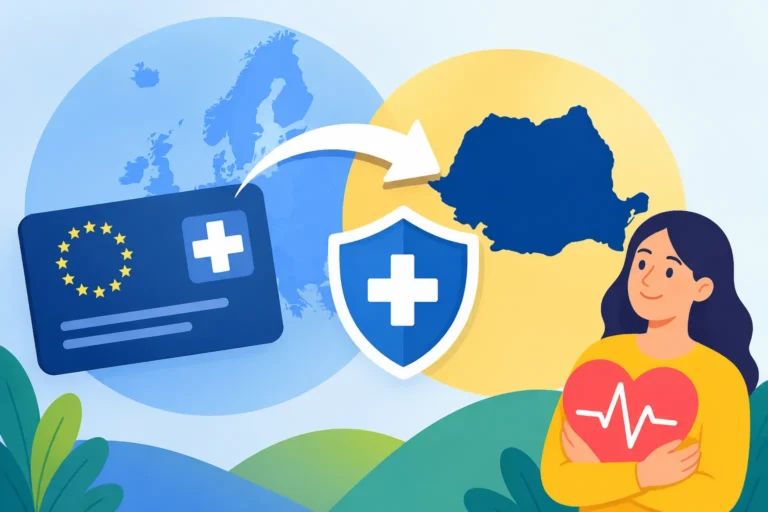
- European Health Insurance Card (EHIC): If you're an EU/EEA/Swiss citizen, your EHIC is absolutely essential. It grants you access to medically necessary state-provided healthcare during your temporary stay on the same terms as a Romanian national. However, remember it's for temporary stays and medically necessary treatment. Once you become a resident, you'll eventually transition to the Romanian public system, but your EHIC can be a bridge. Make sure it's valid and bring both the physical card and a copy. Understanding How to Use Your EHIC Card in Romania as an EU Citizen is important for that initial period.
- Details of Any Current Private Health Insurance: If you have private health insurance in your home country, bring all policy details, including contact numbers, policy numbers, and what it covers internationally. Some policies might offer limited international coverage, which could be helpful initially. Even if you plan to get a new private plan in Romania, these details might inform your choices when comparing options like Regina Maria or MedLife, two prominent private medical networks here.
Organizing and Translating Your Documents
Having the documents is one thing; having them organized and ready for a Romanian doctor is another. A chaotic pile of papers won't impress anyone.
Digital vs. Physical Copies
My advice? Do both. Redundancy is your friend here.
- Physical Folder: Create a dedicated, well-organized physical folder for your most important medical documents. Use dividers for different sections like "GP Summary," "Specialist Reports," "Vaccinations," "Prescriptions," and "Insurance." This is for direct use with doctors who might prefer paper copies or when internet access isn't readily available.
- Digital Files: Scan everything and save it as PDFs. Organize these PDFs into clearly labeled folders on a cloud storage service (like Google Drive, Dropbox, or OneDrive) and also on an encrypted USB stick. This way, you have secure backups accessible from anywhere. Many modern clinics and hospitals are increasingly digital, and being able to email documents or share a link can be incredibly convenient. You could even consider setting up your account on the Patient Dossier Platform in Romania eventually, but that's a step for later.
When to Translate and Notarize
This is a common point of confusion. Do you translate everything? No, not usually.
- English is Often Sufficient for Doctors: Most medical professionals, especially in larger cities like Bucharest or Cluj-Napoca, will have at least a basic understanding of medical English. Many younger doctors speak it fluently. So, for the purpose of communicating your history to a doctor, documents in English are generally acceptable. This is particularly true if you're actively seeking an English-speaking family doctor in Romania.
- When Translation is Needed:
- Official Registration: For certain official administrative procedures, like applying for long-term residence or specific benefits, you might be asked for translated and notarized copies of some documents. However, this is less common for general medical records. If you are specifically asked for them, use a sworn translator (traducător autorizat) recognized by the Romanian Ministry of Justice.
- Specific Legal or Insurance Claims: If you're involved in a medical-legal issue or a complex insurance claim, notarized translations might be required. But again, this is usually on a case-by-case basis.
- Keep it Simple Initially: For your initial visits to a general practitioner or specialist, focus on having clear, legible English documents. They will prioritize understanding the medical content over perfect legal formatting. If a doctor specifically requests a translation of a particular document, then you can address it. Don't waste time and money translating your entire medical history upfront unless explicitly told to by a Romanian authority or institution.
What to Do Once You Arrive
Once you’ve touched down and started to settle in, healthcare will definitely be on your mind. Having those documents prepared makes these next steps so much easier.
Finding a Family Doctor (Medic de Familie)
The medic de familie, or family doctor, is the gatekeeper to the Romanian public healthcare system. This is often your first crucial step after arriving. You'll need to choose and register with a family doctor (Medic de Familie) in Romania. Your organized medical records will be invaluable during your initial consultation with them.
When you go for your first appointment, bring your physical folder. You'll discuss your health history, current medications, and any chronic conditions. This is where your detailed prescription list really shines, allowing the doctor to quickly issue you a local electronic prescription (rețeta electronică). They will also need your vaccination records, especially for your children, to ensure continuity with local schedules. Don’t be afraid to ask questions about how specialist referrals work in Romania if you have ongoing conditions requiring specialized care. Having your history laid out clearly helps them understand your needs and provide appropriate referrals.
Navigating Public vs. Private Systems with Your Records
Romania offers both a public healthcare system (funded by CASS contributions) and a robust private sector. Your medical documents are useful regardless of which path you choose.
- Public System: Once you're registered for public health insurance (CASS), your family doctor will integrate your records into your new medical file within the public system. Your history helps them determine if you need to access specialist care through the Romanian public system, and if so, what kind of bilet de trimitere (referral ticket) to issue.
- Private System: If you opt for private healthcare from the start, perhaps with a private medical subscription (abonament) from a network like MedLife or Regina Maria, your documents are just as critical. Private doctors will also want to see your history to provide the best care. Many expats find that while the public system is functional, private clinics offer more convenience, English-speaking staff, and shorter waiting times, especially for specialist appointments. Your well-documented history will ensure that even in the private system, your care is comprehensive and informed.
Regardless of your choice, having your medical narrative ready and organized makes the transition smoother, ensures your health needs are met, and eases the often-stressful process of navigating a new country's healthcare landscape.
| Document Category | Specific Documents | Why You Need It in Romania | Tips for Expats |
|---|---|---|---|
| Comprehensive Health History | General Practitioner's Summary | Provides an overview of your health, past illnesses, and treatments for your new Romanian doctor. | Request a detailed, dated summary from your current GP. Ensure it includes allergies! |
| Specialist Reports (e.g., Cardiology, Endocrinology, Mental Health) | Crucial for ongoing management of chronic conditions and understanding your specific medical journey. | Obtain reports from all relevant specialists; these often contain critical details for specialized care. | |
| Diagnostic Test Results (Blood tests, X-rays, MRI reports) | Avoids redundant testing and provides a baseline for ongoing monitoring. | Get both written reports and, if possible, digital copies of images on a USB or cloud. | |
| Preventative Care | Vaccination/Immunization Records | Essential for children enrolling in schools/daycares and for adults to maintain up-to-date protective health. | Bring a detailed record or your vaccination passport. |
| Medication & Treatment | Detailed Prescription List (Generic name, dosage, frequency, reason) | Allows new Romanian doctor to issue correct local prescriptions; vital for chronic conditions. | Get a formal letter from your doctor. Bring a 1-month supply of critical medications. |
| Copies of Actual Prescriptions | Helps new doctors understand past prescribing patterns, even if not directly usable in Romanian pharmacies. | While not for refilling, they serve as valuable reference for your new physician. | |
| Health Coverage | European Health Insurance Card (EHIC) (for EU/EEA/Swiss citizens) | Provides access to medically necessary public healthcare during your initial temporary stay. | Ensure it's valid and bring both the physical card and a photocopy. |
| Travel Insurance Policy Details / Initial Private Insurance (e.g., SafetyWing) | Covers emergencies and unexpected health needs during your relocation phase, before establishing local residency/insurance. | Keep policy number, emergency contacts, and coverage details readily accessible. Companies like SafetyWing are excellent for this initial period. | |
| Details of Current Private Health Insurance (if applicable) | Informs new private insurance choices and ensures any limited international coverage is utilized. | Note down policy details, what’s covered abroad, and contact information. |
Disclaimer
The information provided in this article is for general informational purposes only and does not constitute medical, legal, or financial advice. While we strive to offer accurate and up-to-date content based on common expat experiences in Romania, regulations and procedures can change. Always consult with qualified professionals (doctors, lawyers, financial advisors, immigration specialists) for advice tailored to your specific situation. We are not responsible for any actions taken based on the information presented here.