How Do I Find a Long-Term Rental as a Remote Worker in Bucharest?
Landing in Bucharest with a remote job can feel like hitting the jackpot – a vibrant city, often a lower cost of living than many Western capitals, and a buzzing expat community. But then comes the reality check: finding a decent long-term rental as a non-local, especially when you're working remotely and need specific setups, can throw a real spanner in the works. This guide is here to walk you through the unique challenges and provide a step-by-step roadmap to securing your ideal home in Bucharest, making sure you're set up for success from day one.
Understanding Bucharest's Rental Market for Remote Workers
Let's be honest, the Bucharest rental market has its quirks. While it's generally more affordable than many European capitals, prices have been steadily climbing, and the competition can be fierce, especially for well-located, modern apartments. As a remote worker, you're not just looking for a roof over your head; you need a space that supports your professional life, meaning reliable internet, a quiet environment, and often, flexibility.
The Remote Worker's Unique Needs
When you're working remotely, your home isn't just your sanctuary; it's your office, your conference room, and sometimes, your entire social hub. This means your rental requirements might be a bit different from someone who commutes daily.
First and foremost, internet speed and reliability are non-negotiable. Romania boasts some of the fastest internet speeds in Europe, which is fantastic, but you still need to ensure your building and specific apartment can deliver. Always ask about the internet provider options and fiber optics during viewings. A bad connection can derail your workday faster than you can say "VPN."
Secondly, a dedicated workspace or at least a quiet corner is paramount. Open-plan studios might look chic, but trying to take a video call while your partner is cooking or watching TV can be a nightmare. Consider apartments with a separate room or at least enough space for a proper desk setup. Noise levels from neighbours or street traffic are also crucial; that beautiful apartment overlooking a bustling boulevard might not be so charming when you're trying to concentrate at 10 AM.
Thirdly, lease flexibility can be a big one. While standard rental contracts are usually for one year (contract de închiriere), some landlords might be open to longer terms, especially if they see you as a stable tenant. However, breaking a contract early can have penalties, so always clarify the terms around notice periods and early termination. If your remote job means you might need to relocate on short notice, this needs to be part of your discussion.
Finally, think about proximity to amenities that support your lifestyle. As a remote worker, you might find yourself needing a break from your home office. Access to parks, co-working spaces, cafes, gyms, or even just a vibrant area where you can step out for a walk and grab a coffee can significantly improve your quality of life and productivity.
Neighbourhoods to Consider
Bucharest is a sprawling city, and each district, or cartier, has its own distinct flavour and pros and cons. Where you choose to live will greatly impact your daily life, your commute (even if it's just to the grocery store), and your access to social activities.
- Centrul Vechi (Old Town) & Universitate: If you crave the hustle and bustle, this is it. You'll be surrounded by restaurants, bars, and cultural venues. It’s incredibly central, and you can walk everywhere. However, apartments here can be smaller, older, and often come with a significant noise factor, especially at night. For a remote worker who needs peace, it might not be the best fit unless your apartment is well-insulated or tucked away on a quieter street.
- Floreasca & Dorobanți: These are considered some of Bucharest's more upscale and desirable neighbourhoods. Expect elegant apartment buildings, green spaces, designer boutiques, and excellent restaurants. They offer a more refined, quieter atmosphere while still being close to the city centre. Rents here are higher, but you often get more spacious, modern apartments, potentially ideal for setting up a proper home office. This area is popular with families and those seeking a calmer, yet sophisticated, environment.
- Pipera: Located in the northern part of the city, Pipera is known for its modern office buildings, international schools, and new residential complexes. It’s a popular choice for expat families and those working in the tech industry. While it’s further from the city centre, public transport connections have improved, and many complexes offer amenities like gyms and pools. Apartments are often new, spacious, and equipped with modern comforts. The downside is it can feel a bit soulless compared to more established areas, and traffic during peak hours can be challenging.
- Timpuri Noi & Tineretului: These areas south of the city centre have seen significant development recently. Timpuri Noi, especially, is becoming a hub for young professionals with new residential buildings and a burgeoning array of cafes and restaurants. Tineretului offers a massive park (Parcul Tineretului), making it great for those who love green spaces. Both areas are well-connected by metro and offer a good balance of modern living, amenities, and relatively reasonable rents compared to the northern districts. They often strike a good balance for remote workers looking for a dynamic yet livable area.
- Militari & Drumul Taberei: Located in the west and southwest, these are more residential, local neighbourhoods. Here you'll find a mix of older communist-era apartment blocks and newer developments. While less glamorous, they offer significantly lower rents and a more authentic Romanian experience. Public transport is decent, and you'll find all necessary services like supermarkets and local markets. If budget is a primary concern and you don't mind being a bit further out, these areas are worth exploring. However, finding English-speaking landlords or real estate agents might be more challenging here.
Navigating the Search: Where and How to Look
Finding a place can feel like a full-time job in itself, especially from abroad or when you're just getting settled. It requires patience, persistence, and knowing where to focus your efforts.
Online Platforms and Agencies
Your first port of call will undoubtedly be online. Romania has a robust online presence for real estate, but be prepared for a mix of professional listings and direct-from-owner posts.
- Imobiliare.ro: This is by far the biggest and most comprehensive real estate portal in Romania. You'll find thousands of listings from both agencies and individual owners. It’s well-organised, allows for detailed filtering (number of rooms, furnished/unfurnished, area, price range), and often includes floor plans and multiple photos. Be aware that many listings will be from agents, even if they don't explicitly state it.
- OLX.ro: Similar to Craigslist or Gumtree, OLX is a general classifieds site where you can find anything from used furniture to cars, and yes, plenty of rental apartments. This is where you're more likely to find direct-from-owner listings, potentially saving you the agent's commission (more on that below). However, the quality of listings can vary greatly, and you might encounter more scams or less professional communication. Patience is key here.
- Facebook Groups: Social media is a surprisingly effective tool for finding rentals in Bucharest. Search for groups like "Expats in Bucharest," "Bucharest Rentals," or "Digital Nomads Bucharest." Many people post available apartments directly, and you can also post your own "apartment wanted" ads. This route often leads to direct landlord contact and can be a good way to get honest advice and recommendations from other foreigners. It’s also a great place to ask questions about specific areas or landlord experiences.
- Real Estate Agencies: You'll encounter many real estate agencies in Bucharest, from large national chains to smaller, independent brokers. They can be incredibly helpful, especially if your Romanian isn't fluent or if you're not familiar with the city. An agent can pre-screen properties, arrange multiple viewings, and help you navigate the negotiation and paperwork process. However, they come with a cost.
The Role of a Real Estate Agent
Deciding whether to use a real estate agent (agent imobiliar) is a common dilemma for expats. Here’s a breakdown of when they might be worth it and what to expect:
When to Use One:
If you're short on time, don't speak Romanian well, or are looking for a very specific type of property (e.g., fully equipped smart home, pet-friendly with a garden), an agent can save you immense stress. They have access to a wider database of properties, including some that might not be publicly listed yet. A good agent will understand your needs, vet properties, and manage the communication with landlords, which can be invaluable when dealing with language barriers or cultural nuances in negotiation. They can also advise you on the standard rental practices and help you understand your rights as a tenant.
What to Expect:
The standard practice in Bucharest is that the tenant pays the agent's commission, which is typically 50% of the first month's rent plus VAT. Sometimes, if a property has been on the market for a while, an agent might agree to a lower fee or split it with the landlord, but don't count on it unless negotiated upfront. Always clarify the agent's fee structure before they start working for you.
When you engage an agent, be very clear about your budget, desired location, number of rooms, furnishing preferences, and any specific needs (like excellent internet, quiet building, pet-friendly). They will then send you listings and arrange viewings. It's common to sign a viewing contract with the agency, which states that if you rent a property they showed you, you will pay their commission. Make sure you understand this document.
Beware of agents who try to pressure you into taking a place you're not entirely happy with or who are unresponsive once you've signed their viewing contract. A good agent will be patient, proactive, and truly advocate for your interests. You might need to meet with a few agents before you find one you click with and trust. Finding a trustworthy agent can make all the difference, so don't be afraid to Find an English-Speaking Real Estate Agent in Romania.
Essential Steps for Securing Your Rental
Once you've found a place you like, the real administrative fun begins! Securing your rental involves more than just shaking hands; it's about formalising the agreement and setting yourself up for a comfortable stay.
Understanding Rental Contracts and Deposits
The rental contract (contract de închiriere) is your lifeline. While oral agreements are technically valid in Romania, do not rely on one. Insist on a written contract, preferably in both Romanian and English, and have it reviewed by a lawyer if you're unsure about any clauses. Standard contracts are usually for one year, with an option to extend. Read every clause carefully, especially those pertaining to:
- Rent amount and payment due date: Clearly stated in RON (Romanian Lei).
- Deposit (garantie): Typically one or two months' rent, held by the landlord. This is to cover any damages beyond normal wear and tear or unpaid utilities. Ensure the conditions for its return are clearly stipulated.
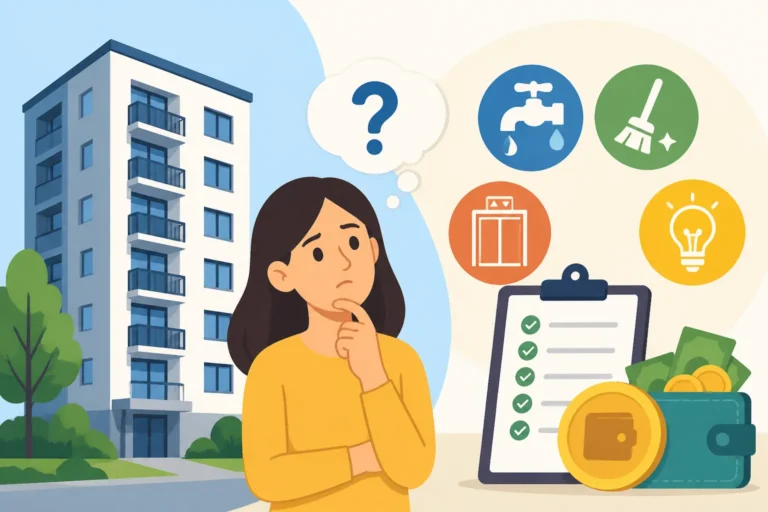
- Utilities (utilități): Clarify whether utilities (electricity, gas, water, internet, building maintenance fees – întreținere) are included in the rent or paid separately. In most cases, they are separate. You'll want to understand How to Set Up Electricity in Your Romanian Home and other services.
- Inventory list: Especially if the apartment is furnished, ensure a detailed inventory of all items (furniture, appliances, condition) is attached to the contract. This protects both you and the landlord.
- Notice period: What is the required notice period if either party wishes to terminate the contract? This is crucial for your planning.
- Registration at ANAF: It is highly recommended that your landlord registers the rental contract with ANAF (the tax authority). This makes the contract official and provides you with solid proof of address, which is vital for many administrative procedures like obtaining your residence permit. While some landlords prefer not to register to avoid taxes, an unregistered contract offers you less protection. Push for it. You can learn more about How to Sign a Rental Contract (Contract de Închiriere) in Romania for a deeper dive.
Proof of Funds and Income
As a remote worker, demonstrating your financial stability can sometimes be a bit different from a traditional employee with a local payslip. Landlords want assurance you can pay the rent consistently.
- Employment Contract: Your remote work contract from your foreign employer is usually the best proof. It should clearly state your salary and employment terms.
- Bank Statements: Recent bank statements (3-6 months) showing consistent income deposits can back up your employment contract. It helps if these statements are in English or translated.
- Payslips: Regular payslips from your employer.
- Letter from Employer: A letter from your employer confirming your employment, salary, and remote work status can also be helpful.
- Local Bank Account: While not strictly necessary for viewing, opening a local bank account once you arrive can streamline rent payments and make your financial situation appear more "local" and reliable to landlords. You can find excellent guidance on The Expat Guide to Opening a Bank Account in Romania.
- Advance Payments: In some cases, if landlords are particularly cautious or you lack other "local" documentation, offering to pay a few months' rent in advance (in addition to the deposit) might make your offer more attractive.
It's important to prepare these documents in advance and have them readily available, perhaps even translated into Romanian by a certified translator, to present a professional and reassuring image to potential landlords.
Setting Up Utilities and Connectivity
For a remote worker, connectivity is king. Your apartment isn't just a home; it's your office.
- Internet Providers: Romania boasts fantastic internet infrastructure. Major providers include Digi Mobil, Vodafone, and Orange. Digi is often praised for its high speeds and competitive prices. When you view an apartment, ask which providers are available in the building and if fiber optic is installed. You'll want to get your internet set up as soon as possible. Find out more about How to Set Up Home Internet and TV in Romania.
- Mobile Connectivity: You'll also need a local SIM card. Vodafone, Orange, and Digi are the main players. Prepaid options are widely available and cheap, offering generous data allowances. For seamless transition, especially if you're just arriving, consider an eSIM service like Airalo. This allows you to get mobile data instantly upon arrival without needing a physical SIM card, meaning you can navigate, communicate, and stay connected from the moment you land. It's a great temporary solution until you sort out a long-term local plan.
- Other Utilities: You'll also need to arrange for electricity, gas (if applicable), and potentially water and garbage collection. Often, these accounts are transferred into your name after you move in. Your landlord or agent can help with this, as it often involves dealing with Romanian bureaucracy. It's a process, but definitely manageable.
Practical Tips for a Smooth Move
Moving to a new country and setting up a remote work life is a big undertaking. A little preparation goes a long way.
Getting Your Affairs in Order
Before you even start seriously looking for a place, or certainly as soon as you arrive, you'll need a few key administrative items.
- CNP (Personal Numeric Code): This is your unique identification number in Romania, equivalent to a social security number. You'll need it for practically everything, including opening a bank account, registering for utilities, and getting a residence permit. Applying for your CNP is often intertwined with your residence permit application. You can learn more about How to Get Your CNP (Personal Numeric Code) for Healthcare Access in Romania, as it's a fundamental step for all expats.
- Residence Permit (Permis de Ședere): If you're a non-EU citizen, obtaining your residence permit is crucial. Your rental contract will serve as vital proof of accommodation for this process. It’s a multi-step process that can take some time, so be prepared and start early. Look into How to Apply for a Romanian Residence Permit (Permis de Ședere) for detailed instructions.
- Bank Account: As mentioned, a Romanian bank account simplifies rent and utility payments. Many major banks like Banca Transilvania, BCR, ING, and Raiffeisen Bank cater to expats. Having local funds can also make landlords more comfortable. You can usually open one with your passport, CNP (or NIF if you don't have a CNP yet), and proof of address.
- Proof of Address: Once you have your registered rental contract, it serves as excellent proof of address. This document will be requested for many official procedures, so keep it safe and accessible. Understanding How to Get Proof of Address and Residence Documents in Romania is incredibly helpful.
Moving Logistics
Whether you're moving from across the continent or just from a temporary Airbnb, the logistics of moving your belongings can be daunting.
- International Movers: If you're bringing a lot of furniture or personal items from abroad, consider using an international moving company. Services like Sirelo can help you compare quotes from various moving companies, ensuring you find a reliable and cost-effective option for your specific needs. They simplify the process of finding movers who specialize in international relocations, handling customs, and door-to-door delivery.
- Local Transport: For smaller moves within Bucharest, you can easily hire local transport services. Many companies offer vans with drivers to help you move boxes and furniture. Ask for recommendations in expat Facebook groups for reliable and affordable options.
- Furnished vs. Unfurnished: Most long-term rentals in Bucharest come furnished, which is a huge convenience for remote workers who don't want the hassle of buying and selling furniture. However, if you prefer to bring your own or want to buy new, unfurnished options are available but less common. Factor in the cost of furnishing if you opt for an unfurnished place, as it can add up quickly.
Finding a long-term rental as a remote worker in Bucharest certainly has its challenges, but with the right knowledge and a bit of patience, you'll be settled into your ideal Romanian home in no time. The key is to be prepared, understand the local market, and leverage the resources available to you. Good luck, and welcome to Bucharest!
| Neighborhood / Feature | Pros | Cons | Average Rent Range (1-Bed) | Internet Speed Potential | Remote Worker Suitability |
|---|---|---|---|---|---|
| Floreasca / Dorobanți | Upscale, green, quiet, modern apartments, good amenities, safe. | High rent, less vibrant nightlife, further from Old Town. | €600 – €900+ | Excellent | High (quiet, modern) |
| Timpuri Noi / Tineretului | Growing, modern apartments, good metro, near parks, reasonable rent. | Can be busy/developing, some areas still lack character. | €450 – €700 | Excellent | High (balance, connectivity) |
| Pipera | New builds, spacious, international schools, modern amenities. | Further from city center, traffic, can feel suburban/less vibrant. | €550 – €850 | Excellent | Medium-High (modern, but isolated) |
| Centrul Vechi / Universitate | Central, vibrant, nightlife, walkability, cultural. | Very noisy, older apartments, smaller spaces, high tourist traffic. | €400 – €750 | Good | Low-Medium (noise a factor) |
| Militari / Drumul Taberei | Affordable, local feel, established infrastructure, good transport. | Further out, older buildings, less "expat-friendly" amenities. | €350 – €550 | Good | Medium (budget-friendly, but distance) |
| Note: Rent ranges are estimates and can vary greatly based on apartment size, condition, and specific location within the neighbourhood. |
Disclaimer
The information provided in this guide is intended for general informational purposes only and does not constitute legal, financial, or professional advice. While we strive to ensure the accuracy and timeliness of the content, regulations and market conditions in Romania can change. It is always recommended to consult with relevant professionals, such as lawyers, real estate agents, or financial advisors, for advice tailored to your specific situation. We do not assume any liability for decisions made based on this information.