How Do I Get an STB Travel Card for Public Transport in Bucharest?
Navigating public transport in a new city can feel like deciphering an ancient scroll, and Bucharest is no exception. Between the bustling streets, the different types of vehicles, and the initial language barrier, figuring out how to simply pay for your bus or tram ride can be a real head-scratcher. This comprehensive guide will cut through the confusion and walk you through everything you need to know about getting and using an STB travel card for public transport in Bucharest, ensuring you can move around the city with confidence and ease.
Understanding Bucharest's Public Transport System and STB
When you first arrive in Bucharest, the sheer volume of buses, trams, and trolleybuses zipping around can be a bit overwhelming. But don't fret; once you understand the system, it's actually quite efficient and a very affordable way to get around this sprawling capital. The key to unlocking this system is the STB travel card.
What is STB and How Does it Work?
STB stands for Societatea de Transport București, which is the main public transport operator in Bucharest, responsible for the vast network of surface vehicles: buses (autobuze), trams (tramvaie), and trolleybuses (troleibuze). This is distinct from Metrorex, which operates the underground metro system, though some electronic cards allow for integrated travel. The STB network covers virtually every corner of the city and even extends into many areas of the surrounding Ilfov county.
The entire STB system, much like many modern European cities, has moved away from paper tickets and cash payments on board. Instead, it relies on a unified electronic ticketing system. This means you’ll need a special travel card to tap when you board a vehicle. Each tap validates your journey and deducts a trip or confirms your active subscription. It’s designed to be seamless, but getting that initial card is the first hurdle for many expats and tourists. Think of it as your passport to urban exploration – without it, you're stuck looking in from the outside.
Why You Need an STB Travel Card (Card Activ or Multiplu)
Gone are the days when you could hop on a bus and pay the driver directly in Bucharest. Nowadays, attempting to board without a valid, tapped card could land you a hefty fine from an inspector, which is the last thing you want when trying to settle into your new home or enjoy your holiday. The STB travel card isn't just a convenience; it's a necessity. It’s also significantly more cost-effective than buying individual tickets, if those were even still an option.
The system primarily offers two types of electronic cards for general use: the Card Activ and the Card Multiplu. The Card Activ is a personalized, credit-card-sized plastic card that can hold various types of subscriptions (daily, weekly, monthly, annual) and multiple trips, including combined STB + Metrorex passes. It’s ideal for residents, students, or anyone planning a longer stay. The Card Multiplu, on the other hand, is a non-personalized card, also plastic, designed for more limited use, typically holding up to 10 trips or a 24/72-hour pass, making it perfect for tourists or occasional users. We’ll dive deeper into which one might be right for you in the next section, but the bottom line is, you absolutely need one of these in your pocket to use public transport in Bucharest.
Step-by-Step Guide to Getting Your STB Travel Card
Alright, let's get down to brass tacks. You know you need a card, but how do you actually get your hands on one? It’s a process that can feel a little intimidating at first, but with a bit of guidance, you’ll be tapping your way around Bucharest in no time.
Choosing the Right Card for Your Needs
Before you head out, decide which card type suits you best. This decision usually comes down to how long you plan to stay in Bucharest and how frequently you'll be using public transport.
The Card Activ is the workhorse of the STB system. It's designed for regular commuters and long-term residents.
- Pros: It's personalized, meaning if you lose it, you can block it and transfer any remaining value to a new card. It can hold a much larger variety of travel titles, including monthly or annual subscriptions (abonamente), which offer the best value for daily use. You can also load integrated passes that work for both STB and Metrorex.
- Cons: Obtaining a Card Activ takes a little more effort and time. You'll need to present identification, and sometimes they'll even take your photo on the spot. It also requires a Personal Numeric Code (CNP) if you have one, or other forms of identification, which might be a hurdle if you've just arrived. For those just beginning their journey in Romania, understanding How to Get Your CNP (Personal Numeric Code) for Healthcare Access in Romania can be a crucial first step, as a CNP is often required for many official registrations, including a personalized travel card.
- Who it's for: Expats living and working in Bucharest, students, anyone staying for more than a few weeks who plans to use public transport daily.
The Card Multiplu is the simpler, more immediate option.
- Pros: You can buy it instantly, no ID or personal details required. It's a great option for tourists or those on short business trips. You can purchase it with a set number of trips (e.g., 10 trips) or a 24-hour or 72-hour pass. If you're traveling with family or friends, a single Card Multiplu can be shared, as long as each person taps it when they board (though this is typically for single trips, not for multiple people to use a time-based pass simultaneously).
- Cons: It's not personalized, so if you lose it, your money is gone. It has a limited capacity for trips and doesn't support monthly or annual subscriptions, making it less cost-effective for prolonged, daily use.
- Who it's for: Tourists, short-term visitors, those who will only use public transport occasionally, or as a temporary solution until you can get a Card Activ.
Here’s a quick comparison:
| Feature | Card Activ (Personalized) | Card Multiplu (Non-personalized) |
|---|---|---|
| Identification | Required (ID, CNP, photo) | Not required |
| Capacity | High (multiple subscriptions, many trips) | Limited (up to 10 trips, 24/72-hour passes) |
| Loss/Theft | Value can be recovered/transferred | Value is lost |
| Cost-Effectiveness | Best for regular, long-term use (subscriptions) | Good for occasional or short-term use |
| Integrated Metro | Yes, with specific passes | No, typically STB-only (unless combined ticket) |
| Initial Purchase Time | Longer due to registration | Instant |
Where to Purchase and Top Up Your Card
Once you've decided on your card, you need to know where to go. Bucharest has several options, though some are definitely easier than others, especially for newcomers.
1. STB Ticket Offices (Centre de Reîncărcare/Vânzare Carduri STB): These are the official points of sale and top-up for STB cards. You'll find them located at major transport hubs, metro stations, or along busy boulevards. Look for kiosks with the blue STB logo.
- Buying a Card Activ: This is the place to go for a Card Activ. Be prepared for a bit of a wait, especially during peak hours. You'll need your passport or residence permit, and they might ask for your CNP. If you haven't yet secured your residence permit, figuring out How to Book an Appointment at the Immigration Office (IGI) in Romania is often the first big step, which then paves the way for a CNP and official registration documents needed for the Card Activ. Some offices have staff who speak basic English, but it's not guaranteed. Having a translation app ready on your phone (perhaps leveraging an eSIM from Airalo for instant connectivity upon arrival) can be a lifesaver.
- Buying a Card Multiplu: You can also get a Card Multiplu here, often quicker than the Activ card since no registration is needed.
- Topping Up: All STB ticket offices can top up both types of cards with trips or subscriptions.
2. Kiosks (Chioșcuri): Many smaller, independent kiosks around the city, often selling newspapers, snacks, or cigarettes, also sell and top up STB cards. They usually display a sign indicating they sell "Carduri STB."
- Pros: More numerous and convenient.
- Cons: Staff are less likely to speak English, and they may only offer Card Multiplu purchases and basic top-ups. They might not be equipped to issue a new Card Activ.
3. Automated Vending Machines: You'll find these machines at many bus and tram stops, particularly the busier ones. They are usually bright blue or yellow.
- Pros: Available 24/7, multi-language options (including English), and you can pay with both cash and card. They're great for topping up an existing card or purchasing a Card Multiplu.
- Cons: You generally cannot purchase a new Card Activ from these machines, only top up existing ones. If you encounter an issue, there's no staff to help.
4. Online/App Options: While you can't buy a new physical STB card online, you can certainly top up existing cards and even buy virtual tickets through various mobile apps.
- BT Pay and 24Pay: These are popular mobile payment apps that allow you to load money onto your existing STB card or purchase SMS tickets/virtual tickets for single rides. The convenience of these apps, especially when you consider that How to Set Up Home Internet and TV in Romania and a local SIM are essential early steps for an expat, makes digital payment an increasingly attractive option.
- SMS Tickets: For a single trip, you can send an SMS to a specific number (usually 7458 or 7445, check current signage) with the letter 'C' (for STB city lines) or 'T' (for STB express lines). This charges you for one trip directly to your phone bill or prepaid credit. It's a handy emergency option if you don't have your card.
Documents and Information Required
Here's what you'll need when you head out to get your card:
-
For Card Activ:
- Identification: Your passport and/or your Romanian residence permit (permis de ședere). If you're an EU citizen, your national ID card might suffice. Remember that How to Register Your Residence (Viză de Flotant) at the Town Hall in Romania is often a prerequisite for obtaining a residence permit, which then serves as a critical identification document for many local services.
- CNP (Personal Numeric Code): If you have one, bring it. It helps in the registration process. If not, your residence permit will usually be enough to generate a temporary identification number for the card.
- Photo: Some STB offices might take a photo of you on the spot with a webcam, while others might ask you to provide a small passport-sized photo. It's always a good idea to have a couple on hand, just in case.
- Initial Cost: There's a small fee for the plastic card itself, usually around 3.70 RON. Be prepared to pay this, plus the cost of your desired trips or subscription. Don't forget to consider how to manage your finances, Understanding the Leu, Exchange Rates and Currency in Romania to ensure you have local currency or card options.
-
For Card Multiplu:
- Payment: Just cash or a bank card. No ID or personal details are required.
- Initial Cost: Similar to the Card Activ, there's a small fee for the card itself, usually around 1.60 RON, plus the cost of the trips you want to load onto it.
It's highly advisable to have all your documents organized and easily accessible. The process can be a little slow, and any missing piece of information will only prolong it.
Using and Managing Your STB Travel Card
Getting the card is just the first step. Knowing how to load it, validate your trips, and troubleshoot common issues will save you a lot of headaches (and potential fines!) down the line.
Loading Titles of Transport (Trips and Subscriptions)
Once you have your physical card, it's essentially a blank slate. You need to load it with "titles of transport" (titluri de transport). These determine how many rides you can take or for how long your pass is valid.
- Single Trip (Călătorie Simplă): This is the most basic option, costing around 3 RON for a ride within Bucharest. When you load "10 trips" onto your card, it means you have 10 single trips available.
- Daily, Weekly, Monthly, Annual Passes (Abonamente): These offer unlimited travel within a specific timeframe and are the most economical option for regular users. A monthly pass for the Bucharest city area (urban lines) is currently around 80 RON. There are also combined passes that include transport in Ilfov county for those living outside the city center, and even integrated STB + Metrorex passes for seamless travel across both networks. When you're calculating your overall budget, keep in mind that transport costs, while low, are part of the broader The Complete Guide to Cost of Living in Romania for Expats (2026).
- Zone System: Bucharest and its surrounding Ilfov county operate on a zone system. Most expats will primarily use the urban zone (Bucharest), but if you live or work in the Ilfov area, you'll need a pass that covers both zones or specific Ilfov lines. Always clarify this when purchasing your pass.
- Loading Your Card: You can load these titles at any STB ticket office, many kiosks, and automated vending machines. Simply hand over your card, state what you want to load (e.g., "10 călătorii," "abonament lunar"), and pay. The staff or machine will process it. Remember that some apps like BT Pay and 24Pay also allow you to top up your existing card with various titles.
Validating Your Card on Board
This is absolutely crucial. Having a valid pass or trips on your card means nothing if you don't validate it every single time you board an STB vehicle.
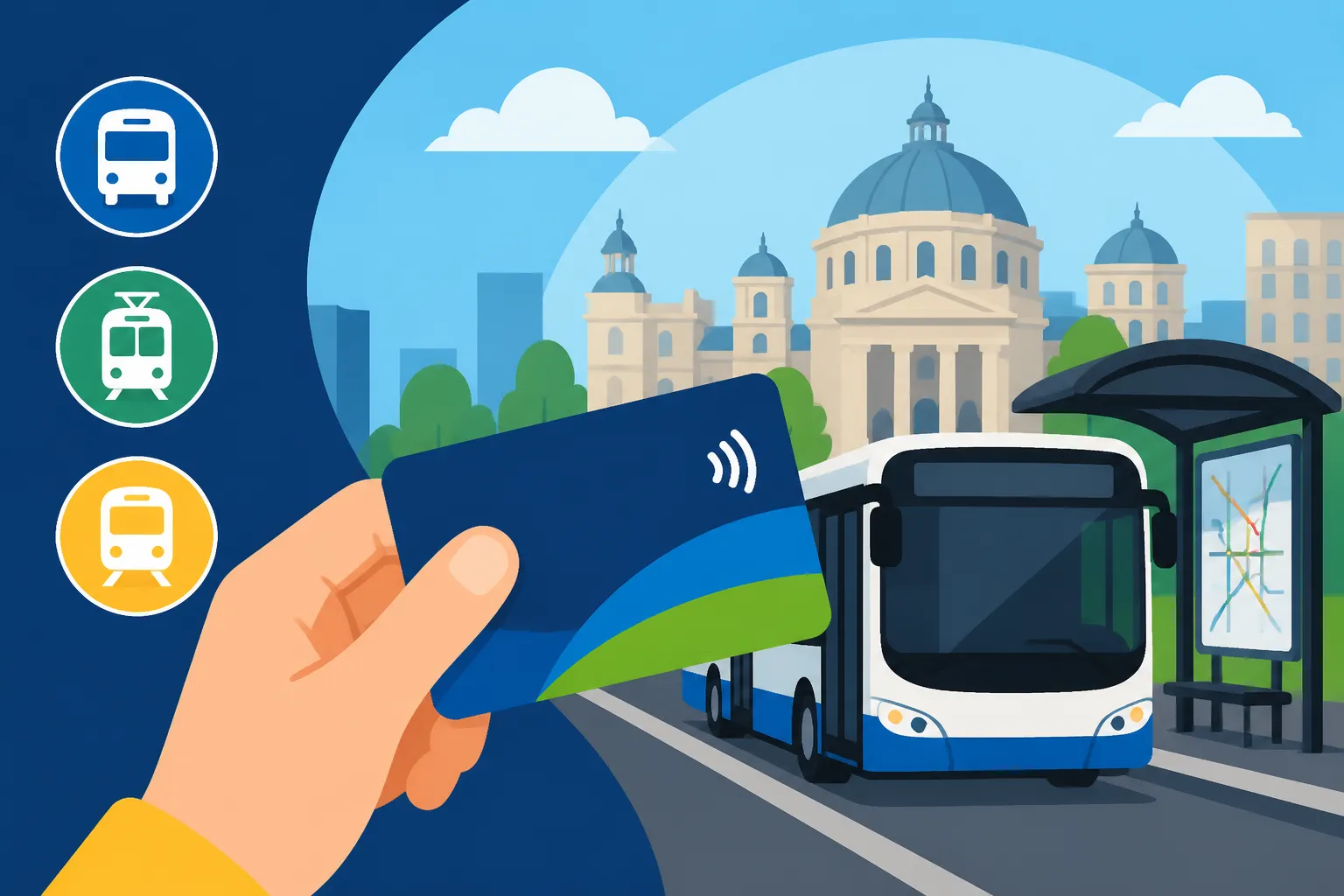
- The Tap: As you step onto the bus, tram, or trolleybus, look for the small, yellow card readers usually located near each door. Hold your card against the reader's surface until you hear a beep and see a green light (or a message confirming validation). If you hear a different sound or see a red light, it means there was an issue – try again or check for an error message.
- Even with a Subscription: Even if you have a monthly pass, you must validate it on every journey. This helps STB collect data on ridership and ensure the system is being used correctly.
- Consequences of Not Validating: STB inspectors regularly check for valid tickets/validations. If you're caught without a validated card, you'll face a hefty fine (usually around 80 RON, but can be higher if not paid on the spot). Trust me, it's not a conversation you want to have, especially with a language barrier! Just tap. It takes a second.
Common Issues and Troubleshooting
Despite the system’s best efforts, sometimes things don't go according to plan. Here are some common issues expats face and how to deal with them:
- Card Not Validating:
- No Funds/Expired Pass: This is the most common reason. Check your card balance or pass expiry date at a vending machine or ticket office.
- Machine Error: Occasionally, a specific reader might be faulty. If one doesn't work, try another reader on the same vehicle. If none work, it’s best to get off at the next stop and wait for the next vehicle, validating your card then.
- Damaged Card: If your card is physically damaged, it might not be read. You'll need to go to an STB office to check if it can be replaced and if the value can be transferred.
- Lost or Stolen Personalized Cards (Card Activ): This is where the "personalized" aspect comes in handy. Go to an STB ticket office as soon as possible, report it lost/stolen, and they can block the card. With your ID, they can often transfer the remaining credit or subscription to a new card, though there might be a small processing fee.
- Language Barrier at Ticket Offices: As mentioned, English speakers aren't always guaranteed. Write down exactly what you need (e.g., "Card Activ nou, abonament lunar," or "reîncărcare Card Multiplu, 10 călătorii") to help the staff. Using Google Translate can be very effective in these situations.
- Online Top-Up Issues: If an app isn't working, check your internet connection (crucial for foreigners, remember How Do I Get a Romanian SIM Card as a New Arrival), or try another app. Sometimes there's a slight delay for the top-up to register on your physical card; tapping it on a validation machine usually updates the information.
Integrating Public Transport with Your Expat Life in Bucharest
Public transport is more than just getting from A to B; it's a vital part of urban living, especially in a city like Bucharest. Understanding how it fits into your daily routine as an expat can significantly enhance your experience.
Public Transport for Daily Commuting and Errands
Bucharest is notorious for its traffic, especially during peak hours. Relying solely on a car or ride-sharing services can be time-consuming and expensive. The STB network, in conjunction with the metro, offers a robust alternative. For many expats, public transport quickly becomes the default for daily commuting to work or university, and for running errands. From your first apartment viewings to figuring out How to Find and Rent Long-Term Accommodation in Romania, you'll likely be hopping on buses and trams frequently.
Utilizing apps like Moovit or Google Maps is incredibly helpful. These apps provide real-time tracking of buses and trams, estimated arrival times, and suggest the best routes, even factoring in current traffic. This helps you avoid long waits at stops and plan your journeys more efficiently. Getting around the city often requires combining different modes of transport, so knowing your STB lines and how they connect to the metro or even walking routes is a skill you'll quickly master.
Combining STB with Other Services
While the STB travel card is your key to surface transport, it's useful to know how it integrates with other mobility options and essential services. For those times when public transport schedules don't align, or you're carrying too much shopping, ride-sharing apps like Bolt and Uber are widely available and reasonably priced alternatives. Taxis are also an option, but it's generally recommended to use an app-based service to ensure transparent pricing.
The unified electronic system has evolved to allow for some seamless transitions. For example, some cards can be loaded with passes that work across both STB and Metrorex. This integrated approach means you can start your journey on a bus, transfer to the metro, and finish on a tram, all on a single pass.
Beyond transport, integrating into Romanian life involves many administrative tasks. Just as you're getting your travel card sorted, you'll also be grappling with The Expat Guide to Setting Up Utilities in Romania and making sure you're connected. Having a reliable mobile data plan, perhaps initially through an eSIM from Airalo while you're sorting out a local Romanian SIM card, is vital for navigation apps and communication. This ensures you're never truly stranded or unable to look up information on the go.
Tips for Newcomers and Tourists
Many newcomers struggle with the small nuances of daily life here, and public transport is often one of them. Here are a few pointers to make your experience smoother:
- Start with a Card Multiplu: If you're only here for a short trip, or you've just landed and are still figuring things out, grab a Card Multiplu with a few trips or a 24-hour pass. It’s quick, easy, and requires no paperwork. Once you’re more settled, perhaps after securing your long-term residence, then you can invest in a personalized Card Activ.
- Always Carry Some Cash: While card payments are increasingly common at STB offices and vending machines, it's always wise to have some small denominations of Lei (RON) on hand. Sometimes a machine might only take cash, or you might need it for an emergency snack or drink during a long wait.
- Download Translation Apps: Even basic interactions at a ticket office can be challenging without some Romanian. Google Translate or similar apps are invaluable. You can type in what you need, and they can show the translation to the staff.
- Plan Your Routes in Advance: Especially for your first few journeys, having your route mapped out on Google Maps or Moovit before you leave your accommodation will give you confidence. You can see how many stops until your destination and even what the bus looks like.
- Don't Be Afraid to Ask: Romanians are generally friendly and often willing to help, especially younger people who tend to speak more English. If you're truly stuck, politely ask for assistance.
- Consider Broader Relocation Support: Beyond transport, moving to a new country involves a myriad of logistics. For instance, if you're shipping your belongings from back home, services like Sirelo can help you compare quotes and manage the process, making the larger relocation picture less daunting. Getting your STB card is a small, but significant, victory in the overall journey of making Romania your new home.
Navigating Bucharest's public transport system with an STB travel card is straightforward once you understand the process. With these tips and the right card in hand, you’ll soon be moving around like a local, ready to explore all that this vibrant city has to offer.
Disclaimer
The information provided in this guide is for general informational purposes only and is based on current regulations and practices in Romania. While we strive to keep the content up-to-date, public transport rules, prices, and available services can change. It is always advisable to check the official STB website or inquire at an STB ticket office for the most current and precise information before making any decisions. This guide does not constitute legal or professional advice.